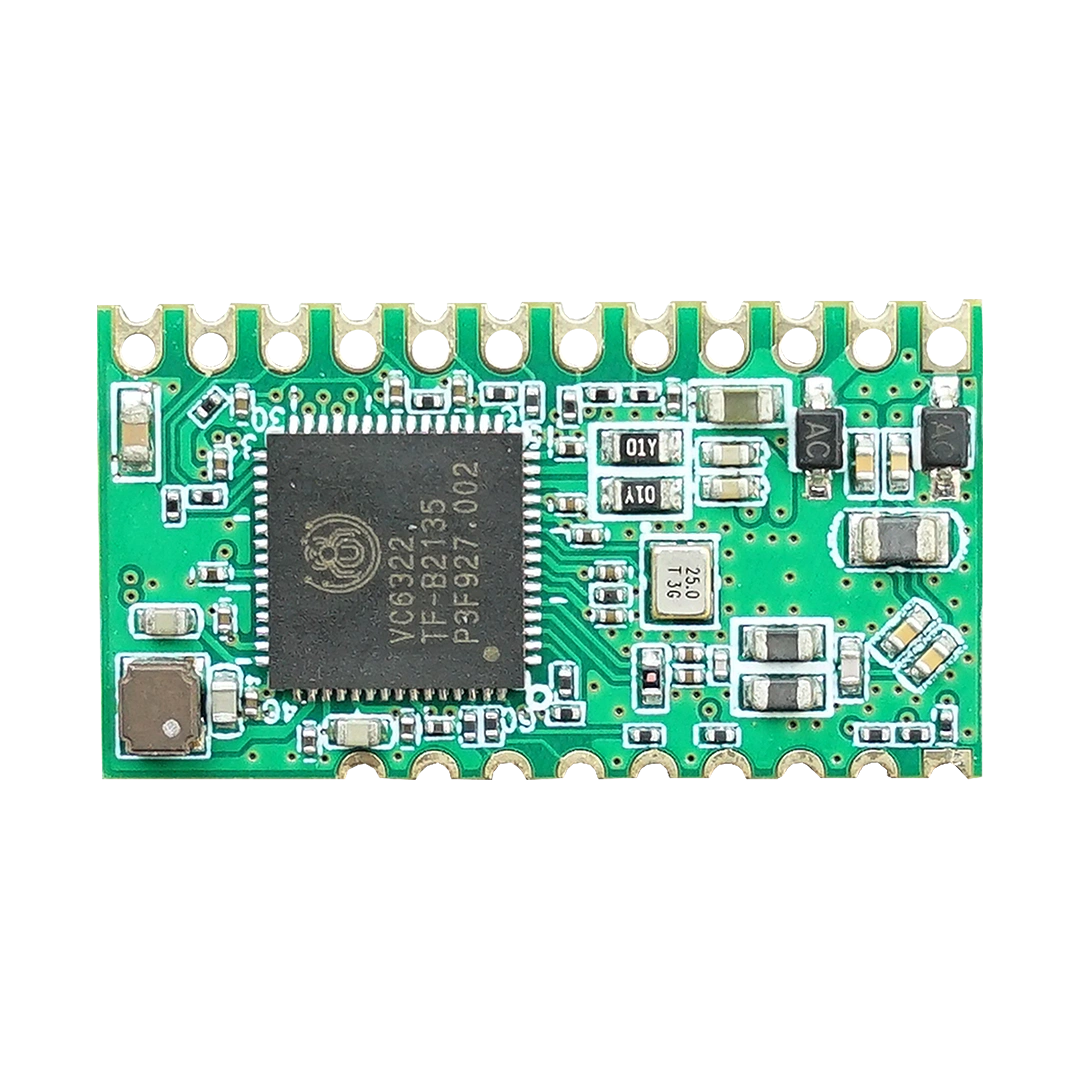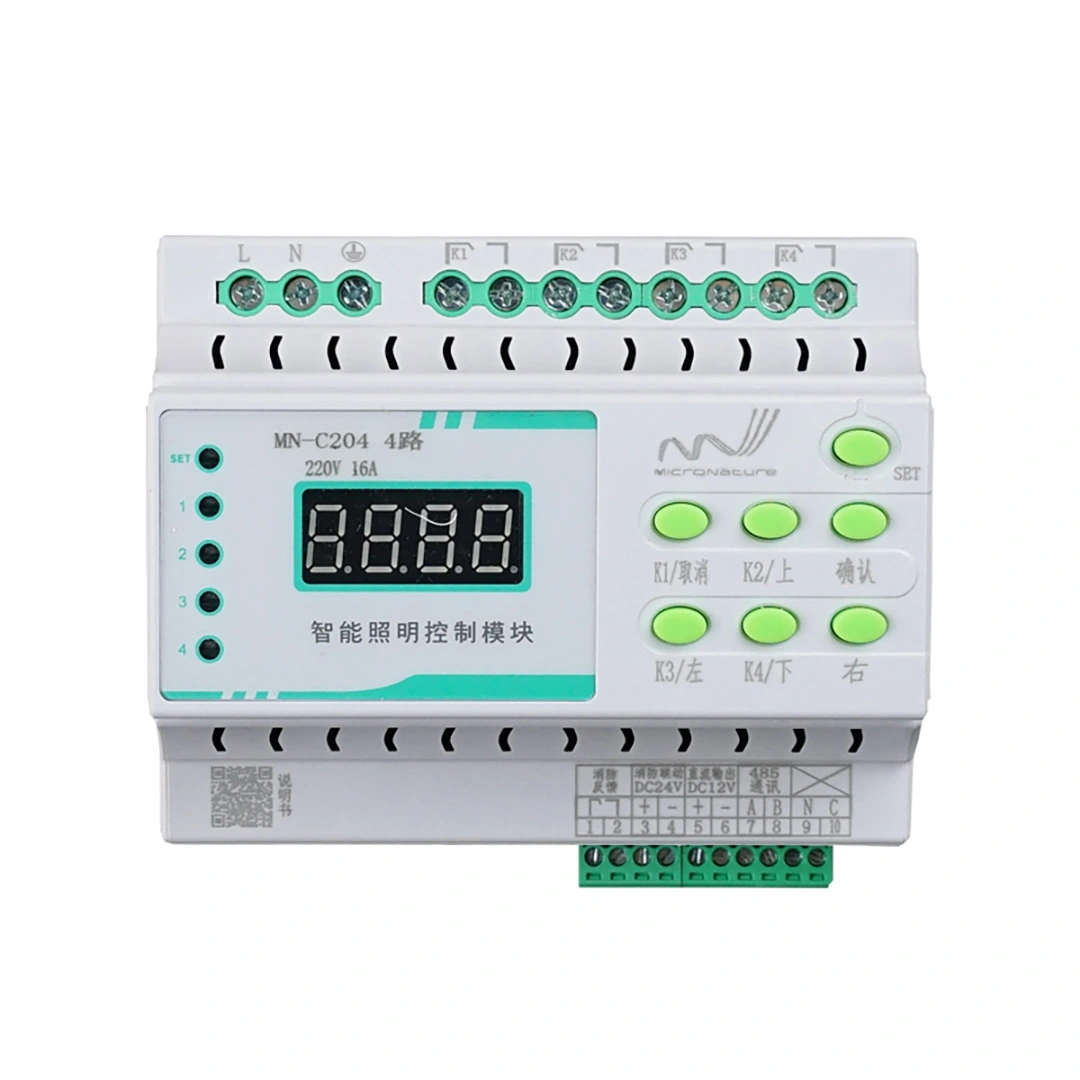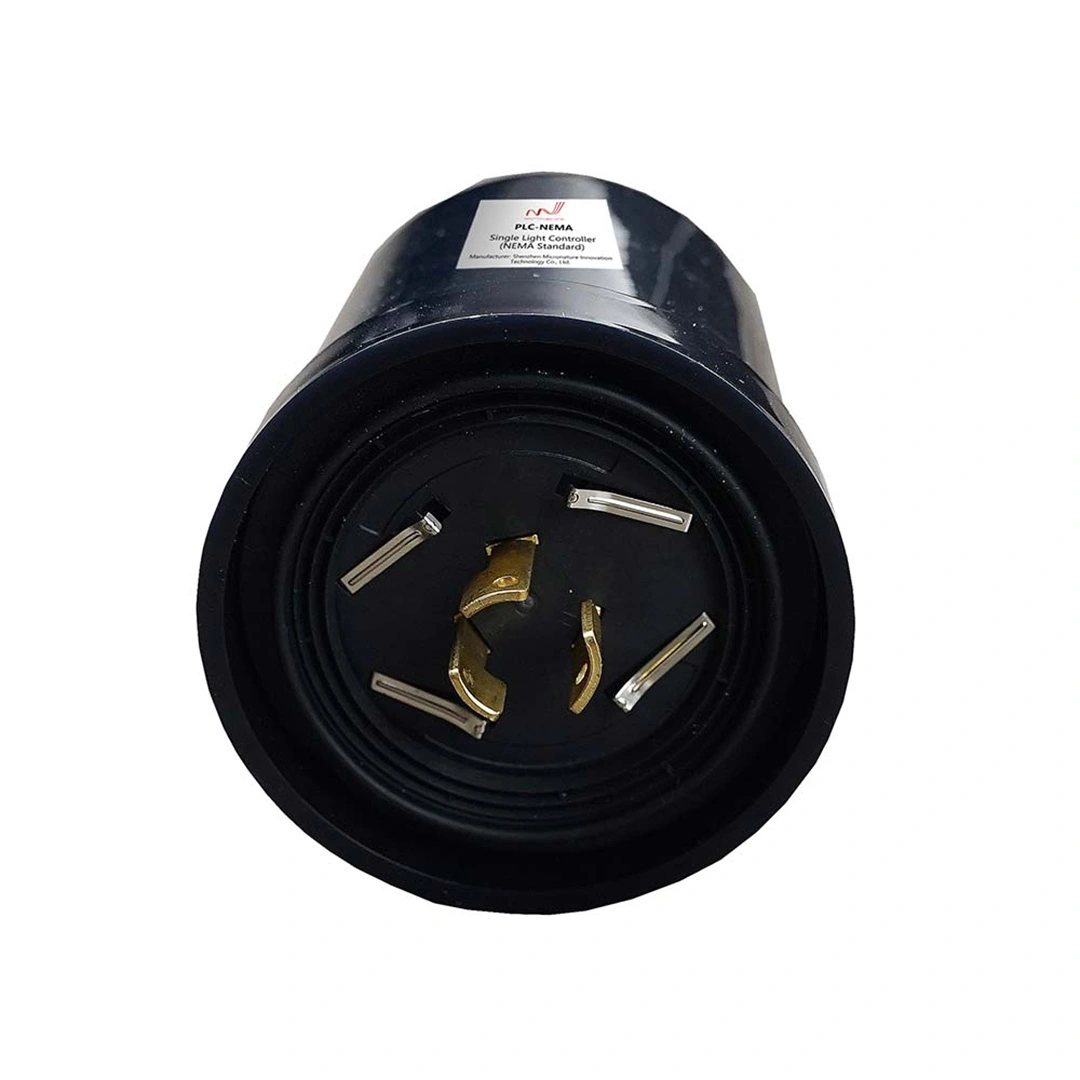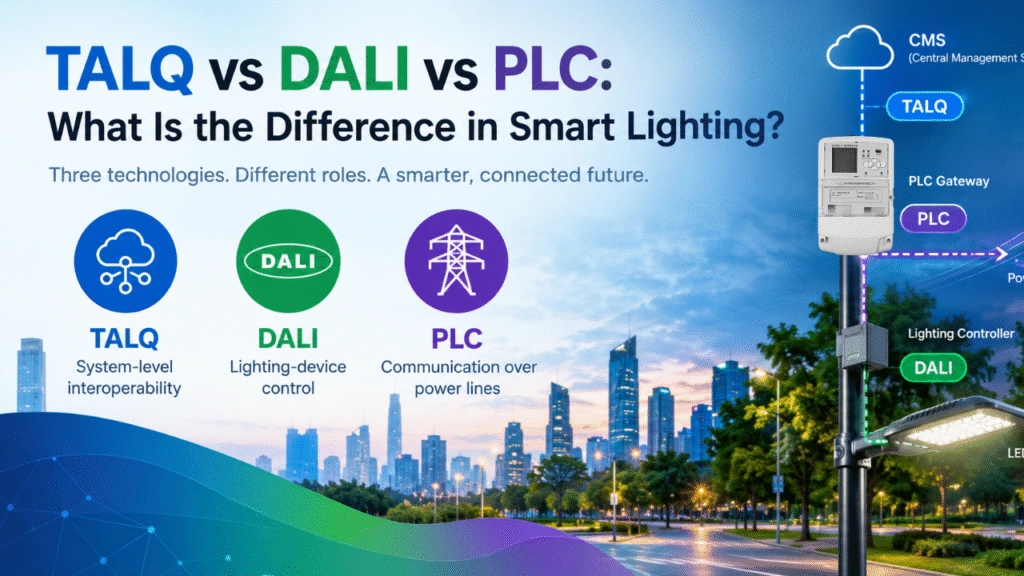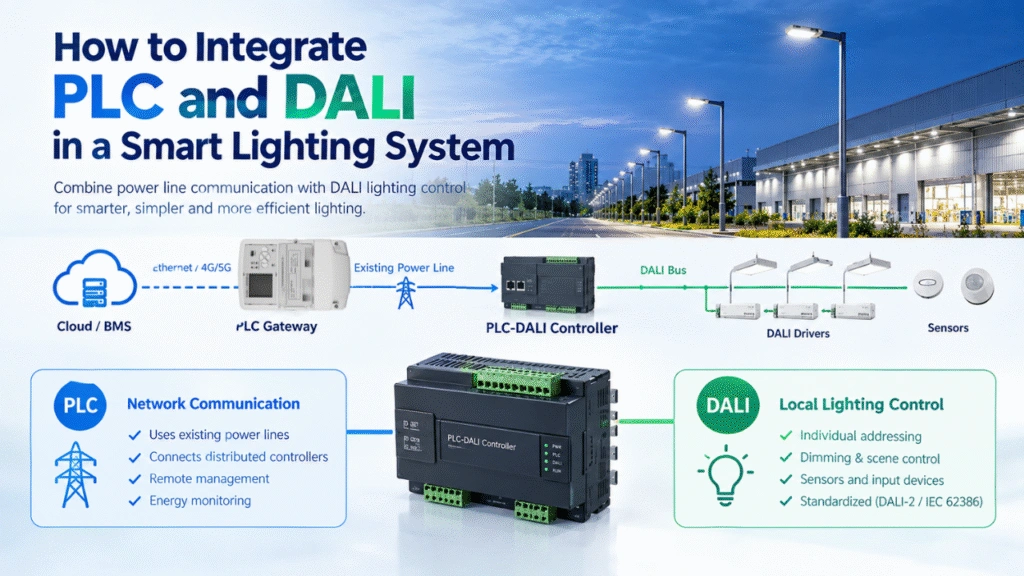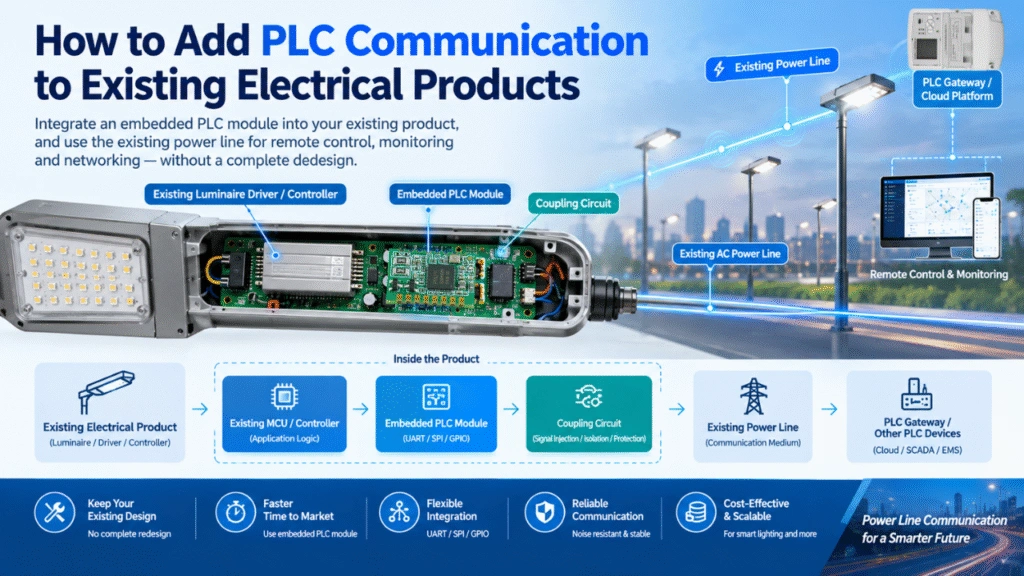
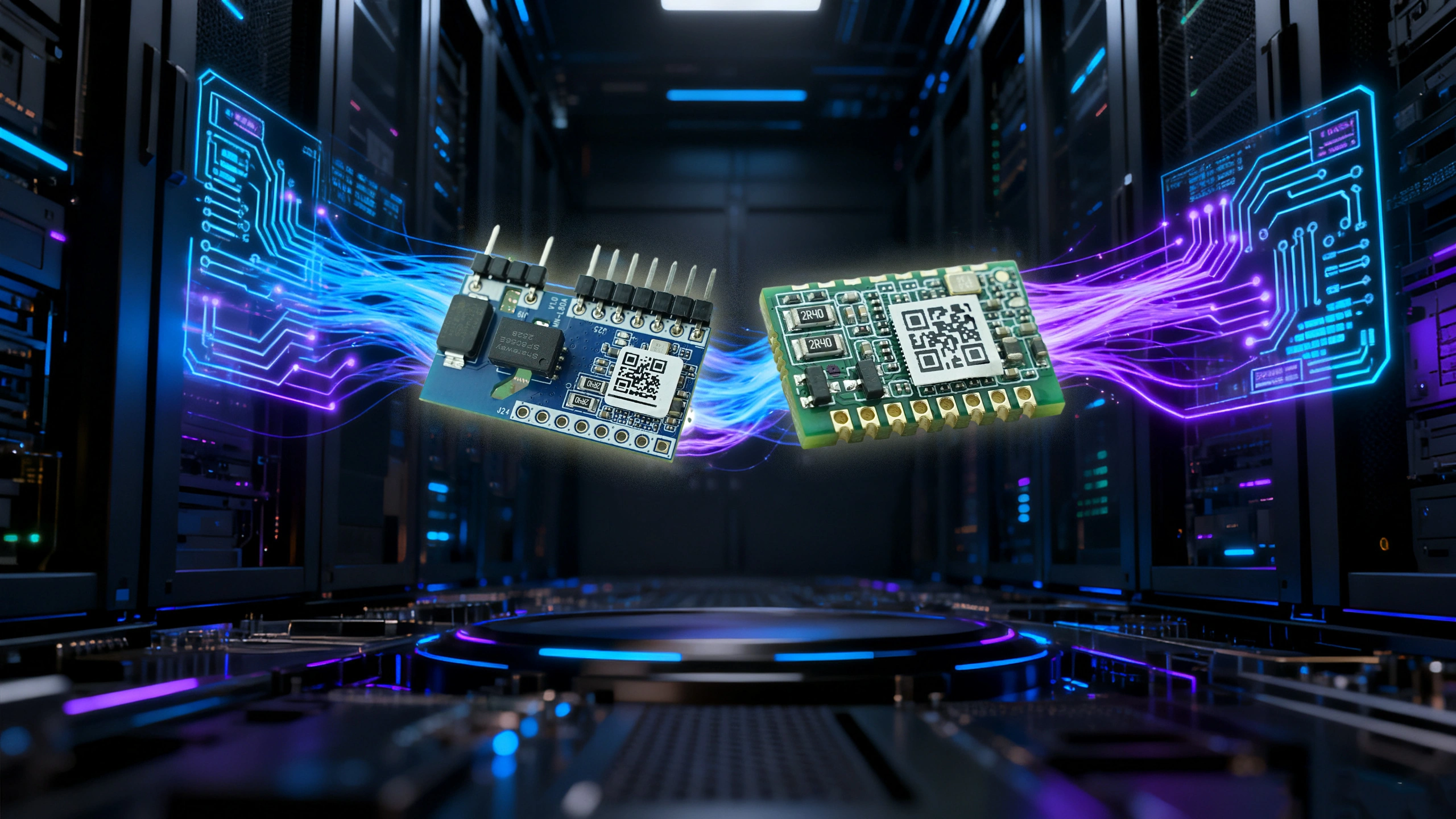
Elegir entre los MN-L80C vs MN-L80A ¿Módulos PLC? Esta comparación exhaustiva desglosa las diferencias clave entre los dos módulos de Comunicación por Línea de Energía (PLC) de alto rendimiento de MicroNature. Construidos sobre el potente chipset PS0211, ambos módulos destacan en proyectos de iluminación inteligente y IoT, pero ¿cuál se adapta a tus necesidades específicas? Esta guía te ayuda a tomar una decisión informada.
A la vista: MN-L80C vs MN-L80A
Antes de entrar en detalles, aquí tienes un resumen rápido de los dos módulos:
| Característica | MN-L80C | MN-L80A |
|---|---|---|
| Core Chipset | PS0211 | PS0211 |
| Procesador | ARM Cortex-M3 | ARM Cortex-M3 |
| Tamaño de la PCB (LWH) | 20,00mm * 11,00mm * 2,4mm | 33,0 mm * 18,0 mm * 5,8 mm |
| Interfaces clave | UART, PWM, GPIO, ADC, I2C | UART, PWM, GPIO, ADC, SPI, I2C |
| Aplicación objetivo | Diseños ultracompactos con espacio limitado | Aplicaciones ricas en funciones y alta flexibilidad |
| Casos de uso típicos | Dispositivos domésticos inteligentes, terminales IoT | Alumbrado público, gateways, sistemas IoT complejos |
Ambos módulos soportan Normas IEEE P1901.1, modulación OFDM/FSK, y cuentan con redes automáticas rápidas (200 nodos en 10 segundos).
Comparación detallada de características
1. Tamaño físico y factor de forma
La diferencia más significativa y obvia entre ambos módulos es su tamaño físico.
- MN-L80C: Este módulo es Ultracompacto, midiendo justo 20,00 mm x 11,00 mm x 2,4 mm. Su tamaño en miniatura lo hace ideal para integrarse en dispositivos donde el espacio en PCB es escaso, como bombillas inteligentes, sensores u otros extremos IoT miniaturizados.
- MN-L80A: Aunque aún se describe como compacto, el MN-L80A es más grande en 33,0mm x 18,0mm x 5,8mm. Esta mayor huella permite componentes e interfaces adicionales, lo que la hace más adecuada para dispositivos como controladores de farolas o pasarelas industriales donde el espacio es menos restrictivo.
2. Interfaces y ampliabilidad
Ambos módulos ofrecen un conjunto robusto de interfaces, pero el MN-L80A ofrece mayor flexibilidad.
- MN-L80C: Proporciona interfaces esenciales para la mayoría de las aplicaciones, incluyendo UART, PWM, GPIO, ADC e I2C. Esto es suficiente para muchas tareas estándar de control y comunicación.
- MN-L80A: Incluye todo lo que ofrece el MN-L80C y añade un SPI (Interfaz Periférica Serial) y apoyo a FLASH externo Memoria. La interfaz SPI permite la conexión a una gama más amplia de periféricos de alta velocidad, mientras que el soporte externo para FLASH permite capacidades de firmware y registro de datos más complejas.
3. Comunicación y rendimiento
A pesar de sus diferencias físicas, ambos módulos ofrecen un rendimiento de comunicación central idéntico. Ambos están alimentados por el chip PS0211, que incluye:
- Tasa máxima de la capa PHY: 0,507Mbps
- Tasa de la capa de aplicación: 80Kbps
- Bandas de frecuencia: 0,5-3,7MHz y 2,5-5,7MHz (configurable por software)
- Modulación: OFDM, BPSK, QPSK
Esto significa que ambos módulos ofrecen la misma alta fiabilidad, robusta inmunidad al ruido con FEC y CRC, y capacidades de red rápidas.
Escenarios de aplicación: ¿Qué módulo se adapta a tu proyecto?
Cuándo elegir el MN-L80C
Elige el MN-L80C Si tu proyecto prioriza Miniaturización y rentabilidad para dispositivos de alto volumen y con espacio limitado. Es la opción ideal para:
- Dispositivos inteligentes para el hogar: Integrándose en enchufes inteligentes, interruptores o luminarias individuales.
- Puntos finales IoT: Incrustación en sensores, controles de climatización o unidades de filtro de ventilador (FFU).
- Terminales IoT ubicuos: Despliegue en contadores inteligentes, sistemas de gestión del agua o dispositivos de seguridad.
- Fabricantes OEM: Desarrollo de una amplia gama de productos inteligentes donde el espacio en la mesa sea un factor crítico.
Cuándo elegir el MN-L80A
Elige el MN-L80A Si tu proyecto lo requiere Máxima flexibilidad y expansibilidad para aplicaciones complejas y a gran escala. Es la mejor opción para:
- Iluminación Pública Inteligente: Sirviendo como módulo central de comunicación en los controladores de farolas, donde sus interfaces adicionales pueden conectarse a diversos sensores y periféricos.
- Pasarelas de sistema: Actuar como Coordinador Central (CCO) en una red PLC.
- Industrial IoT: Integración en equipos industriales complejos que requieren SPI y memoria externa para procesamiento avanzado de datos.
- Carga de VE y Gestión Energética: Gestión de sistemas sofisticados que requieren una amplia E/S.
Tomando la decisión correcta
La elección entre el MN-L80C y el MN-L80A se reduce en última instancia a las necesidades específicas de tu proyecto.
| Si necesitas... | Tu elección es... |
|---|---|
| El módulo más pequeño posible para diseños críticos en espacio | MN-L80C |
| Un módulo con soporte SPI y FLASH externo para máxima flexibilidad | MN-L80A |
| Una solución rentable para endpoints IoT simples y de alto volumen | MN-L80C |
| Un módulo con muchas funciones para pasarelas y controladores complejos | MN-L80A |
Tanto el MN-L80C como el MN-L80A son módulos PLC excepcionales construidos sobre la robusta y fiable plataforma PS0211. Ambos ofrecen la comunicación de alto rendimiento y conforme a los estándares por la que MicroNature es conocida. Evaluando cuidadosamente los requisitos de tu proyecto en cuanto a tamaño, interfaces y aplicación, puedes seleccionar el módulo que mejor se alinee con tus objetivos.
¿Listo para integrar la tecnología PLC de MicroNature en tu próximo proyecto? Contacta con nuestro equipo Hoy para hablar sobre tus necesidades específicas y solicitar muestras o documentación técnica.