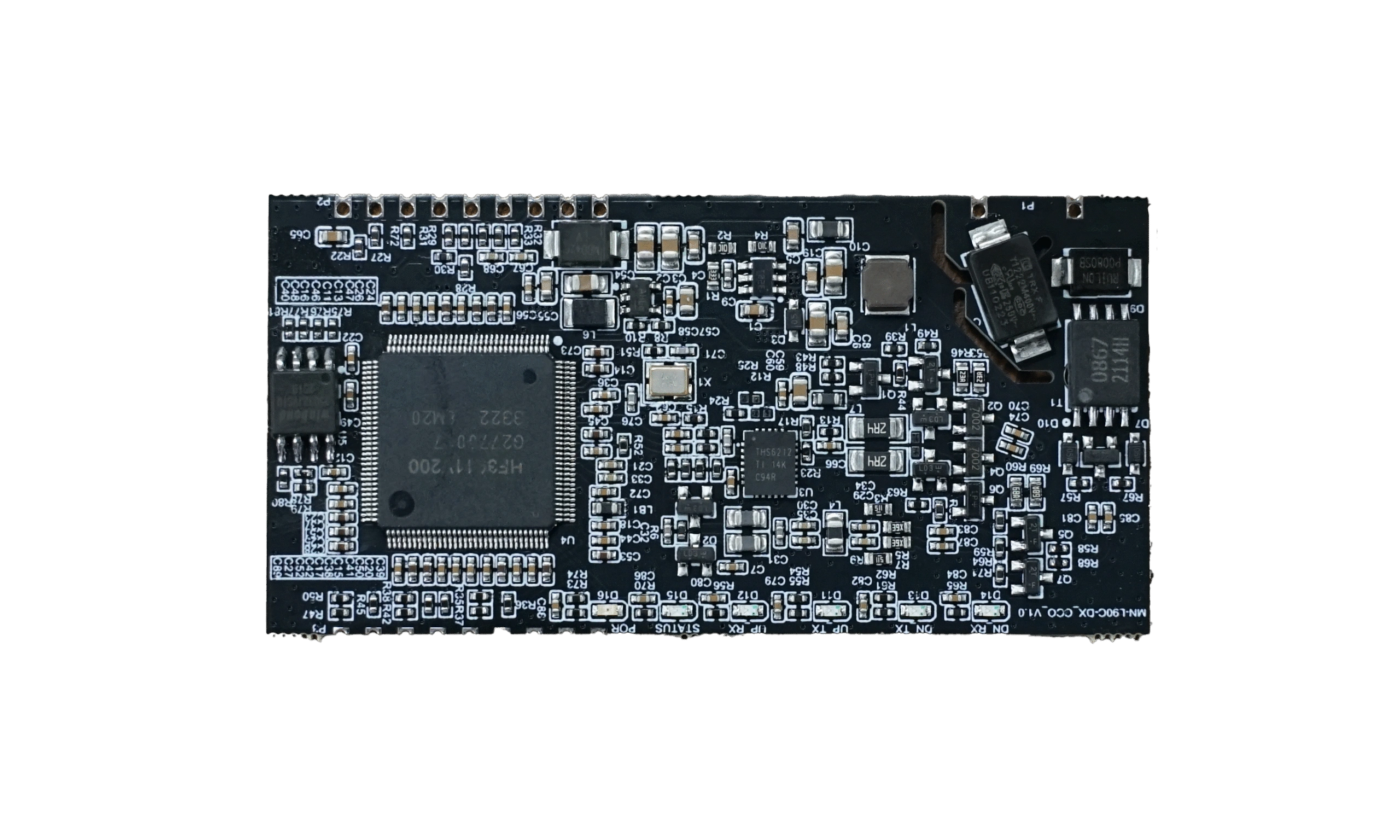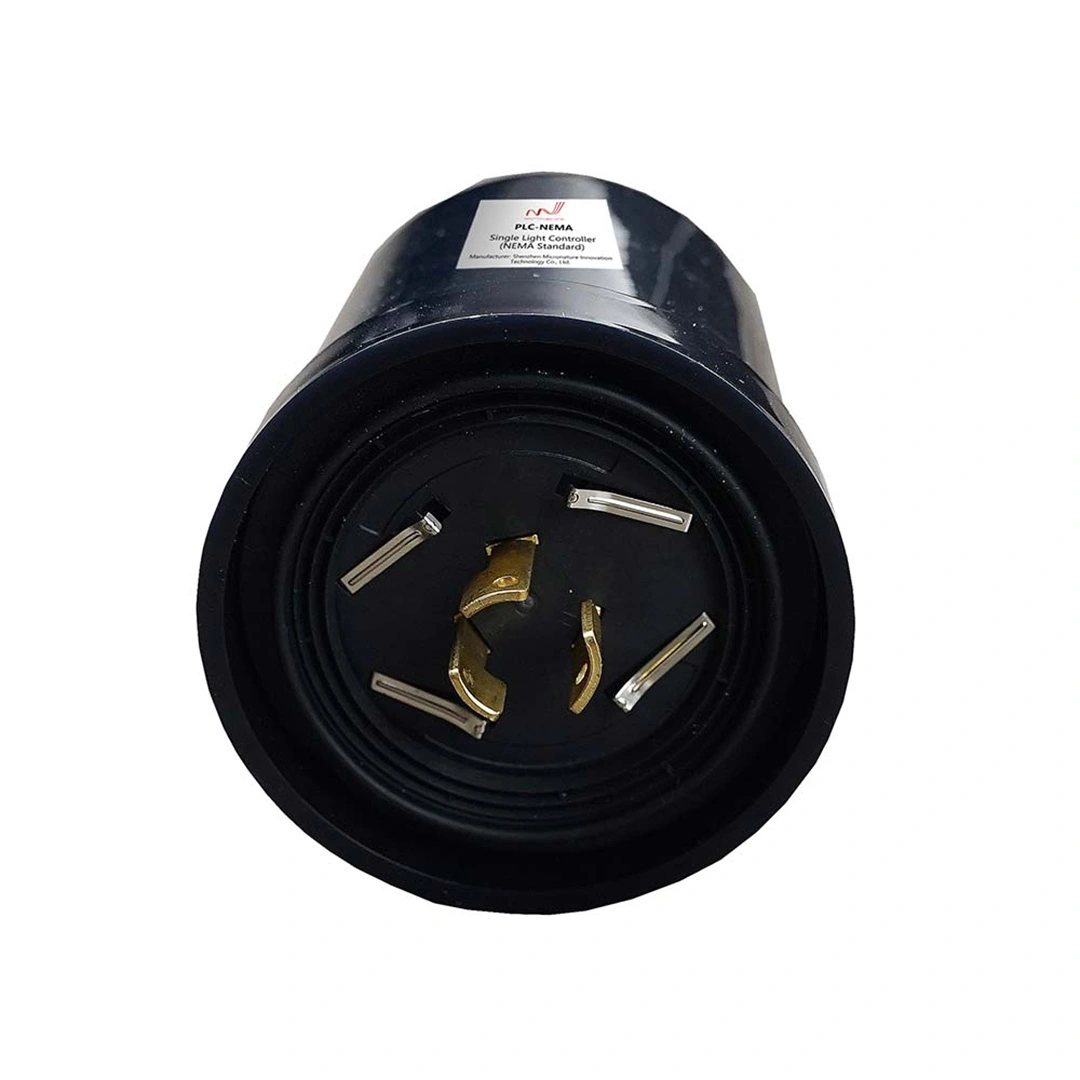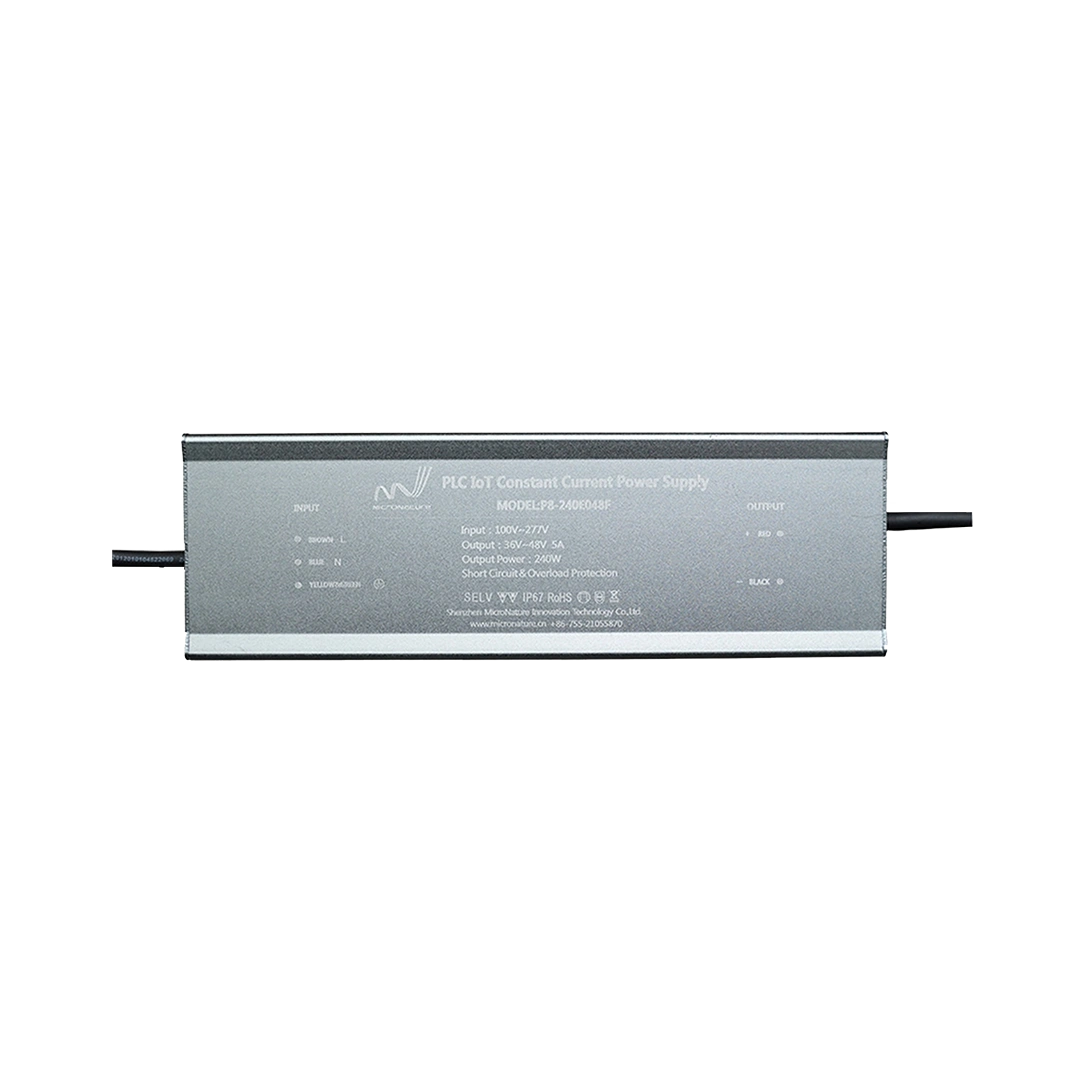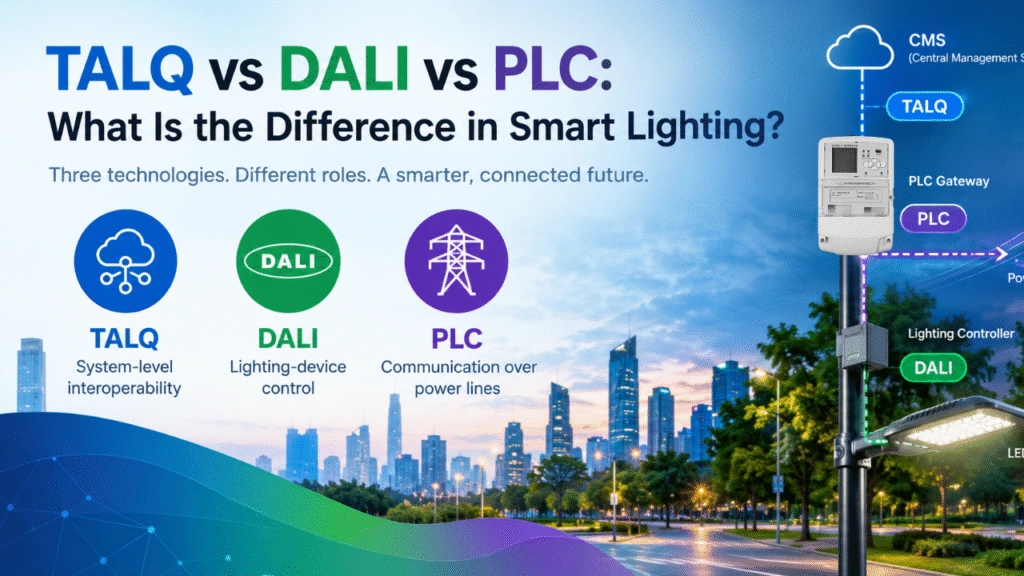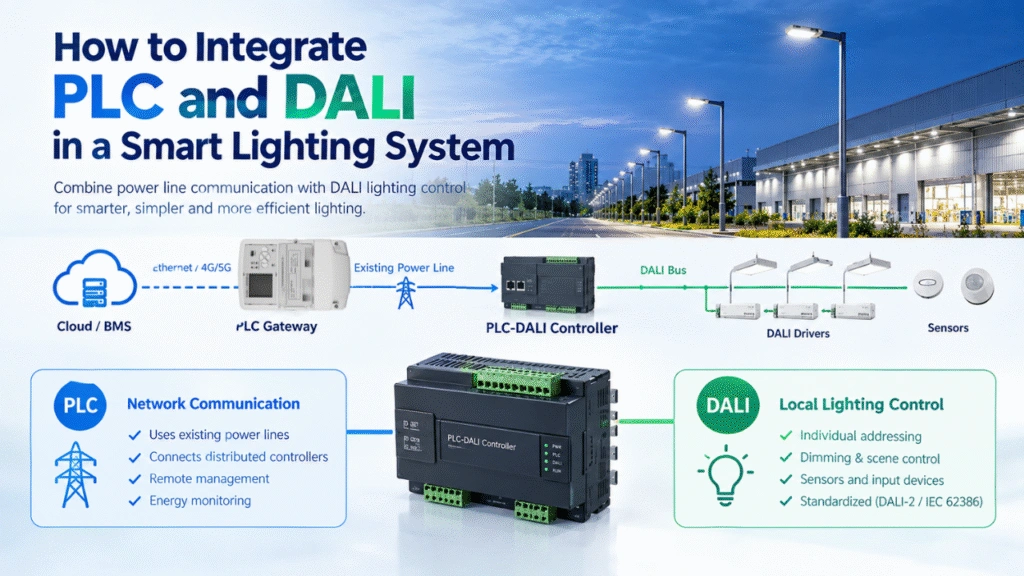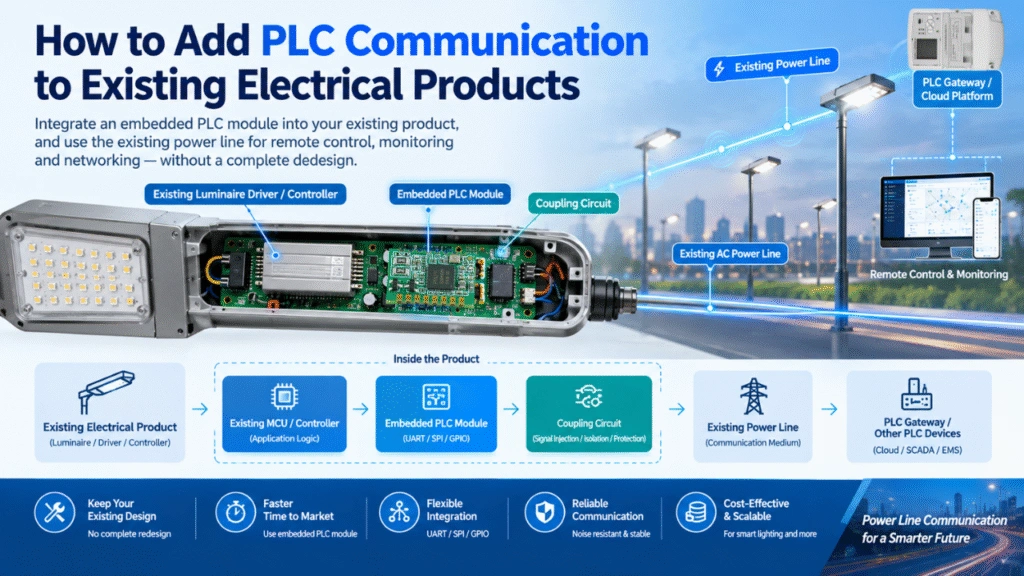
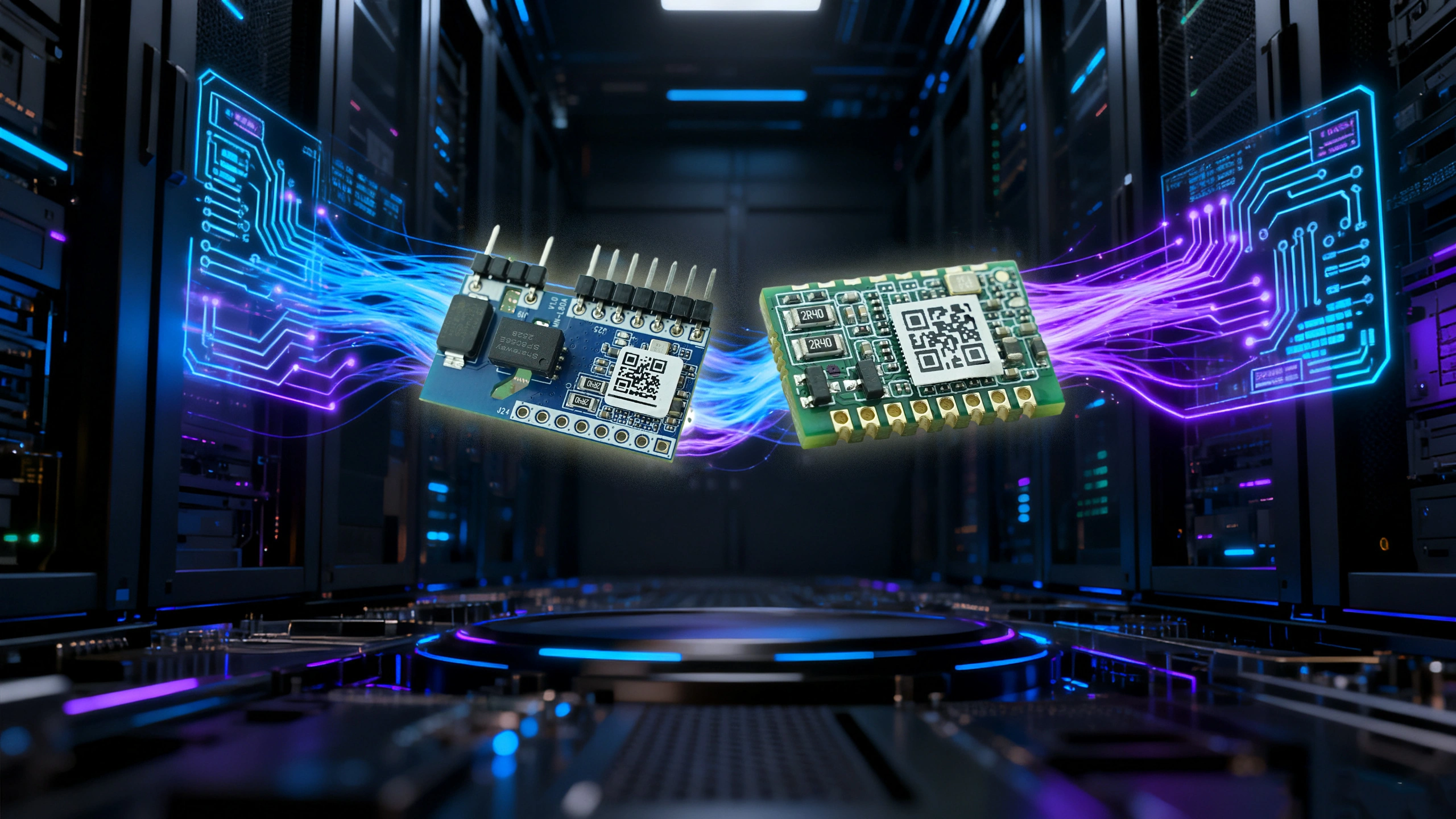
Choosing between the MN-L80CとMN-L80APLCモジュール?この包括的な比較では、MicroNatureの2つの高性能パワーライン通信(PLC)モジュールの主な違いを解説します。強力なPS0211チップセットをベースに構築された両モジュールは、スマート照明やIoTプロジェクトで優れていますが、あなたの具体的なニーズに合うのはどちらでしょうか?このガイドは、あなたが情報に基づいた選択をするのに役立ちます。
一目で見る:MN-L80C対MN-L80A
詳細に入る前に、まず2つのモジュールの概要を簡単にご紹介します。
| 特徴 | MN-L80C | MN-L80A |
|---|---|---|
| コアチップセット | PS0211 | PS0211 |
| プロセッサ | ARM Cortex-M3 | ARM Cortex-M3 |
| PCBサイズ(LWH) | 20.00mm * 11.00mm * 2.4mm | 33.0mm * 18.0mm * 5.8mm |
| 主要なインターフェース | UART、PWM、GPIO、ADC、I2C | UART、PWM、GPIO、ADC、SPI、I2C |
| ターゲットアプリケーション | スペース制約のある超コンパクト設計 | 機能豊富で柔軟性の高いアプリケーション |
| 典型的なユースケース | スマートホームデバイス、IoT端末 | 街路灯、ゲートウェイ、複雑なIoTシステム |
両モジュールともサポート IEEE P1901.1規格OFDM/FSK変調、高速な自動ネットワーク(10秒で200ノード)を特徴としています。.
詳細な機能比較
1.物理的なサイズと形状
両モジュールの最も重要かつ明白な違いは物理的なサイズです。
- MN-L80C: このモジュールは超コンパクト、測定はただ20.00mm x 11.00mm x 2.4mm.その小型サイズは、スマート電球やセンサー、その他の小型IoTエンドポイントなど、PCBのスペースが限られているデバイスへの組み込みに最適です.
- MN-L80A:依然としてコンパクトと記述されていますが、MN-L80Aはより大きくなります。33.0mm x 18.0mm x 5.8mm.この大きなフットプリントにより、追加の部品やインターフェースを搭載できるため、街灯コントローラーや産業用ゲートウェイのようにスペースの制約が少ないデバイスにより適しています.
2. インターフェースと拡張性
両モジュールとも堅牢なインターフェースセットを提供しますが、MN-L80Aはより柔軟性があります。
- MN-L80C: ほとんどのアプリケーションに不可欠なインターフェースを提供します。UART、PWM、GPIO、ADC、I2C.これは多くの標準的な制御および通信作業に十分です.
- MN-L80A: MN-L80Cが提供するすべての要素を含み、さらにSPI(シリアル周辺インターフェース)および外部フラッシュ記憶.SPIインターフェースにより、より幅広い高速周辺機器への接続が可能であり、外部のFLASHサポートにより複雑なファームウェアやデータログ機能が可能になります。
3. コミュニケーションとパフォーマンス
物理的な違いにもかかわらず、両モジュールはコア通信性能を同一にします。両機ともPS0211チップを搭載しており、特徴は以下の通りです:
- PHY層ピークレート: 0.507Mbps
- アプリケーション層レート: 80Kbps
- 周波数帯: 0.5-3.7MHzおよび2.5-5.7MHz(ソフトウェア設定可能)
- 変調: OFDM、BPSK、QPSK
つまり、両モジュールはFECおよびCRCによる高い信頼性、堅牢なノイズ耐性、高速ネットワーク機能を提供します.
応用シナリオ:どのモジュールがあなたのプロジェクトに合っていますか?
MN-L80Cを選ぶタイミング
選びますMN-L80Cプロジェクトが優先順位をつけるなら小型化とコスト効率大量かつスペース制約のあるデバイス用.これは以下の用途に理想的な選択肢です:
- スマートホームデバイススマートプラグ、ライトスイッチ、または個々の照明器具に統合。
- IoTエンドポイント:センサー、HVAC制御装置、ファンフィルターユニット(FFU)への埋め込み.
- 遍在するIoT端末スマートメーター、水管理システム、セキュリティ機器への導入.
- OEMメーカー基板スペースが重要な要素となる幅広いスマート製品の開発.
MN-L80Aを選ぶべき時期
選びますMN-L80Aプロジェクトが必要とする場合最大限の柔軟性と拡張性複雑で大規模な用途.以下の場合、より優れた選択肢です:
- スマート街路灯街路灯コントローラーの中核となる通信モジュールとして機能し、その追加インターフェースは様々なセンサーや周辺機器に接続可能です.
- システムゲートウェイ:PLCネットワークの中央調整者(CCO)として活動します。
- 産業用IoT(産業用IoT)高度なデータ処理のためにSPIや外部メモリを必要とする複雑な産業機器への統合.
- EV充電とエネルギー管理:広範なI/Oを必要とする高度なシステムの管理.
正しい選択をする
MN-L80CとMN-L80Aの選択は、最終的にはプロジェクトの具体的なニーズによります。
| もし必要なら... | あなたの選択は... |
|---|---|
| スペースに重要な設計のための最小モジュール | MN-L80C |
| 最大限の柔軟性を持つSPIと外部FLASH対応のモジュール | MN-L80A |
| 大量でシンプルなIoTエンドポイント向けのコスト効率の良いソリューション | MN-L80C |
| 複雑なゲートウェイとコントローラ向けの機能豊富なモジュール | MN-L80A |
MN-L80CとMN-L80Aはどちらも、堅牢で信頼性の高いPS0211プラットフォーム上で構築された卓越したPLCモジュールです.両社ともMicroNatureが知られる高性能で標準準拠の通信機能を提供しています。プロジェクトの要件、サイズ、インターフェース、用途を慎重に評価することで、目標に最も合ったモジュールを選択できます。
次のプロジェクトにMicroNatureのPLC技術を統合する準備はできていますか? 当チームにお問い合わせください今日、具体的なニーズについて話し合い、サンプルや技術文書のリクエストをいたします。