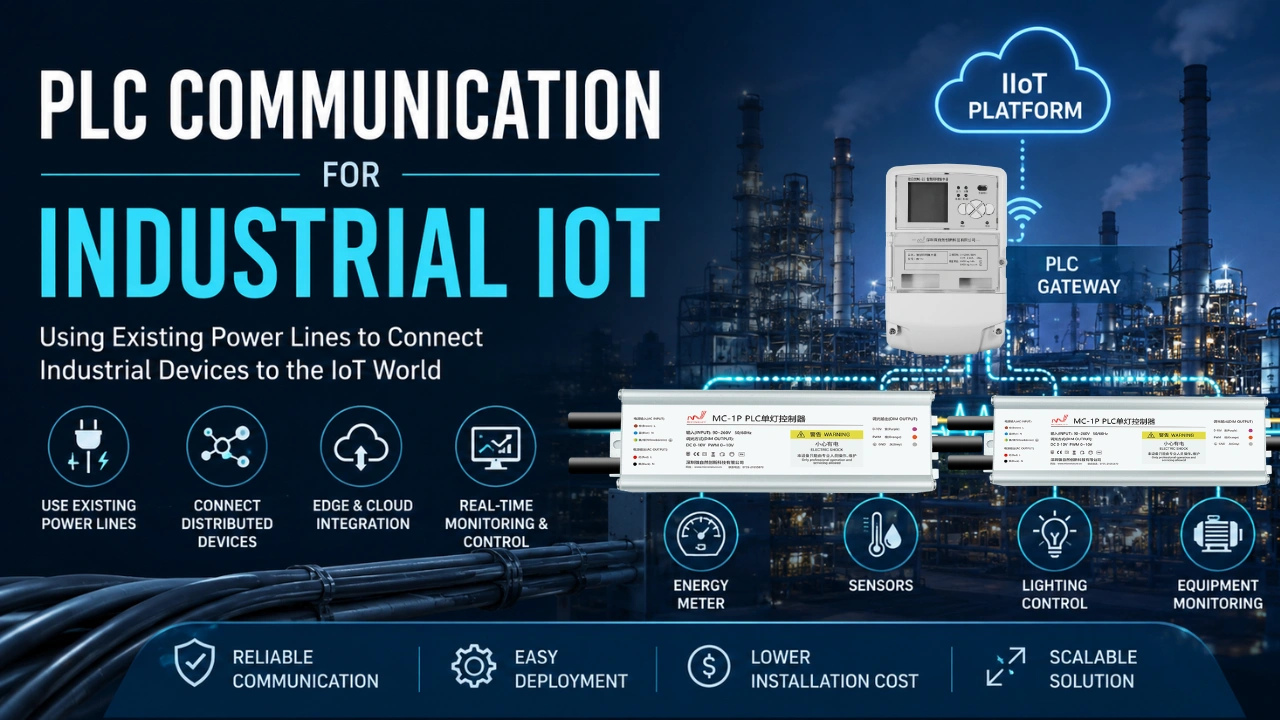
Промышленный IoT (IIoT) соединяет машины, датчики, контроллеры, счетчики и другое промышленное оборудование, чтобы данные можно было собирать, анализировать и использовать для автоматизированного принятия решений. Надёжная сеть связи — одна из важнейших частей системы IIoT.
Связь через ПЛК, или связь по линии питания, является одним из вариантов подключения промышленных устройств путем передачи данных по существующим линиям электропередачи. Это позволяет снизить необходимость дополнительных коммуникационных кабелей, а также обеспечить удалённый мониторинг, управление и передачу данных.
Для промышленных сред, где уже существует энергетическая инфраструктура, но установка новой коммуникационной проводки затруднена или дорого, ПЛК-связь может обеспечить практический слой связи для промышленных IoT-приложений.
Что такое ПЛК-коммуникация для промышленного IoT?
ПЛК-коммуникация для промышленных IoT Линии электропередачи для передачи как электрических источников, так и коммуникационных данных. Ему нужен матч Стандарты IEEE 1901 года при использовании в городских проектах.
Вместо установки отдельного кабеля связи между устройствами, устройство с поддержкой ПЛК может использовать существующую электрическую сеть как путь связи.
Типичная система IIoT ПЛК может включать:
- Коммуникационные модули ПЛК
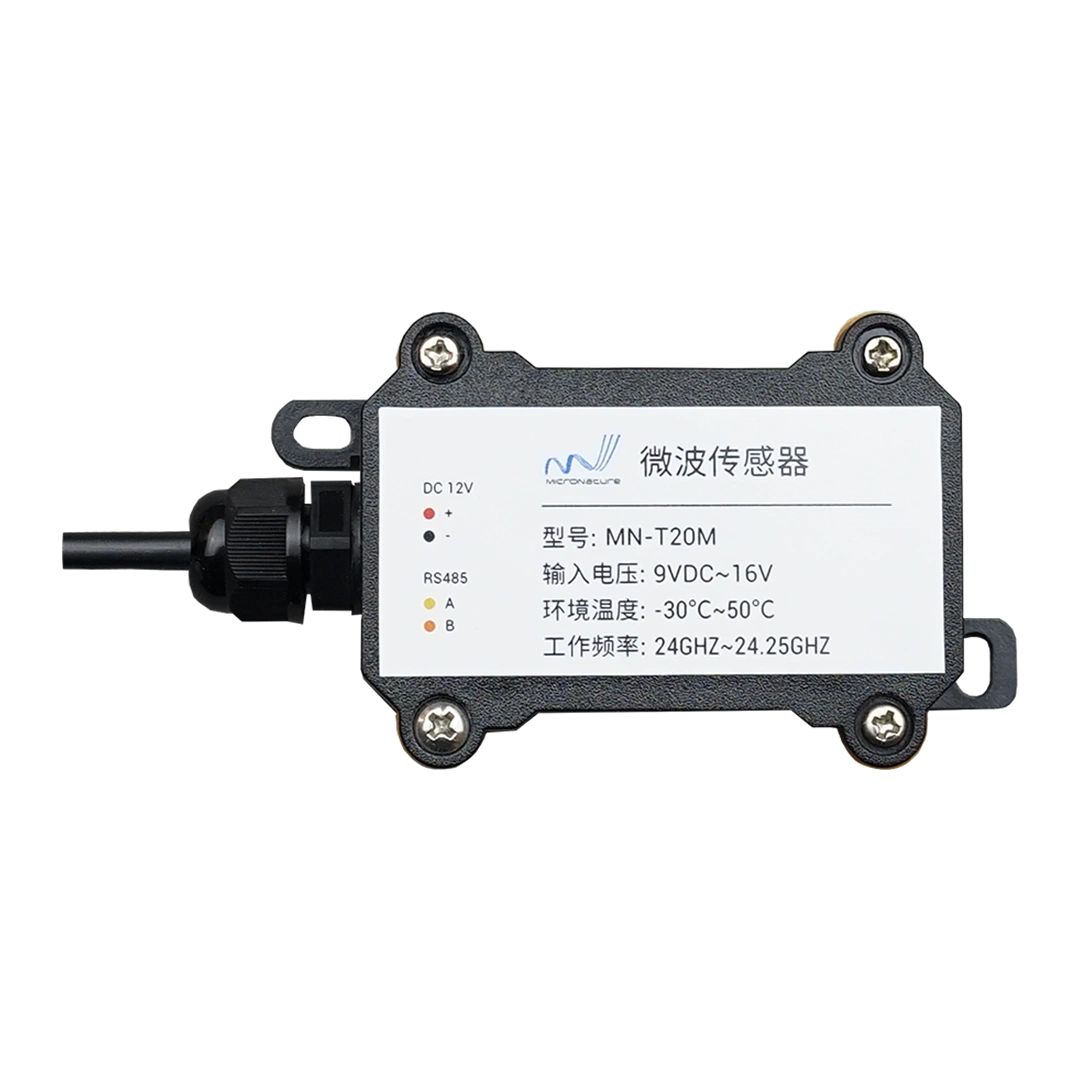
- Промышленные датчики
- Контроллеры PLC
- Умные счетчики
- Приводы
- Контроллеры освещения
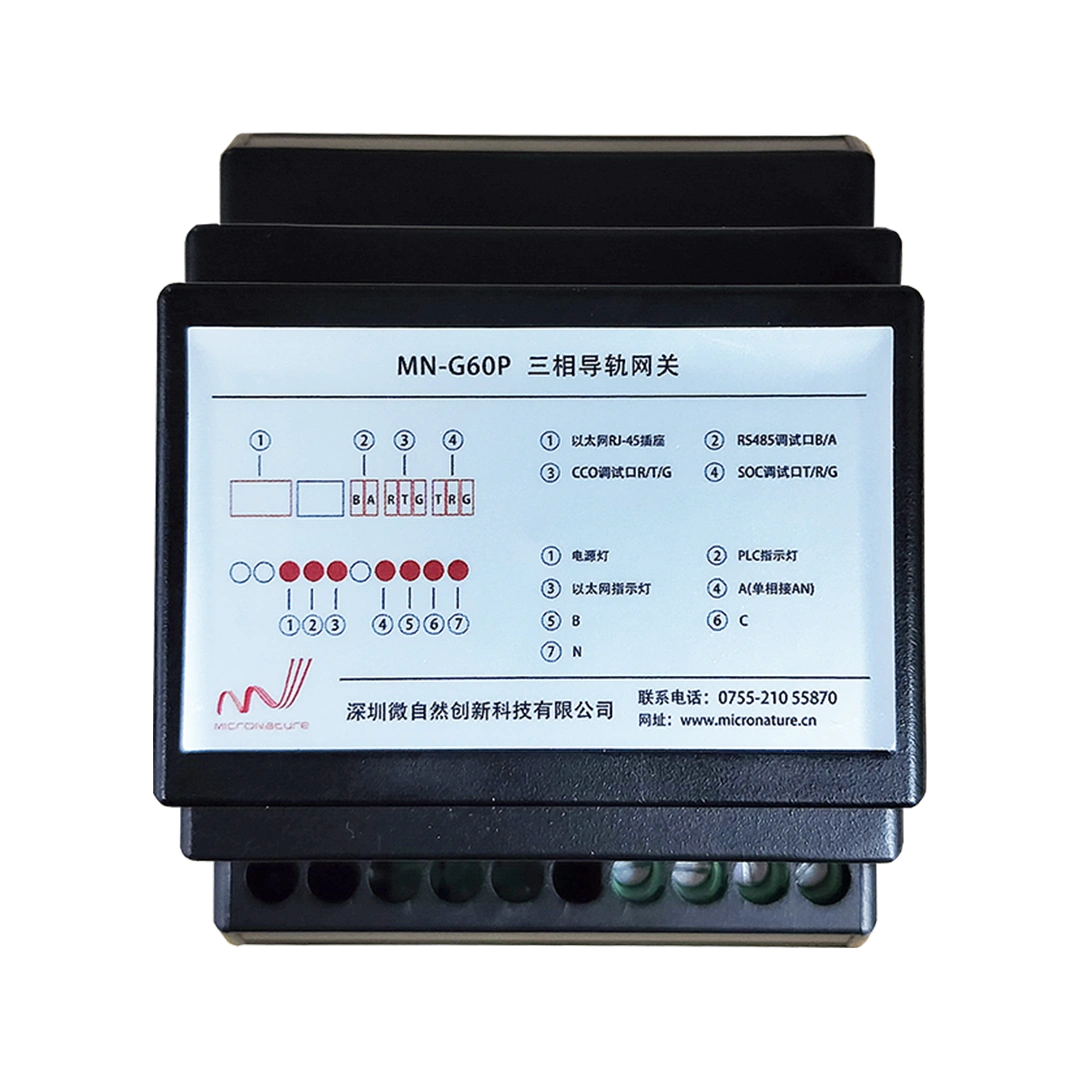
- Шлюзы PLC
- Промышленные компьютеры
- Edge-шлюзы
- Облачные платформы
- Программное обеспечение для мониторинга и управления
Основной процесс коммуникации следующий:
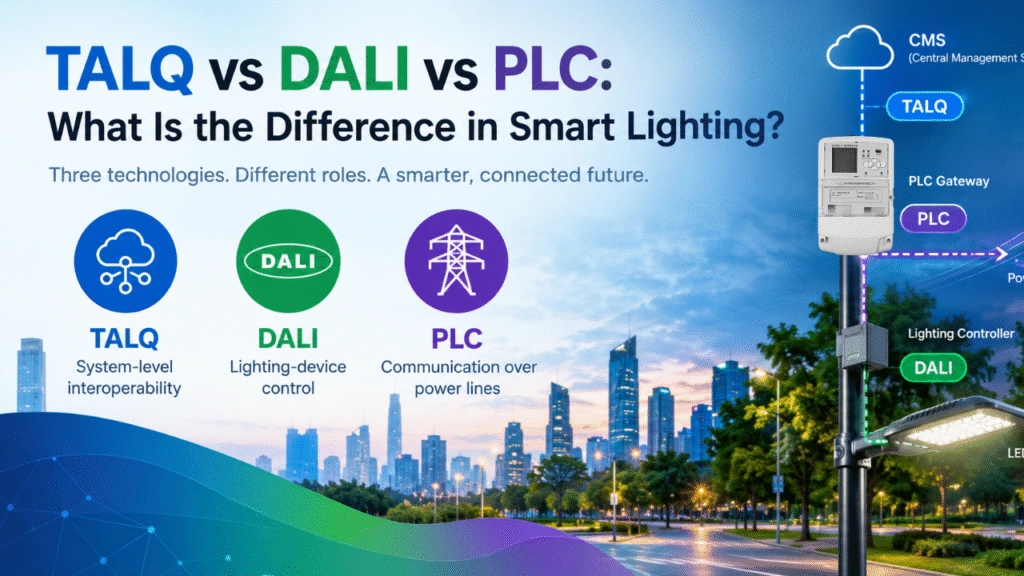
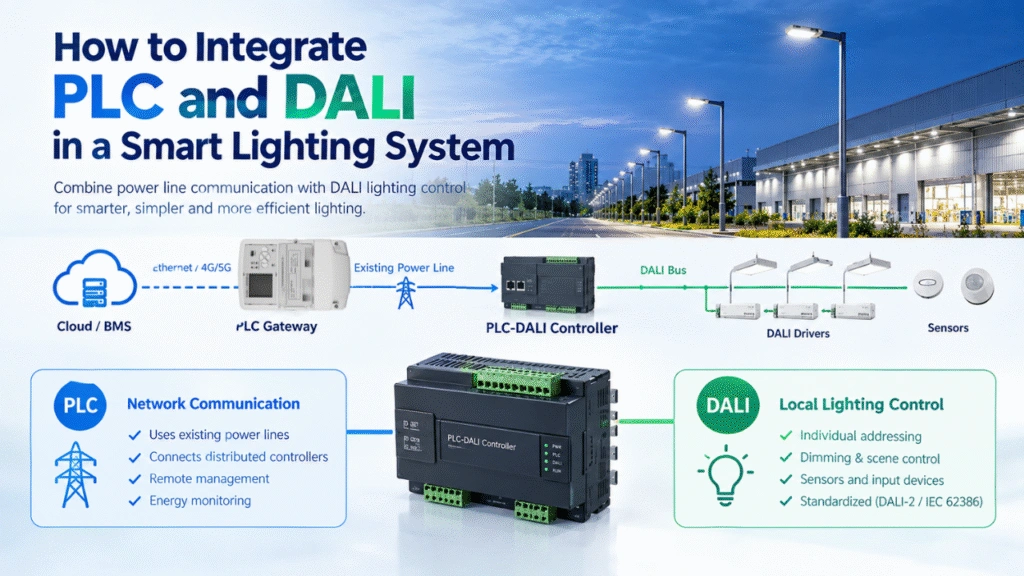
Модуль промышленных устройств → ПЛК → шлюз Power Line → PLC → Ethernet/4G/5G → облачной или IIoT-платформе
Эта архитектура позволяет половым устройствам взаимодействовать с промышленной системой управления верхним уровнем без необходимости отдельной проводной сети связи.
Как работает PLC-коммуникация в промышленном IoT?
Связь через ПЛК работает путём модулирования цифровых данных на электрическую линию электропередачи.
Модуль связи PLC подключается к электросети и обменивается данными с другими устройствами с поддержкой PLC. В зависимости от технологии ПЛК и сетевого дизайна, устройства могут взаимодействовать через точечные, многоузловые или сетевые архитектуры, похожие на mesh.
Упрощённая архитектура связи IIoT выглядит так:
Датчики и промышленные устройства
↓
Коммуникационные модули ПЛК
↓
Промышленная энергетическая сеть
↓
Шлюз PLC / Концентратор данных
↓
Ethernet / 4G / 5G
↓
Edge-вычисления / облачная платформа
↓
Промышленное применение IoT
Уровень PLC обеспечивает связь между половыми устройствами, а шлюз обеспечивает интерфейс между локальной сетью PLC и IP-сетью или облачной платформой.
Это разделение позволяет подключать относительно простые полевые устройства к современным IIoT-платформам.
Почему использовать ПЛК-коммуникацию для промышленного IoT?
Одно из главных преимуществ ПЛК-коммуникаций — возможность использовать уже существующую инфраструктуру.
Во многих промышленных предприятиях электрические кабели уже соединяют машины, осветительное оборудование, шкафы управления, счетчики и другие устройства. Установка второй коммуникационной сети может потребовать дополнительных кабелей, трубопроводов, труда и времени на установку.
Связь ПЛК может использовать существующую электрическую инфраструктуру как часть коммуникационной сети.
1. Использует существующие линии электропередач
Основное преимущество связи через ПЛК заключается в том, что данные о связи могут передаваться по существующим линиям электропередач.
Это особенно полезно в:
- Фабрики
- Склады
- Порты
- Верфи
- Электростанции
- Промышленные парки
- Крупные коммерческие объекты
- Муниципальная инфраструктура
- Открытые промышленные среды
Когда установка коммуникационных проводов затруднена, ПЛК может предоставить другой способ подключения распределённых устройств.
2. Уменьшает дополнительные коммуникационные проводки
Традиционные промышленные коммуникационные сети могут требовать выделенных кабелей Ethernet, RS-485, оптоволокна или других коммуникационных кабелей.
ПЛК не устраняет необходимость во всей коммуникационной инфраструктуре, но может уменьшить объём выделенной коммуникационной проводки на уровне полевого устройства.
Это может упростить развертывание в крупных или распределённых объектах.
3. Подходит для распределённых устройств
Промышленный IoT часто включает большое количество устройств, распределённых на большой физической территории.
Примеры включают:
- Измерители энергии
- Датчики температуры
- Мониторы оборудования
- Контроллеры освещения
- Контроллеры насосов
- Устройства мониторинга, связанные с моторами
- Датчики окружающей среды
- Промышленные приводы
Связь через ПЛК может обеспечивать уровень связи между распределёнными устройствами и централизованным шлюзом.
4. Обеспечивает удалённый мониторинг и управление
После подключения ПЛК-устройств к IIoT-шлюзу их данные могут быть переданы на периферийную или облачную платформу.
Это позволяет выполнять такие функции, как:
- Мониторинг в реальном времени
- Удалённое управление устройствами
- Мониторинг энергии
- Мониторинг состояния оборудования
- Отчётность тревог
- Обнаружение неисправностей
- Логирование данных
- Расписание
- Приложения предиктивного обслуживания
Таким образом, сеть ПЛК становится чем-то большим, чем просто локальной коммуникационной сетью. Он может стать частью полной промышленной архитектуры IoT.
5. Работает с существующими промышленными сетями
ПЛК не обязательно заменяет технологии Ethernet, 4G, 5G, RS-485 или другие коммуникационные технологии.
Вместо этого он может работать как Уровень-коммуникационный слой поля, в то время как другие технологии обеспечивают связь через обратную связь.
Например:
ПЛК → Ethernet → промышленный сервер
или:
PLC → 4G/5G Gateway → облачная платформа
Такая гибридная архитектура может сделать ПЛК подходящим для внедрения IIoT, где полевые устройства и облачные системы имеют разные требования к коммуникации.
Коммуникация PLC против традиционной промышленной коммуникации
Правильная технология связи зависит от конкретного применения.
| Технологии связи | Типичная прочность | Распространённое применение |
|---|---|---|
| PLC | Использует существующие линии электропередачи | Распределённые промышленные устройства |
| Ethernet | Высокая пропускная способность и IP-подключение | Промышленные сети, контроллеры, серверы |
| RS-485 | Простая и надёжная проводная связь | Датчики, счётчики, контроллеры |
| Волоконно-оптическое | Иммунитет на расстоянии и сильный иммунитет к ЭМП | Промышленные магистральные сети |
| Wi-Fi | Беспроводное подключение | Мобильные или гибкие устройства |
| 4G/5G | Широкомасштабная беспроводная связь | Удалённые объекты и шлюзы |
ПЛК особенно интересен, когда Энергетическая инфраструктура уже доступна, но установить специализированные коммуникационные кабели сложно.
Например, промышленная система освещения может уже иметь электрические кабели, проходящие по всему складу. Связь ПЛК может использовать эти линии электропередачи для подключения контроллеров освещения и датчиков, а шлюз соединяет локальную сеть с облачной платформой.
Архитектура связи ПЛК для IIoT
Практическая промышленная сеть IoT PLC может быть разделена на четыре уровня.
Слой 1: Полевые устройства
Полевой слой содержит датчики, контроллеры, счётчики, приводы и другие устройства.
Примеры включают:
- Контроллеры света
- Датчики температуры
- Измерители энергии
- Датчики движения
- Датчики оборудования
- Промышленные переключатели
- Приводы
Модуль связи ПЛК может быть интегрирован напрямую в эти устройства.
Уровень 2: Сеть связи ПЛК
Сеть ПЛК обеспечивает связь через электрическую инфраструктуру.
Устройства с поддержкой ПЛК обмениваются информацией через линии электропередачи и формируют локальную коммуникационную сеть.
Дизайн этого слоя зависит от:
- Топология линии электропередачи
- Длина троса
- Электрические нагрузки
- Уровень шума
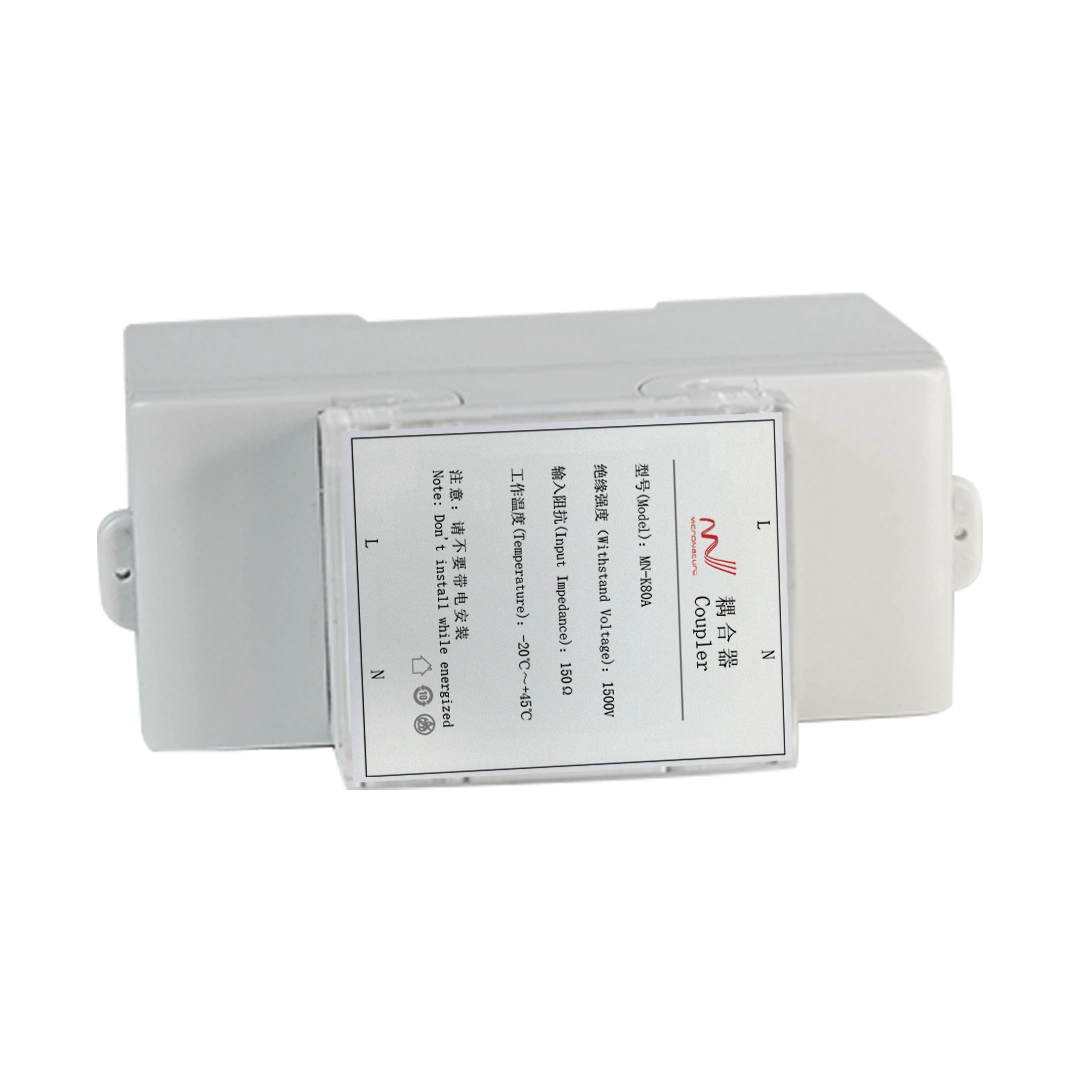
- Метод сцепления
- Технология модуляции ПЛК
- Плотность сети
- Протокол связи
Уровень 3: Шлюз PLC
Шлюз PLC является мостом между локальной сетью PLC и сетью верхнего уровня.
Шлюз может поддерживать такие интерфейсы, как:
- Ethernet
- 4G
- 5G
- RS-485
- Wi-Fi
- Другие промышленные коммуникационные интерфейсы
Шлюз может собирать данные с нескольких ПЛК-устройств и отправлять их на периферийный компьютер, сервер или облачную платформу.
Уровень 4: Платформа IIoT
Верхний уровень обеспечивает визуализацию данных, управление устройствами, аналитику и автоматизацию.
Типичные функции включают:
- Мониторинг панелей управления
- Управление энергией
- Конфигурация устройства
- Дистанционное управление
- Управление сигнализациями
- Исторический анализ данных
- Обнаружение неисправностей
- Интеграция с API
- Облачное управление устройствами
Эта многоуровневая архитектура позволяет сети связи ПЛК интегрироваться с более крупными промышленными системами IoT.
Распространённые промышленные IoT-приложения ПЛК-коммуникации
Коммуникация через ПЛК может применяться во многих промышленных сценариях.
Smart Factory
В умных фабриках ПЛК-связь может подключать распределённые датчики и устройства к платформе IIoT.
Возможные применения включают:
- Мониторинг оборудования
- Мониторинг энергии
- Экологический мониторинг
- Сбор состояния машины
- Управление освещением в производственной зоне
- Удалённое управление устройствами
Сеть ПЛК может обеспечивать коммуникационный путь между полевым оборудованием и промышленным шлюзом.
Промышленное освещение
Промышленное освещение особенно подходит для связи через ПЛК, поскольку осветительные устройства уже требуют электрического питания.
Система освещения с поддержкой ПЛК может объединять:
Власть + Связь + Управление
на той же электрической инфраструктуре.
Это может позволить:
- Дистанционное управление освещением
- Управление индивидуальной лампой
- Групповое управление
- Затемнение
- Расписание
- Мониторинг энергии
- Обнаружение неисправностей
- Контроль на основе заселения
- Централизованное управление
Для крупных складов, фабрик, портов и промышленных объектов такая архитектура может снизить сложность установки отдельной коммуникационной сети.
Склады
Крупные склады могут содержать сотни или тысячи светильников, разбросанных на большой площади.
Связь ПЛК может подключать контроллеры освещения через существующие линии электропередачи.
В сочетании с датчиками система может поддерживать:
- Освещение, основанное на заселении,
- Контроль зон
- Автоматическое затемнение
- Мониторинг энергии
- Удалённое обнаружение неисправностей
Это превращает традиционную световую сеть в промышленную систему освещения с поддержкой IoT.
Порты и верфи
Порты и верфи часто содержат большие открытые площадки с широко распределённой электрической инфраструктурой.
Проводка связи может быть сложной для установки и обслуживания в таких условиях.
Связь с ПЛК может использоваться для таких приложений, как:
- Освещение на высоких мачтах
- Освещение двора
- Мониторинг энергии
- Мониторинг оборудования
- Дистанционное управление освещением
PLC-шлюз может собирать полевые данные и передавать их через сети Ethernet или сотовую связь на централизованную платформу управления.
Электростанции и промышленные энергетические системы
Электростанции и другие энергоёмкие объекты требуют тщательного мониторинга оборудования и энергопотребления.
Связь ПЛК может предоставить дополнительный вариант связи для распределённых мониторинговых устройств.
Возможные применения включают:
- Мониторинг энергии
- Мониторинг электрического оборудования
- Окружающая среда
- Промышленное освещение
- Удалённый сбор статуса
Уровень связи ПЛК затем может подключаться к платформе IIoT для визуализации и анализа.
Умные индустриальные парки
Промышленные парки могут содержать несколько зданий, дорог, системы освещения, счетчики энергии и другую распределённую инфраструктуру.
Связь ПЛК может помочь соединить эти распределённые устройства с использованием существующей электрической инфраструктуры.
Централизованная платформа может предоставлять:
- Управление освещением
- Управление энергией
- Мониторинг оборудования
- Управление сигнализациями
- Удалённое обслуживание
Проблемы коммуникации PLC в промышленном IoT
Хотя связь с ПЛК обладает важными преимуществами, она подходит не для всех промышленных условий.
Электрический шум
Промышленная среда может содержать значительные электромагнитные помехи от:
- Моторы
- Приводы с переменной частотой
- Инверторы
- Коммутируемые источники питания
- Сварочное оборудование
- Промышленное оборудование
Эти устройства могут влиять на производительность коммуникации.
Поэтому при проектировании сетей ПЛК следует учитывать характеристики электрической среды.
Топология линии электропередачи
Физическая электрическая топология может существенно влиять на коммуникацию ПЛК.
Инженеры должны оценивать:
- Длина троса
- Филиалы
- Трансформеры
- Автоматические выключатели
- Распределительные шкафы
- Фазные соединения
- Различные силовые цепи
Путь связи должен быть протестирован в реальных условиях работы.
Разные электрические цепи
Сигнал ПЛК может не проходить автоматически через все электрические компоненты.
Например, трансформаторы, фильтры, изоляционные устройства и определённые типы силового оборудования могут влиять на передачу сигнала.
Поэтому планирование сети ПЛК должно проводиться совместно с анализом электрических систем.
Надёжность связи
Промышленные приложения IoT могут требовать надёжной связи для мониторинга и управления.
Надёжная реализация ПЛК должна учитывать:
- Качество сигнала
- Потеря пакетов
- Топология сети
- Повторная трансляция
- Обнаружение ошибок
- Управление сетью
- Подавление электромагнитных веществ
- Плотность устройства
В сложных условиях связь с ПЛК должна проверяться в реальных условиях, а не полагаться только на лабораторные испытания.
Как повысить надёжность связи PLC
Несколько методов проектирования могут повысить производительность сети ПЛК.
1. Анализ электрической среды
Перед развертыванием сети ПЛК определите основные источники шума и электрическое оборудование.
Особое внимание обратите на:
- Моторы
- Инверторы
- Коммутационные устройства
- Мощные нагрузки
- Преобразователи мощности
2. Проверьте качество сигнала PLC
Измеряйте эффективность связи в репрезентативных точках электрической сети.
Тестирование должно включать различные условия работы, поскольку электрический шум может изменяться при запуске или останавливании промышленного оборудования.
3. Используйте соответствующую EMI-фильтрацию
В некоторых случаях электромагнитные фильтры или компоненты для изолирования сигнала могут помочь снизить нежелательные помехи.
Однако фильтрация должна быть тщательно спроектирована, поскольку неправильный фильтр может также ослабить сигнал связи ПЛК.
4. Тщательно спроектируйте расположение шлюза
Шлюз PLC должен быть установлен так, чтобы он мог эффективно взаимодействовать с предполагаемой сетью PLC.
Для крупных установок может потребоваться несколько шлюзов в зависимости от:
- Размер сети
- Электрическая топология
- Расстояние связи
- Количество устройства
- Качество сигнала
5. Рассмотрите масштабируемость сети
Промышленные IoT-системы часто развиваются со временем.
Сеть, которая изначально содержит 50 устройств, со временем может содержать сотни или тысячи устройств.
Поэтому планирование сети ПЛК должно учитывать:
- Максимальное количество устройств
- Управление адресами
- Коммуникационный трафик
- Пропускная способность шлюза
- Сегментация сети
- Будущее расширение
Протоколы связи и модуляция ПЛК
Технология ПЛК — это не единый протокол.
Различные решения ПЛК могут использовать различные технологии физического уровня, методы модуляции, частотные диапазоны и стандарты связи.
Например, технологии ПЛК могут использовать:
- OFDM
- FSK
- Узкополосный ПЛК
- Широкополосный ПЛК
Подходящая технология зависит от требуемого расстояния связи, скорости передачи данных, шумовой среды, распределения частот и требований применения.
Для промышленных IoT-приложений инженерам следует оценивать весь коммуникационный стек, а не выбирать ПЛК-технологию только по пиковой скорости передачи.
Важные параметры включают:
- Скорость передачи данных
- Расстояние связи
- Задержка
- Надёжность
- Пропускная способность сети
- Производительность EMI
- Плотность устройства
- Безопасность
- Совместимость
ПЛК Коммуникация и Edge Computing
Коммуникация через ПЛК особенно хорошо работает с edge-computing.
Вместо того чтобы отправлять каждое необработаемое сообщение на уровне поля напрямую в облако, edge-шлюз может обрабатывать информацию локально.
Например:
Устройства PLC → шлюз PLC → периферийной обработке → облачной платформе
Крайний слой может выполнять:
- Агрегация данных
- Фильтрация
- Местные сигналы тревоги
- Преобразование протокола
- Управление устройством
- Локальная аналитика
Это может сократить ненужный облачный трафик и улучшить время отклика для некоторых промышленных приложений.
Коммуникационные платформы PLC и облачные платформы IoT
ПЛК-сеть также может стать полевым уровнем облачной IIoT-системы.
Типичная архитектура такова:
Датчики / Контроллеры
↓
Сеть PLC
↓
PLC Gateway
↓
Ethernet / 4G / 5G
↓
Облачная платформа
↓
Дашборд / API / Приложения
Облачная платформа может обеспечивать централизованное управление устройствами, распределёнными на нескольких фабриках, складах, промышленных парках или на открытых площадках.
Это особенно полезно для компаний, управляющих несколькими удалёными объектами.
Подходит ли PLC-коммуникация для промышленного IoT?
Коммуникация ПЛК может быть хорошим выбором для промышленного IoT, когда:
- Имеются существующие линии электропередач.
- Устройства распределяются по большому объекту.
- Установить дополнительные коммуникационные кабели сложно.
- Для приложения требуется умеренная пропускная способность связи.
- Электрическую среду можно правильно проанализировать.
- Шлюз может подключать ПЛК-сеть к Ethernet или сотовой сети.
- Системе необходим централизованный мониторинг и контроль.
ПЛК может быть менее подходящим, когда требуется очень высокая полоса пропускания, очень низкая детерминированная задержка или сильная электрическая изоляция. В таких случаях более подходящими могут быть Ethernet, оптоволокно или другая коммуникационная технология.
Лучшая архитектура IIoT может также объединять несколько технологий, а не полагаться на один способ связи.
ПЛК против беспроводной связи для промышленного IoT
ПЛК и беспроводная связь решают разные проблемы.
Беспроводная связь может упростить установку там, где прокладка кабелей затруднена, но промышленные условия могут содержать металлические конструкции, электромагнитные помехи, препятствия и другие условия, влияющие на беспроводные сигналы.
PLC, напротив, использует существующую электрическую инфраструктуру.
Практический процесс отбора должен учитывать:
- Питание уже доступно на месте устройства?
- Сложно ли установить новый коммуникационный кабель?
- Подходит ли электросеть для ПЛК?
- Какое расстояние общения требуется?
- Сколько устройств нужно для общения?
- Какая скорость передачи данных требуется?
- Какой уровень надёжности требуется?
- Подходит ли среда для беспроводной связи?
Ответ на эти вопросы определяет, наилучшим решением является ПЛК, беспроводная связь, Ethernet или гибридная архитектура.
Как спроектировать ПЛК-сеть для промышленного IoT
Надёжная сеть PLC IIoT должна проектироваться систематически.
Шаг 1: Определите приложение
Определите, что система должна контролировать или контролировать.
Примеры включают:
- Освещение
- Энергия
- Температура
- Состояние оборудования
- Условия окружающей среды
- Промышленные процессы
Шаг 2: Картографирование электрической сети
Документ:
- Распределение электроэнергии
- Электрические щиты
- Кабельные маршруты
- Ответвления
- Трансформеры
- Основные нагрузки
Эта информация важна для определения потенциального пути связи ПЛК.
Шаг 3: Определите количество устройства
Рассчитайте количество устройств с поддержкой ПЛК и оцените дальнейшее расширение.
Шаг 4: Выберите PLC Communication Technology
Оценить:
- Частота
- Модуляция
- Скорость передачи данных
- Расстояние
- Пропускная способность сети
- Шумостойкость
- Совместимость протоколов
Шаг 5: Спланировать шлюз PLC
Определите, где должен быть установлен шлюз PLC и какой интерфейс для обратной связи необходим.
Шаг 6: Проверьте сеть
Проводите полевые испытания при реальных электрических нагрузках.
Шаг 7: Подключитесь к платформе IIoT
Интегрируйте PLC-шлюз с необходимой edge, облачной, SCADA или корпоративной платформой.
Шаг 8: Мониторинг состояния сети
После развертывания контролируйте:
- Качество связи
- Статус устройства в сети
- Потеря пакетов
- Недостатки
- Энергопотребление
- Производительность сети
Это позволяет выявлять проблемы до того, как они затрагивают всю систему.
Коммуникация PLC для промышленного IoT: ключевые выводы
PLC-коммуникация предоставляет практический способ подключения распределённых промышленных IoT-устройств через существующую электрическую инфраструктуру.
Основные его преимущества включают:
- Использование существующих линий электропередачи для связи
- Уменьшение дополнительной проводки полевой связи
- Поддержка распределённых устройств
- Подключение полевого оборудования к шлюзам ПЛК
- Поддержка Ethernet, 4G и 5G backhaul
- Возможность удалённого мониторинга и управления
- Интеграция с edge- и облачными платформами
- Поддерживающие приложения, такие как промышленное освещение, энергетический мониторинг, склады, порты и промышленные объекты
Однако успешное внедрение ПЛК требует тщательного учета электрической топологии, электромагнитных потоков, качества сигнала, пропускной способности сети и требований к применению.
Для промышленных IoT-приложений, где устройства уже подключены к электрической инфраструктуре, связь с ПЛК может обеспечить эффективный уровень связи на уровне поля между физическим оборудованием и современными IoT-платформами.