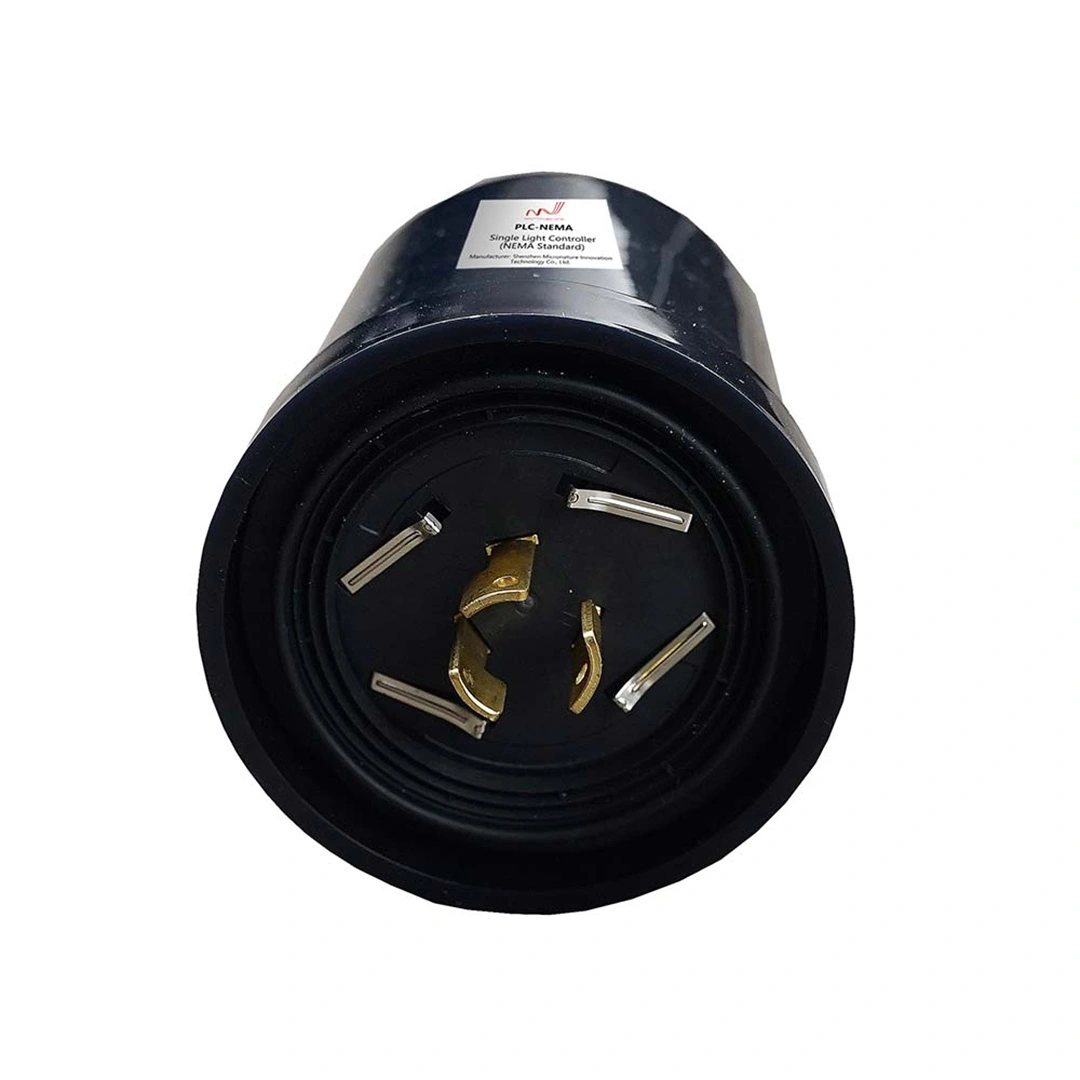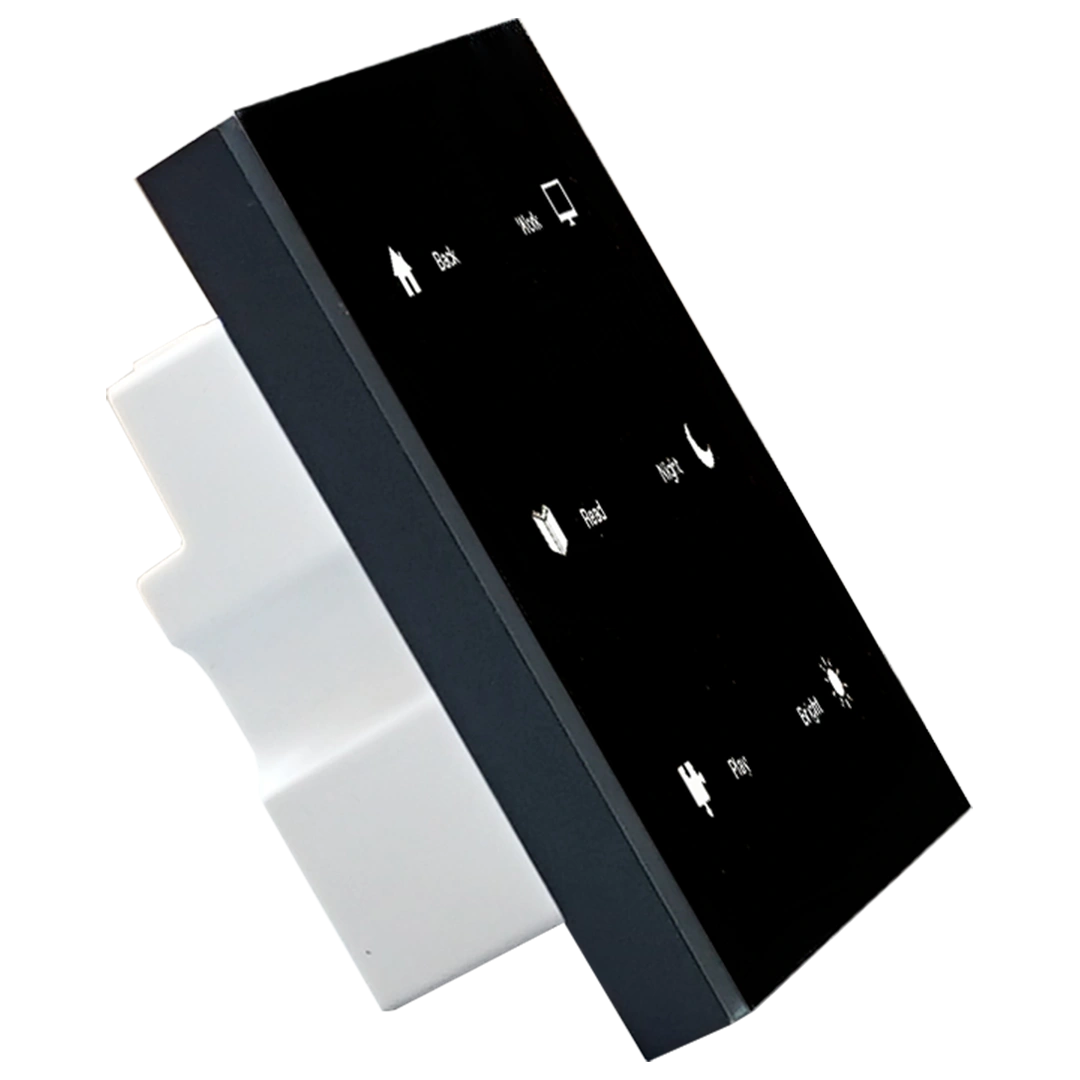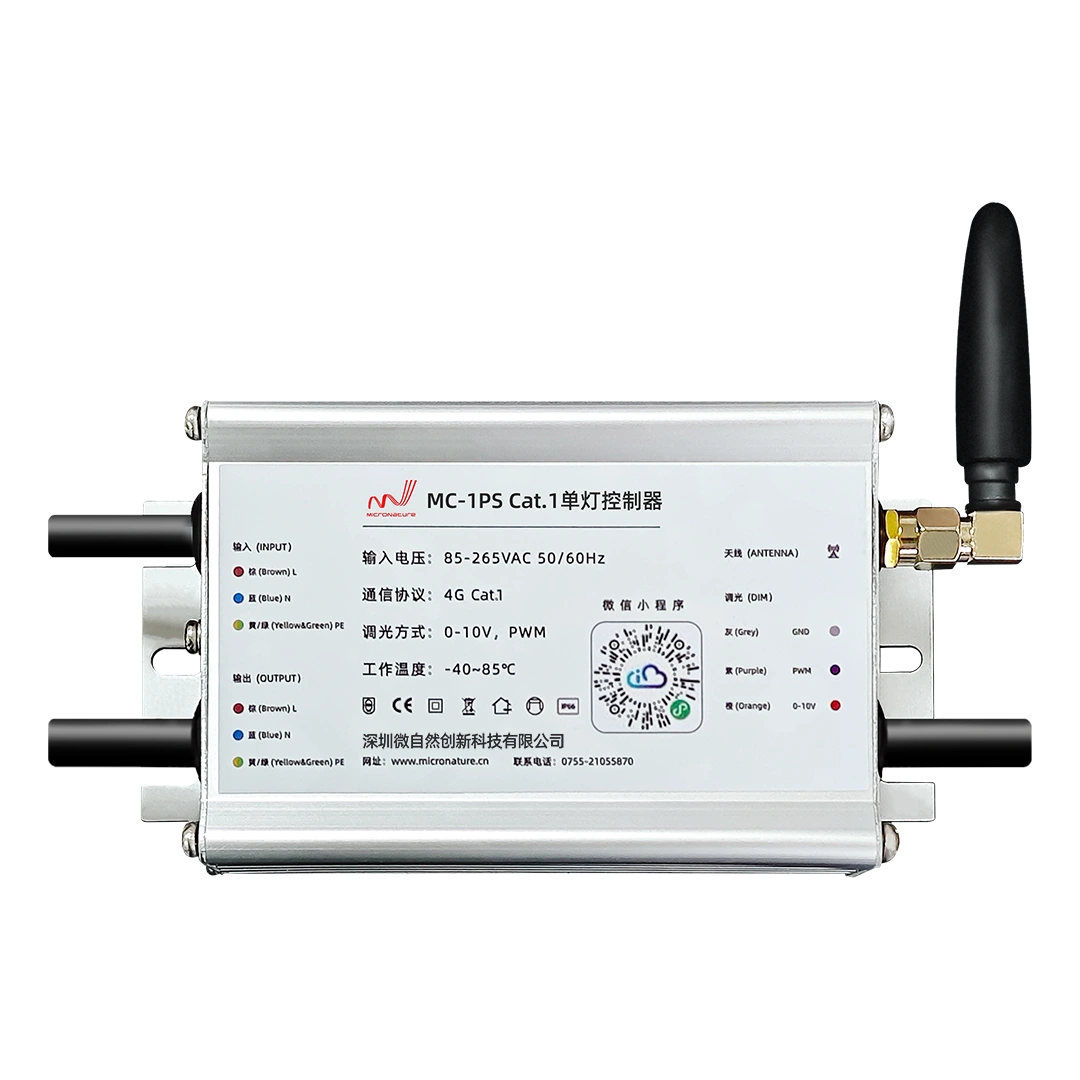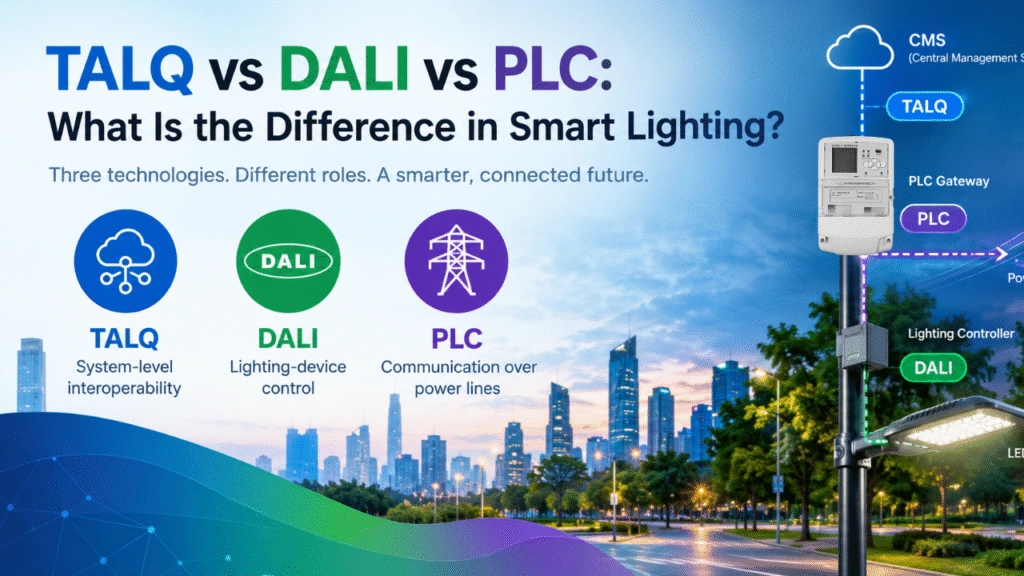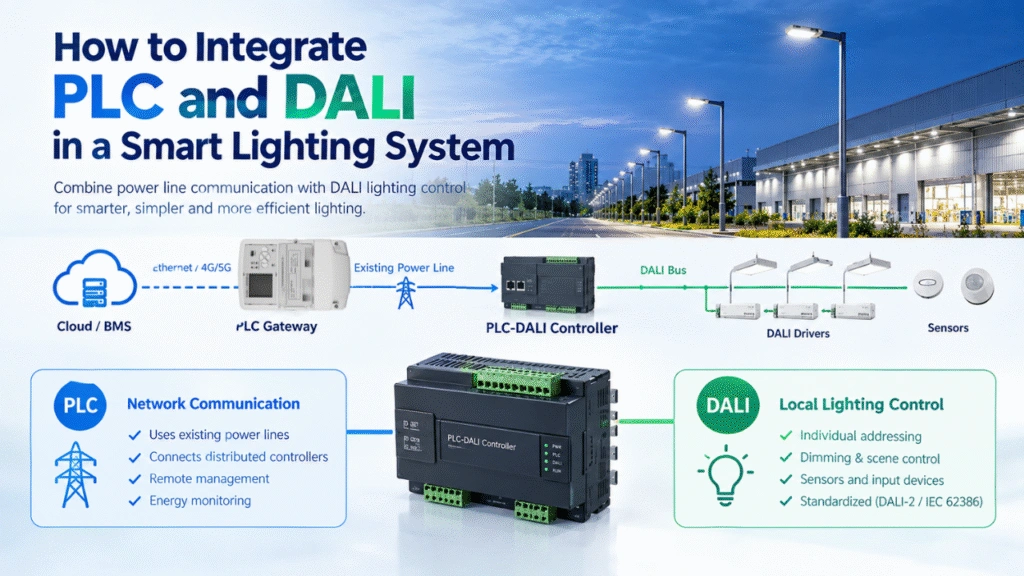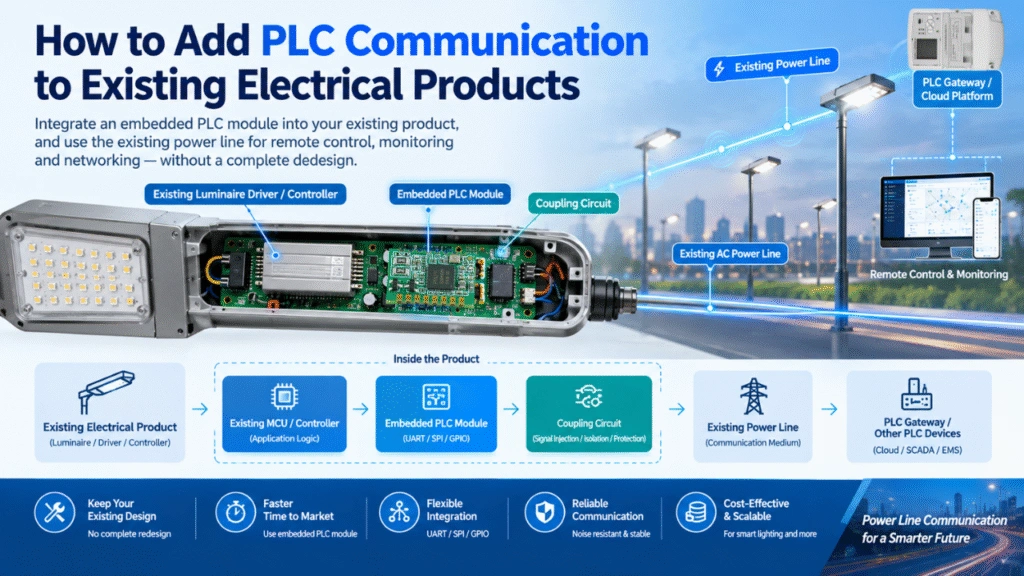
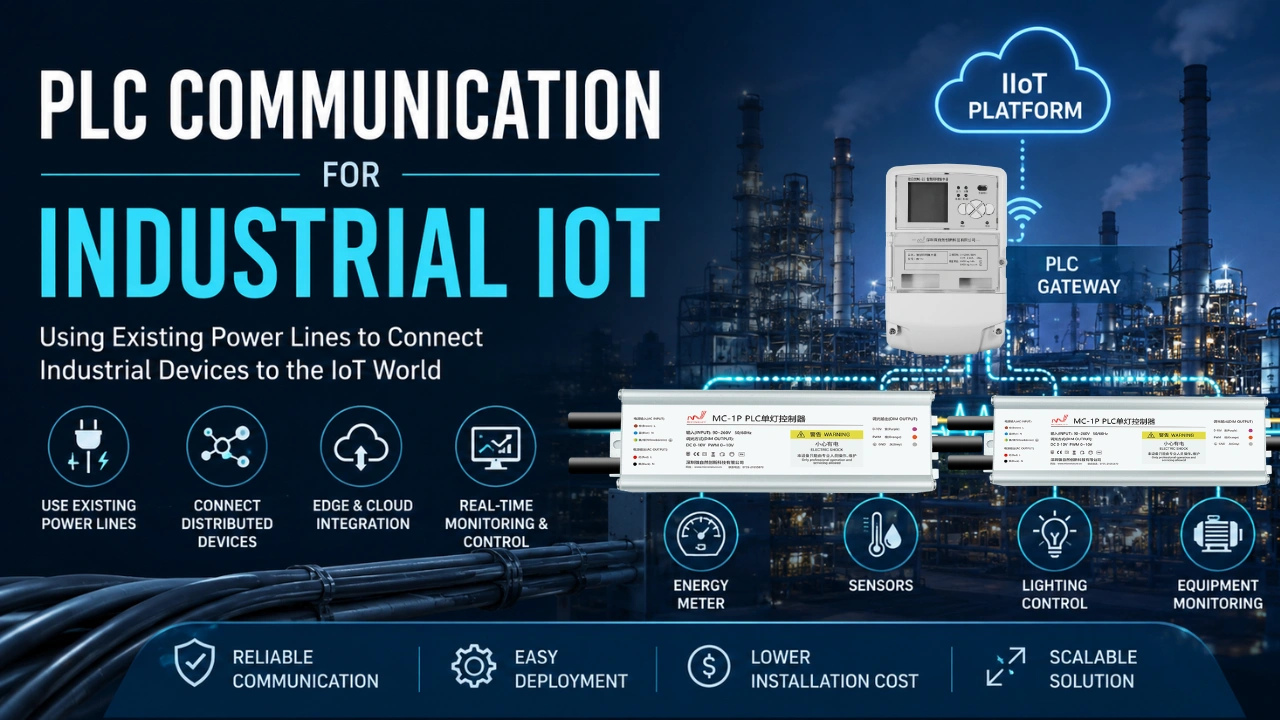
يربط إنترنت الأشياء الصناعية (IIoT) الآلات وأجهزة الاستشعار ووحدات التحكم والعدادات وغيرها من المعدات الصناعية بحيث يمكن جمع البيانات وتحليلها واستخدامها لاتخاذ القرارات الآلي. شبكة الاتصالات الموثوقة هي واحدة من أهم أجزاء نظام إنترنت الإنترال.
اتصالات PLC، أو اتصالات خطوط الطاقة، هو أحد الخيارات لتوصيل الأجهزة الصناعية عن طريق نقل البيانات عبر خطوط الطاقة الكهربائية القائمة. يمكن أن يقلل ذلك من الحاجة إلى كابلات اتصال إضافية مع تمكين المراقبة عن بعد، والتحكم، ونقل البيانات.
بالنسبة للبيئات الصناعية التي توجد فيها بنية تحتية للطاقة بالفعل لكن تركيب أسلاك اتصالات جديدة صعب أو مكلف، يمكن أن يوفر الاتصال عبر PLC طبقة اتصال عملية لتطبيقات إنترنت الأشياء الصناعية.
ما هو الاتصال عبر PLC لإنترنت الأشياء الصناعية؟
الاتصال بنظام PLC لاستخدامات إنترنت الأشياء الصناعية خطوط الطاقة لنقل بيانات الطاقة الكهربائية والاتصالات. يحتاج إلى تطابق معايير IEEE 1901 أثناء استخدامه في المشاريع الحضرية.
بدلا من تركيب كابل اتصال منفصل بين كل جهاز، يمكن للجهاز المزود بنظام PLC استخدام الشبكة الكهربائية الحالية كمسار اتصال.
قد يشمل نظام PLC النموذجي IIoT:
- وحدات الاتصال PLC
- أجهزة الاستشعار الصناعية
- وحدات تحكم PLC
- العدادات الذكية
- المحركات
- وحدات التحكم في الإضاءة
- بوابات PLC
- الحواسيب الصناعية
- بوابات الحافة
- منصات السحابة
- برامج المراقبة والإدارة
عملية التواصل الأساسية هي:
وحدة الأجهزة الصناعية → وحدة PLC → خط الطاقة → بوابة PLC → إيثرنت/4G/5G → منصة سحابية أو IIoT
تسمح هذه البنية للأجهزة الميدانية بالتواصل مع نظام إدارة صناعي على مستوى أعلى دون الحاجة إلى شبكة اتصالات سلكية منفصلة تماما.
كيف يعمل الاتصال عبر PLC في إنترنت الأشياء الصناعية؟
يعمل اتصال PLC عن طريق تعديل البيانات الرقمية على خط كهرباء.
وحدة اتصال PLC متصلة بشبكة الطاقة وتتبادل البيانات مع أجهزة أخرى مدعومة بPLC. اعتمادا على تقنية PLC وتصميم الشبكة، يمكن للأجهزة التواصل عبر بنى الشبكة نقطة إلى نقطة أو متعددة العقد أو شبيهة بالشبكة.
تبدو بنية الاتصال المبسطة لتقنية إنترنت الأشياء كالتالي:
الحساسات والأجهزة الصناعية
↓
وحدات الاتصال PLC
↓
شبكة الطاقة الصناعية
↓
بوابة PLC / مركز البيانات
↓
إيثرنت / 4G / 5G
↓
الحوسبة الطرفية / منصة السحابة
↓
تطبيقات إنترنت الأشياء الصناعية
تتعامل طبقة PLC مع الاتصالات بين الأجهزة الميدانية، بينما توفر البوابة واجهة بين شبكة PLC المحلية وشبكة أو منصة سحابية قائمة على IP.
هذا الفصل يجعل من الممكن ربط أجهزة ميدانية بسيطة نسبيا بمنصات إنترنت إنترنت الصناعي الحديثة.
لماذا تستخدم الاتصال عبر PLC لإنترنت الأشياء الصناعية؟
واحدة من أكبر مزايا الاتصال عبر PLC هي أنه يمكنه استخدام البنية التحتية المتاحة بالفعل.
في العديد من المنشآت الصناعية، تربط الكابلات الكهربائية بالفعل الآلات ومعدات الإضاءة وخزائن التحكم والعدادات وأجهزة أخرى. قد يتطلب تركيب شبكة اتصالات ثانية كابلات إضافية، ومواسير، وعمالة، ووقت تركيب.
يمكن لاتصالات PLC استخدام البنية التحتية الكهربائية الحالية كجزء من شبكة الاتصالات.
1. استخدام خطوط الكهرباء الحالية
الميزة الأساسية لاتصالات PLC هي أن بيانات الاتصال يمكن أن تنتقل عبر خطوط الكهرباء القائمة.
وهذا يمكن أن يكون مفيدا بشكل خاص في:
- المصانع
- المستودعات
- الإصدارات
- أحواض بناء السفن
- محطات الطاقة
- الحدائق الصناعية
- المرافق التجارية الكبيرة
- البنية التحتية البلدية
- البيئات الصناعية الخارجية
عندما يكون تركيب أسلاك الاتصالات صعبا، يمكن ل PLC توفير طريقة أخرى لتوصيل الأجهزة الموزعة.
2. يقلل من الأسلاك الإضافية للاتصال
قد تتطلب شبكات الاتصالات الصناعية التقليدية كابلات إيثرنت أو RS-485 أو ألياف أو كابلات اتصالات أخرى.
لا يلغي PLC الحاجة إلى جميع بنية الاتصالات التحتية، لكنه يمكن أن يقلل من كمية الأسلاك المخصصة للاتصالات المطلوبة على مستوى الأجهزة الميدانية.
يمكن أن يبسط ذلك النشر في المنشآت الكبيرة أو الموزعة.
3. مناسب للأجهزة الموزعة
غالبا ما يتضمن إنترنت الأشياء الصناعية عددا كبيرا من الأجهزة موزعة على مساحة مادية واسعة.
تشمل الأمثلة:
- عدادات الطاقة
- حساسات درجة الحرارة
- أجهزة مراقبة المعدات
- وحدات التحكم في الإضاءة
- وحدات التحكم في المضخة
- أجهزة المراقبة المتعلقة بالحركة
- أجهزة الاستشعار البيئية
- المشغلات الصناعية
يمكن أن يوفر الاتصال عبر PLC طبقة اتصال بين الأجهزة الموزعة وبوابة مركزية.
4. تمكين المراقبة والتحكم عن بعد
بمجرد توصيل أجهزة PLC ببوابة IIoT، يمكن نقل بياناتها إلى منصة حافة أو سحابة.
هذا يمكن من دوال مثل:
- المراقبة الفورية
- التحكم عن بعد بالجهاز
- مراقبة الطاقة
- مراقبة حالة المعدات
- الإبلاغ عن الإنذارات
- اكتشاف الأعطال
- تسجيل البيانات
- الجدولة
- تطبيقات الصيانة التنبؤية
لذلك، تصبح شبكة PLC أكثر من مجرد شبكة اتصالات محلية. يمكن أن يصبح جزءا من هيكل إنترنت الأشياء الصناعي الكامل.
5. العمل مع الشبكات الصناعية القائمة
لا يحل PLC بالضرورة محل تقنيات الإيثرنت أو 4G أو 5G أو RS-485 أو غيرها من تقنيات الاتصالات.
بدلا من ذلك، يمكن أن يعمل ك طبقة الاتصال الميداني، بينما توفر تقنيات أخرى اتصالات الربط الخلفي.
على سبيل المثال:
PLC → إيثرنت → الخادم الصناعي
أو:
PLC → بوابة 4G/5G → منصة سحابية
يمكن لهذه البنية الهجينة أن تجعل PLC مناسبة لنشر إنترنت الأشياء حيث تكون الأجهزة الميدانية وأنظمة السحابة متطلبات اتصال مختلفة.
الاتصال PLC مقابل الاتصال الصناعي التقليدي
تعتمد تقنية الاتصال المناسبة على التطبيق.
| تكنولوجيا الاتصالات | القوة النموذجية | التطبيق الشائع |
|---|---|---|
| PLC | استخدام خطوط الكهرباء القائمة | الأجهزة الصناعية الموزعة |
| الإيثرنت | عرض النطاق الترددي العالي واتصال IP | الشبكات الصناعية، وحدات التحكم، الخوادم |
| RS-485 | اتصال سلكي بسيط وموثوق | أجهزة الاستشعار، العدادات، وحدات التحكم |
| الألياف البصرية | المسافات الطويلة ومناعة قوية للحمو الكهرومغناطيسي | شبكات العمود الفقري الصناعية |
| الواي فاي | الاتصال اللاسلكي | الأجهزة المحمولة أو المرنة |
| 4G/5G | الاتصالات اللاسلكية واسعة النطاق | المواقع البعيدة والبوابات |
PLC يكون مثيرا للاهتمام بشكل خاص عندما البنية التحتية للطاقة متوفرة بالفعل، لكن تركيب كابلات الاتصال المخصصة أمر صعب.
على سبيل المثال، قد يحتوي نظام الإضاءة الصناعية بالفعل على كابلات طاقة تمتد في جميع أنحاء المستودع. يمكن للاتصال عبر PLC استخدام تلك خطوط الكهرباء لربط وحدات التحكم في الإضاءة وأجهزة الاستشعار، بينما تربط البوابة الشبكة المحلية بمنصة سحابية.
هندسة اتصالات PLC لإنترنت الصناعات
يمكن تقسيم شبكة PLC الصناعية العملية لإنترنت الأشياء إلى أربع طبقات.
الطبقة 1: أجهزة الميدان
تحتوي طبقة الحقل على حساسات، ووحدات تحكم، وأجهزة قياس ومشغلات، وأجهزة أخرى.
تشمل الأمثلة:
- وحدات التحكم الخفيفة
- حساسات درجة الحرارة
- عدادات الطاقة
- حساسات الحركة
- أجهزة استشعار المعدات
- المفاتيح الصناعية
- المحركات
يمكن دمج وحدة اتصال PLC مباشرة في هذه الأجهزة.
الطبقة 2: شبكة اتصالات PLC
توفر شبكة PLC الاتصال عبر البنية التحتية الكهربائية.
تتبادل الأجهزة المزودة بنظام PLC المعلومات عبر خطوط الكهرباء وتشكل شبكة الاتصالات المحلية.
تصميم هذه الطبقة يعتمد على:
- طوبولوجيا خطوط الطاقة
- طول الكابل
- الأحمال الكهربائية
- مستوى الضوضاء
- طريقة الاقتران
- تقنية تعديل PLC
- كثافة الشبكة
- بروتوكول الاتصال
الطبقة 3: بوابة PLC
بوابة PLC هي الجسر بين شبكة PLC المحلية والشبكة العليا من المستوى العليا.
قد تدعم البوابة واجهات مثل:
- الإيثرنت
- 4G
- 5G
- RS-485
- الواي فاي
- واجهات اتصال صناعي أخرى
يمكن للبوابة جمع البيانات من عدة أجهزة PLC وإرسالها إلى حاسوب حافة أو خادم أو منصة سحابية.
الطبقة 4: منصة IIoT
توفر الطبقة العليا تصور البيانات، وإدارة الأجهزة، والتحليلات، والأتمتة.
تشمل الوظائف النموذجية:
- مراقبة لوحة المعلومات
- إدارة الطاقة
- تكوين الجهاز
- التحكم عن بعد
- إدارة الإنذارات
- تحليل البيانات التاريخية
- اكتشاف الأعطال
- تكامل واجهات برمجة التطبيقات
- إدارة الأجهزة السحابية
تسمح هذه البنية الطبقية لشبكة الاتصالات PLC بالاندماج مع أنظمة إنترنت الأشياء الصناعية الأكبر.
تطبيقات إنترنت الأشياء الصناعية الشائعة لاتصالات PLC
يمكن تطبيق الاتصال عبر PLC على العديد من السيناريوهات الصناعية.
سمارت فاكتوري
في المصانع الذكية، يمكن للاتصال عبر PLC ربط أجهزة الاستشعار والأجهزة الموزعة بمنصة إنترنت إنترنت للتكنولوجيا.
تشمل التطبيقات المحتملة:
- مراقبة المعدات
- مراقبة الطاقة
- المراقبة البيئية
- جمع حالة الآلة
- التحكم في إضاءة منطقة الإنتاج
- إدارة الأجهزة عن بعد
يمكن لشبكة PLC توفير مسار اتصال بين المعدات الميدانية وبوابة صناعية.
الإضاءة الصناعية
الإضاءة الصناعية هي تطبيق مناسب بشكل خاص للاتصالات عبر PLC لأن أجهزة الإضاءة تتطلب بالفعل طاقة كهربائية.
يمكن لنظام الإضاءة المزود بنظام PLC أن يجمع بين ما يلي:
الطاقة + الاتصال + التحكم
على نفس البنية التحتية الكهربائية.
يمكن أن تمكن:
- التحكم عن بعد في الإضاءة
- التحكم الفردي في المصباح
- التحكم الجماعي
- التعتيم
- الجدولة
- مراقبة الطاقة
- اكتشاف الأعطال
- التحكم القائم على الإشغال
- الإدارة المركزية
بالنسبة للمخازن الكبيرة والمصانع والموانئ والمنشآت الصناعية، يمكن لهذه البنية أن تقلل من تعقيد تركيب شبكة اتصالات منفصلة.
المستودعات
قد تحتوي المستودعات الكبيرة على مئات أو آلاف من وحدات الإضاءة موزعة على مساحة واسعة.
يمكن لاتصالات PLC ربط وحدات التحكم بالإضاءة عبر خطوط الكهرباء الموجودة.
عند دمجه مع الحساسات، يمكن للنظام دعم:
- إضاءة قائمة على الإشغال
- التحكم في المنطقة
- التعتيم التلقائي
- مراقبة الطاقة
- كشف الأعطال عن بعد
يحول هذا شبكة الإضاءة التقليدية إلى نظام إضاءة صناعي مدعوم بإنترنت الأشياء.
الموانئ وأحواض بناء السفن
غالبا ما تحتوي الموانئ وأحواض بناء السفن على مناطق خارجية كبيرة ذات بنية تحتية كهربائية موزعة على نطاق واسع.
قد يكون تركيب وصيانة أسلاك الاتصالات صعبا في هذه البيئات.
يمكن استخدام الاتصال عبر PLC لتطبيقات مثل:
- إضاءة الصواري العالية
- إضاءة الحديقة
- مراقبة الطاقة
- مراقبة المعدات
- التحكم عن بعد في الإضاءة
يمكن لبوابة PLC جمع بيانات الحقل ونقلها عبر شبكات الإيثرنت أو الخلوية إلى منصة إدارة مركزية.
محطات الطاقة وأنظمة الطاقة الصناعية
تتطلب محطات الطاقة وغيرها من المنشآت التي تستهلك الكثير من الطاقة مراقبة مكثفة للمعدات واستهلاك الطاقة.
يمكن للاتصال عبر PLC أن يوفر خيار اتصال إضافي لأجهزة المراقبة الموزعة.
تشمل التطبيقات المحتملة:
- مراقبة الطاقة
- مراقبة المعدات الكهربائية
- الاستشعار البيئي
- الإضاءة الصناعية
- جمع الحالة عن بعد
يمكن لطبقة الاتصال في PLC بعد ذلك الاتصال بمنصة IIoT للتصوير والتحليل.
المتنزهات الصناعية الذكية
قد تحتوي المتنزهات الصناعية على عدة مبان، طرق، أنظمة إضاءة، عدادات طاقة، وبنية تحتية موزعة أخرى.
يمكن أن تساعد الاتصالات عبر PLC في ربط هذه الأجهزة الموزعة باستخدام البنية التحتية الكهربائية الموجودة.
يمكن للمنصة المركزية بعد ذلك أن توفر:
- إدارة الإضاءة
- إدارة الطاقة
- مراقبة المعدات
- إدارة الإنذارات
- الصيانة عن بعد
تحديات الاتصال في PLC في إنترنت الأشياء الصناعية
على الرغم من أن اتصالات PLC لها مزايا مهمة، إلا أنها ليست مناسبة لكل بيئة صناعية.
الضوضاء الكهربائية
يمكن أن تحتوي البيئات الصناعية على تداخل كهرومغناطيسي كبير من:
- المحركات
- محركات التردد المتغير
- المحولات
- مزودات الطاقة التحويلية
- معدات اللحام
- الآلات الصناعية
يمكن أن تؤثر هذه الأجهزة على أداء الاتصالات.
لذلك، يجب أن يأخذ تصميم شبكة PLC في الاعتبار خصائص البيئة الكهربائية.
طوبولوجيا خطوط الطاقة
يمكن أن يكون للطوبولوجيا الكهربائية الفيزيائية تأثير كبير على اتصالات PLC.
يجب على المهندسين تقييم:
- طول الكابل
- الفروع
- ترانسفورمرز
- قواطع الدائرة الكهربائية
- خزائن التوزيع
- وصلات الطور
- دوائر الطاقة المختلفة
يجب اختبار مسار الاتصال في ظروف التشغيل الفعلية.
دوائر كهربائية مختلفة
قد لا تمر إشارة PLC تلقائيا بفعالية عبر كل مكون كهربائي.
على سبيل المثال، يمكن أن تؤثر المحولات، والمرشحات، وأجهزة العزل، وأنواع معينة من معدات الطاقة على نقل الإشارة.
لذلك، يجب تنفيذ تخطيط شبكات PLC مع تحليل النظام الكهربائي.
موثوقية الاتصالات
قد تتطلب تطبيقات إنترنت الأشياء الصناعية اتصالا موثوقا للمراقبة والتحكم.
يجب أن يأخذ تنفيذ PLC القوي في الاعتبار:
- جودة الإشارة
- فقدان الحزم
- طوبولوجيا الشبكة
- إعادة الإرسال
- اكتشاف الأخطاء
- إدارة الشبكة
- كبح الEMI
- كثافة الأجهزة
في البيئات المتطلبة، يجب التحقق من تواصل PLC في ظروف تشغيل حقيقية بدلا من الاعتماد فقط على الاختبارات المخبرية.
كيفية تحسين موثوقية اتصالات PLC
يمكن لعدة ممارسات تصميم أن تحسن أداء شبكة PLC.
1. تحليل البيئة الكهربائية
قبل نشر شبكة PLC، حدد مصادر الضوضاء الرئيسية والمعدات الكهربائية.
انتبه بشكل خاص إلى:
- المحركات
- المحولات
- أجهزة التبديل
- الأحمال عالية القدرة
- محولات الطاقة
2. اختبار جودة إشارة PLC
قس أداء الاتصالات عند نقاط تمثيلية في الشبكة الكهربائية.
يجب أن تتضمن الاختبارات ظروف تشغيل مختلفة لأن الضوضاء الكهربائية قد تتغير عند بدء أو توقف المعدات الصناعية.
3. استخدم الترشيح المناسب للمتداخلات الكهرومغناطيسية
في بعض التطبيقات، يمكن لمرشحات EMI أو مكونات عزل الإشارة أن تساعد في تقليل التداخل غير المرغوب فيه.
ومع ذلك، يجب تصميم التصفية بعناية لأن المرشح غير المناسب قد يضعف أيضا إشارة اتصال PLC.
4. تصميم موقع البوابة بعناية
يجب تركيب بوابة PLC حيث يمكنها التواصل بفعالية مع شبكة PLC المقصودة.
للتركيبات الأكبر، قد تكون هناك حاجة لعدة بوابات حسب ما يلي:
- حجم الشبكة
- الطوبولوجيا الكهربائية
- مسافة التواصل
- كمية الجهاز
- جودة الإشارة
5. النظر في قابلية التوسع الشبكي
غالبا ما تنمو أنظمة إنترنت الأشياء الصناعية مع مرور الوقت.
قد تحتوي الشبكة التي تحتوي في البداية على 50 جهازا في النهاية على مئات أو آلاف.
لذلك، يجب أن يأخذ تخطيط شبكات PLC في الاعتبار:
- أقصى عدد للأجهزة
- إدارة العناوين
- حركة الاتصالات
- سعة البوابة
- تقسيم الشبكة
- التوسع المستقبلي
بروتوكولات الاتصال وتعديل PLC
تقنية PLC ليست بروتوكولا واحدا.
يمكن لحلول PLC المختلفة استخدام تقنيات طبقات فيزيائية مختلفة، وطرق تعديل، ونطاقات تردد، ومعايير اتصال.
على سبيل المثال، قد تستخدم تقنيات PLC:
- OFDM
- FSK
- شركة ضيق النطاق PLC
- شركة عريضة النطاق المحدودة
تعتمد التقنية المناسبة على مسافة الاتصال المطلوبة، ومعدل البيانات، وبيئة الضوضاء، وتخصيص التردد، ومتطلبات التطبيق.
بالنسبة لتطبيقات إنترنت الأشياء الصناعية، يجب على المهندسين تقييم مجمع الاتصالات الكامل بدلا من اختيار تقنية PLC بناء فقط على معدل البيانات الذروة.
تشمل المعايير المهمة:
- معدل البيانات
- مسافة التواصل
- زمن الاستجابة
- الموثوقية
- سعة الشبكة
- أداء EMI
- كثافة الأجهزة
- الأمن
- التشغيل البيني
اتصالات PLC والحوسبة الطرفية
يمكن أن تعمل الاتصالات عبر PLC بشكل جيد بشكل خاص مع الحوسبة الطرفية.
بدلا من إرسال كل رسالة خام على مستوى الحقل مباشرة إلى السحابة، يمكن لبوابة الحافة معالجة المعلومات محليا.
على سبيل المثال:
أجهزة PLC → بوابة PLC → معالجة الحواف → منصة سحابية
يمكن لطبقة الحافة أن تؤدي ما يلي:
- تجميع البيانات
- الترشيح
- الإنذارات المحلية
- تحويل البروتوكول
- التحكم في الجهاز
- التحليلات المحلية
يمكن أن يقلل هذا من حركة المرور السحابية غير الضرورية ويحسن زمن الاستجابة لبعض التطبيقات الصناعية.
منصات الاتصال عبر PLC ومنصات إنترنت الأشياء السحابية
يمكن أن تصبح شبكة PLC أيضا طبقة الحقل في نظام IIoT متصل بالسحابة.
العمارة النموذجية هي:
الحساسات / وحدات التحكم
↓
شبكة PLC
↓
بوابة PLC
↓
إيثرنت / 4G / 5G
↓
منصة السحابة
↓
لوحة التحكم / واجهة برمجة التطبيقات / التطبيقات
يمكن لمنصة السحابة توفير إدارة مركزية للأجهزة الموزعة عبر مصانع أو مستودعات أو حدائق صناعية أو مواقع خارجية.
وهذا مفيد بشكل خاص للشركات التي تدير عدة منشآت عن بعد.
هل الاتصال عبر PLC مناسب لإنترنت الأشياء الصناعية؟
يمكن أن يكون الاتصال عبر PLC خيارا جيدا لإنترنت الأشياء الصناعية عندما:
- خطوط الكهرباء الحالية متاحة.
- يتم توزيع الأجهزة عبر منشأة كبيرة.
- تركيب كابلات اتصال إضافية أمر صعب.
- يتطلب التطبيق عرض نطاق ترددي متوسط للاتصال.
- يمكن تحليل البيئة الكهربائية بشكل صحيح.
- يمكن للبوابة ربط شبكة PLC بشبكات الإيثرنت أو الشبكات الخلوية.
- النظام يحتاج إلى مراقبة مركزية وتحكم مركزي.
قد يكون PLC أقل ملاءمة عندما يكون هناك حاجة لعرض نطاق ترددي مرتفع جدا، أو زمن استجابة حتمي منخفض جدا، أو عزل كهربائي قوي. في مثل هذه الحالات، قد يكون الإيثرنت أو الألياف أو تقنية اتصال أخرى أكثر ملاءمة.
أفضل معمارية إنترنت إنترنت قد تجمع أيضا بين عدة تقنيات بدلا من الاعتماد على طريقة اتصال واحدة.
PLC مقابل اللاسلكي لإنترنت الأشياء الصناعية
تعمل PLC والاتصالات اللاسلكية تحل مشاكل مختلفة.
يمكن للاتصال اللاسلكي أن يبسط التركيب حيث يكون تمرير الكابلات صعبا، لكن البيئات الصناعية قد تحتوي على هياكل معدنية، وتداخل كهرومغناطيسي، وعوائق، وظروف أخرى تؤثر على الإشارات اللاسلكية.
أما PLC، فيستخدم البنية التحتية الكهربائية القائمة.
يجب أن تأخذ عملية الاختيار العملية في الاعتبار:
- هل الطاقة متوفرة بالفعل في موقع الجهاز؟
- هل تركيب كابل اتصال جديد صعب؟
- هل الشبكة الكهربائية مناسبة ل PLC؟
- ما هي مسافة الاتصال المطلوبة؟
- كم عدد الأجهزة التي تحتاج للتواصل؟
- ما هو معدل البيانات المطلوب؟
- ما هو مستوى الموثوقية المطلوب؟
- هل البيئة مناسبة للاتصال اللاسلكي؟
الإجابة على هذه الأسئلة تحدد ما إذا كانت البنية القابلة للبرمجة (PLC)، أو اللاسلكي، أو الإيثرنت، أو البنية الهجينة هي الحل الأفضل.
كيفية تصميم شبكة PLC لإنترنت الأشياء الصناعية
يجب تصميم شبكة PLC IIoT الموثوقة بشكل منهجي.
الخطوة 1: تعريف التطبيق
حدد ما يحتاج النظام إلى مراقبته أو التحكم فيه.
تشمل الأمثلة:
- الإضاءة
- الطاقة
- درجة الحرارة
- حالة المعدات
- الظروف البيئية
- العمليات الصناعية
الخطوة 2: رسم خريطة لشبكة الكهرباء
المستند:
- توزيع الطاقة
- الألواح الكهربائية
- خطوط الكابل
- الدوائر الفرعية
- ترانسفورمرز
- الأحمال الرئيسية
هذه المعلومات مهمة لتحديد مسار الاتصال المحتمل ل PLC.
الخطوة 3: تحديد كمية الجهاز
احسب عدد الأجهزة المزودة بنظام PLC وتقدير التوسع المستقبلي.
الخطوة 4: اختيار تقنية الاتصالات PLC
تقييم:
- التردد
- التعديل
- معدل البيانات
- المسافة
- سعة الشبكة
- مقاومة الضوضاء
- توافق البروتوكول
الخطوة 5: تخطيط بوابة PLC
تحديد مكان تركيب بوابة PLC وأي واجهة خلفية مطلوبة.
الخطوة 6: اختبار الشبكة
إجراء اختبارات ميدانية تحت ظروف حمل كهربائي حقيقية.
الخطوة 7: الاتصال بمنصة IIoT
دمج بوابة PLC مع منصة الحافة أو السحابة أو SCADA أو منصة المؤسسات المطلوبة.
الخطوة 8: مراقبة صحة الشبكة
بعد النشر، راقب:
- جودة التواصل
- حالة الجهاز على الإنترنت
- فقدان الحزم
- الأعطال
- استهلاك الطاقة
- أداء الشبكة
وهذا يسمح بتحديد المشكلات قبل أن تؤثر على النظام بأكمله.
التواصل عبر PLC لإنترنت الأشياء الصناعية: أهم النقاط المستخلصة
توفر الاتصالات عبر PLC طريقة عملية لربط أجهزة إنترنت الأشياء الصناعية الموزعة عبر البنية التحتية الكهربائية القائمة.
تشمل مزاياه الرئيسية:
- استخدام خطوط الكهرباء الحالية للاتصال
- تقليل الأسلاك الإضافية للاتصالات الميدانية
- دعم الأجهزة الموزعة
- ربط المعدات الميدانية ببوابات PLC
- دعم الإيثرنت، 4G، و5G الخلفي
- تمكين المراقبة والتحكم عن بعد
- التكامل مع منصات الحافة والسحابة
- تطبيقات داعمة مثل الإضاءة الصناعية، ومراقبة الطاقة، والمستودعات، والموانئ، والمنشآت الصناعية
ومع ذلك، يتطلب النشر الناجح لوحدات PLC دراسة دقيقة للطوبولوجيا الكهربائية، والتقارب الداخلي الكهربائي، وجودة الإشارة، وسعة الشبكة، ومتطلبات التطبيق.
بالنسبة لتطبيقات إنترنت الأشياء الصناعية حيث تكون الأجهزة متصلة بالفعل بالبنية التحتية الكهربائية، يمكن أن يوفر الاتصال عبر PLC طبقة اتصال فعالة على مستوى الميدالية بين المعدات الفيزيائية ومنصات إنترنت الأشياء الحديثة.