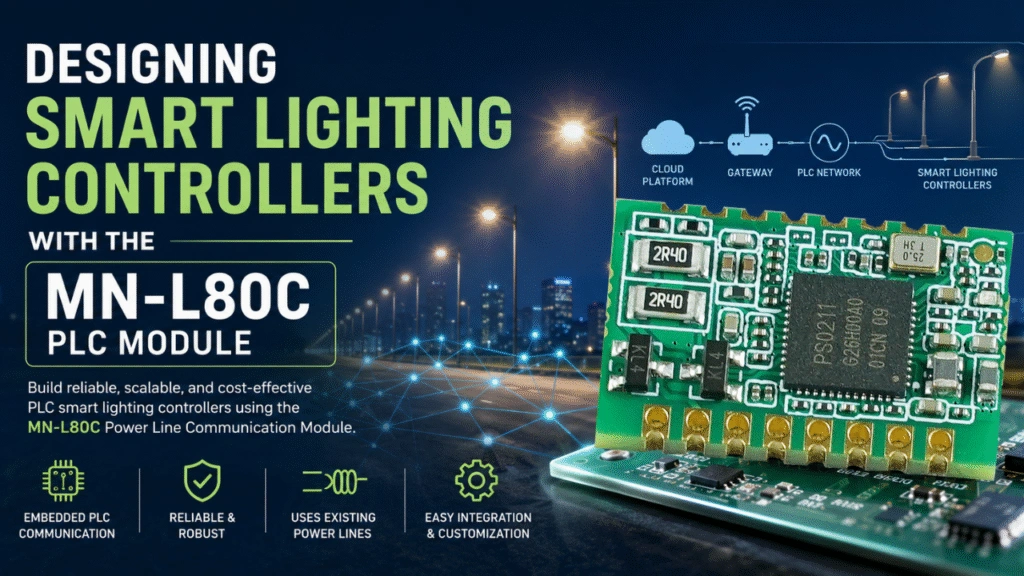
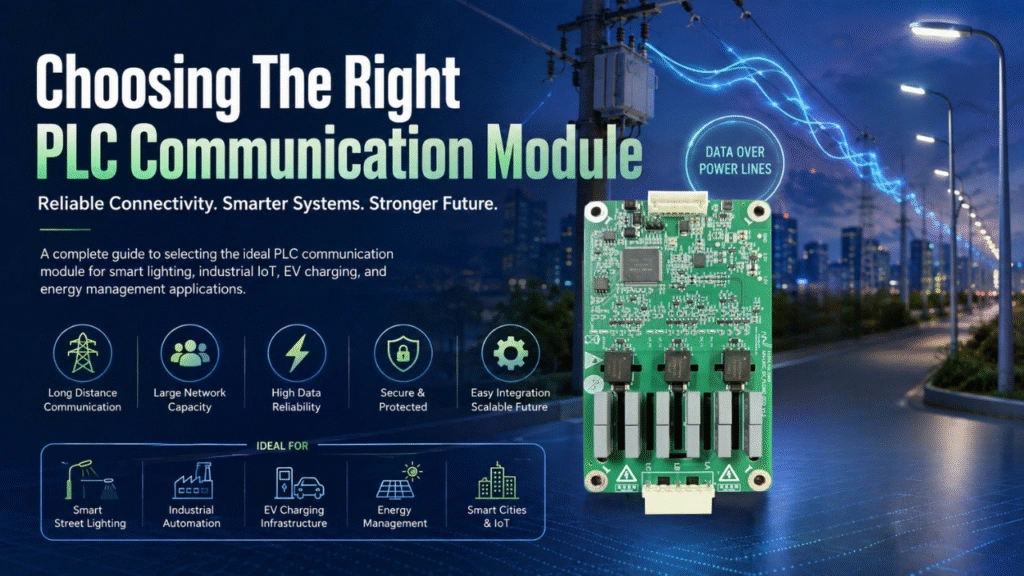
تمكن تقنية الاتصال بخط الطاقة (PLC) نقل البيانات عبر كابلات الطاقة القائمة، مما يلغي الحاجة إلى أسلاك اتصالات إضافية. من الإضاءة الذكية في الشوارع والأتمتة الصناعية إلى الأنظمة الكهروضوئية وبنية شحن المركبات الكهربائية، أصبحت تقنية PLC حلا مفضلا للاتصال الموثوق والقابل للتوسع والفعال من حيث التكلفة.
ومع ذلك، قد يكون اختيار وحدة الاتصال المناسبة ل PLC تحديا. تتطلب المشاريع المختلفة مسافات اتصال مختلفة، ومعدلات بيانات، وسعات شبكة، وحماية بيئية، وطرق دمج مختلفة.
يشرح هذا الدليل أهم العوامل التي يجب مراعاتها عند اختيار وحدة اتصال PLC ويساعد المهندسين ومكاملي الأنظمة ومصنعي المعدات الأصلية على تحديد الحل المثالي لتطبيقاتهم.
ما هي وحدة الاتصال PLC؟
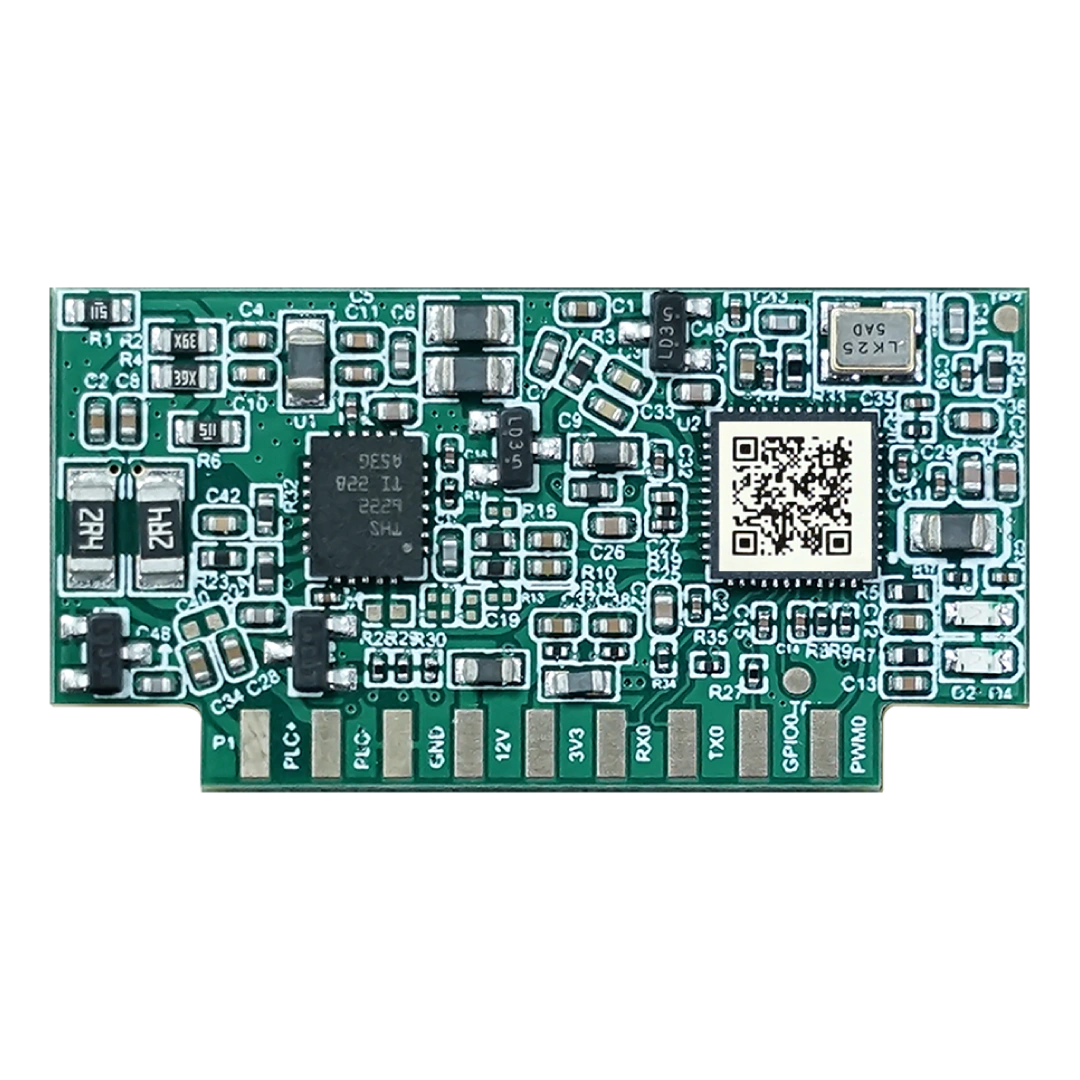
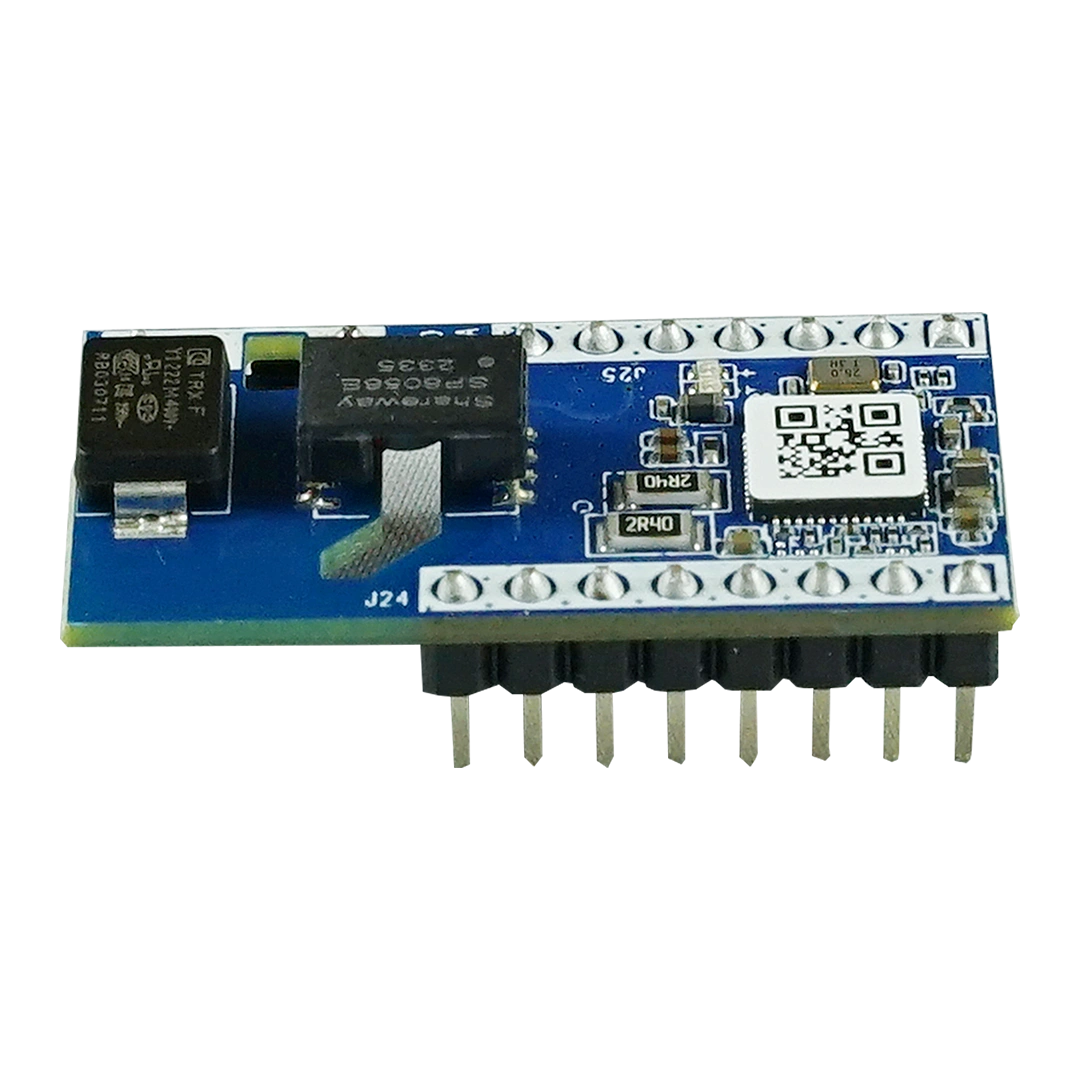
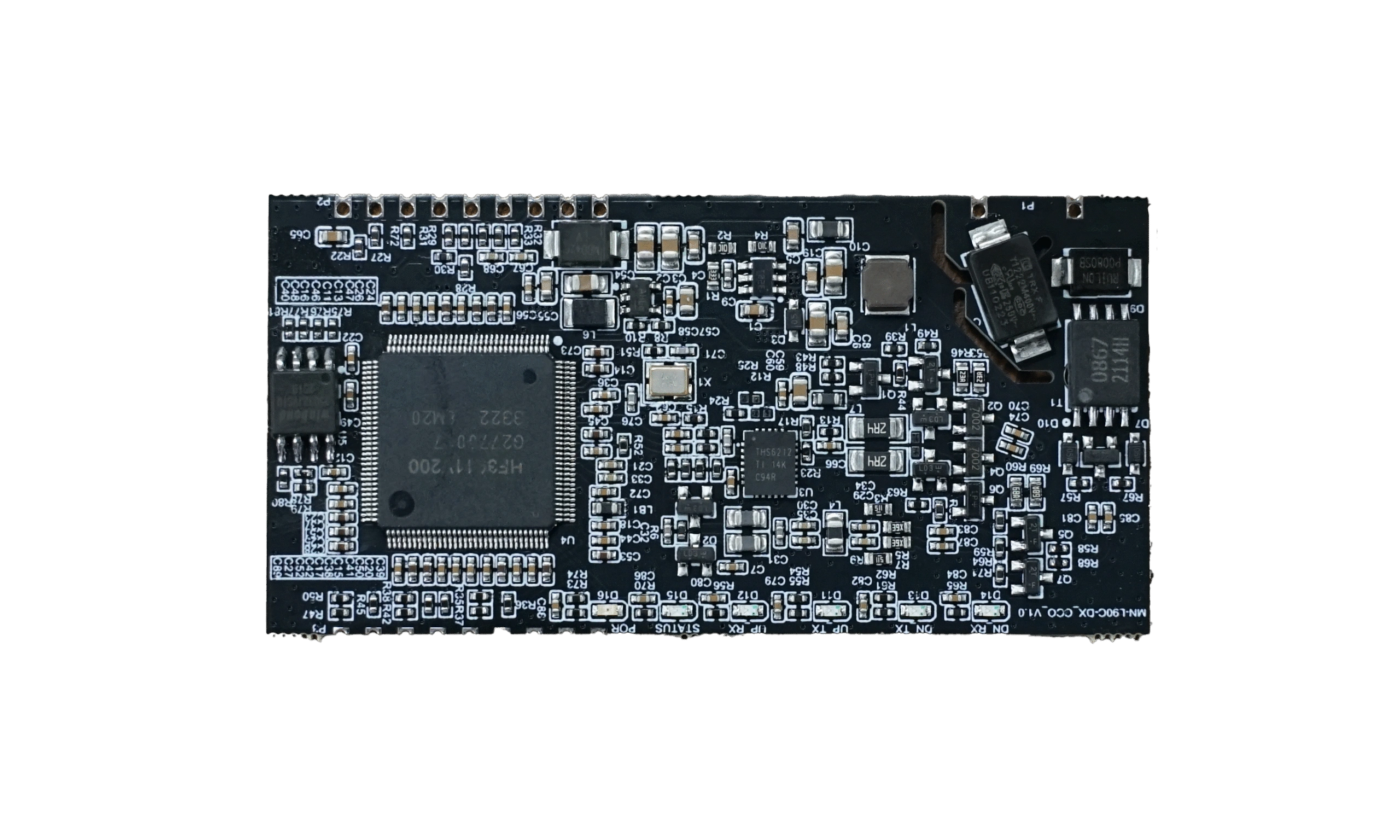
وحدة الاتصال PLC هي جهاز اتصال مدمج يمكن المعدات من تبادل البيانات عبر خطوط الطاقة القائمة.
بدلا من نشر كابلات إيثرنت منفصلة، أو خطوط ألياف بصرية، أو شبكات لاسلكية، تستخدم وحدة PLC البنية التحتية للطاقة نفسها كوسيلة اتصال.
تشمل وحدات PLC عموما:
- دوائر معالجة الإشارة
- دوال التضمين وفك التضمين
- دوائر الربط
- قدرات إدارة الشبكة
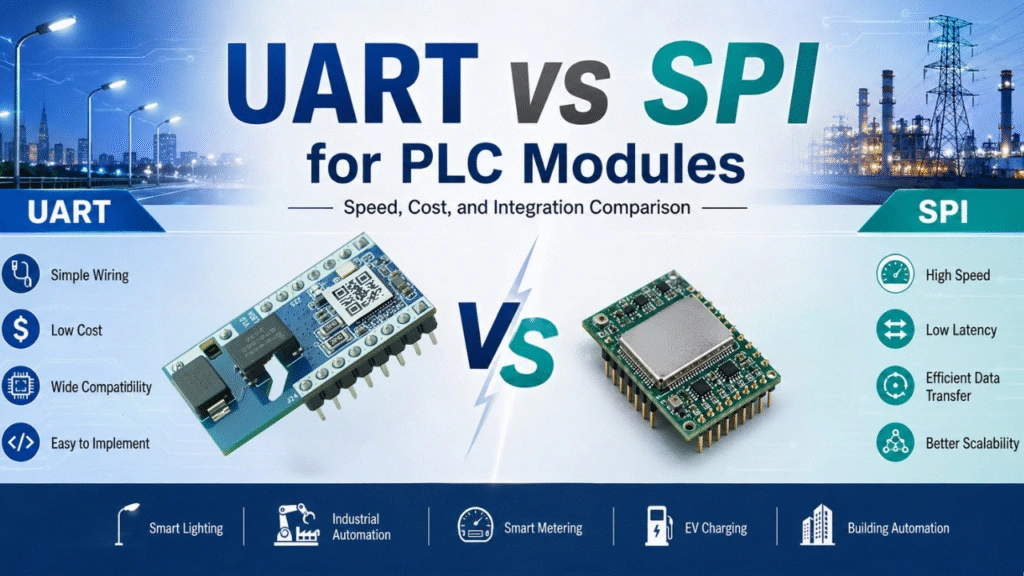
- واجهات الاتصال مثل UART أو SPI أو Ethernet أو RS-485
تشمل التطبيقات النموذجية:
- إضاءة شوارع ذكية
- أنظمة الإضاءة الصناعية
- إضاءة النفق
- إضاءة المستودعات
- أنظمة الطاقة الشمسية
- محطات شحن المركبات الكهربائية
- المباني الذكية
- أنظمة مراقبة الطاقة
لماذا اختيار وحدة PLC الصحيحة مهم
اختيار وحدة اتصال خاطئة قد يؤدي إلى عدة مشاكل:
- أداء الاتصال غير المستقر
- زيادة تكاليف النشر
- تقليل سعة الشبكة
- تكامل النظام الصعب
- ضعف قابلية التوسع
- متطلبات صيانة أكبر
الوحدة المناسبة تحسن:
- كفاءة التركيب
- موثوقية النظام
- استقرار الشبكة
- كفاءة الطاقة
- العائد طويل الأجل على الاستثمار
العوامل الرئيسية التي يجب أخذها في الاعتبار
1. مسافة التواصل
غالبا ما يكون نطاق الاتصالات هو أول معلم يقيمه المهندسون.
تعتمد مسافة النقل على عدة عوامل:
- جودة خطوط الطاقة
- التداخل الكهرومغناطيسي (EMI)
- طول الكابل
- تصميم الاقتران
- تكوين المحول
تتطلب تطبيقات مثل الإضاءة الذكية عادة التواصل عبر مناطق واسعة، مما يجعل قدرات النقل لمسافات طويلة أمرا ضروريا.
2. سعة الشبكة
تحدد سعة الشبكة عدد الأجهزة التي يمكن أن تعمل ضمن نفس الشبكة.
الأسئلة التي يجب النظر فيها تشمل:
- كم عدد وحدات الإضاءة التي سيتم تركيبها؟
- هل سيتم إضافة أجهزة إضافية لاحقا؟
- هل يتطلب الشبكات المتشابكة؟
- كم عدد البوابات التي سيتم نشرها؟
غالبا ما تتطلب مشاريع الإضاءة البلدية الكبيرة مئات أو آلاف العقد.
3. سرعة نقل البيانات
التطبيقات المختلفة تتطلب مستويات عرض نطاق ترددية مختلفة.
| التطبيق | المتطلبات النموذجية |
|---|---|
| التحكم في إضاءة الشوارع | عرض النطاق الترددي المنخفض |
| قراءة العداد | النطاق الترددي المتوسط |
| نقل الفيديو | عرض النطاق الترددي العالي |
| تكامل مستشعرات الذكاء الاصطناعي | عرض النطاق الترددي العالي |
اختيار وحدة بمعدل بيانات مناسب يضمن التشغيل المستقر والفعال.
4. تقنية OFDM أو FSK
تستخدم وحدات الاتصال PLC عادة إما OFDM (تعدد التوزيع الترددي المتعامد) أو FSK (التبديل بتغيير التردد).
| الميزة | OFDM | FSK |
| معدل البيانات | أعلى | الأسفل |
| مناعة ضد الضوضاء | ممتاز | جيد |
| كفاءة النقل | عالي | معتدل |
| سعة الشبكة | كبير | أصغر |
| التعقيد | أعلى | الأسفل |
غالبا ما يتم اختيار حلول OFDM لشبكات الإضاءة الذكية الكبيرة بسبب متانتها وقابليتها للتوسع.
5. الظروف البيئية
غالبا ما تحتوي البيئات الصناعية على ضوضاء كهربائية كبيرة وظروف تشغيل قاسية.
ضع في اعتبارك العوامل التالية:
- نطاق درجات الحرارة
- الرطوبة
- مقاومة الغبار
- التداخل الكهرومغناطيسي
- تقلبات الجهد
- متطلبات الحماية من البرق
يجب أن تستمر الوحدات الموثوقة في العمل حتى في البيئات المتطلبة.
6. توافق الواجهة
يجب أن تتكامل وحدة PLC بسلاسة مع النظام المضيف.
تشمل الواجهات الشائعة:
- UART
- SPI
- I²C
- الإيثرنت
- RS-485
- مودباس
اختيار الواجهة المناسبة يقلل من وقت التطوير ويبسط تكامل النظام.
7. متطلبات الأمان
أصبح الأمن السيبراني أكثر أهمية في شبكات الإضاءة الحديثة ونشر إنترنت الأشياء الصناعية (IIoT).
تشمل الميزات المهمة:
- تشفير البيانات
- مصادقة الجهاز
- ترقيات البرنامج الثابت الآمنة
- آليات التحكم في الوصول
تساعد هذه الوظائف في ضمان سلامة النظام ومنع الوصول غير المصرح به.
عملية اختيار وحدات PLC نموذجية
عادة ما يتبع المهندسون الخطوات التالية:
الخطوة 1: تحديد متطلبات التطبيق
حدد:
- مسافة التواصل
- عدد العقد
- الظروف البيئية
- معدلات البيانات المطلوبة
الخطوة 2: تقييم طوبولوجيا الشبكة
تشمل هياكل الشبكة المحتملة:
- الاتصال من نقطة إلى نقطة
- طوبولوجيا النجوم
- طوبولوجيا الشبكة
الخطوة 3: تحقق من توافق الواجهة
ضمان التوافق بين وحدة PLC، البوابة، الحساسات، ومنصة السحابة.
الخطوة 4: إجراء اختبار ميداني
الفحوصات المخبرية وحدها غير كافية. يجب دائما مراعاة ظروف النشر الواقعية.
التطبيقات الموصى بها
إضاءة شوارع ذكية
تمكن تقنية PLC على:
- التبديل عن بعد
- التحكم في التعتيم
- مراقبة الأعطال
- إدارة الطاقة
المرافق الصناعية
أمثلة شائعة تشمل:
- المستودعات
- الإصدارات
- مصانع التصنيع
- مراكز اللوجستيات
أنظمة الطاقة المتجددة
دعم الاتصال PLC:
- التركيبات الشمسية
- أنظمة تخزين طاقة البطاريات
- الشبكات الذكية
- بنية شحن المركبات الكهربائية
لماذا يختار العديد من مصنعي الإضاءة الذكية تقنية PLC
مقارنة بالبدائل اللاسلكية، تقدم تقنية PLC عدة مزايا:
- يمكن إعادة استخدام البنية التحتية الحالية للكهرباء.
- لا حاجة لإضافة كابلات اتصال.
- توسيع الشبكة أسهل.
- تكاليف الصيانة تقل.
- تتحسن موثوقية الاتصال.
بالنسبة للبلديات والمنشآت الصناعية، غالبا ما تترجم هذه المزايا إلى انخفاض تكاليف النشر وتنفيذ أسرع.
الأفكار النهائية
اختيار وحدة الاتصال المناسبة ل PLC يتطلب دراسة دقيقة لمسافة الاتصال، سعة الشبكة، الظروف البيئية، معدلات البيانات، الواجهات، متطلبات الأمان، واحتياجات التوسع المستقبلية.
توفر شبكة PLC المصممة جيدا اتصالا موثوقا مع تقليل تكاليف التركيب وتبسيط الصيانة طويلة الأمد.
مع استمرار توسع المدن الذكية وتطبيقات إنترنت الأشياء الصناعية، ستلعب تقنية الاتصالات PLC دورا متزايد الأهمية في بناء بنية تحتية متصلة وذكية.
المؤسسات التي تستثمر اليوم في حل PLC المناسب ستكون في وضع أفضل لتطوير أنظمة قابلة للتوسع وفعالة ومقاومة للمستقبل غدا.