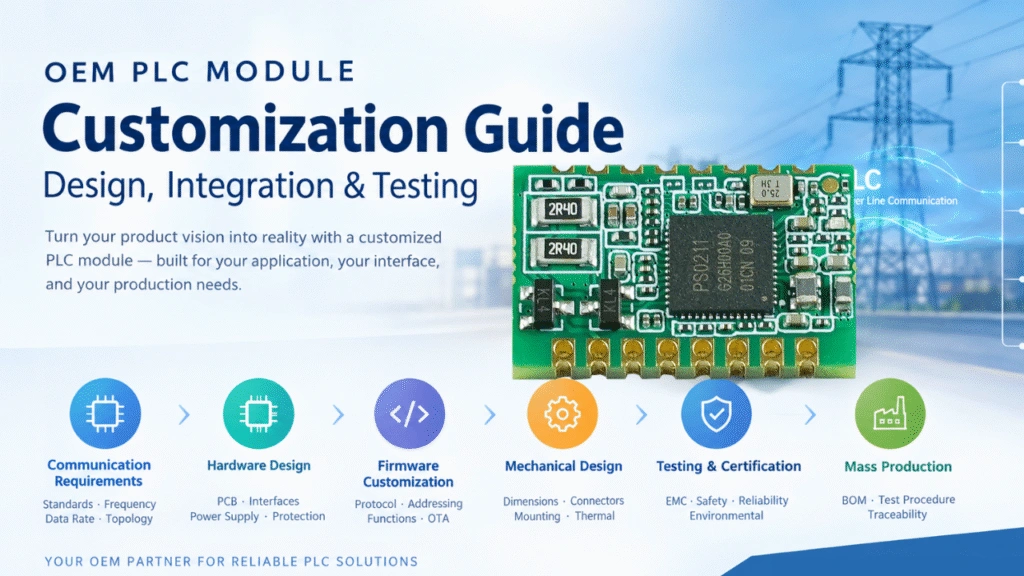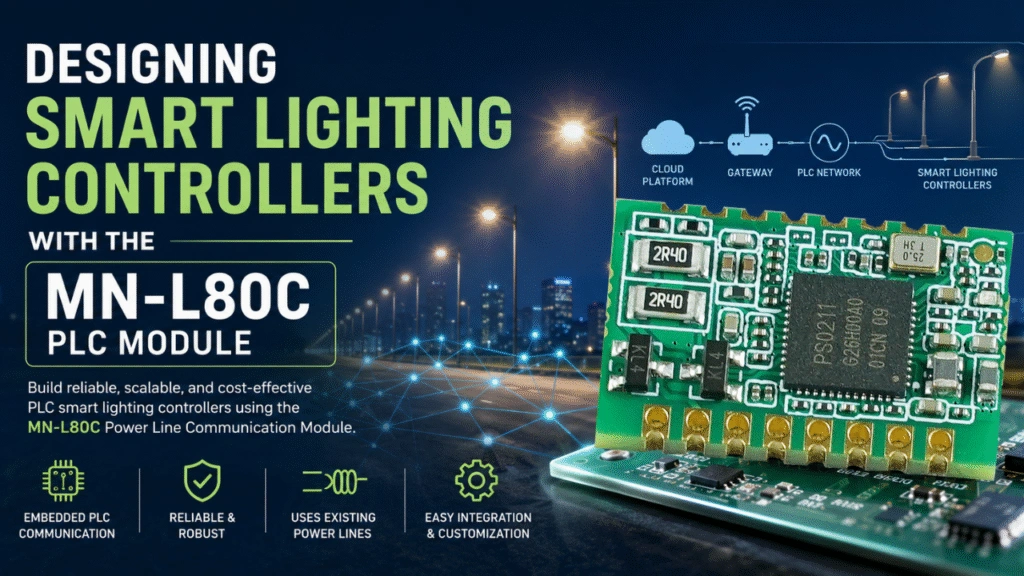
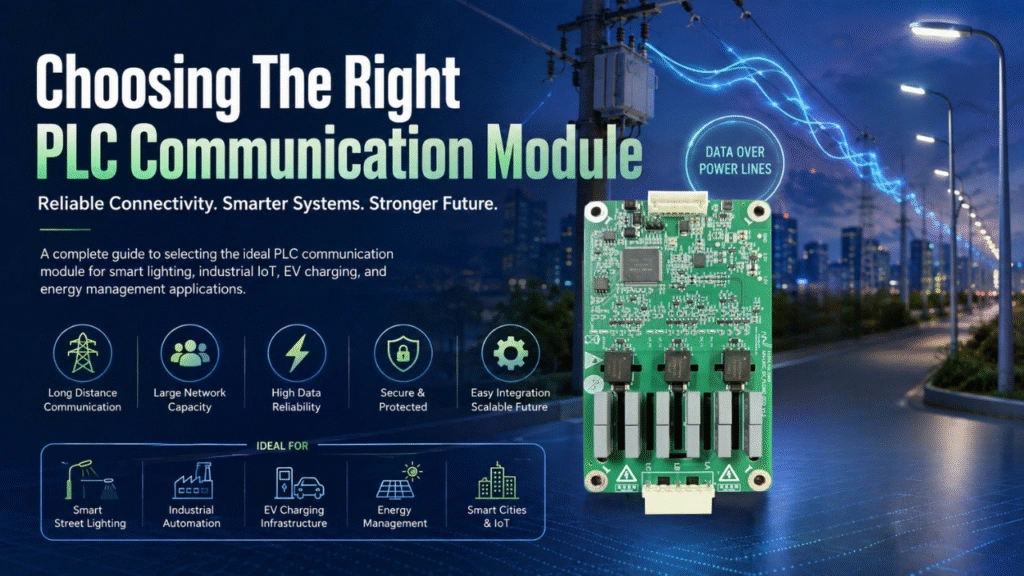
La tecnología de Comunicación por Línea Eléctrica (PLC) permite la transmisión de datos a través de cables de alimentación existentes, eliminando la necesidad de cableado adicional de comunicación. Desde la iluminación pública inteligente y la automatización industrial hasta los sistemas fotovoltaicos y la infraestructura de carga de vehículos eléctricos, la tecnología PLC se está convirtiendo en una solución preferida para una conectividad fiable, escalable y rentable.
Sin embargo, seleccionar el módulo de comunicación PLC adecuado puede ser un reto. Diferentes proyectos requieren distintas distancias de comunicación, tasas de datos, capacidades de red, protecciones medioambientales y métodos de integración.
Esta guía explica los factores más importantes a considerar al elegir un módulo de comunicación PLC y ayuda a ingenieros, integradores de sistemas y fabricantes OEM a identificar la solución ideal para sus aplicaciones.
¿Qué es un módulo de comunicación PLC?
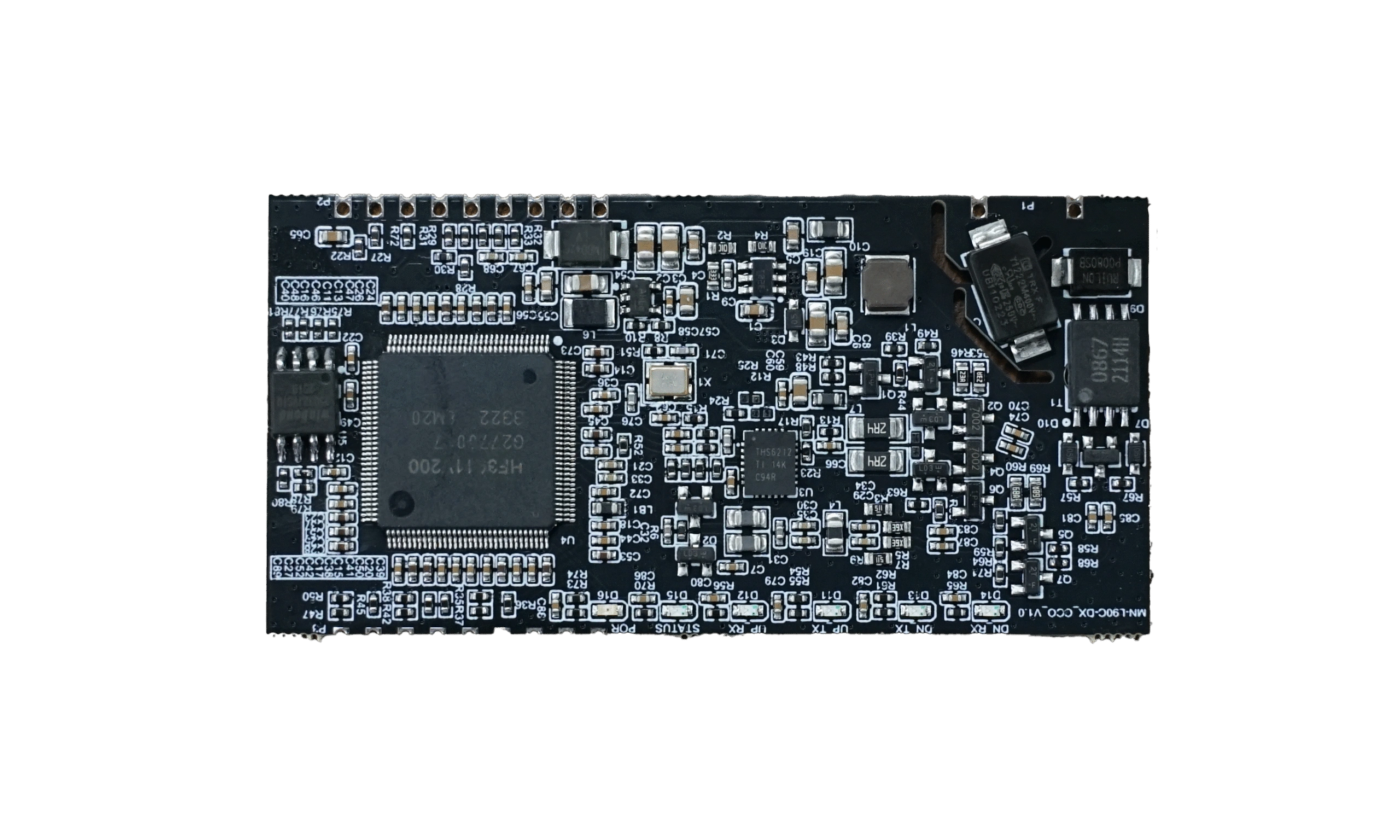
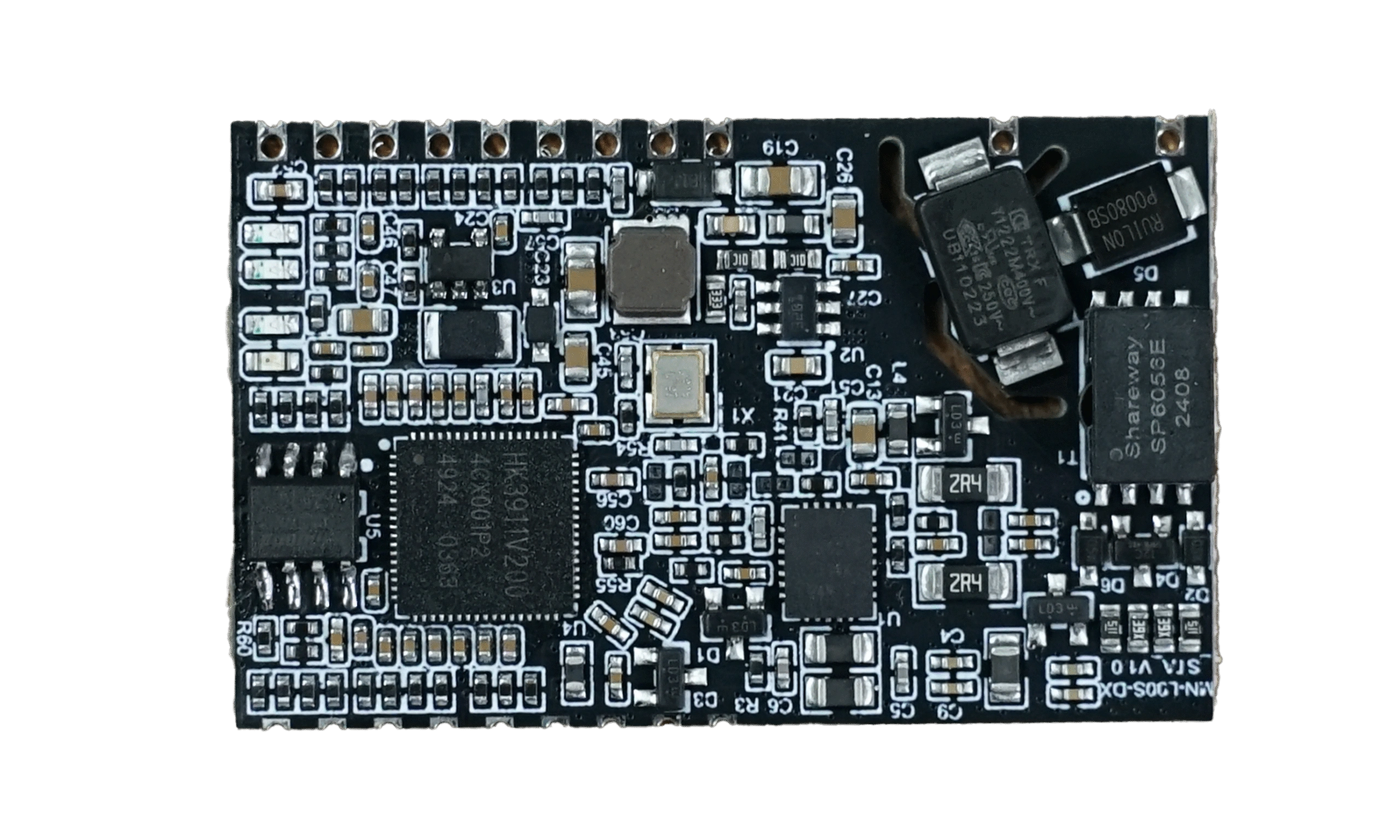
Un módulo de comunicación PLC es un dispositivo de comunicación embebido que permite a los equipos intercambiar datos a través de líneas eléctricas existentes.
En lugar de desplegar cables Ethernet separados, líneas de fibra óptica o redes inalámbricas, un módulo PLC utiliza la propia infraestructura eléctrica como medio de comunicación.
Los módulos PLC generalmente incluyen:
- Circuitería de procesamiento de señales
- Funciones de modulación y demodulación
- Circuitos de acoplamiento
- Capacidades de gestión de red
- Interfaces de comunicación como UART, SPI, Ethernet o RS-485
Las aplicaciones típicas incluyen:
- Alumbrado público inteligente
- Sistemas de iluminación industrial
- Alumbrado de túneles
- Iluminación en almacén
- Sistemas de energía solar
- Estaciones de carga para vehículos eléctricos
- Edificios inteligentes
- Sistemas de monitorización energética
Por qué es importante elegir el módulo PLC correcto
Seleccionar el módulo de comunicación incorrecto puede dar lugar a varios problemas:
- Rendimiento inestable de la comunicación
- Aumento de los costes de despliegue
- Reducción de la capacidad de la red
- Integración de sistemas difícil
- Baja escalabilidad
- Mayores requisitos de mantenimiento
El módulo adecuado mejora:
- Eficiencia de instalación
- Fiabilidad del sistema
- Estabilidad de la red
- Eficiencia energética
- Retorno de la inversión a largo plazo
Factores clave a tener en cuenta
1. Distancia de comunicación
El rango de comunicación suele ser el primer parámetro que evalúan los ingenieros.
La distancia de transmisión depende de múltiples factores:
- Calidad de la línea eléctrica
- Interferencia electromagnética (EMI)
- Longitud del cable
- Diseño de acoplamiento
- Configuración del transformador
Aplicaciones como la iluminación pública inteligente suelen requerir comunicación a través de grandes áreas, por lo que las capacidades de transmisión a larga distancia son esenciales.
2. Capacidad de la red
La capacidad de red determina cuántos dispositivos pueden operar dentro de la misma red.
Preguntas a considerar incluyen:
- ¿Cuántas luminarias se instalarán?
- ¿Se añadirán dispositivos adicionales más adelante?
- ¿Es necesario hacer red mallado?
- ¿Cuántos gateways se desplegarán?
Los grandes proyectos municipales de iluminación suelen requerir cientos o miles de nodos.
3. Velocidad de transmisión de datos
Diferentes aplicaciones requieren distintos niveles de ancho de banda.
| Aplicación | Requisito típico |
|---|---|
| Control de alumbrado público | Bajo ancho de banda |
| Lectura del contador | Ancho de banda medio |
| Transmisión de vídeo | Alto ancho de banda |
| Integración de sensores de IA | Alto ancho de banda |
Seleccionar un módulo con una tasa de datos adecuada garantiza un funcionamiento estable y eficiente.
4. Tecnología OFDM o FSK
Los módulos de comunicación PLC generalmente utilizan OFDM (Multiplexación por División de Frecuencia Ortogonal) o FSK (Modulación por Desplaje de Frecuencia).
| Característica | OFDM | FSK |
| Tasa de datos | Más alto | Inferior |
| Inmunidad al ruido | Excelente | Bien |
| Eficiencia de transmisión | Alto | Moderado |
| Capacidad de la red | Grande | Más pequeño |
| Complejidad | Más alto | Inferior |
Las soluciones OFDM se seleccionan habitualmente para grandes redes de iluminación inteligente debido a su robustez y escalabilidad.
5. Condiciones medioambientales
Los entornos industriales suelen contener un ruido eléctrico significativo y condiciones de funcionamiento adversas.
Considera los siguientes factores:
- Rango de temperatura
- Humedad
- Resistencia al polvo
- Interferencia electromagnética
- Fluctuaciones de tensión
- Requisitos de protección contra rayos
Los módulos fiables deben seguir funcionando incluso en entornos exigentes.
6. Compatibilidad de interfaces
El módulo PLC debe integrarse de forma fluida con el sistema anfitrión.
Las interfaces más comunes incluyen:
- UART
- SPI
- I²C
- Ethernet
- RS-485
- Modbus
Elegir la interfaz adecuada reduce el tiempo de desarrollo y simplifica la integración del sistema.
7. Requisitos de seguridad
La ciberseguridad se ha vuelto cada vez más importante en las redes modernas de iluminación y en los despliegues del Internet Industrial de las Cosas (IIoT).
Entre las características importantes se incluyen:
- Cifrado de datos
- Autenticación de dispositivos
- Actualizaciones seguras de firmware
- Mecanismos de control de acceso
Estas funciones ayudan a garantizar la integridad del sistema y a prevenir accesos no autorizados.
Proceso típico de selección de módulos PLC
Los ingenieros suelen seguir los siguientes pasos:
Paso 1: Definir los requisitos de la solicitud
Determina:
- Distancia de comunicación
- Número de nodos
- Condiciones medioambientales
- Tasas de datos requeridas
Paso 2: Evaluar la topología de la red
Las posibles estructuras de red incluyen:
- Comunicación punto a punto
- Topología estrella
- Topología de malla
Paso 3: Verificar la compatibilidad de la interfaz
Garantizar la compatibilidad entre el módulo PLC, la puerta de enlace, los sensores y la plataforma en la nube.
Paso 4: Realizar pruebas de campo
Las pruebas de laboratorio por sí solas son insuficientes. Las condiciones reales de despliegue siempre deben considerarse.
Aplicaciones recomendadas
Alumbrado público inteligente
La tecnología PLC permite:
- Conmutación remota
- Control de atenuación
- Monitorización de fallos
- Gestión energética
Instalaciones industriales
Ejemplos comunes incluyen:
- Almacenes
- Ports
- Plantas de fabricación
- Centros logísticos
Sistemas de energía renovable
Soporte de comunicación PLC:
- Instalaciones solares
- Sistemas de almacenamiento de energía en baterías
- Redes inteligentes
- Infraestructura de carga para vehículos eléctricos
Por qué muchos fabricantes de iluminación inteligente eligen la tecnología PLC
En comparación con las alternativas inalámbricas, la tecnología PLC ofrece varias ventajas:
- La infraestructura eléctrica existente puede ser reutilizada.
- No son necesarios cables de comunicación adicionales.
- La expansión de la red es más fácil.
- Se reducen los costes de mantenimiento.
- La fiabilidad de la comunicación mejora la información.
Para los municipios y las instalaciones industriales, estas ventajas suelen traducirse en menores costes de despliegue y una implementación más rápida.
Reflexiones finales
Elegir el módulo de comunicación PLC adecuado requiere una cuidadosa consideración de la distancia de comunicación, la capacidad de la red, las condiciones ambientales, las tasas de datos, las interfaces, los requisitos de seguridad y las necesidades de expansión futura.
Una red PLC bien diseñada proporciona una comunicación fiable minimizando los costes de instalación y simplificando el mantenimiento a largo plazo.
A medida que las ciudades inteligentes y las aplicaciones de IoT industrial continúan expandiéndose, la tecnología de comunicación PLC desempeñará un papel cada vez más importante en la construcción de infraestructuras conectadas e inteligentes.
Las organizaciones que inviertan hoy en la solución PLC adecuada estarán mejor posicionadas para desarrollar sistemas escalables, eficientes y preparados para el futuro.