Power Line Communication (PLC) technology enables data transmission over existing power cables, eliminating the need for additional communication wiring. From smart street lighting and industrial automation to photovoltaic systems and EV charging infrastructure, PLC technology is becoming a preferred solution for reliable, scalable, and cost-effective connectivity.
However, selecting the right PLC communication module can be challenging. Different projects require different communication distances, data rates, network capacities, environmental protections, and integration methods.
This guide explains the most important factors to consider when choosing a PLC communication module and helps engineers, system integrators, and OEM manufacturers identify the ideal solution for their applications.
What Is a PLC Communication Module?
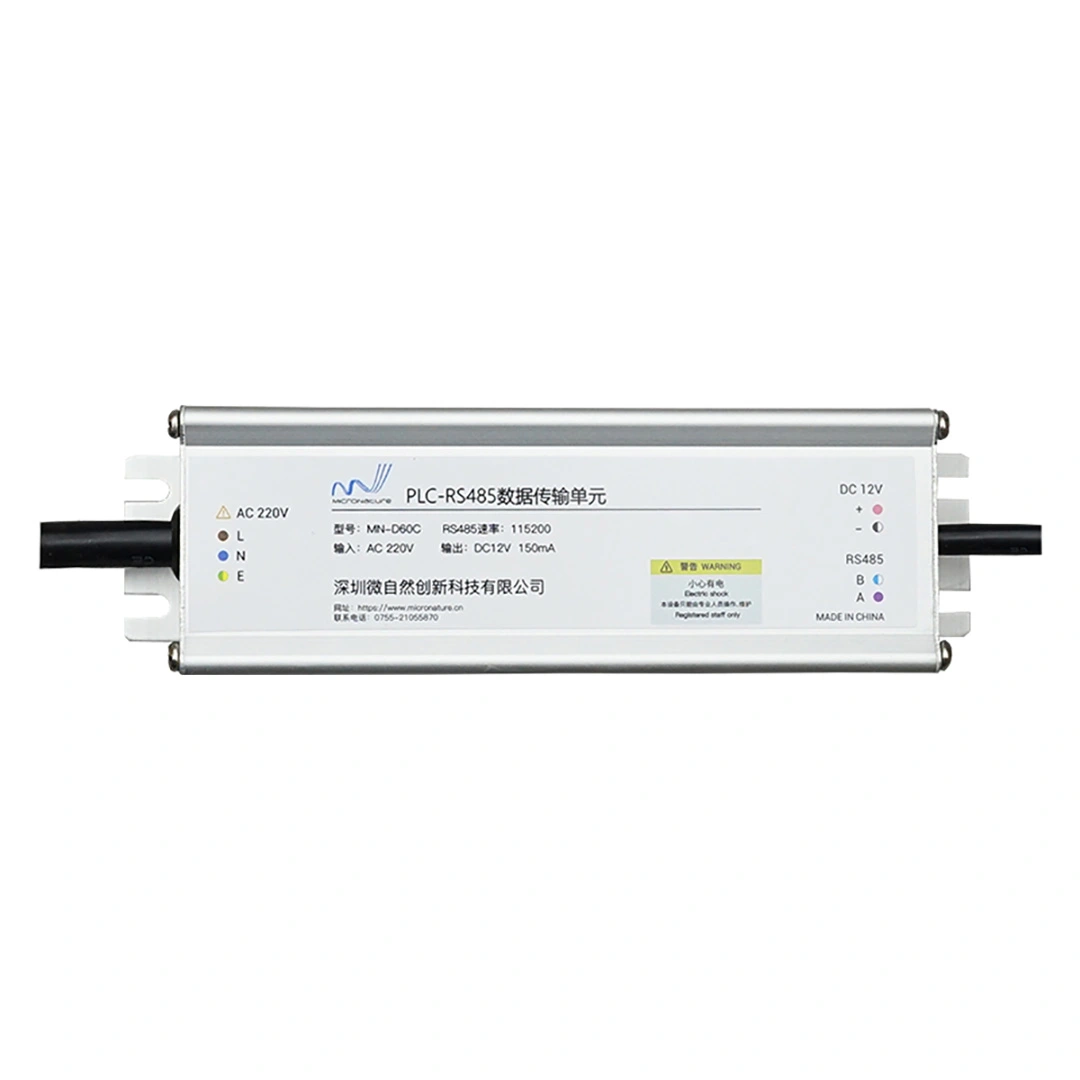
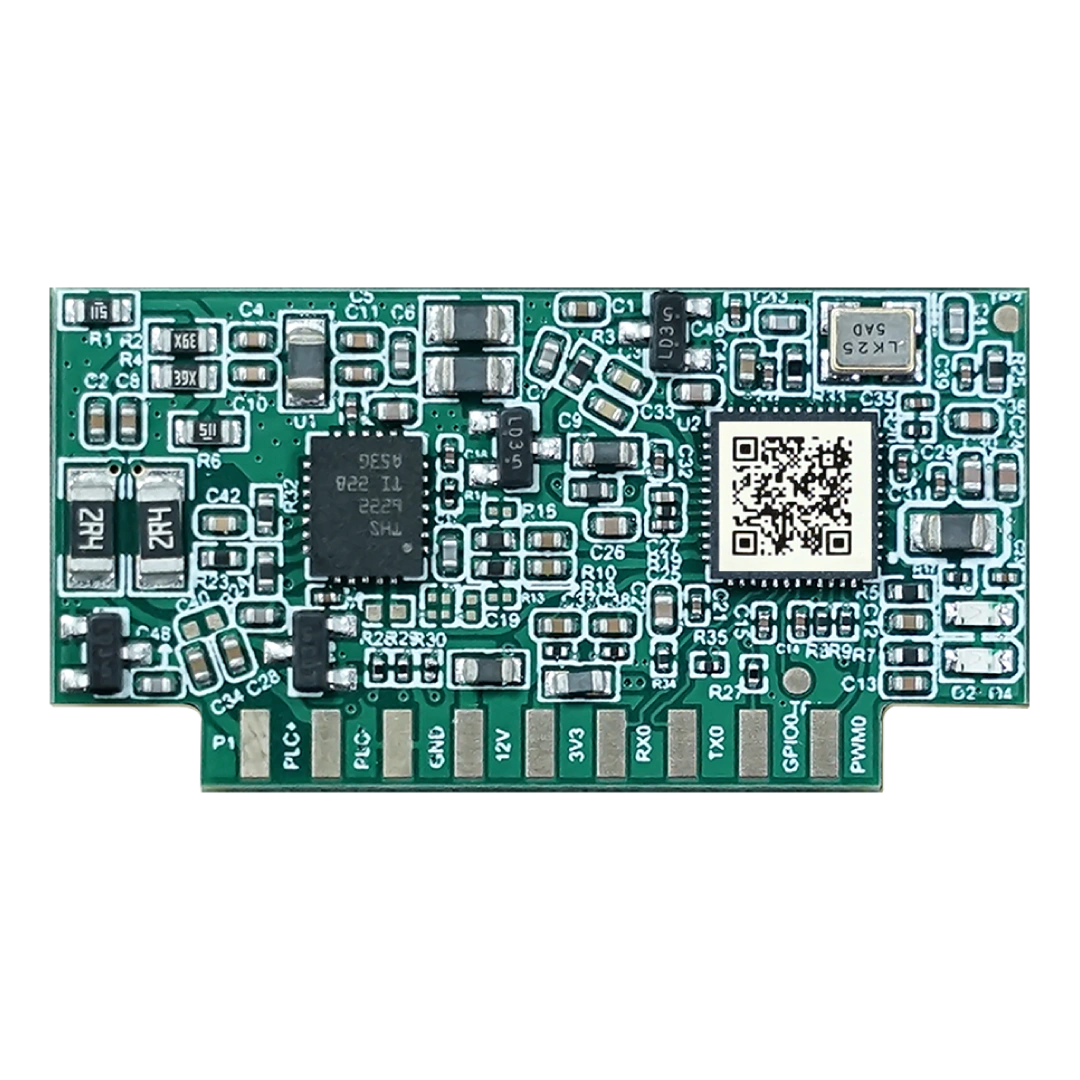
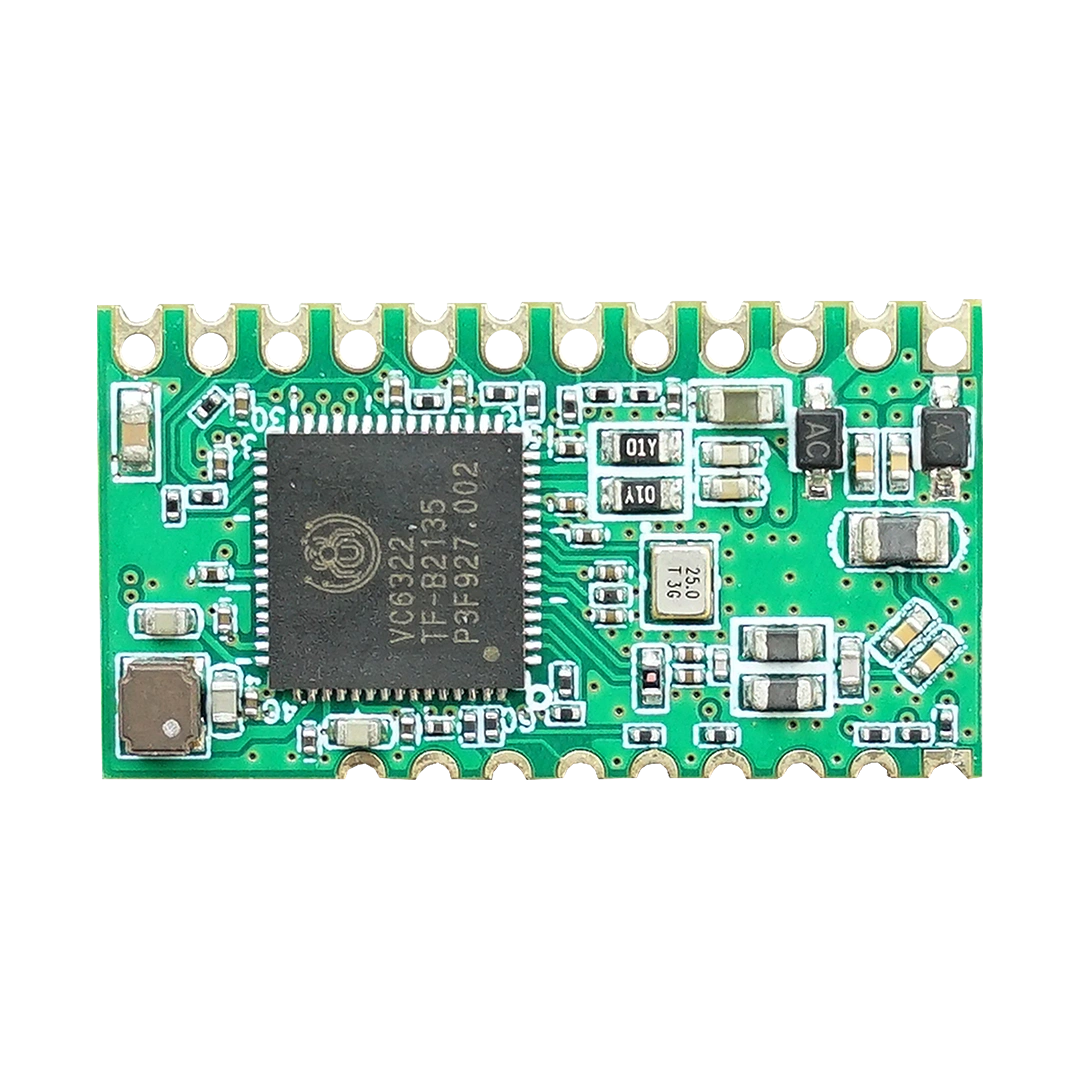
A PLC communication module is an embedded communication device that enables equipment to exchange data through existing power lines.
Instead of deploying separate Ethernet cables, fiber optic lines, or wireless networks, a PLC module uses the power infrastructure itself as the communication medium.
PLC modules generally include:
- Signal processing circuitry
- Modulation and demodulation functions
- Coupling circuits
- Network management capabilities
- Communication interfaces such as UART, SPI, Ethernet, or RS-485
Typical applications include:
- Smart street lighting
- Industrial lighting systems
- Tunnel lighting
- Warehouse lighting
- Solar energy systems
- Electric vehicle charging stations
- Smart buildings
- Energy monitoring systems
Why Choosing the Correct PLC Module Matters
Selecting the wrong communication module may lead to several problems:
- Unstable communication performance
- Increased deployment costs
- Reduced network capacity
- Difficult system integration
- Poor scalability
- Greater maintenance requirements
The proper module improves:
- Installation efficiency
- System reliability
- Network stability
- Energy efficiency
- Long-term return on investment
Key Factors to Consider
1. Communication Distance
Communication range is often the first parameter engineers evaluate.
The transmission distance depends on multiple factors:
- Power line quality
- Electromagnetic interference (EMI)
- Cable length
- Coupling design
- Transformer configuration
Applications such as smart street lighting typically require communication across large areas, making long-distance transmission capabilities essential.
2. Network Capacity
Network capacity determines how many devices can operate within the same network.
Questions to consider include:
- How many lighting fixtures will be installed?
- Will additional devices be added later?
- Is mesh networking required?
- How many gateways will be deployed?
Large municipal lighting projects often require hundreds or thousands of nodes.
3. Data Transmission Speed
Different applications require different bandwidth levels.
| Application | Typical Requirement |
|---|---|
| Street lighting control | Low bandwidth |
| Meter reading | Medium bandwidth |
| Video transmission | High bandwidth |
| AI sensor integration | High bandwidth |
Selecting a module with an appropriate data rate ensures stable and efficient operation.
4. OFDM or FSK Technology
PLC communication modules generally use either OFDM (Orthogonal Frequency Division Multiplexing) or FSK (Frequency Shift Keying).
| Feature | OFDM | FSK |
| Data rate | Higher | Lower |
| Noise immunity | Excellent | Good |
| Transmission efficiency | High | Moderate |
| Network capacity | Large | Smaller |
| Complexity | Higher | Lower |
OFDM solutions are commonly selected for large smart lighting networks because of their robustness and scalability.
5. Environmental Conditions
Industrial environments often contain significant electrical noise and harsh operating conditions.
Consider the following factors:
- Temperature range
- Humidity
- Dust resistance
- Electromagnetic interference
- Voltage fluctuations
- Lightning protection requirements
Reliable modules should continue operating even in demanding environments.
6. Interface Compatibility
The PLC module should integrate smoothly with the host system.
Common interfaces include:
- UART
- SPI
- I²C
- Ethernet
- RS-485
- Modbus
Choosing the proper interface reduces development time and simplifies system integration.
7. Security Requirements
Cybersecurity has become increasingly important in modern lighting networks and Industrial Internet of Things (IIoT) deployments.
Important features include:
- Data encryption
- Device authentication
- Secure firmware upgrades
- Access control mechanisms
These functions help ensure system integrity and prevent unauthorized access.
Typical PLC Module Selection Process
Engineers usually follow the steps below:
Step 1: Define application requirements
Determine:
- Communication distance
- Number of nodes
- Environmental conditions
- Required data rates
Step 2: Evaluate network topology
Possible network structures include:
- Point-to-point communication
- Star topology
- Mesh topology
Step 3: Verify interface compatibility
Ensure compatibility between the PLC module, gateway, sensors, and cloud platform.
Step 4: Perform field testing
Laboratory testing alone is insufficient. Real-world deployment conditions should always be considered.
Recommended Applications
Smart street lighting
PLC technology enables:
- Remote switching
- Dimming control
- Fault monitoring
- Energy management
Industrial facilities
Common examples include:
- Warehouses
- Ports
- Manufacturing plants
- Logistics centers
Renewable energy systems
PLC communication supports:
- Solar installations
- Battery energy storage systems
- Smart grids
- EV charging infrastructure
Why Many Smart Lighting Manufacturers Choose PLC Technology
Compared with wireless alternatives, PLC technology offers several advantages:
- Existing power infrastructure can be reused.
- Additional communication cables are unnecessary.
- Network expansion is easier.
- Maintenance costs are reduced.
- Communication reliability is improved.
For municipalities and industrial facilities, these advantages often translate into lower deployment costs and faster implementation.
Final Thoughts
Choosing the right PLC communication module requires careful consideration of communication distance, network capacity, environmental conditions, data rates, interfaces, security requirements, and future expansion needs.
A well-designed PLC network provides reliable communication while minimizing installation costs and simplifying long-term maintenance.
As smart cities and Industrial IoT applications continue to expand, PLC communication technology will play an increasingly important role in building connected and intelligent infrastructure.
Organizations that invest in the proper PLC solution today will be better positioned to develop scalable, efficient, and future-proof systems tomorrow.