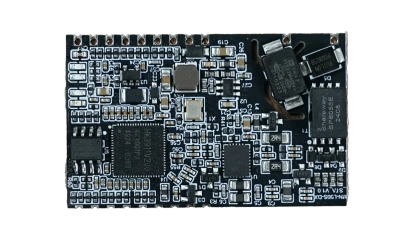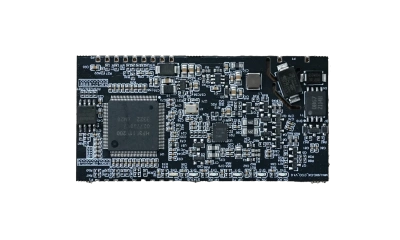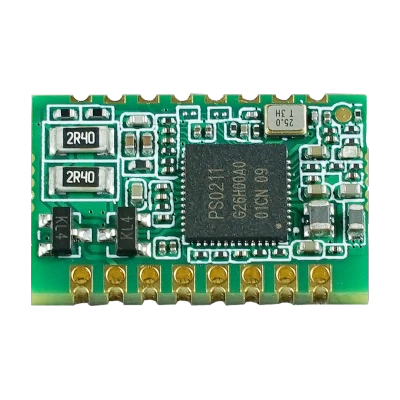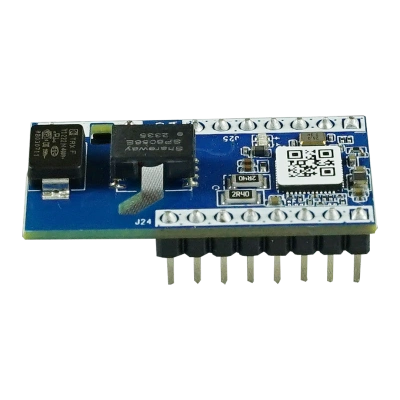
Leading PLC Lighting Control Solutions & Customized PLC Modules | China Manufacturer for EPC Projects – MicroNature

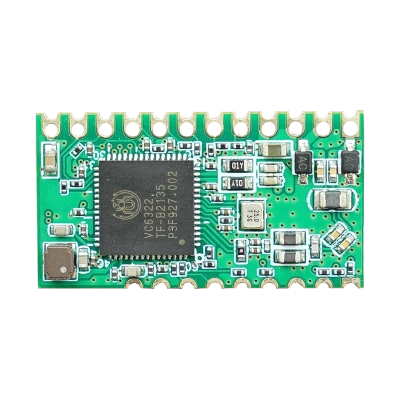
MicroNature delivers compreshensive delivers comprehensive PLC-based lighting control solutions and high-quality PLC modules for industrial, commercial, and smart infrastructure projects. As a leading China manufacturer, we provide OEM/ODM customization, system integration support, and tailored control platforms designed for EPC engineering contractors and global partners.


Unlock the Power of PLC Lighting: A Comprehensive Guide

Welcome to your ultimate resource for understanding and implementing PLC (Power Line Communication) lighting solutions. Whether you're an EPC contractor, a system integrator, a municipal decision-maker, or simply exploring the possibilities of smart lighting, this guide provides the insights and resources you need to make informed decisions and achieve optimal results.

PLC Technology Deep Dive

What is PLC and why is it revolutionizing the lighting industry? PLC, or Power Line Communication, is a technology that enables data transmission over existing power lines. This means you can control and monitor your lighting systems without the need for additional wiring, significantly reducing installation costs and complexity. But how does it work? Let's delve into the technical aspects.

At its core, PLC operates by modulating a high-frequency carrier signal onto the AC power line. This signal carries data between devices, such as a central controller and individual light fixtures. The receiver demodulates the signal, extracting the data and executing the corresponding commands. This process happens in real-time, allowing for dynamic control and monitoring of the lighting system.

The advantages of PLC are numerous. Firstly, it leverages existing infrastructure, minimizing disruption during installation and reducing overall project costs. Secondly, it offers robust communication, even in electrically noisy environments, thanks to advanced error correction techniques. Thirdly, it provides scalability, allowing you to easily expand your lighting network as your needs evolve. And finally, it enables advanced features such as remote monitoring, dimming control, and energy management.

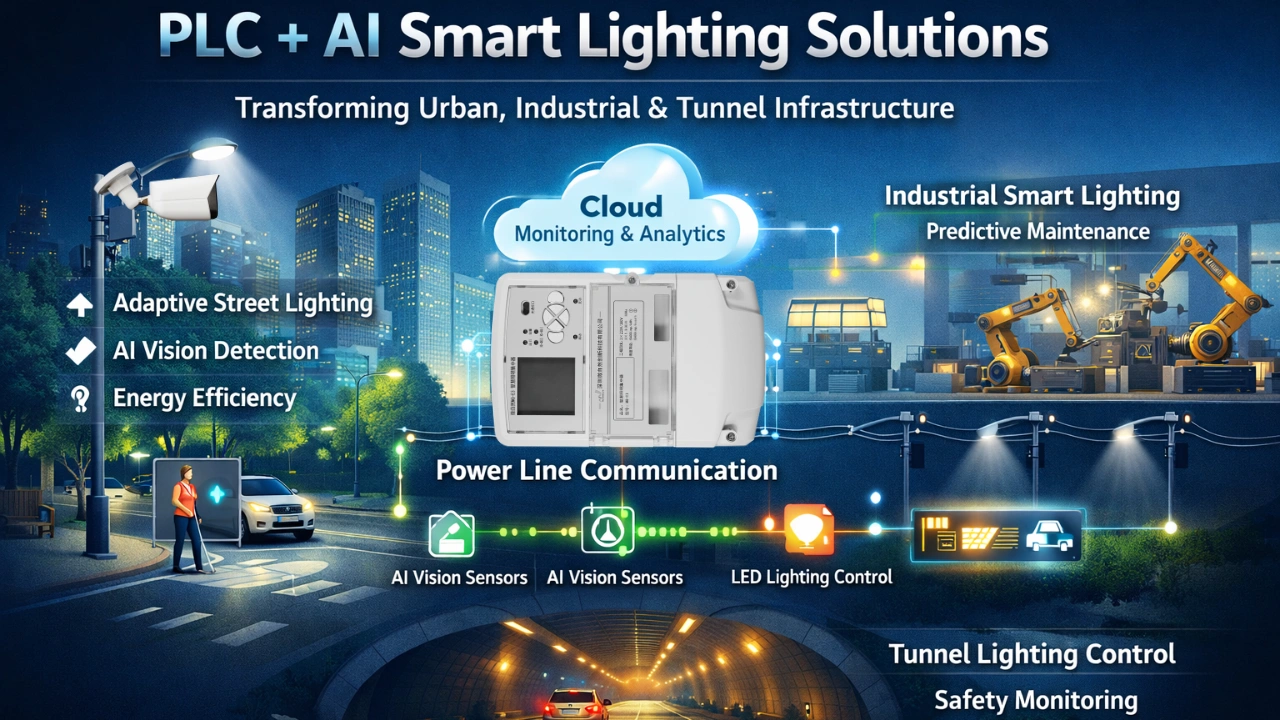
Consider a typical smart city application. With PLC lighting, you can remotely monitor the status of each street light, adjust brightness levels based on ambient light conditions, and even detect and report faults in real-time. This not only improves energy efficiency but also enhances public safety and reduces maintenance costs. To visualize this, imagine a city map displayed on a central dashboard, with each street light represented by an icon. The color of the icon indicates the status of the light – green for operational, yellow for warning, and red for fault. By clicking on an icon, you can access detailed information about the light, such as its energy consumption, operating temperature, and any error codes.

Furthermore, PLC technology is constantly evolving, with new standards and protocols emerging to improve performance and interoperability. One key development is the adoption of open standards, such as IEEE 1901.2, which ensures compatibility between different PLC devices and vendors. This allows you to mix and match products from different manufacturers, giving you greater flexibility in designing your lighting system. Another trend is the integration of PLC with other smart city technologies, such as IoT sensors and data analytics platforms. This enables even more advanced applications, such as predictive maintenance and adaptive lighting control. By analyzing historical data, you can predict when a light fixture is likely to fail and schedule maintenance proactively, minimizing downtime and reducing costs. Similarly, by integrating with IoT sensors, you can adjust lighting levels based on real-time conditions, such as traffic flow and pedestrian density.

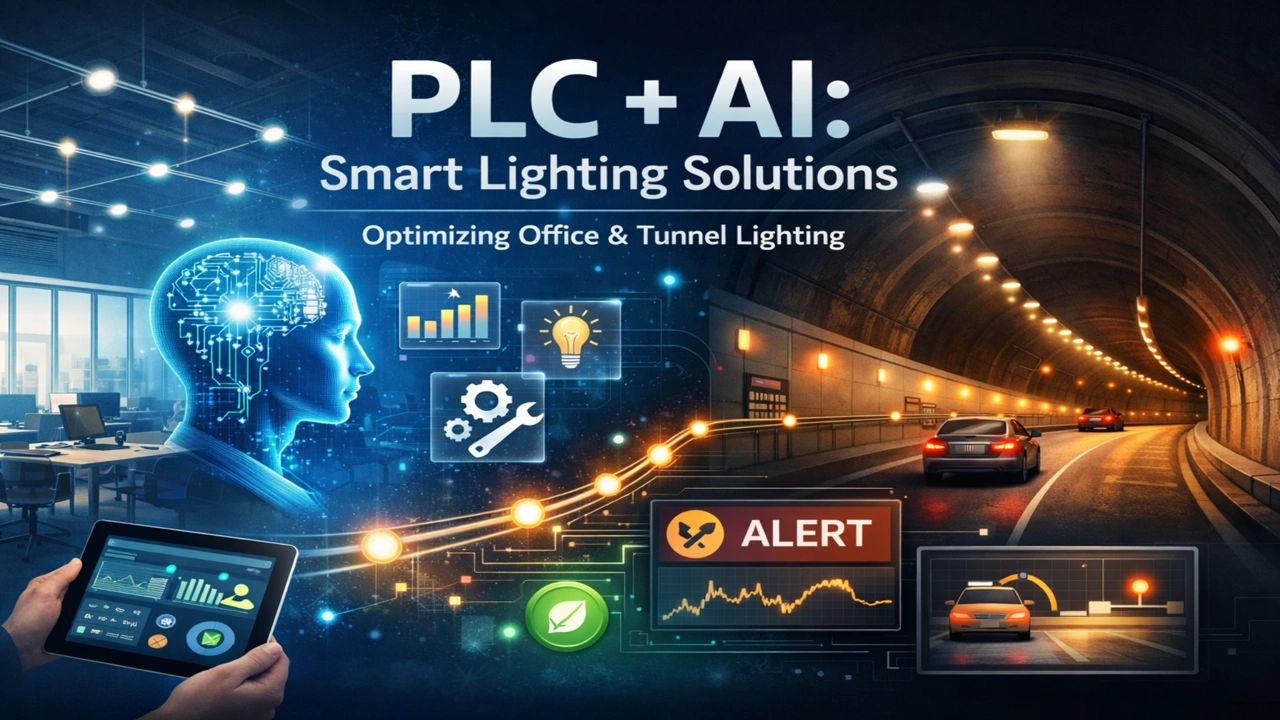
For example, in a smart parking lot, PLC lighting can be integrated with occupancy sensors to automatically dim or turn off lights in unoccupied areas, saving energy and reducing light pollution. In a tunnel, PLC lighting can be adjusted based on traffic volume and visibility conditions, ensuring optimal safety for drivers. And in an industrial facility, PLC lighting can be integrated with production schedules to automatically adjust lighting levels based on the needs of different tasks. The possibilities are endless, and PLC technology is constantly evolving to meet the changing needs of the lighting industry.

Solution Quick Guides

Need a quick and efficient solution for your specific lighting project? Our solution guides provide step-by-step instructions and visual aids for various applications, ensuring a smooth and successful implementation. We understand that every project is unique, and that's why we've created tailored guides for different scenarios.

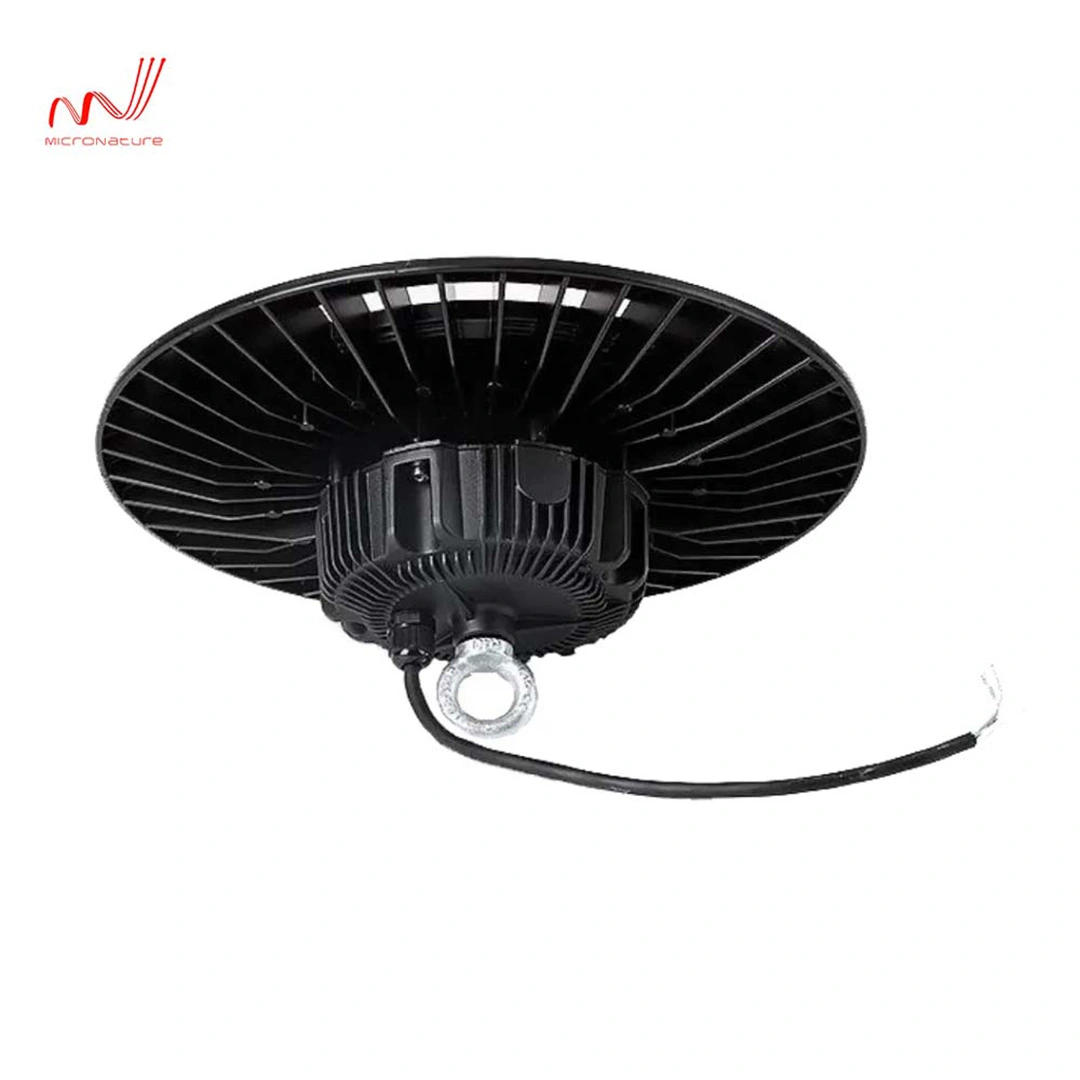
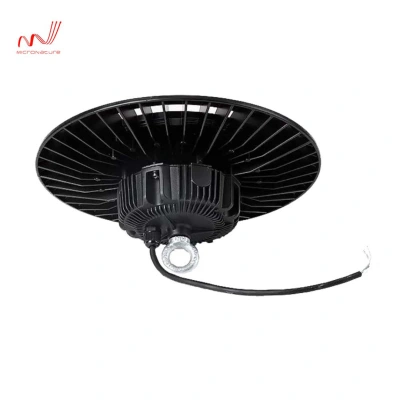
Let's start with smart warehouse lighting. Warehouses often have high ceilings and large open spaces, making them challenging to light efficiently. Our solution guide provides a detailed plan for implementing a PLC-based lighting system that optimizes energy consumption and improves worker productivity. The first step is to conduct a lighting audit to assess the existing lighting conditions and identify areas for improvement. This involves measuring light levels, identifying dark spots, and evaluating the energy efficiency of the existing fixtures. Based on the audit results, we recommend a combination of high-bay LED fixtures and PLC controllers. The LED fixtures provide bright, uniform illumination, while the PLC controllers enable dimming control and occupancy sensing. The next step is to install the PLC controllers and connect them to the existing power lines. This is a relatively simple process that can be completed by a qualified electrician. Once the controllers are installed, they can be configured to automatically dim or turn off lights in unoccupied areas, saving energy and reducing costs. The final step is to monitor the performance of the lighting system and make any necessary adjustments. This can be done remotely using a web-based interface, allowing you to track energy consumption, identify potential problems, and optimize lighting levels.

Next, consider parking lot lighting. Parking lots require bright, uniform illumination to ensure safety and security. Our solution guide provides a detailed plan for implementing a PLC-based lighting system that meets these requirements while minimizing energy consumption. The first step is to select the appropriate LED fixtures. We recommend using pole-mounted LED fixtures with a wide beam angle to provide uniform illumination across the parking lot. The next step is to install the PLC controllers and connect them to the existing power lines. This is a similar process to the warehouse lighting installation, but it may require additional wiring depending on the existing infrastructure. Once the controllers are installed, they can be configured to automatically dim or turn off lights during off-peak hours, saving energy and reducing costs. They can also be integrated with security cameras to automatically increase lighting levels when motion is detected, enhancing safety and security. The final step is to monitor the performance of the lighting system and make any necessary adjustments. This can be done remotely using a web-based interface, allowing you to track energy consumption, identify potential problems, and optimize lighting levels.

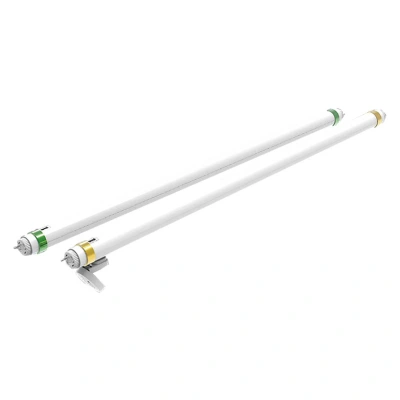
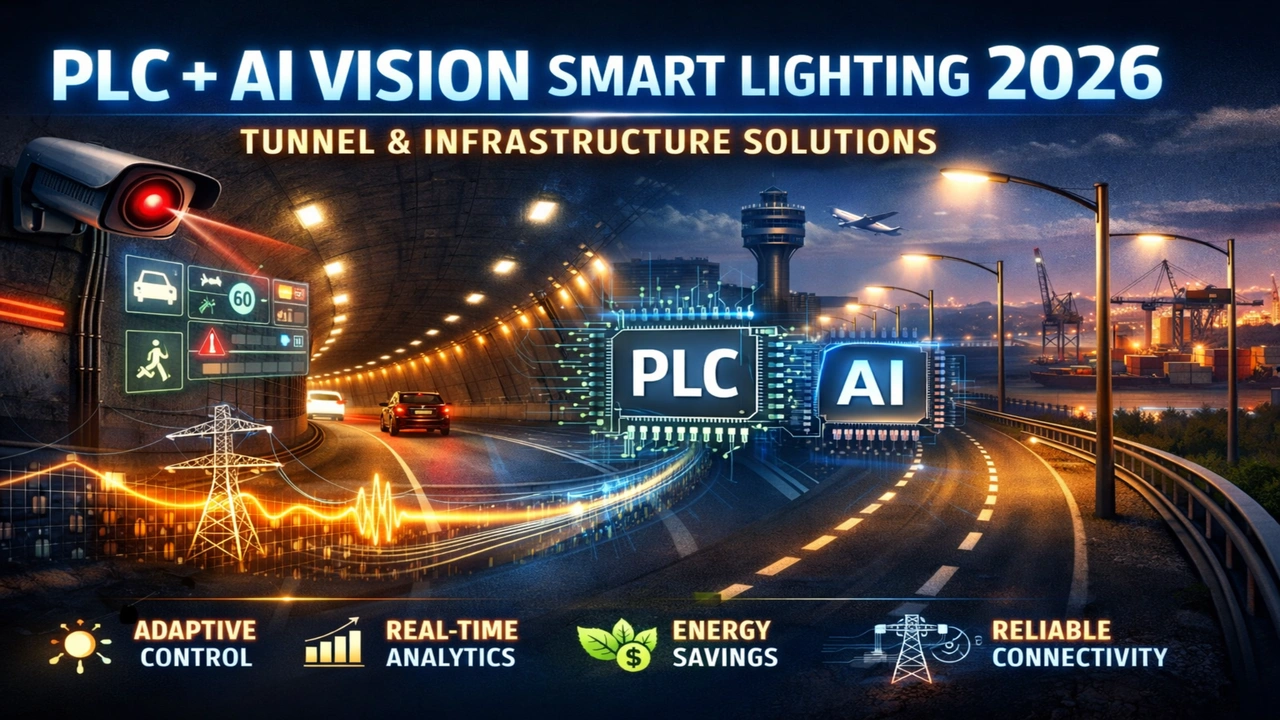
Finally, let's look at tunnel lighting. Tunnels present unique challenges due to their enclosed environment and high traffic volume. Our solution guide provides a detailed plan for implementing a PLC-based lighting system that ensures optimal visibility and safety for drivers. The first step is to select the appropriate LED fixtures. We recommend using linear LED fixtures with a high CRI (Color Rendering Index) to provide accurate color perception. The next step is to install the PLC controllers and connect them to the existing power lines. This is a more complex process than the warehouse and parking lot installations, as it may require specialized equipment and expertise. Once the controllers are installed, they can be configured to automatically adjust lighting levels based on traffic volume and ambient light conditions, ensuring optimal visibility and safety. They can also be integrated with traffic management systems to automatically adjust lighting levels in response to accidents or other incidents. The final step is to monitor the performance of the lighting system and make any necessary adjustments. This can be done remotely using a web-based interface, allowing you to track energy consumption, identify potential problems, and optimize lighting levels.

Each solution guide includes detailed diagrams, wiring schematics, and product recommendations to ensure a seamless and successful implementation. We also provide access to our team of experts who can answer any questions you may have and provide technical support.

Product Comparison and Evaluation

Choosing the right PLC lighting products can be overwhelming. Our detailed product comparison tables provide a side-by-side analysis of key features, technical specifications, and application scenarios, helping you make an informed decision. We understand that every project has different requirements, and that's why we've created comprehensive comparison tables that cover a wide range of products.

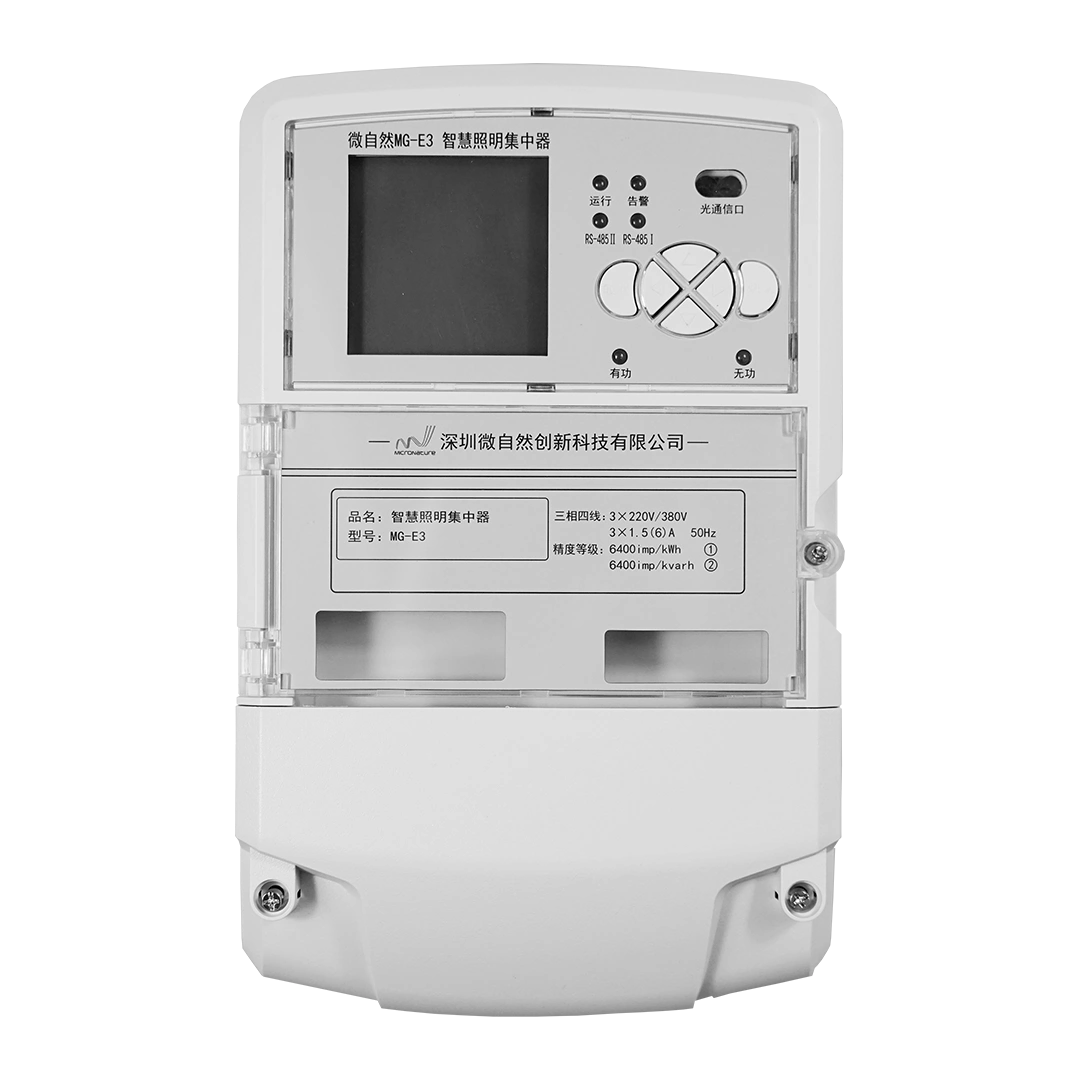
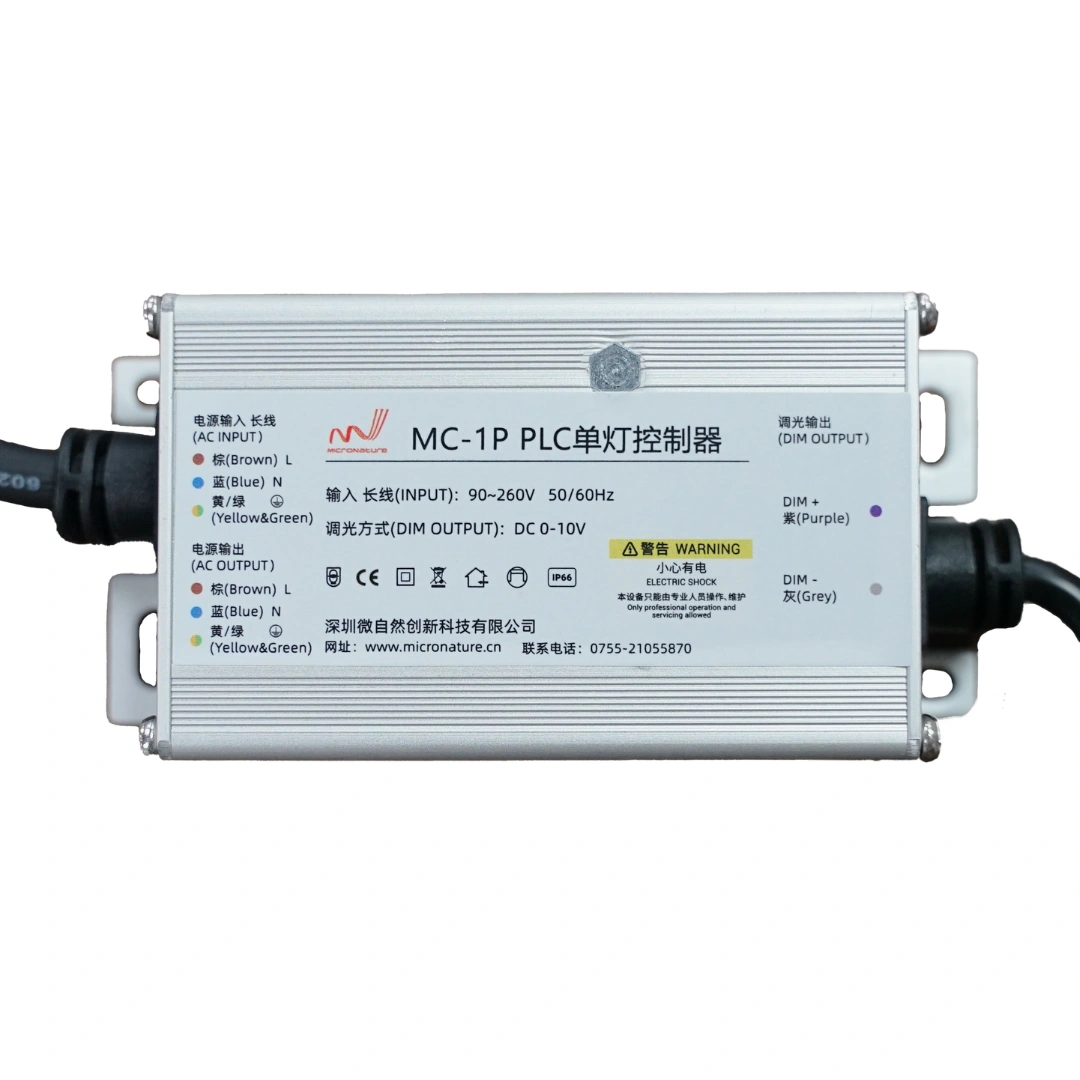
Let's start with a comparison of PLC controllers. PLC controllers are the brains of the lighting system, responsible for controlling and monitoring the light fixtures. There are many different PLC controllers on the market, each with its own unique features and capabilities. Our comparison table provides a detailed analysis of the key features of each controller, such as the number of channels, the communication protocols supported, the operating temperature range, and the power consumption. We also provide information on the application scenarios for each controller, such as warehouse lighting, parking lot lighting, and tunnel lighting. This allows you to quickly identify the controllers that are best suited for your specific project.

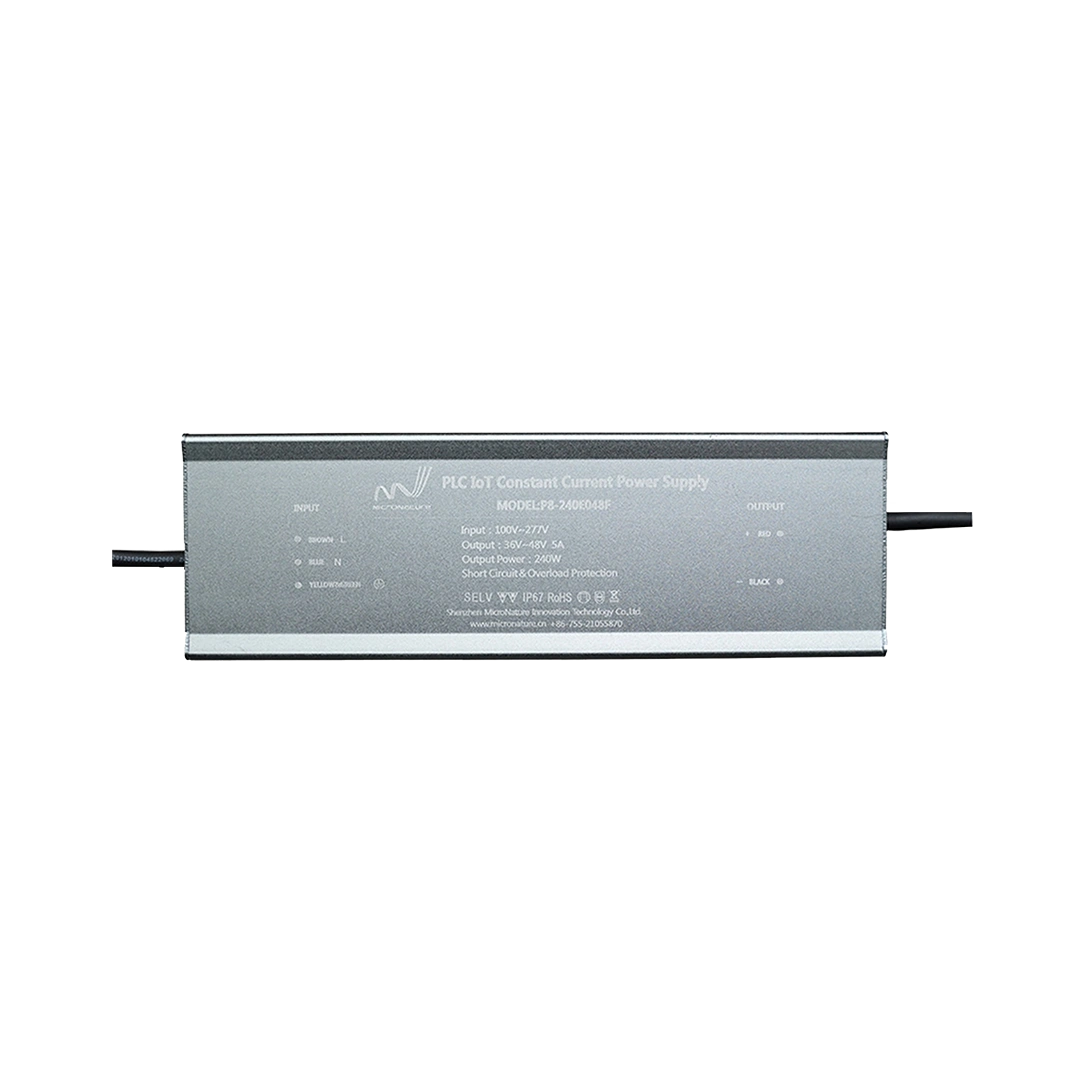
Next, consider LED drivers. LED drivers are responsible for providing a constant current to the LED fixtures, ensuring stable and reliable operation. There are many different LED drivers on the market, each with its own unique features and capabilities. Our comparison table provides a detailed analysis of the key features of each driver, such as the input voltage range, the output current range, the dimming capabilities, and the protection features. We also provide information on the application scenarios for each driver, such as high-bay lighting, street lighting, and architectural lighting. This allows you to quickly identify the drivers that are best suited for your specific project.

Finally, let's look at lighting control software. Lighting control software is used to configure, monitor, and control the PLC lighting system. There are many different lighting control software packages on the market, each with its own unique features and capabilities. Our comparison table provides a detailed analysis of the key features of each software package, such as the user interface, the programming capabilities, the reporting capabilities, and the security features. We also provide information on the application scenarios for each software package, such as smart city lighting, industrial lighting, and commercial lighting. This allows you to quickly identify the software packages that are best suited for your specific project.

In addition to the technical specifications, our product comparisons also include customer reviews and professional evaluations. We gather feedback from real users and independent experts to provide a balanced and objective assessment of each product. This allows you to see how the products perform in real-world applications and identify any potential issues or limitations. We also provide links to relevant articles, case studies, and videos to help you learn more about each product.

For example, you might find that one PLC controller has a higher operating temperature range than another, making it more suitable for outdoor applications. Or you might find that one LED driver has better dimming capabilities than another, making it more suitable for applications that require precise lighting control. By carefully reviewing the product comparisons, you can identify the products that best meet your specific needs and budget.

Implementation Cases and Success Stories

See how PLC lighting solutions have transformed real-world projects. Our case studies showcase the entire process, from initial design to implementation and performance evaluation, providing concrete evidence of the benefits of PLC technology. We believe that real-world examples are the best way to demonstrate the value of our solutions.

Let's start with a case study of a smart city lighting project in a major metropolitan area. The city was looking to upgrade its street lighting system to improve energy efficiency, enhance public safety, and reduce maintenance costs. They chose a PLC-based lighting system because it allowed them to leverage the existing power lines, minimizing disruption during installation and reducing overall project costs. The project involved replacing over 10,000 traditional street lights with LED fixtures equipped with PLC controllers. The controllers were configured to automatically dim or turn off lights during off-peak hours, saving energy and reducing costs. They were also integrated with a central management system, allowing the city to remotely monitor the status of each light, adjust brightness levels, and detect and report faults in real-time. The results of the project were impressive. The city reduced its energy consumption by over 50%, saving millions of dollars per year. They also improved public safety by providing brighter, more uniform illumination. And they reduced maintenance costs by detecting and resolving faults proactively.

Next, consider a case study of an industrial lighting project in a large manufacturing facility. The facility was looking to improve worker productivity, reduce energy consumption, and enhance safety. They chose a PLC-based lighting system because it allowed them to customize the lighting levels based on the needs of different tasks. The project involved replacing over 5,000 traditional fluorescent fixtures with LED fixtures equipped with PLC controllers. The controllers were configured to automatically adjust lighting levels based on the production schedule, ensuring optimal illumination for each task. They were also integrated with occupancy sensors, automatically dimming or turning off lights in unoccupied areas. The results of the project were equally impressive. The facility improved worker productivity by over 20%, reduced energy consumption by over 40%, and enhanced safety by providing better visibility.

Each case study includes detailed data and charts to illustrate the impact of the PLC lighting solution. We also provide testimonials from our clients, who share their experiences and insights. This allows you to see firsthand the benefits of PLC technology and how it can transform your lighting projects. We also highlight the key challenges faced during the implementation process and how we overcame them. This provides valuable insights into the practical aspects of implementing a PLC lighting system.

For example, one challenge might be dealing with electrical noise on the power lines. PLC technology is designed to be robust to electrical noise, but in some cases, additional filtering may be required. We provide guidance on how to identify and mitigate electrical noise issues. Another challenge might be integrating the PLC lighting system with existing building management systems. We provide APIs and protocols that allow seamless integration with a wide range of systems. By sharing our experiences and insights, we hope to help you avoid common pitfalls and ensure a successful implementation.

Customer Support and Services

We're committed to providing exceptional customer support throughout your entire journey. From product selection to installation and maintenance, our team of experts is here to assist you every step of the way. We understand that implementing a PLC lighting system can be complex, and that's why we offer a comprehensive range of support services.

Our product installation guides provide step-by-step instructions and visual aids to help you install our products quickly and easily. We also provide access to our online knowledge base, which contains a wealth of information on our products and technologies. If you have any questions or need assistance, our technical support team is available by phone, email, and online chat. We pride ourselves on providing prompt and helpful support to our customers. We also offer on-site training and support services to help you get the most out of your PLC lighting system.

Our FAQs section addresses common questions and concerns, providing quick and easy answers. We understand that you may have questions about the technology, the products, or the installation process. That's why we've compiled a comprehensive list of frequently asked questions and provided detailed answers. If you can't find the answer to your question in our FAQs section, please don't hesitate to contact our technical support team. We're always happy to help.

For more complex issues, we offer remote diagnostics and troubleshooting services. Our team of experts can remotely access your PLC lighting system and diagnose any problems. We can also provide guidance on how to resolve the issues. This allows us to quickly and efficiently address any problems, minimizing downtime and ensuring that your lighting system is operating at peak performance. We also offer on-site repair services if remote diagnostics and troubleshooting are not sufficient.

We also provide access to our partner network, which includes certified installers and system integrators. Our partners have the expertise and experience to help you design, install, and maintain your PLC lighting system. They can also provide value-added services, such as energy audits and lighting design. By working with our partners, you can ensure that your PLC lighting system is implemented correctly and that you are getting the most out of your investment.

Our contact information is readily available, ensuring you can always reach us when you need assistance. We believe that providing exceptional customer support is essential to building long-term relationships with our customers. We're committed to providing the best possible support to help you succeed with your PLC lighting projects.

Company Introduction

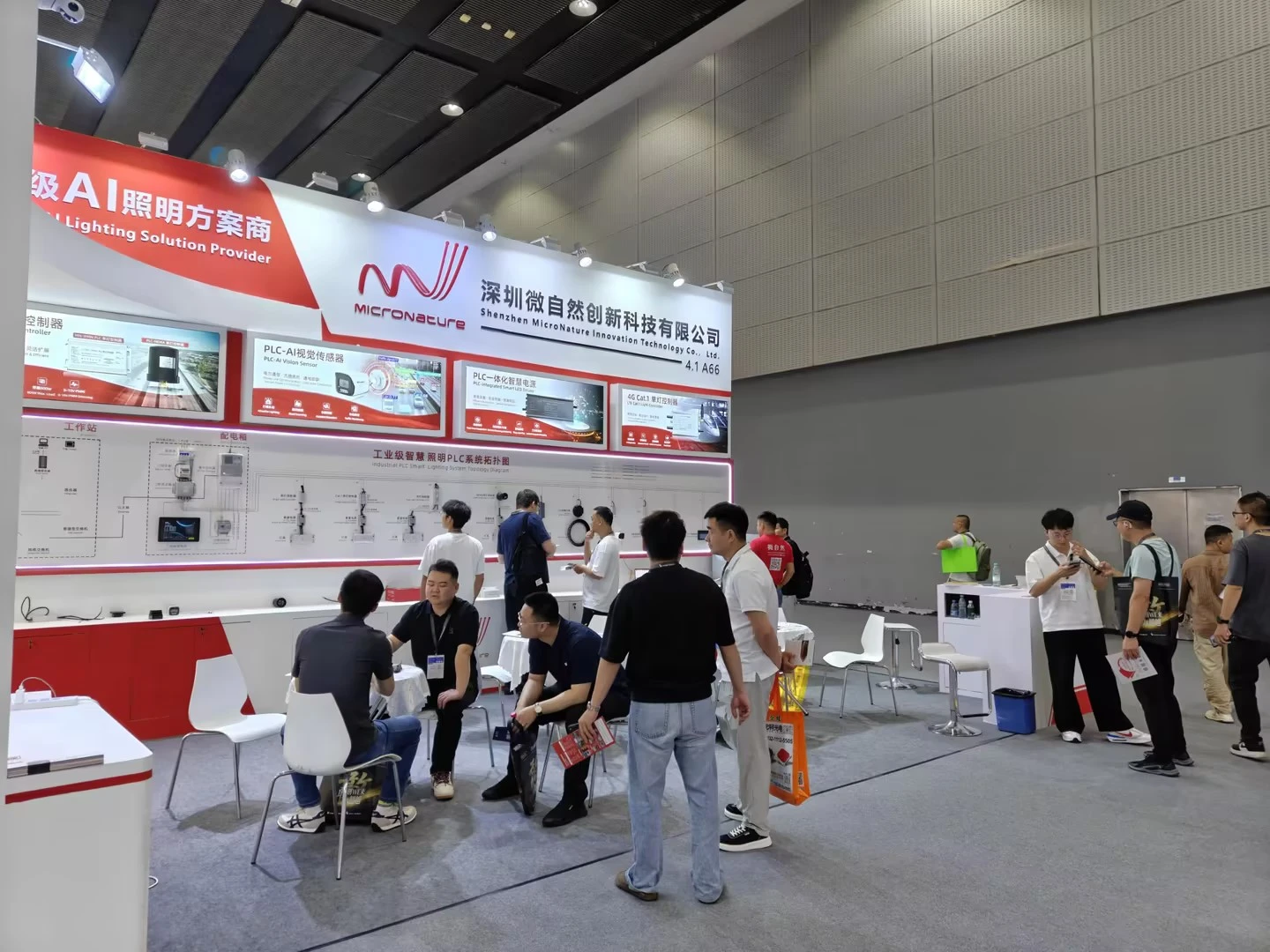
MicroNature delivers professional, cost-effective, and scalable smart lighting solutions that improve energy efficiency, simplify deployment, and support smart cities worldwide.

Company Advantages

As a strategic partner of Huawei HiSilicon’s PLC-IoT chip solutions, Micro-Nature is dedicated to advancing cutting-edge PLC technology, delivering high-quality industrial products, providing reliable services, and enabling seamless IoT connectivity to power smart city development.

%
High Reliability, 99.99% Stable Communication
+
Customers Serviced Over 30+ Countries
+
Our Own Patent
years
Focus on PLC Technology over 10 years
years
Warranty
%
Customer Satisfaction

Partners

PLC street lighting
PLC street lighting
Customer

By adopting MicroNature’s PLC smart lighting solution, our street lighting project achieved stable power-line communication, precise remote dimming, simplified installation without extra wiring, and reliable performance even over long-distance circuits.

PLC gateway
PLC gateway
Customer

By implementing MicroNature’s PLC gateway and PLC light controller in our smart lighting project, we achieved fast device discovery, stable PLC mesh networking, flexible Ethernet and 4G/5G connectivity, and seamless integration with existing dimming drivers—reducing installation time and cost while ensuring reliable performance from day one.

PLC tunnel lighting
PLC tunnel lighting
Customer

After upgrading to MicroNature’s PLC tunnel lighting system with AI vision sensors, we achieved significantly improved stability, efficiency, and intelligent control. Unlike previous DALI and wireless solutions, the PLC system delivered reliable communication even in challenging warehouse environments, while AI-based sensing enabled adaptive dimming, reduced maintenance effort, and substantial energy savings.

Previous
Next
China New Year Holiday Notice

Chinese New Year Holiday Notice | PLC System Operation Announcement

Shenzhen MicroNature Innovation Technology Co. Ltd. will observe the Chinese New Year holiday from Feb. 15 to Feb. 23, resuming work on Feb. 24. During the holiday period, all PLC (Power Line Communication) systems and devices will continue to operate normally, ensuring stable and uninterrupted system performance.

Keep Reading

More News

PLC_AI_Industrial_Sales

Smart Equipment Deserves Smart Selling: Why PLC + AI Is Reshaping Global Industrial Sales

PLC + AI is bridging the gap between smart factories and smart selling. By connecting real-world operational data with AI-driven insights, manufacturers are transforming how industrial equipment is configured, priced, and sold.

PLC_Smart_Lighting_Cup

We Win AI Lighting Special Award at the Smart Lighting Cup: Recognizing the Power of PLC + AI Digitalization

We are honored to win the AI Lighting Special Award at the Smart Lighting Cup during the Shanghai IoT Lighting Conference. This recognition highlights our technical leadership and confirms the value of our PLC (power line carrier communication) + AI digitalization approach in smart lighting systems.

PLC_AI_IoT

How PLC and AI Elevate IoT-Driven Supply Chain Automation Reliability

IoT sensors are redefining supply chain automation, but reliable data delivery is critical. Learn how PLC combined with AI enables predictive maintenance, intelligent inventory visibility, and resilient warehouse operations—without costly network infrastructure.

PLC_Smart_Lighting_Banner

Rising Component Costs Reshape Industrial Lighting: Why PLC-Based Smart Lighting Is the Optimal Path Forward

Rising chip and material costs are reshaping the industrial lighting market. PLC smart lighting offers a cost-effective alternative by using existing power lines for communication, reducing infrastructure complexity while enabling intelligent control, energy efficiency, and long-term operational savings for industrial environments.

FAQs

PLC technology uses existing power lines to transmit data, eliminating the need for additional communication wiring. This simplifies installation, reduces infrastructure costs, and enables reliable communication across large networks. It’s ideal for smart lighting, industrial control, and energy management applications.