
MN-L80A Power Line Communication (PLC) Module | IEEE P1901.1 OFDM Module for Smart Lighting & Industrial IoT
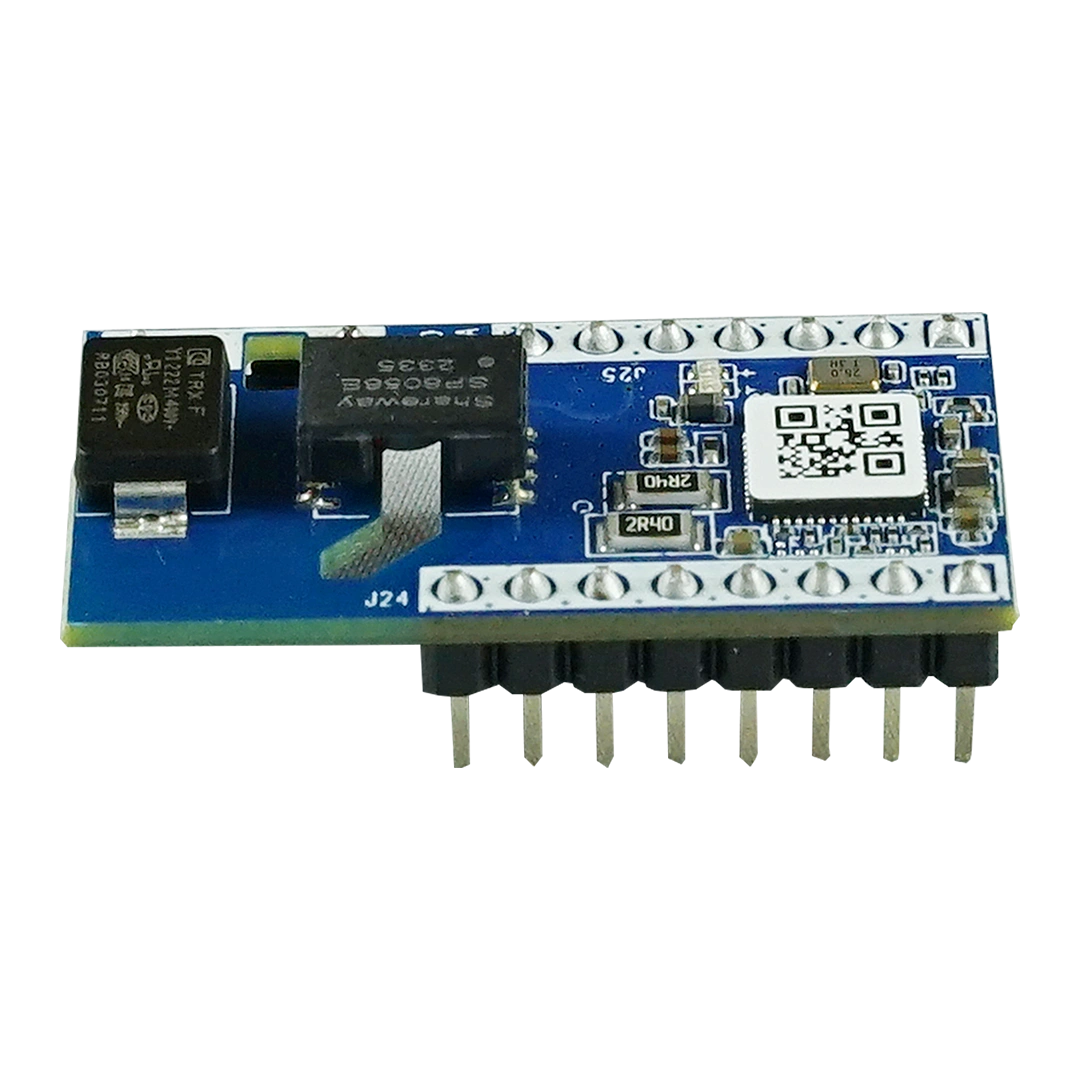
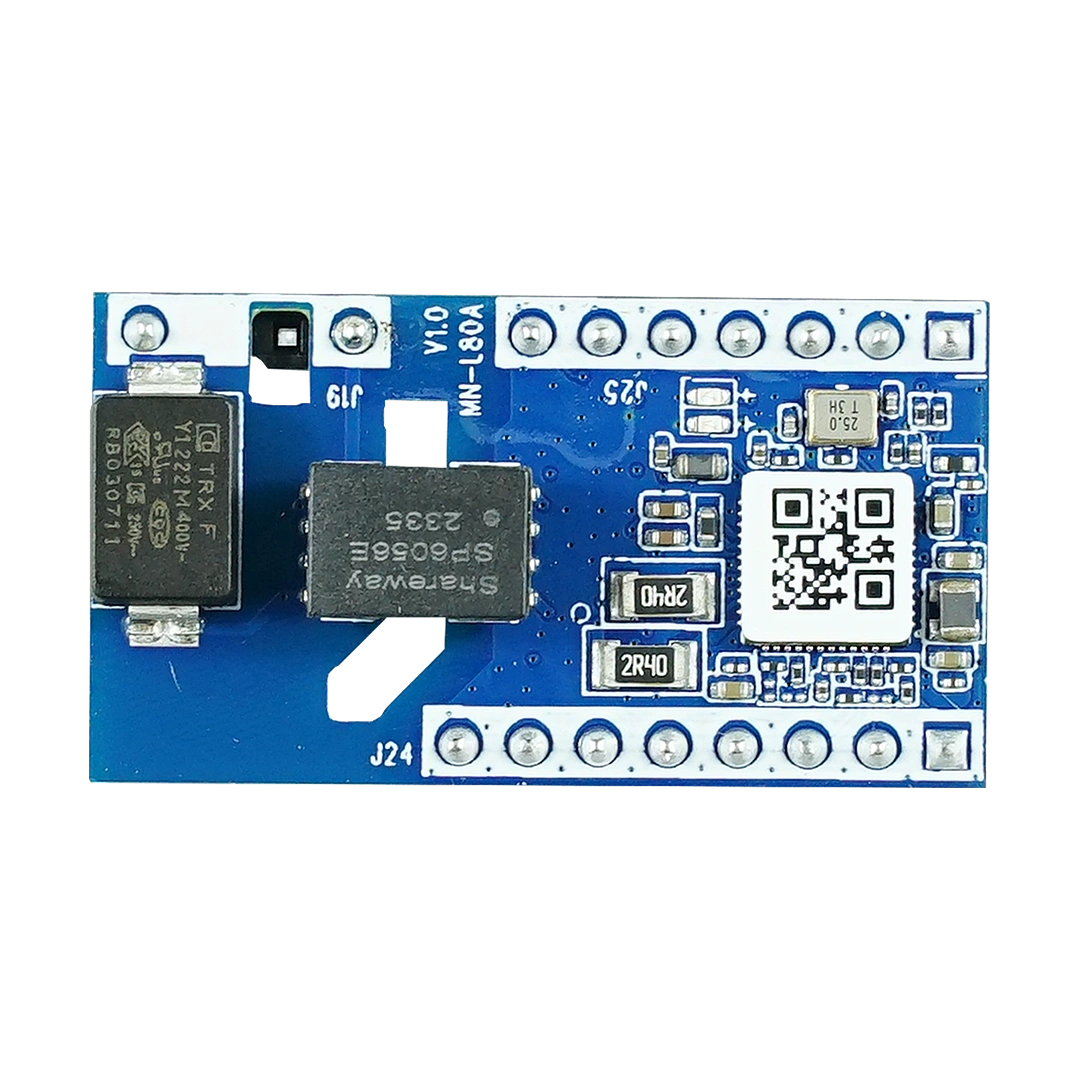
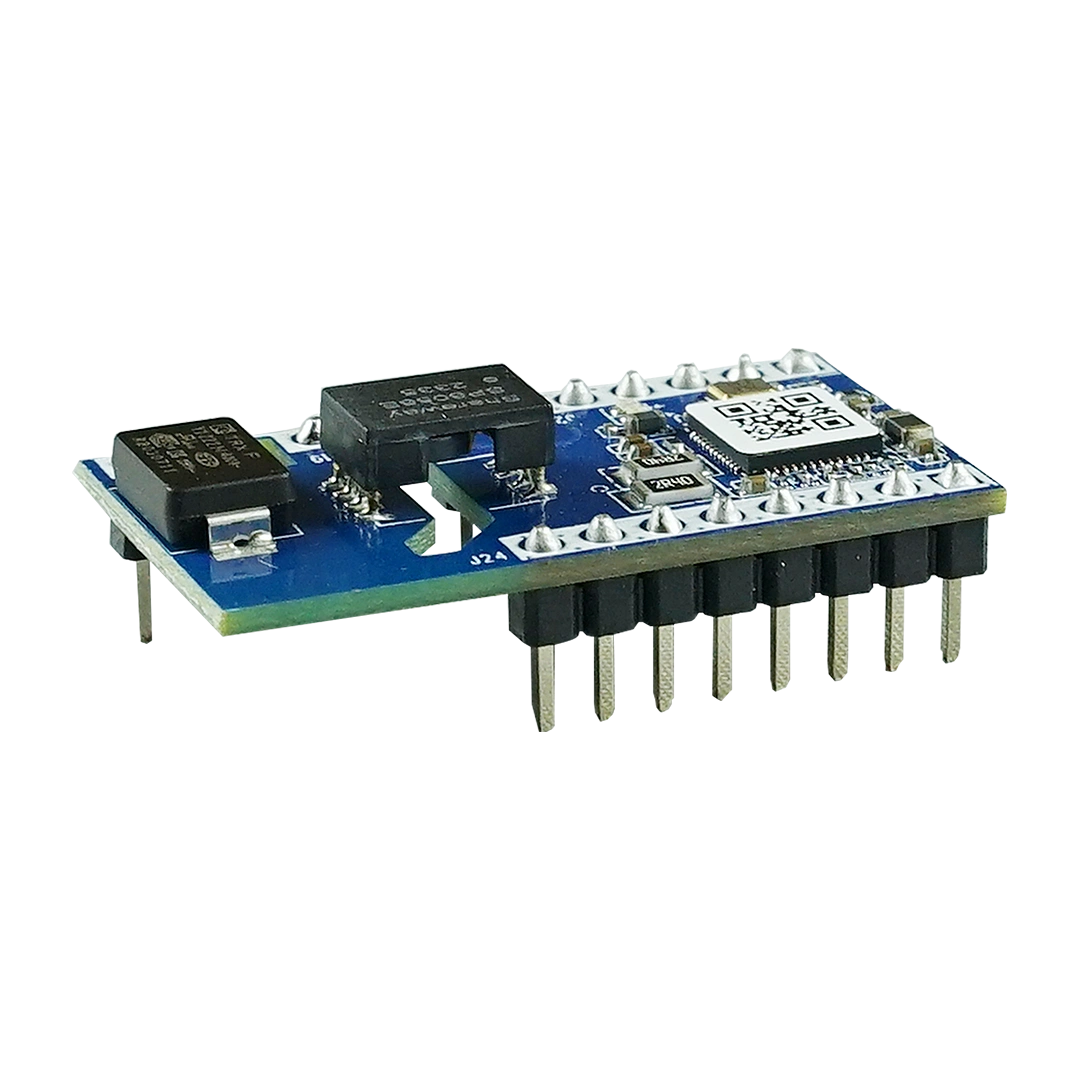
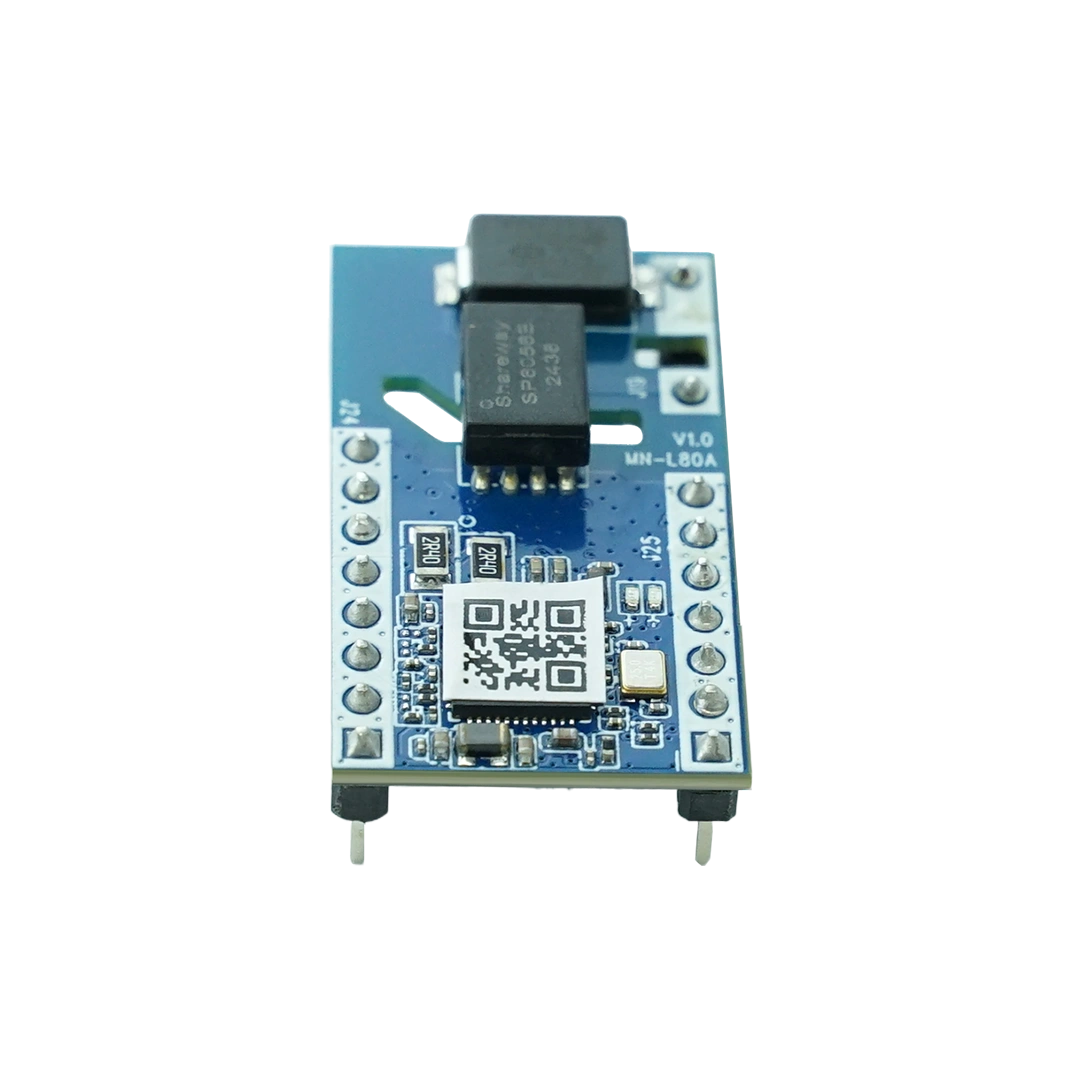
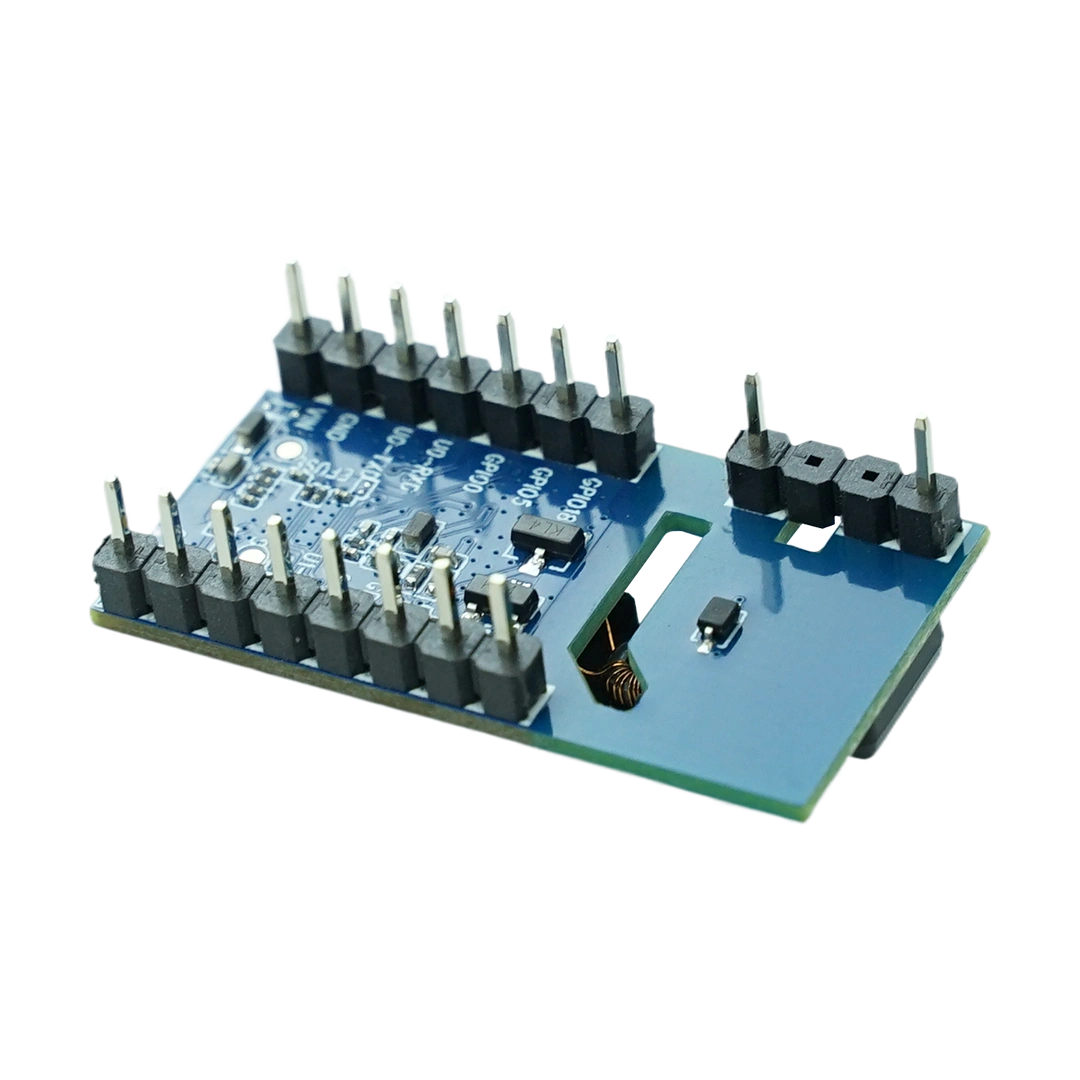
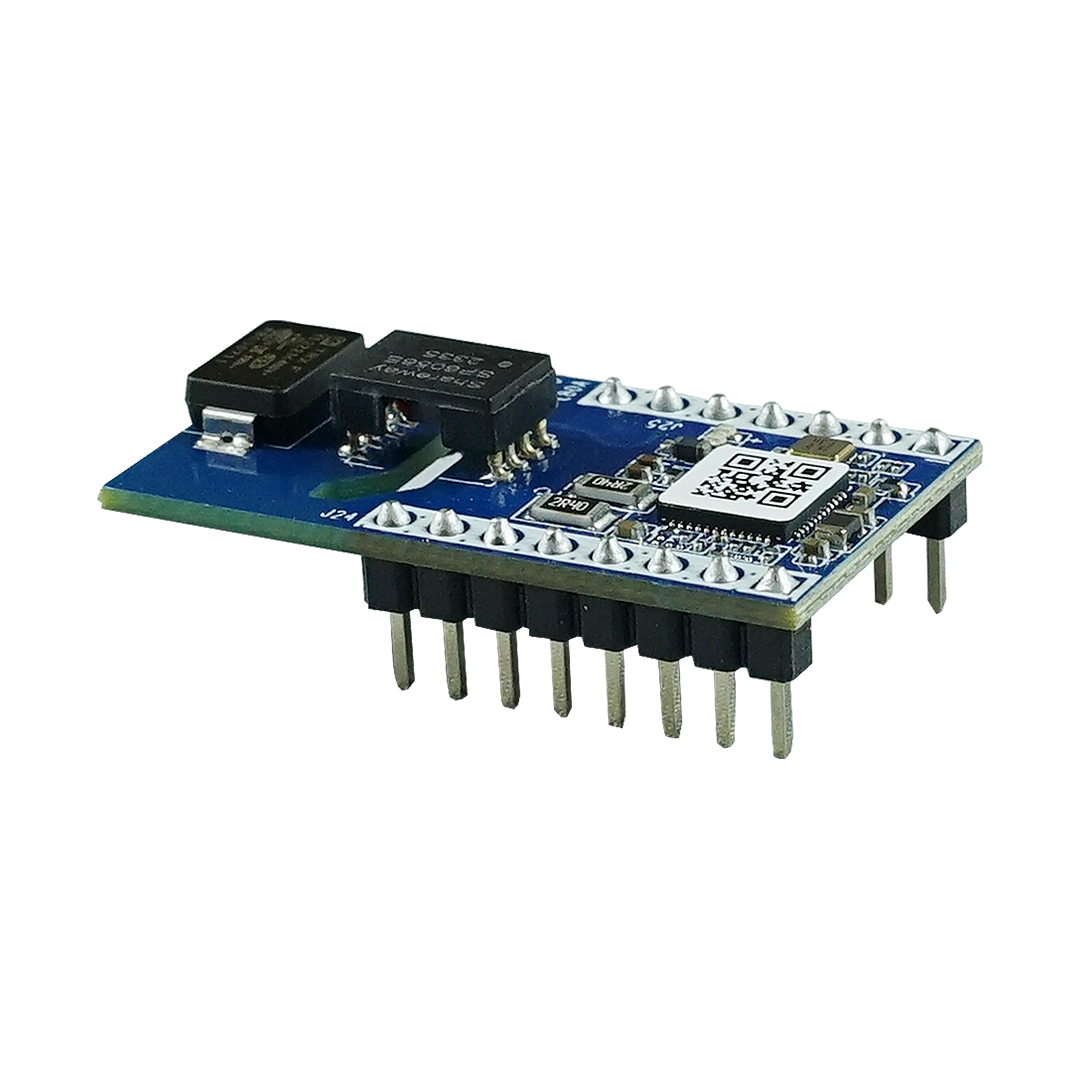
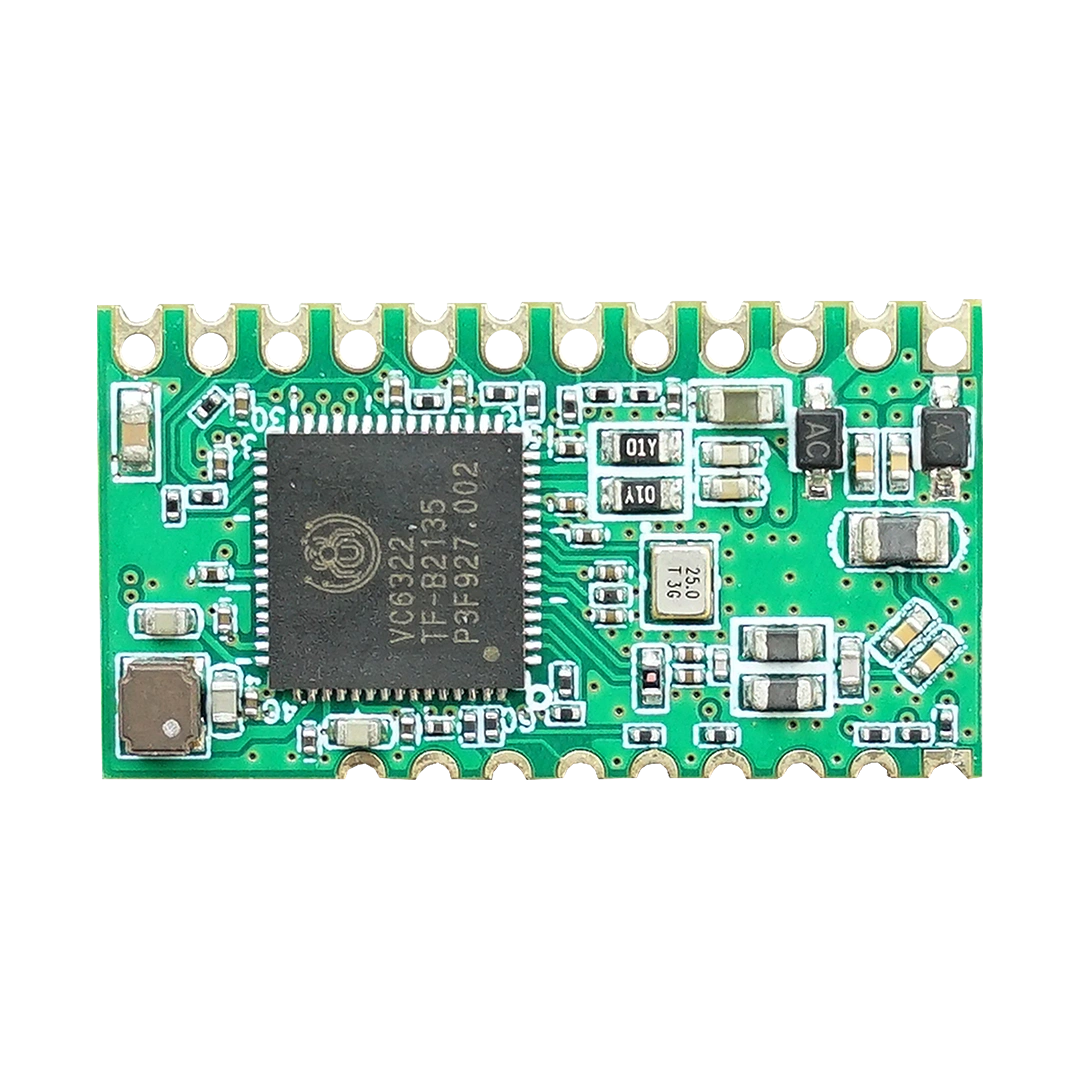
The MN-L80A is an embedded PLC communication module designed for smart lighting, industrial IoT, smart parking, HVAC and energy management applications. It uses Power Line Communication to transmit data over existing electrical power lines. Built on the PS0211 chipset with an ARM Cortex-M3 processor, the MN-L80A supports IEEE P1901.1, OFDM/FSK modulation, and multiple MCU interfaces for rapid OEM integration.
The MN-L80A is a highly integrated, ultra-compact PLC communication module designed for simplified wiring and space-saving deployment. Ideal for smart street lighting, smart homes, intelligent parking systems, central air conditioning, and IoT terminal devices, the MN-L80A enables real-time PLC communication across ubiquitous power networks.
High-Performance Chip
Powered by the PS0211 chip, the MN-L80A integrates a multi-mode PLC modem (high-speed/low-speed) with an ARM Cortex-M3 processor, delivering stable, high-speed data transmission for complex PLC networks.
Standards Compliance
Fully compliant with IEEE P1901.1 standards, the module supports OFDM and FSK modulation, as well as tonemask and SunSpec standards, ensuring robust compatibility for smart IoT and industrial applications.
Versatile Interfaces
Equipped with multiple interfaces including UART, PWM, GPIO, ADC, SPI, and I2C, the MN-L80A allows flexible development and easy integration into PLC-based IoT systems.
Integrated Design
The module features a built-in line driver to enhance signal transmission reliability, ensuring stable communication in smart city and industrial networks.
Developer-Friendly
Provides an open development environment and a secure, efficient operating system for rapid deployment of PLC-enabled IoT and smart solutions.
Product Advantage
1)CPU & Memory Performance
- High-performance Cortex-M3 processor running at 200MHz.
- Embedded 256KB SRAM and 512KB Flash for efficient data processing and storage.
2)PHY Layer Features
- Compliant with a subset of IEEE 1901.1 standard, ensuring interoperability with compatible chips.
- Supports dual frequency bands: 0.5-3.7MHz and 2.5-5.7MHz, configurable via software.
- Utilizes OFDM technology with BPSK/QPSK modulation.
- Features FEC (Forward Error Correction) and CRC (Cyclic Redundancy Check) for robust noise immunity and error correction.
3)MAC Layer Features
- Supports TDMA (Time Division Multiple Access) and CSMA/CA (Carrier Sense Multiple Access/Collision Avoidance) for optimized channel access.
- Enables data segmentation and reassembly to improve transmission efficiency.
- Implements data retransmission for reliable communication.
- Offers 4-level QoS (Quality of Service) to prioritize diverse traffic.
4)Networking Capabilities
- Fast auto-networking: Establishes 200-node, 2-tier networks within 10 seconds.
- Supports dynamic routing and multi-path addressing.
- Compatible with unicast, multicast, and broadcast communication modes.
5)Peripheral Interfaces
Provides UART, GPIO, SPI, I2C, PWM output, and ADC input interfaces.
6)Communication Metrics
- PHY layer peak rate: 0.507Mbps | Application layer rate: 80Kbps.
- Transmit power: Built-in Line Driver with up to -51dBm/Hz.
- Receiver sensitivity: -98dBm (lab-tested at 30% packet reception rate).
Product Parameters
| Module Name | MN-L80A |
| Main Interfaces | UART, PWM, GPIO,ADC, SPI,I2C |
| Communication Methods | Power line communication, supports OFDM/FSK modulation |
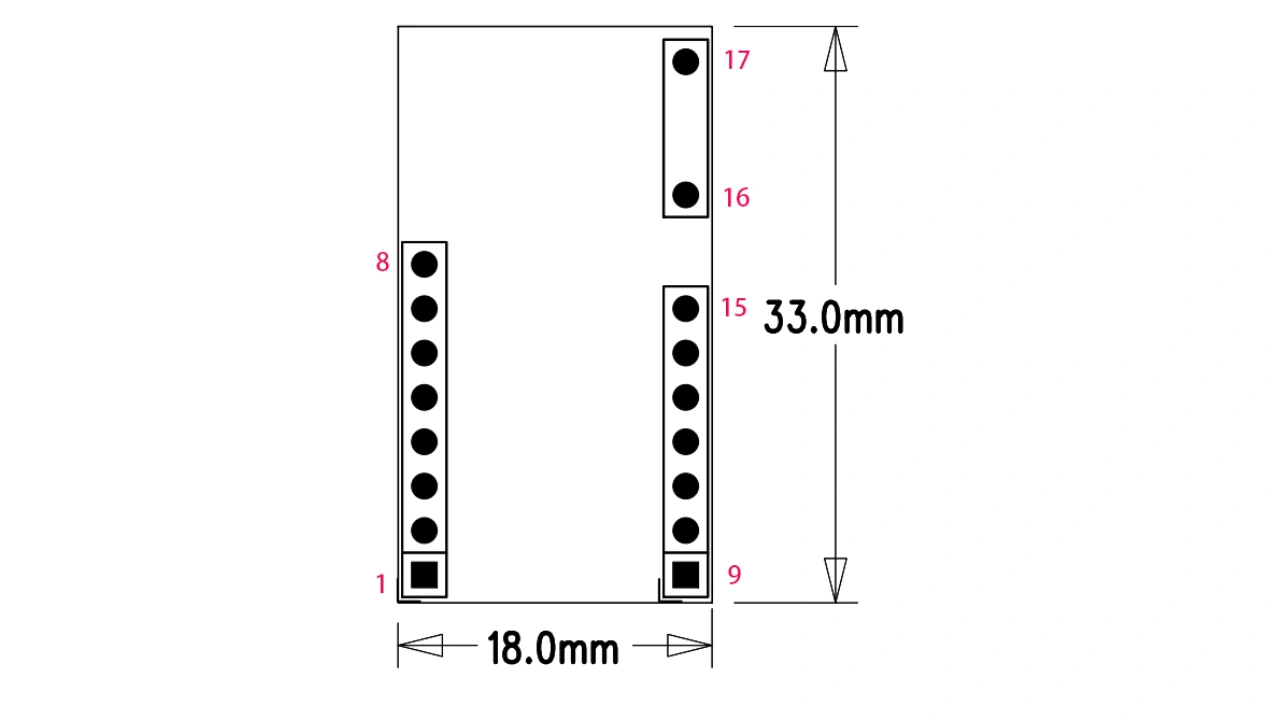
| PCB Size | 33.0mm*18.0mm*5.8±0.3mm(Pin Height: 8mm) |
| Static Power Consumption | ≤ 0.15W (networking without packet sending) |
| Dynamic Operating Power | ≤ 0.5W |
| Operating Voltage | 3.3±0.3V DC |
| Operating Temperature | -40℃~+85℃ |
| Storage Temperature | -40℃~+125℃ |
Why Choose MN-L80A
| Feature | Customer Benefit |
|---|---|
| IEEE P1901.1 | Industry-standard interoperability |
| OFDM/FSK | Reliable communication in noisy power environments |
| ARM Cortex-M3 | High processing performance |
| Built-in Line Driver | Improved transmission stability |
| UART / SPI / I²C / GPIO | Easy integration with OEM controllers |
| Fast Auto Networking | Faster commissioning |
| 200-node Mesh | Large project scalability |
| Low Power Consumption | Suitable for embedded devices |
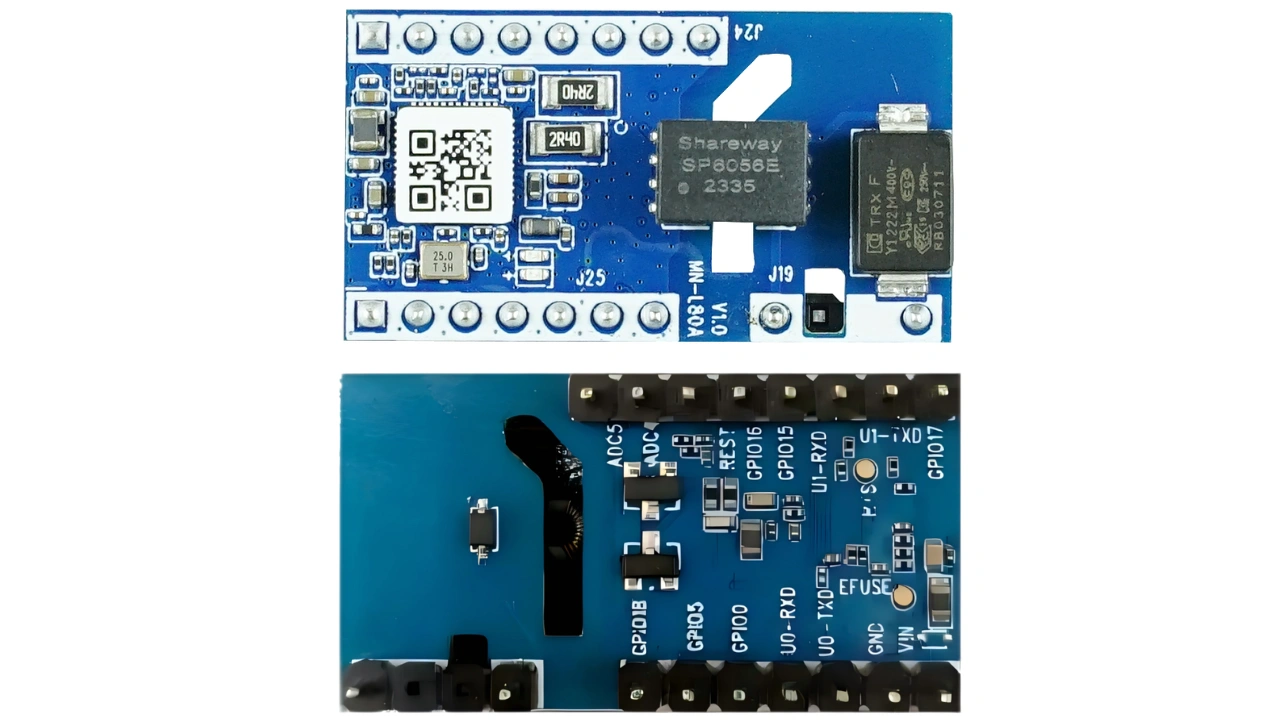
Pin Definition
Hardware Design Description
1)Input Power Requirements
| Min | Type | Max | Unit | |
| 3.3Vin | 3.0 | 3.3 | 3.6 | V |
- Place at least one 10uF, 0.1uF ground energy storage capacitor near the 3.3V input of the module on the mainboard to reduce the power ripple. The peak-to-peak value of the ripple is within 100mVpp.
- The module 3.3V is isolated from other 3.3V on the mainboard by using 600R/100MHz, 1A or more ferrite beads.
- The module 3.3V circuit guarantees at least 200mA or more current requirements.
2)PLC Signal Peripheral Design
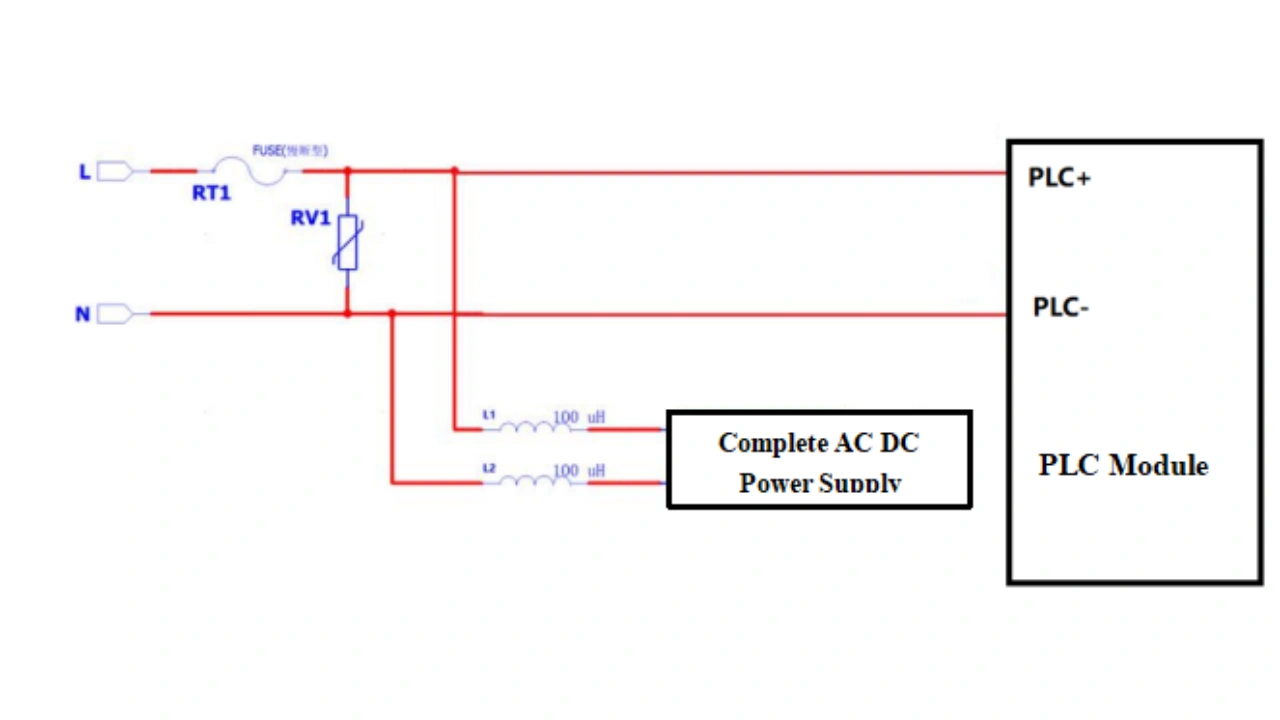
For the overall product design, the safety protection design on the L/N line, and the PLC signal coupling design, it is strongly recommended to refer to the following circuit diagram and material selection.
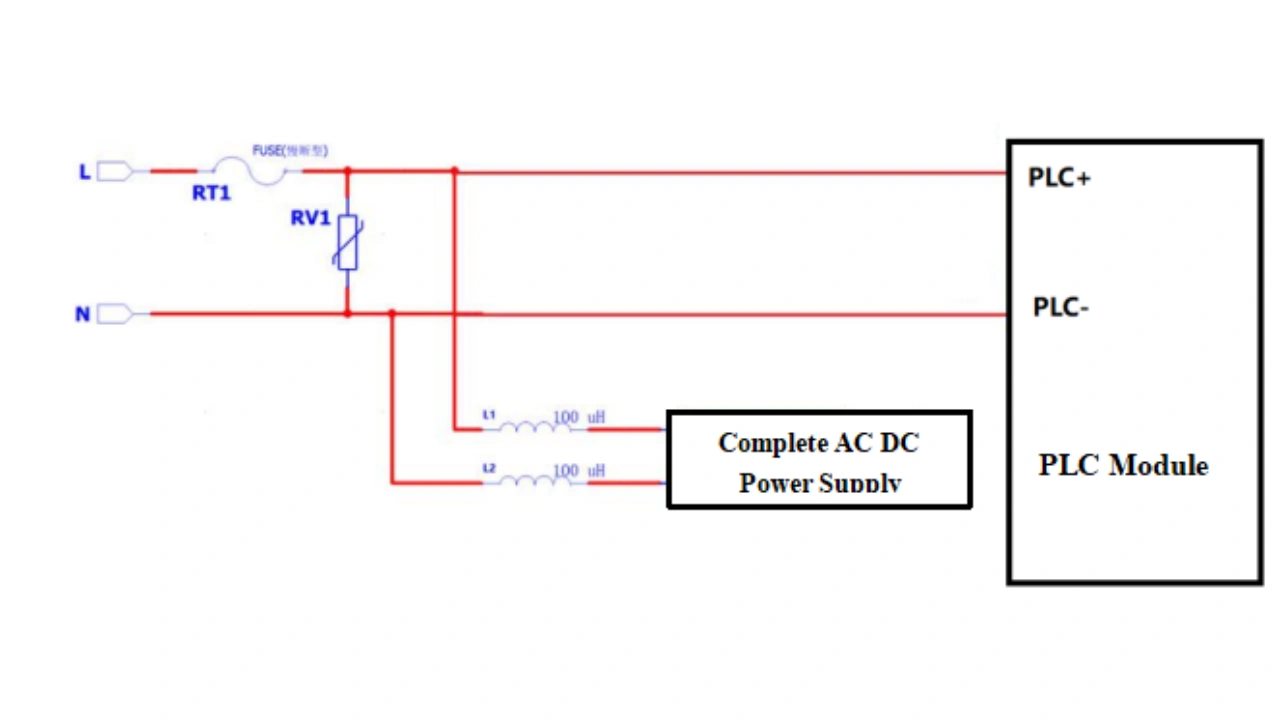
Note: RT1 in the figure is a fuse. The PLC signal access point needs to be behind the varistor (RV1). The varistor junction capacitance is recommended to be less than 600pF. Two differential mode inductors (L1/L2) need to be connected in series behind the PLC signal to isolate it from the power supply of the whole machine. The differential mode inductor value is recommended to be 50~100uH.
3)CCO and STA Typical Networking Diagram
- CCO is the PLC centralized controller, and STA is the PLC station.
- CCO and STA have the same hardware but different software.
- In simple applications, CCO can be networked independently without an external MCU. Networking that requires cloud access requires an external MCU to be implemented through wired Ethernet or wireless.
- In a typical CCO networking environment, it is recommended to add an AC220 isolator to the 220VAC line at the front end of the CCO to filter out noise from other power networks to avoid affecting the local CCO network communication quality. This also reduces the interference of the local CCO on other PLC communication networks.
MN-L80A vs Wireless Communication
| Feature | MN-L80A PLC | LoRa | Zigbee | Wi-Fi |
|---|---|---|---|---|
| Uses existing power cables | ✅ | ❌ | ❌ | ❌ |
| Additional communication wiring | None | None | None | None |
| RF interference | None | Possible | Possible | High |
| Underground deployment | Excellent | Limited | Limited | Poor |
| Industrial EMI | Excellent | Moderate | Moderate | Moderate |
| Smart lighting | Excellent | Good | Good | Fair |
PLC Module vs PLC Chipset
| PLC Chipset | MN-L80A PLC Module |
|---|---|
| Semiconductor IC | Complete communication module |
| Requires PCB design | Ready for PCB integration |
| Intended for chip developers | Intended for OEM equipment manufacturers |
| Longer development cycle | Faster product development |
| Requires RF tuning | Factory-tested communication module |
FAQ
1. What is the MN-L80A PLC communication module used for?
The MN-L80A is a highly integrated PLC communication module designed for real-time smart street lighting, smart homes, parking systems, HVAC, and IoT applications.