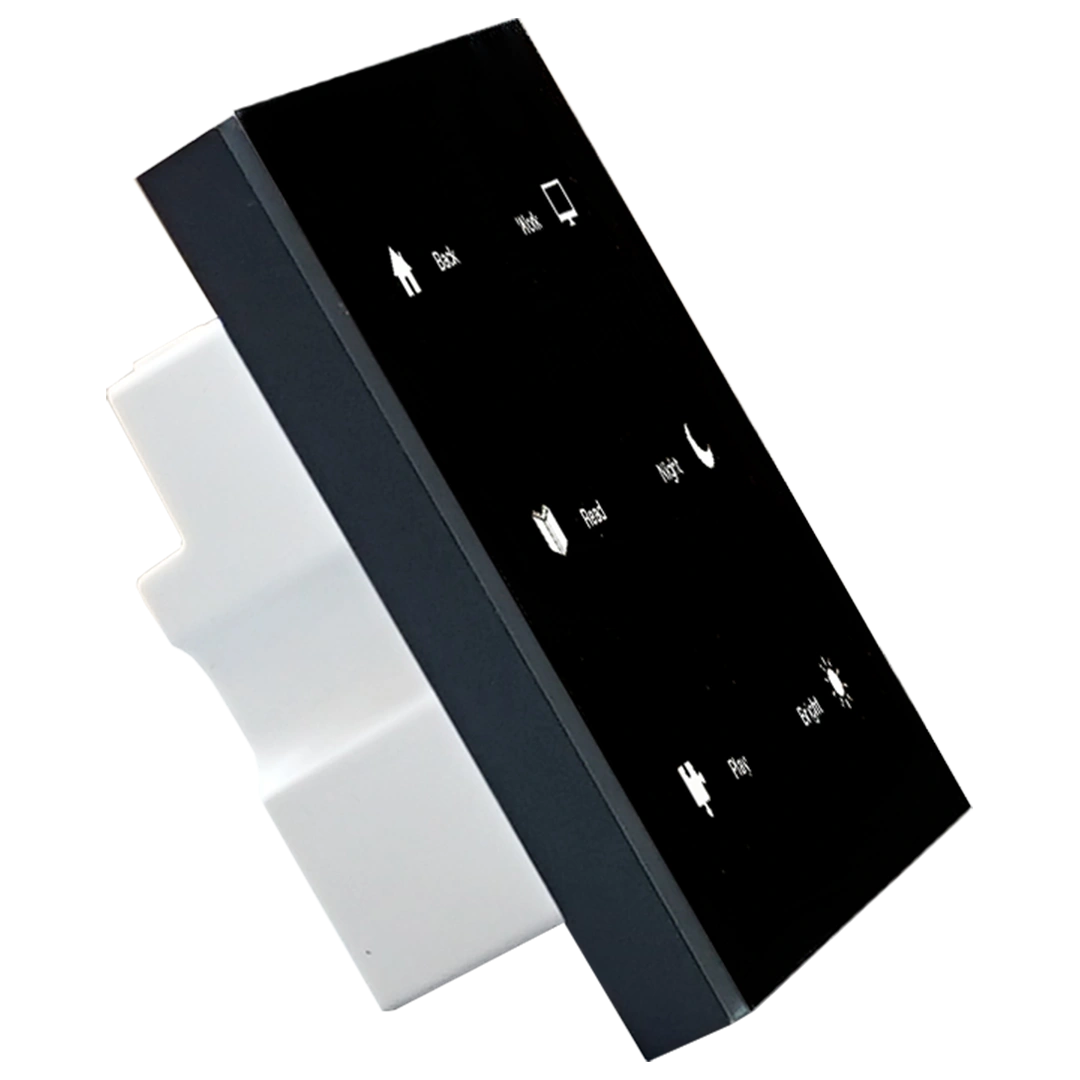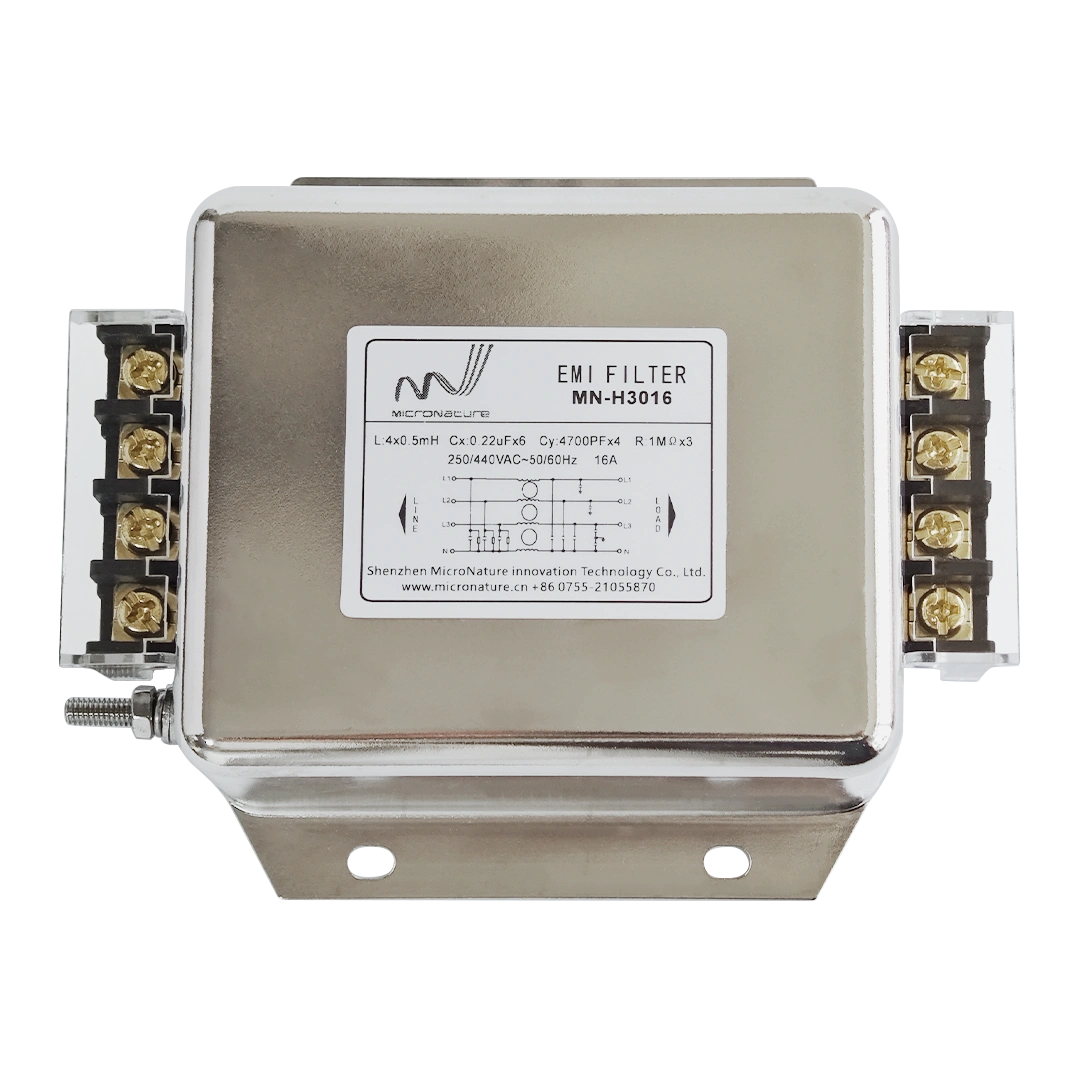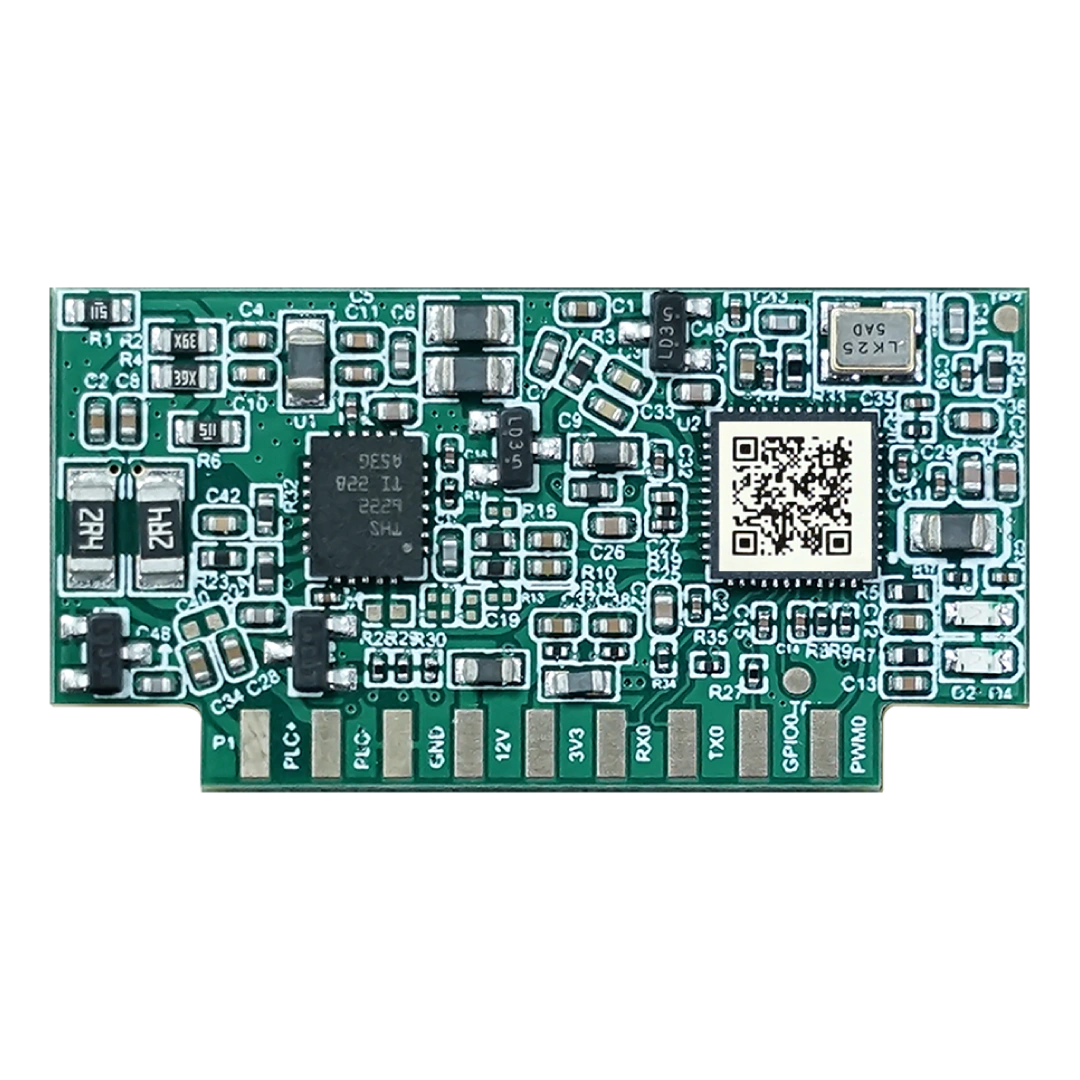
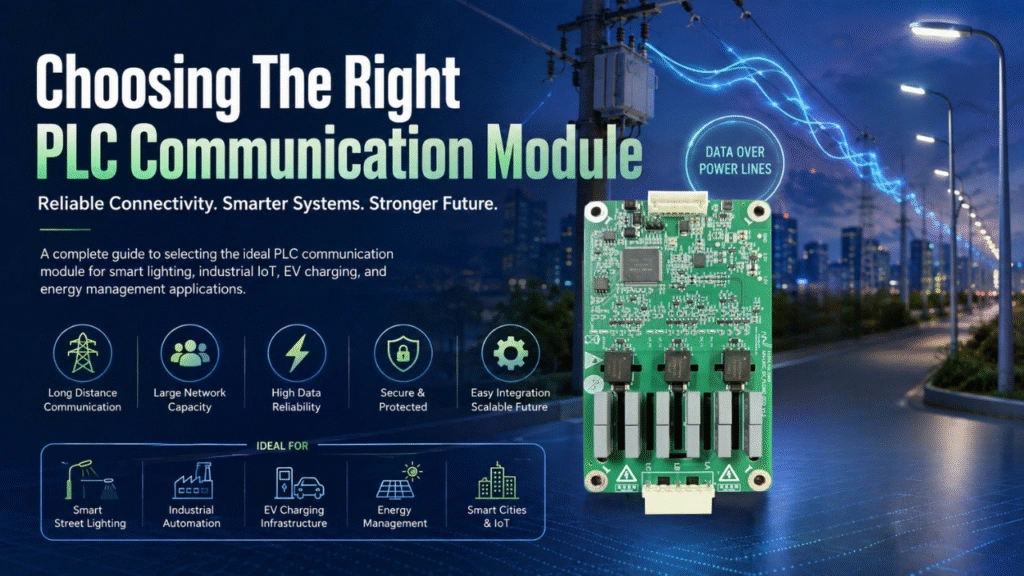
Die Power Line Communication (SPS)-Technologie ermöglicht die Datenübertragung über bestehende Stromkabel, wodurch zusätzliche Kommunikationsleitungen überflüssig werden. Von intelligenter Straßenbeleuchtung und industrieller Automatisierung bis hin zu Photovoltaiksystemen und EV-Ladeinfrastruktur wird SPS-Technologie zu einer bevorzugten Lösung für zuverlässige, skalierbare und kosteneffiziente Konnektivität.
Die Auswahl des richtigen SPS-Kommunikationsmoduls kann jedoch eine Herausforderung sein. Verschiedene Projekte erfordern unterschiedliche Kommunikationsdistanzen, Datenraten, Netzwerkkapazitäten, Umweltschutz und Integrationsmethoden.
Dieser Leitfaden erklärt die wichtigsten Faktoren bei der Auswahl eines SPS-Kommunikationsmoduls und hilft Ingenieuren, Systemintegratoren und OEM-Herstellern, die ideale Lösung für ihre Anwendungen zu identifizieren.
Was ist ein SPS-Kommunikationsmodul?
Ein SPS-Kommunikationsmodul ist ein eingebettetes Kommunikationsgerät, das es Geräten ermöglicht, Daten über bestehende Stromleitungen auszutauschen.
Anstatt separate Ethernet-Kabel, Glasfaserleitungen oder drahtlose Netzwerke zu installieren, nutzt ein SPS-Modul die Strominfrastruktur selbst als Kommunikationsmedium.
SPS-Module umfassen in der Regel:
- Signalverarbeitungsschaltungen
- Modulations- und Demodulationsfunktionen
- Kopplungsschaltungen
- Netzwerkmanagement-Funktionen
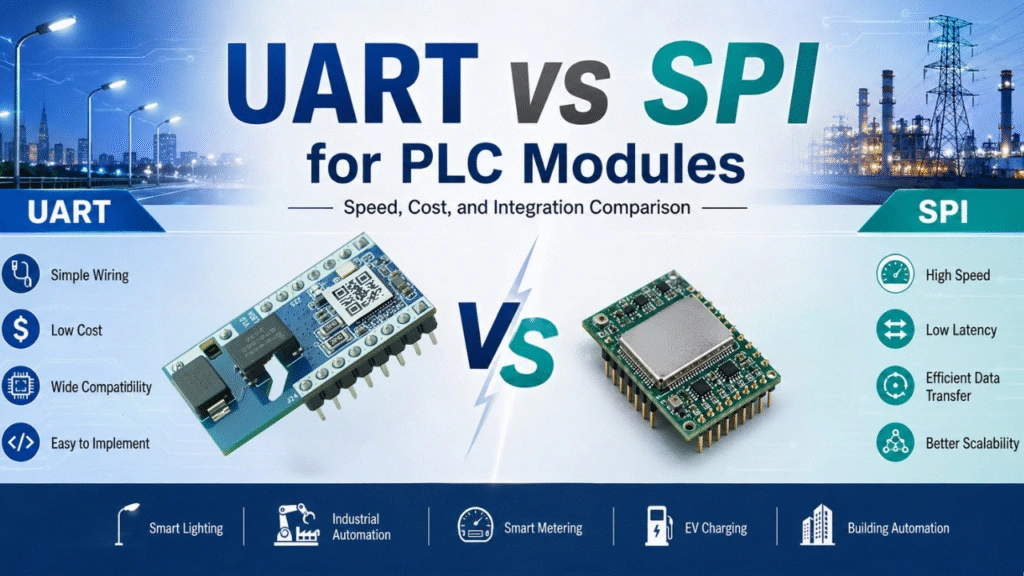
- Kommunikationsschnittstellen wie UART, SPI, Ethernet oder RS-485
Typische Anwendungen sind:
- Intelligente Straßenbeleuchtung
- Industrielle Beleuchtungssysteme
- Tunnelbeleuchtung
- Lagerhausbeleuchtung
- Solarenergiesysteme
- Ladestationen für Elektrofahrzeuge
- Intelligente Gebäude
- Energieüberwachungssysteme
Warum die Wahl des richtigen SPS-Moduls wichtig ist
Die Wahl des falschen Kommunikationsmoduls kann zu mehreren Problemen führen:
- Instabile Kommunikationsleistung
- Erhöhte Einsatzkosten
- Verringerte Netzkapazität
- Schwierige Systemintegration
- Schlechte Skalierbarkeit
- Höhere Wartungsanforderungen
Das richtige Modul verbessert:
- Installationseffizienz
- Systemzuverlässigkeit
- Netzwerkstabilität
- Energieeffizienz
- Langfristige Kapitalrendite
Wichtige Faktoren, die zu beachten sind
1. Kommunikationsdistanz
Der Kommunikationsbereich ist oft der erste Parameter, den Ingenieure bewerten.
Die Übertragungsreichweite hängt von mehreren Faktoren ab:
- Stromleitungsqualität
- Elektromagnetische Störungen (EMI)
- Kabellänge
- Kupplungsdesign
- Transformatorkonfiguration
Anwendungen wie intelligente Straßenbeleuchtung erfordern typischerweise Kommunikation über große Flächen, weshalb Fernübertragungsmöglichkeiten unerlässlich sind.
2. Netzkapazität
Die Netzwerkkapazität bestimmt, wie viele Geräte innerhalb desselben Netzwerks betrieben werden können.
Zu den zu berücksichtigenden Fragen gehören:
- Wie viele Leuchten werden installiert?
- Werden später zusätzliche Geräte hinzugefügt?
- Ist Mesh-Netzwerk erforderlich?
- Wie viele Gateways werden eingesetzt?
Große kommunale Beleuchtungsprojekte erfordern oft Hunderte oder Tausende von Knoten.
3. Datenübertragungsgeschwindigkeit
Verschiedene Anwendungen erfordern unterschiedliche Bandbreitenniveaus.
| Anwendung | Typische Anforderung |
|---|---|
| Straßenbeleuchtungssteuerung | Niedrige Bandbreite |
| Meteranzeige | Mittlere Bandbreite |
| Videoübertragung | Hohe Bandbreite |
| Integration von KI-Sensoren | Hohe Bandbreite |
Die Auswahl eines Moduls mit angemessener Datenrate gewährleistet einen stabilen und effizienten Betrieb.
4. OFDM- oder FSK-Technologie
SPS-Kommunikationsmodule verwenden in der Regel entweder OFDM (Orthogonal Frequency Division Multiplexing) oder FSK (Frequency Shift Keying).
| Ausstattung | OFDM | FSK |
| Datenrate | Höher | Lower |
| Lärmimmunität | Ausgezeichnet | Gut |
| Übertragungseffizienz | Hoch | Moderat |
| Netzkapazität | Groß | Kleiner |
| Komplexität | Höher | Lower |
OFDM-Lösungen werden aufgrund ihrer Robustheit und Skalierbarkeit häufig für große intelligente Beleuchtungsnetzwerke ausgewählt.
5. Umweltbedingungen
Industrieumgebungen weisen häufig erhebliche elektrische Störungen und raue Betriebsbedingungen auf.
Betrachten Sie die folgenden Faktoren:
- Temperaturbereich
- Luftfeuchtigkeit
- Staubbeständigkeit
- Elektromagnetische Störungen
- Spannungsschwankungen
- Anforderungen an den Blitzschutz
Zuverlässige Module sollten auch in anspruchsvollen Umgebungen weiterhin funktionieren.
6. Schnittstellenkompatibilität
Das SPS-Modul sollte sich nahtlos in das Host-System integrieren.
Häufige Schnittstellen sind:
- UART
- SPI
- I²C
- Ethernet
- RS-485
- Modbus
Die Wahl der richtigen Schnittstelle verringert die Entwicklungszeit und vereinfacht die Systemintegration.
7. Sicherheitsanforderungen
Cybersicherheit ist in modernen Beleuchtungsnetzwerken und industriellen Internet-of-Things-(IIoT)-Implementierungen immer wichtiger geworden.
Wichtige Merkmale sind:
- Datenverschlüsselung
- Geräteauthentifizierung
- Sichere Firmware-Updates
- Zugriffskontrollmechanismen
Diese Funktionen helfen, die Systemintegrität zu gewährleisten und unbefugten Zugriff zu verhindern.
Typischer Auswahlprozess für SPS-Module
Ingenieure befolgen in der Regel die folgenden Schritte:
Schritt 1: Definieren Sie Anwendungsanforderungen
Bestimmen:
- Kommunikationsdistanz
- Anzahl der Knoten
- Umweltbedingungen
- Erforderliche Datenraten
Schritt 2: Netzwerktopologie bewerten
Mögliche Netzwerkstrukturen umfassen:
- Punkt-zu-Punkt-Kommunikation
- Sterntopologie
- Mesh-Topologie
Schritt 3: Überprüfen Sie die Schnittstellenkompatibilität
Stellen Sie die Kompatibilität zwischen SPS-Modul, Gateway, Sensoren und Cloud-Plattform sicher.
Schritt 4: Führen Sie Feldtests durch
Labortests allein reichen nicht aus. Die realen Einsatzbedingungen sollten immer berücksichtigt werden.
Empfohlene Anwendungen
Intelligente Straßenbeleuchtung
SPS-Technologie ermöglicht:
- Fernumschaltung
- Dimmsteuerung
- Fehlerüberwachung
- Energiemanagement
Industrieanlagen
Häufige Beispiele sind:
- Lagerhäuser
- Ports
- Produktionsstätten
- Logistikzentren
Erneuerbare Energiesysteme
SPS-Kommunikation unterstützt:
- Solaranlagen
- Batteriespeichersysteme
- Smart Grids
- Ladeinfrastruktur für Elektrofahrzeuge
Warum viele Hersteller intelligenter Beleuchtung sich für SPS-Technologie entscheiden
Im Vergleich zu drahtlosen Alternativen bietet SPS-Technologie mehrere Vorteile:
- Die bestehende Strominfrastruktur kann wiederverwendet werden.
- Zusätzliche Kommunikationskabel sind nicht notwendig.
- Die Netzwerkerweiterung ist einfacher.
- Die Wartungskosten werden reduziert.
- Die Zuverlässigkeit der Kommunikation ist verbessert.
Für Gemeinden und Industrieanlagen führen diese Vorteile oft zu geringeren Einsatzkosten und schnellerer Umsetzung.
Abschließende Gedanken
Die Wahl des richtigen SPS-Kommunikationsmoduls erfordert eine sorgfältige Abwägung von Kommunikationsdistanz, Netzwerkkapazität, Umweltbedingungen, Datenraten, Schnittstellen, Sicherheitsanforderungen und zukünftigen Erweiterungsbedürfnissen.
Ein gut gestaltetes SPS-Netzwerk sorgt für eine zuverlässige Kommunikation, minimiert die Installationskosten und vereinfacht die Wartung langfristig.
Da Smart Cities und industrielle IoT-Anwendungen weiter wachsen, wird SPS-Kommunikationstechnologie eine immer wichtigere Rolle beim Aufbau vernetzter und intelligenter Infrastruktur spielen.
Unternehmen, die heute in die richtige SPS-Lösung investieren, sind besser positioniert, um morgen skalierbare, effiziente und zukunftssichere Systeme zu entwickeln.