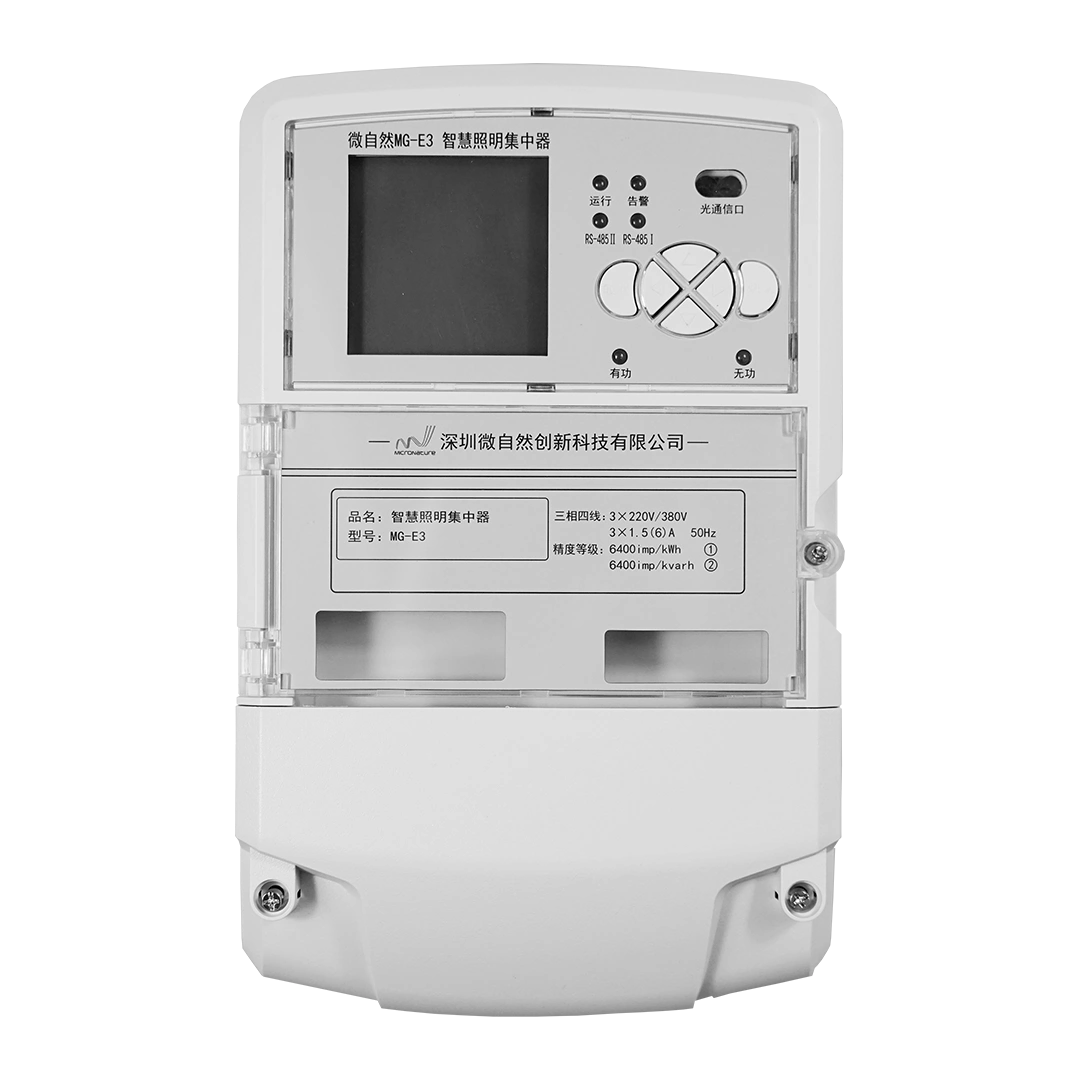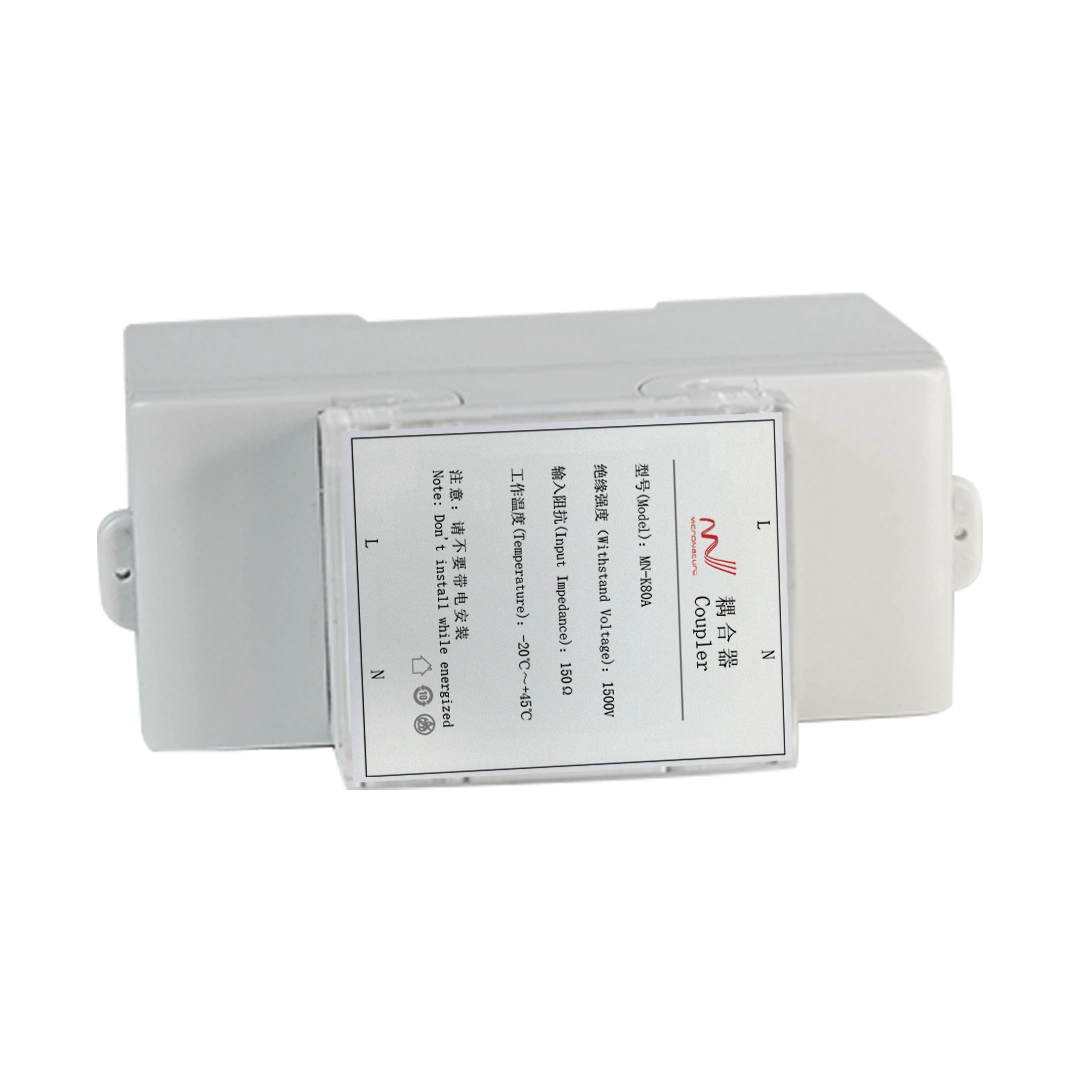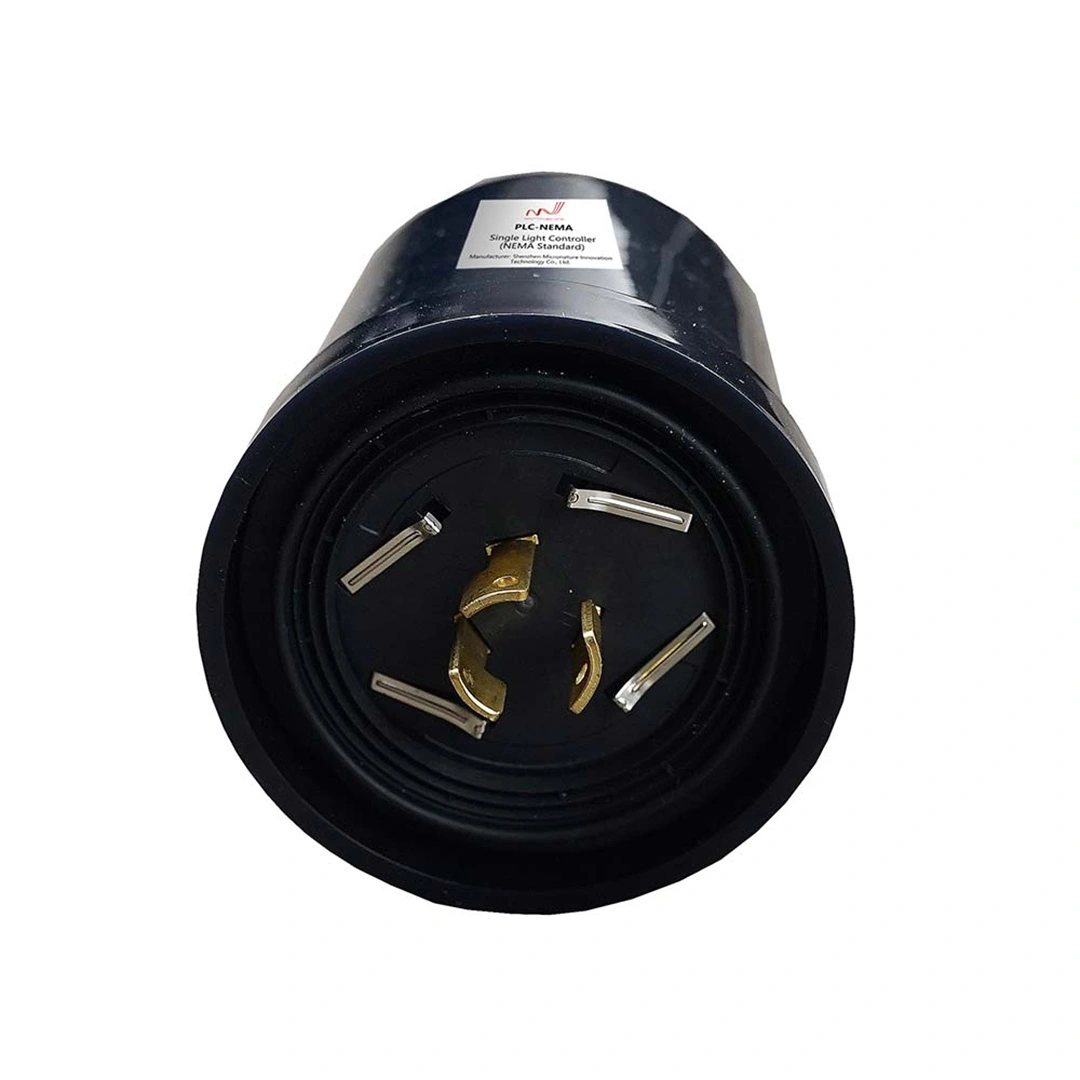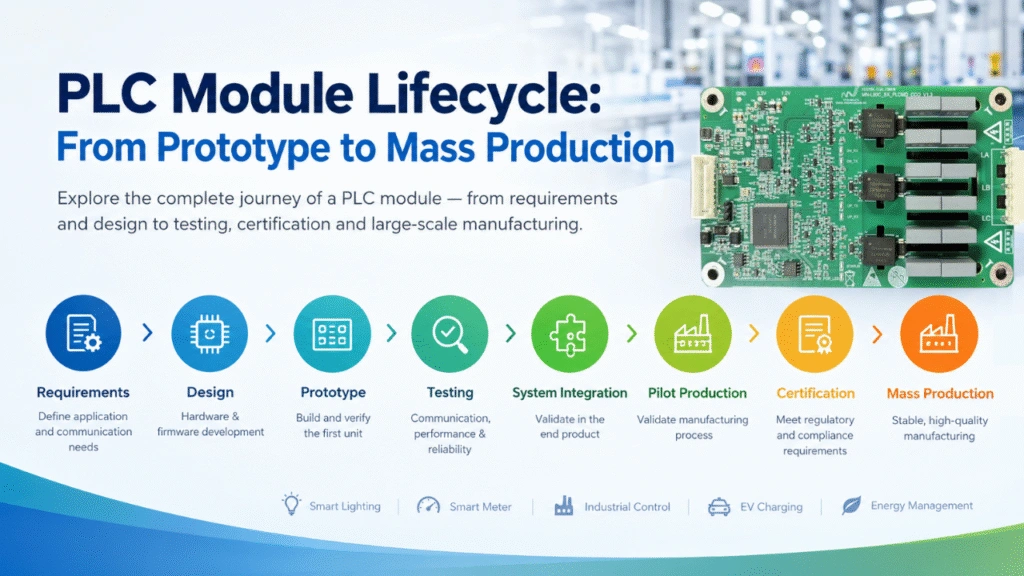
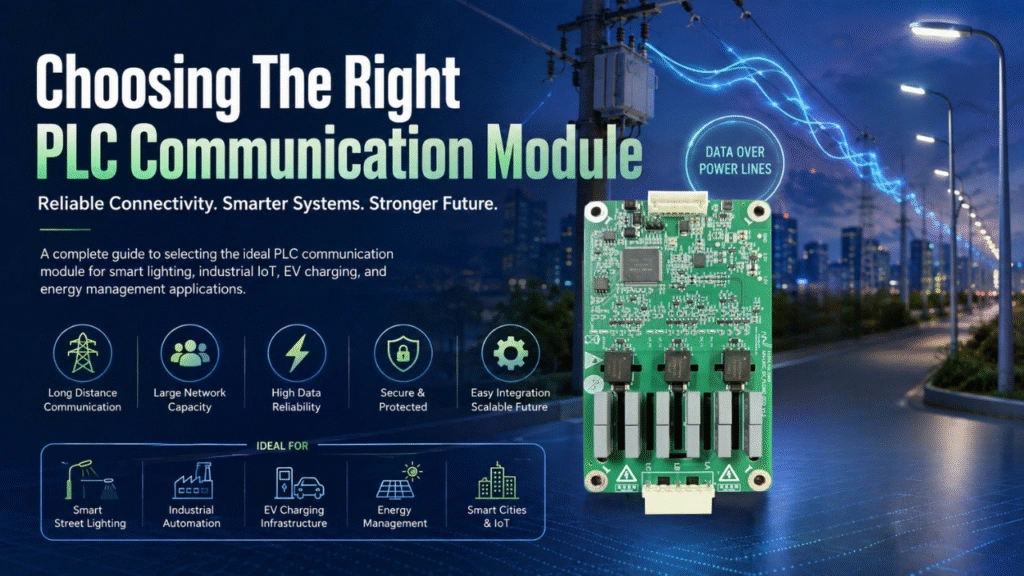
Технология связи по линии электропередачи (PLC) позволяет передавать данные по существующим силовым кабелям, устраняя необходимость дополнительной коммуникационной проводки. От умного уличного освещения и промышленной автоматизации до фотоэлектрических систем и инфраструктуры зарядки электромобилей — технология ПЛК становится предпочтительным решением для надежного, масштабируемого и экономичного подключения.
Однако выбор подходящего модуля связи PLC может быть сложным. Разные проекты требуют разных расстояний связи, скоростей передачи данных, сетевых пропускных способностей, экологической защиты и методов интеграции.
В этом руководстве объясняются самые важные факторы, которые следует учитывать при выборе модуля связи ПЛК, и помогает инженерам, системным интеграторам и производителям OEM определить идеальное решение для своих приложений.
Что такое модуль связи с ПЛК?
Модуль связи ПЛК — это встроенное коммуникационное устройство, позволяющее оборудованию обмениваться данными через существующие линии электропередачи.
Вместо прокладывания отдельных Ethernet-кабелей, волоконно-оптических линий или беспроводных сетей, PLC-модуль использует саму инфраструктуру питания в качестве средства связи.
Модули PLC обычно включают:
- Схема обработки сигналов
- Функции модуляции и демодуляции
- Цепи сцепления
- Возможности управления сетью
- Коммуникационные интерфейсы, такие как UART, SPI, Ethernet или RS-485
Типичные применения включают:
- Умное уличное освещение
- Промышленные системы освещения
- Тоннельное освещение
- Освещение склада
- Солнечные энергетические системы
- Станции зарядки электромобилей
- Умные здания
- Системы мониторинга энергии
Почему важен выбор правильного модуля ПЛК
Неправильный выбор коммуникационного модуля может привести к нескольким проблемам:
- Нестабильная производительность связи
- Рост затрат на развертывание
- Сниженная пропускная способность сети
- Сложность интеграции в систему
- Плохая масштабируемость
- Более высокие требования к обслуживанию
Правильный модуль улучшает:
- Эффективность установки
- Надёжность системы
- Стабильность сети
- Энергоэффективность
- Долгосрочная доходность от инвестиций
Ключевые факторы, которые стоит учитывать
1. Расстояние связи
Частота коммуникации часто является первым параметром, который инженеры оценивают.
Расстояние передачи зависит от нескольких факторов:
- Качество линии электропередачи
- Электромагнитные помехи (EMI)
- Длина троса
- Конструкция сцепки
- Конфигурация трансформатора
Приложения, такие как умное уличное освещение, обычно требуют связи между большими территориями, что делает возможности дальней передачи необходимыми.
2. Пропускная способность сети
Ёмкость сети определяет, сколько устройств может работать в одной сети.
Вопросы, которые стоит рассмотреть:
- Сколько светильников будет установлено?
- Будут ли добавлены дополнительные устройства позже?
- Обязательна ли mesh-сеть?
- Сколько шлюзов будет развернуто?
Крупные муниципальные проекты по освещению часто требуют сотен или тысяч узлов.
3. Скорость передачи данных
Разные приложения требуют разных уровней пропускной способности.
| Приложения | Типичные требования |
|---|---|
| Управление уличным освещением | Низкая пропускная способность |
| Показания счетчика | Средняя полоса пропускания |
| Передача видео | Высокая пропускная способность |
| Интеграция сенсоров ИИ | Высокая пропускная способность |
Выбор модуля с соответствующей скоростью передачи данных обеспечивает стабильную и эффективную работу.
4. Технология OFDM или FSK
Модули связи ПЛК обычно используют либо OFDM (ортогональное частотное деление мультиплексирования), либо FSK (частотное сдвигающее ключение).
| Особенности | OFDM | FSK |
| Скорость передачи данных | Выше | Нижний |
| Устойчивость к шуму | Отлично | Хорошо |
| Эффективность передачи | Высокий | Умеренный |
| Пропускная способность сети | Большие | Меньше |
| Сложность | Выше | Нижний |
OFDM-решения обычно выбираются для крупных умных сетей освещения благодаря их надёжности и масштабируемости.
5. Условия окружающей среды
Промышленные условия часто сопровождаются значительным электрическим шумом и суровыми условиями эксплуатации.
Рассмотрим следующие факторы:
- Температурный диапазон
- Влажность
- Устойчивость к пыли
- Электромагнитные помехи
- Колебания напряжения
- Требования к защите от молний
Надёжные модули должны продолжать работать даже в сложных условиях.
6. Совместимость интерфейсов
Модуль ПЛК должен плавно интегрироваться с хост-системой.
Распространённые интерфейсы включают:
- UART
- SPI
- I²C
- Ethernet
- RS-485
- Modbus
Выбор правильного интерфейса сокращает время разработки и упрощает интеграцию системы.
7. Требования к безопасности
Кибербезопасность становится всё более важной в современных световых сетях и внедрении промышленного Интернета вещей (IIoT).
Важные особенности включают:
- Шифрование данных
- Аутентификация устройства
- Безопасные обновления прошивки
- Механизмы контроля доступа
Эти функции помогают обеспечивать целостность системы и предотвращать несанкционированный доступ.
Типичный процесс выбора модуля PLC
Инженеры обычно следуют следующим шагам:
Шаг 1: Определите требования к применению
Определить:
- Расстояние связи
- Количество узлов
- Условия окружающей среды
- Требуемые скорости передачи данных
Шаг 2: Оценка топологии сети
Возможные сетевые структуры включают:
- Точка в точку коммуникации
- Звёздная топология
- Топология сетки
Шаг 3: Проверьте совместимость интерфейса
Обеспечьте совместимость между модулем ПЛК, шлюзом, датчиками и облачной платформой.
Шаг 4: Проведите полевые испытания
Одного лабораторного тестирования недостаточно. Реальные условия развертывания всегда должны учитываться.
Рекомендуемые применения
Умное уличное освещение
Технология ПЛК позволяет:
- Удалённое переключение
- Регулятор затемнения
- Мониторинг неисправностей
- Управление энергией
Промышленные объекты
Распространённые примеры включают:
- Склады
- Порты
- Производственные предприятия
- Логистические центры
Системы возобновляемой энергии
Поддержка связи через ПЛК:
- Солнечные установки
- Аккумуляторные системы хранения энергии
- Умные сети
- Инфраструктура зарядки электромобилей
Почему многие производители умного освещения выбирают технологию ПЛК
По сравнению с беспроводными альтернативами, технология ПЛК обладает рядом преимуществ:
- Существующая энергетическая инфраструктура может быть повторно использована.
- Дополнительные коммуникационные кабели не требуются.
- Расширение сети проще.
- Расходы на обслуживание снижаются.
- Надёжность коммуникации повышается.
Для муниципалитетов и промышленных предприятий эти преимущества часто приводят к снижению затрат на развертывание и более быстрой реализации.
Заключительные мысли
Выбор подходящего модуля связи ПЛК требует тщательного учёта расстояния связи, пропускной способности сети, условий окружающей среды, скоростей передачи данных, интерфейсов, требований к безопасности и будущих потребностей в расширении.
Хорошо спроектированная сеть ПЛК обеспечивает надёжную связь, минимизируя затраты на установку и упрощая долгосрочное обслуживание.
По мере развития умных городов и промышленных IoT-приложений технологии связи ПЛК будут играть всё более важную роль в создании связанной и интеллектуальной инфраструктуры.
Организации, которые сегодня инвестируют в правильное решение для ПЛК, будут лучше подготовлены к разработке масштабируемых, эффективных и готовых к будущему систем завтра.