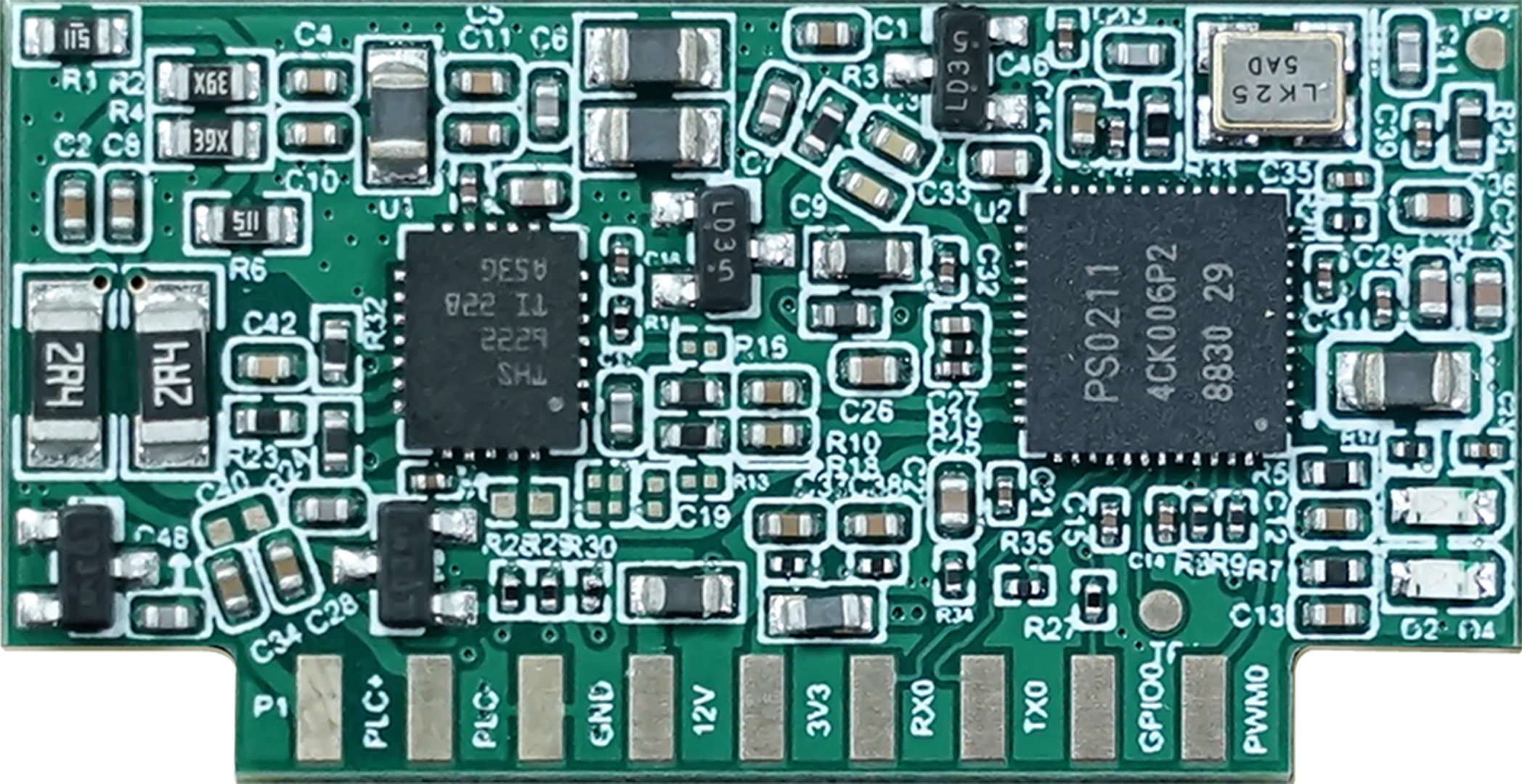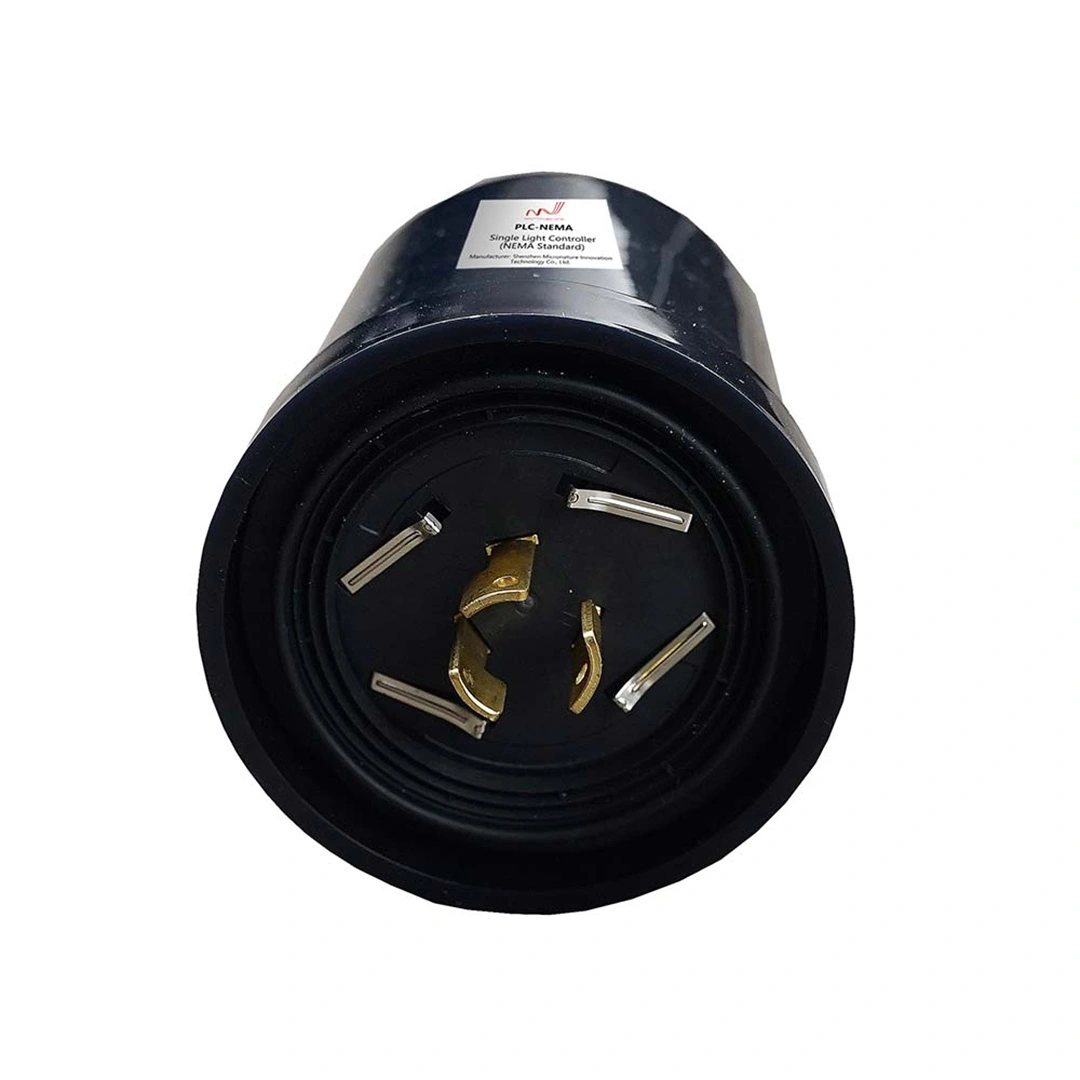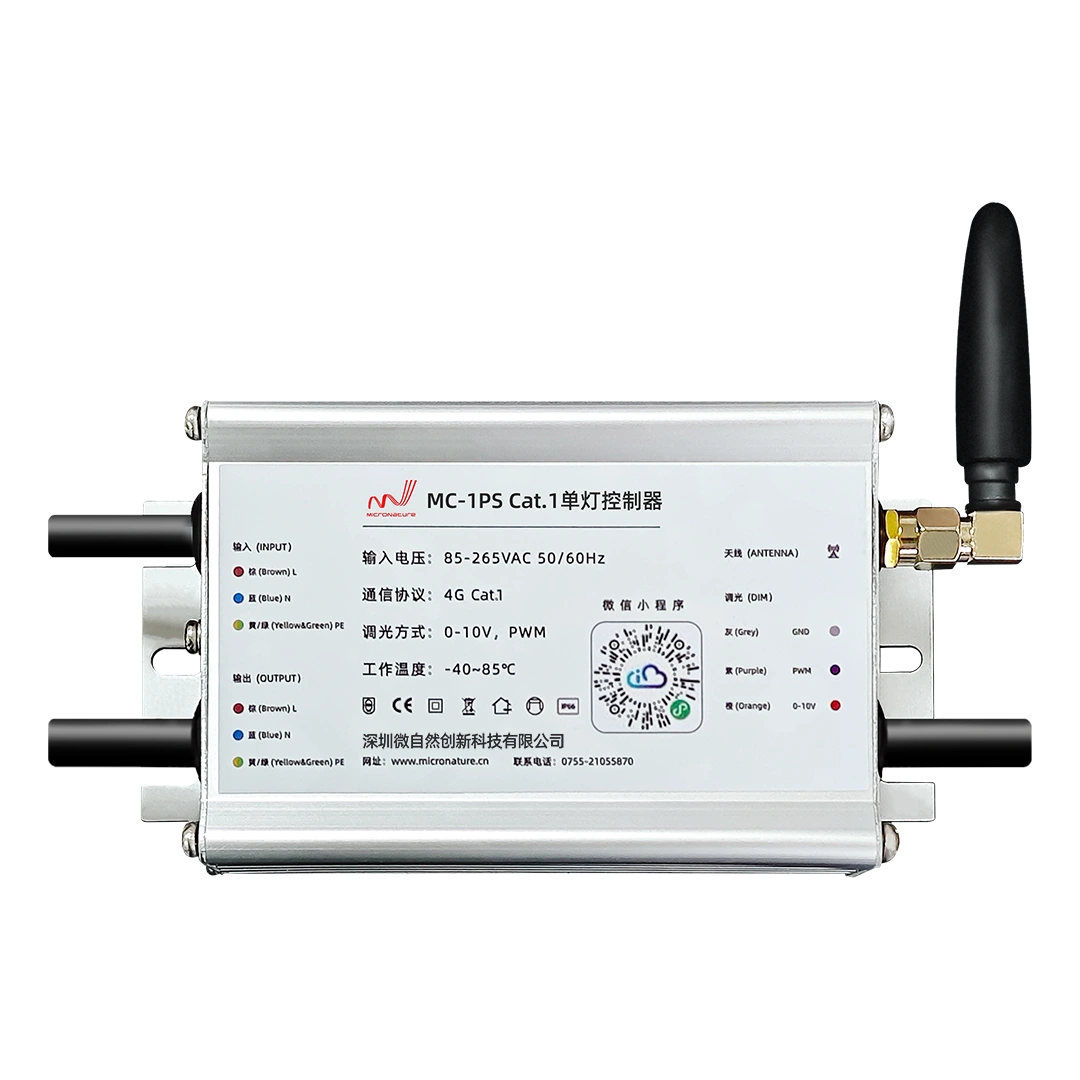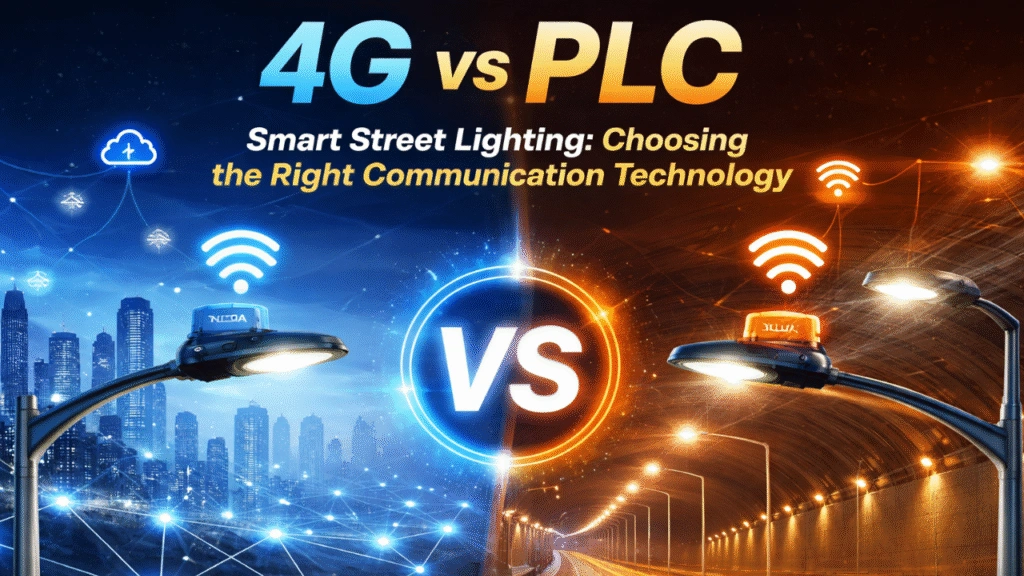
For infrastructure partners and facility managers, the primary obstacle to smart adoption is finding a control system that doesn’t require tearing down walls or failing in high-interference zones. Power Line Communication (PLC) leverages existing electrical wiring to transmit data, making it the premier choice for environments where wireless signals fail and rewiring costs are prohibitive.
Quick Summary for Decision Makers:
- Best For: Municipal road lighting, high-EMI power plants, tunnels, and heavy industrial retrofits.
- Key Advantage: 99.99% stable communication using the power line as the medium, supporting up to 500 nodes per gateway.
- Efficiency: Achieve up to 70% energy savings in warehouses and over 50% in municipal projects.
Strategic Deployment of PLC-IoT Technology
PLC lighting is applicable in any environment where existing power infrastructure must serve as the data backbone. It is specifically designed for large-scale, high-interference, or hard-to-wire locations. Unlike wireless solutions that struggle with physical obstructions or cellular options (Cat.1) that depend on external station signal strength, PLC provides a self-contained, high-reliability network.
Selecting the right communication protocol depends on the specific demands of highway, tunnel, or city road projects. The table below illustrates why PLC-IoT is the preferred industrial standard over traditional wireless or signal-wire alternatives.
| Feature | PLC-IoT (Power Line) | LoRa (Wireless) | Cat.1 (Cellular) |
|---|---|---|---|
| Communication Medium | Existing Power Line | Electromagnetic Wave | Electromagnetic Wave |
| Transmission Reliability | Reliable and Stable | Affected by Obstacles | Affected by Obstacles |
| Point-to-Point Distance | Up to 2 km | Several kilometers | ~0.1 km (to station) |
| Network Nodes | ~499 Nodes | ~100 Nodes | Based on station |
| Maintenance | Easy; No rewiring | Requires antennas/cranes | Device data sensitive |
Smart City Streets and High-Speed Infrastructure
Municipalities face constant pressure from energy mandates and rising maintenance costs. PLC technology allows city planners to transform traditional streetlights into a Smart City Grid without digging up pavements or installing kilometers of new control wires. This is particularly vital for urban centers where road closures for infrastructure upgrades are economically disruptive.
By utilizing the existing AC lines, a single Industrial PLC Gateway can manage nearly 500 nodes across distances of up to 2km per segment. To better understand the technical architecture behind these large-scale deployments, you can review our guide on how PLC lighting works in street lighting systems. This architecture supports real-time monitoring and instant fault alarms via Cloud platforms, which effectively eliminates the need for manual “scout” patrols.
Lighting Solutions for High-Interference Tunnels
Tunnels represent one of the most challenging environments for communication technology. Thick reinforced concrete and heavy metal structures create “wireless dead zones” where wireless signals simply cannot penetrate. Furthermore, signal reflection off tunnel walls leads to massive data packet loss in high-speed environments.
PLC bypasses these physical barriers by keeping the data signal inside the copper wire itself. For project engineers designing safety-critical environments, understanding the specifics of signal transmission in confined spaces is essential; we detail these mechanics in our deep dive on how PLC lighting works in tunnel systems. This ensures that emergency dimming protocols or ventilation-linked lighting adjustments occur instantly, regardless of how deep underground the fixtures are located. For tunnel operators, this reliability isn’t just a convenience; it’s a critical safety requirement.
Heavy Industrial Plants and Power Stations
Industrial environments, particularly power plants and shipyards, are saturated with Electromagnetic Interference (EMI). Large turbines, boilers, and heavy machinery generate massive magnetic fields that disrupt most wireless communication. In these settings, “99.99% stable” isn’t just a goal; a dropped signal could mean a failure in critical facility lighting during high-stakes operations.
PLC systems, when reinforced with specialized Signal Isolators, ensure 99.99% communication stability. These isolators suppress high-frequency noise generated by industrial equipment, allowing the PLC signal to remain crystal clear. Whether in a shipyard or a high-voltage boiler hall, the lighting system remains responsive, providing the visibility needed for safe industrial operations.
The Choice of Frequency: Narrowband vs. Broadband
When implementing PLC, engineers must choose the correct frequency band for the project’s specific electromagnetic environment. While Narrowband (NB-PLC) is excellent for long-distance penetration through transformers, Broadband PLC (BPL) offers the high data rates required for AI-integrated systems and high-density industrial grids. Selecting the appropriate band ensures that the signal remains robust even when faced with significant electrical noise from heavy machinery.
The Retrofit Revolution: Why Engineers Choose PLC
The primary pain point in building upgrades is the labor cost of wiring. In many historical or established industrial sites, the cost of labor can account for 60% of a lighting project’s budget. PLC turns your existing electrical infrastructure into a high-speed data network, essentially giving you a “smart” building for the price of a standard lamp replacement.
Wireless signals struggle with metal shelving and multi-level steel structures found in parking lots. PLC signals, however, travel wherever electricity flows. This ensures 100% coverage even in complex environments like vast shipyards or multi-story commercial buildings. If you have power, you have control.
While the benefits are substantial, successful deployment requires technical foresight. To help you anticipate and mitigate potential installation issues, we have compiled a resource on common problems in PLC lighting systems. PLC lighting is applicable wherever reliability is non-negotiable and budget efficiency is a priority. If your project involves long distances, harsh industrial noise, or a strict need to avoid rewiring costs, PLC is the optimal solution. With a decade of focus on this technology and a 99.5% customer satisfaction rate across 30+ countries, MicroNature provides the hardware and R&D expertise to bring smart intelligence to your existing power lines.
Take the next step in your infrastructure upgrade. You can Contact our engineering team today for a custom PLC Solution Architecture or explore our full range of controllers and gateways in our product catalog to find the right fit for your facility.