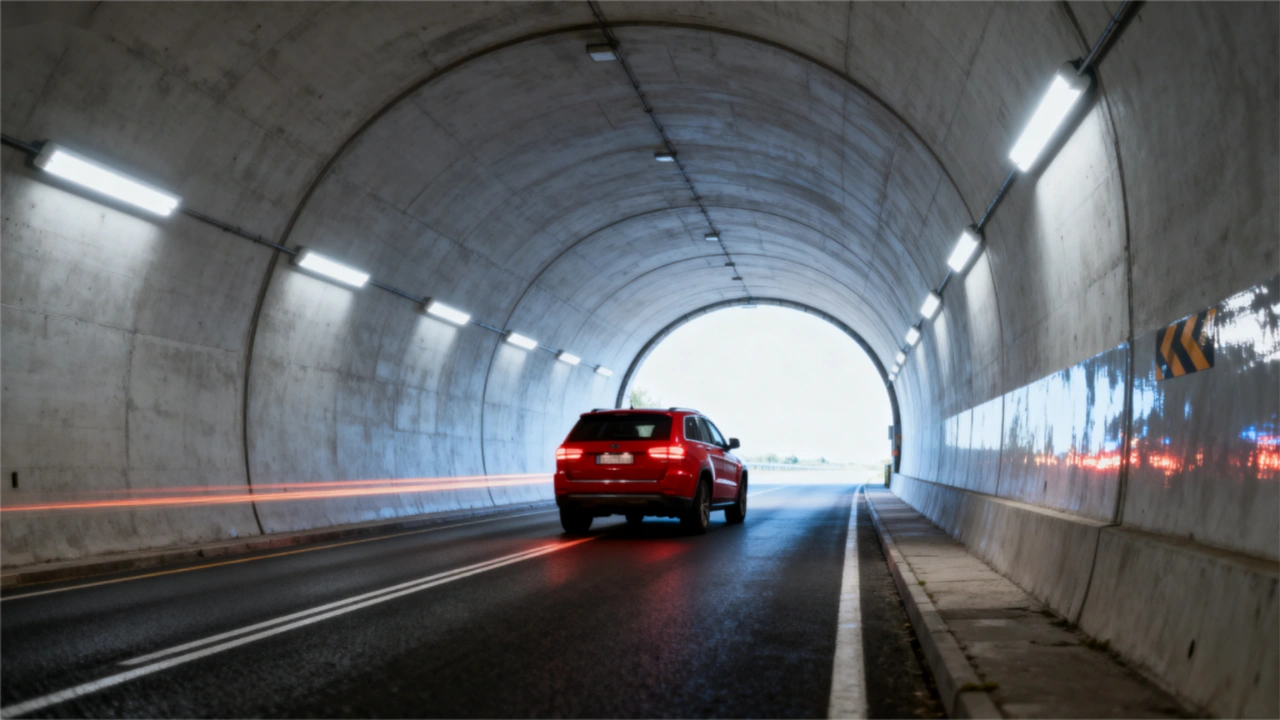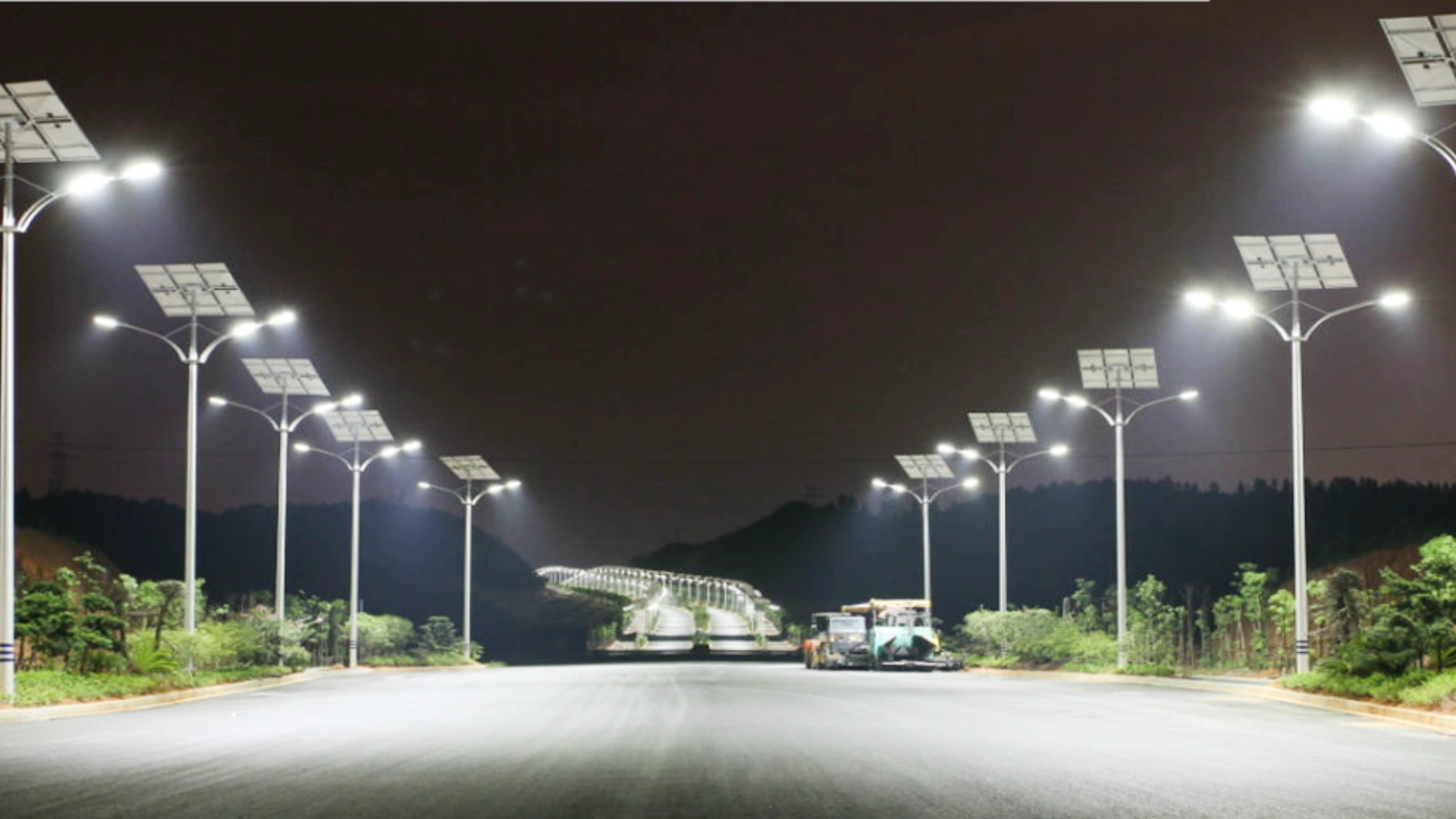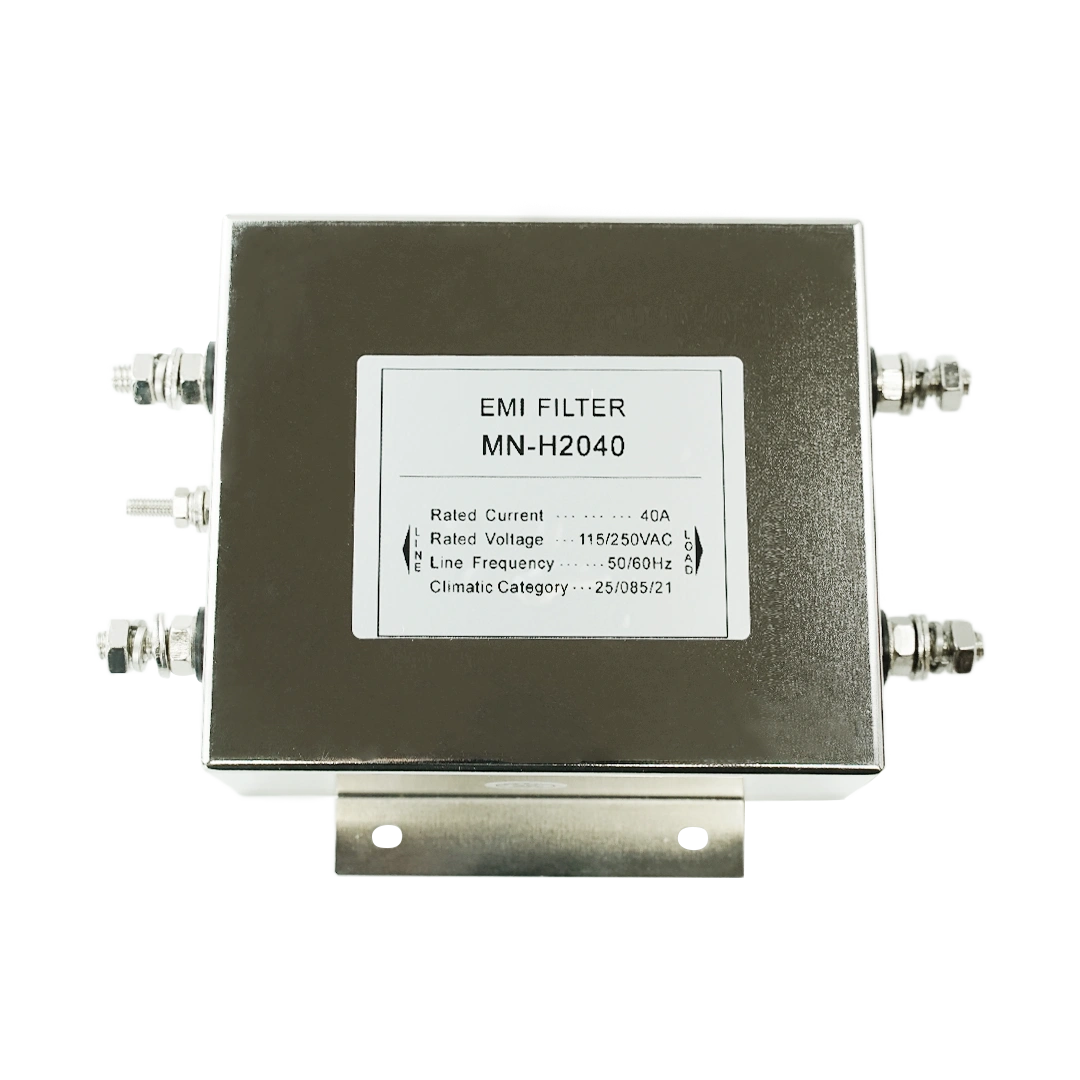
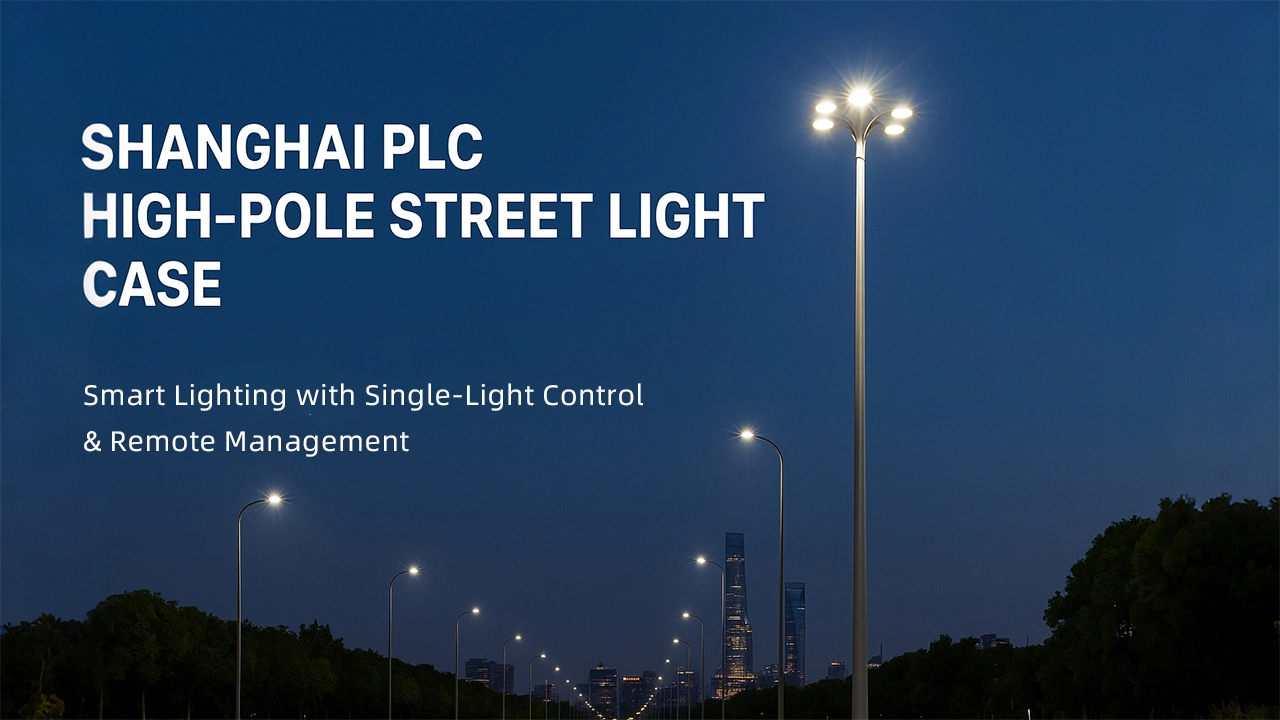
The Shanghai High-Pole Street Light Project demonstrates how PLC (Power Line Communication) technology can upgrade traditional urban lighting into a fully intelligent and remotely managed system. By using existing power lines for data transmission, the project achieves stable long-distance communication, simplified installation, and real-time control—even in complex outdoor environments.
This case highlights how PLC smart lighting improves operational efficiency, reduces energy consumption, and enhances reliability across large-scale infrastructure.
Project Overview
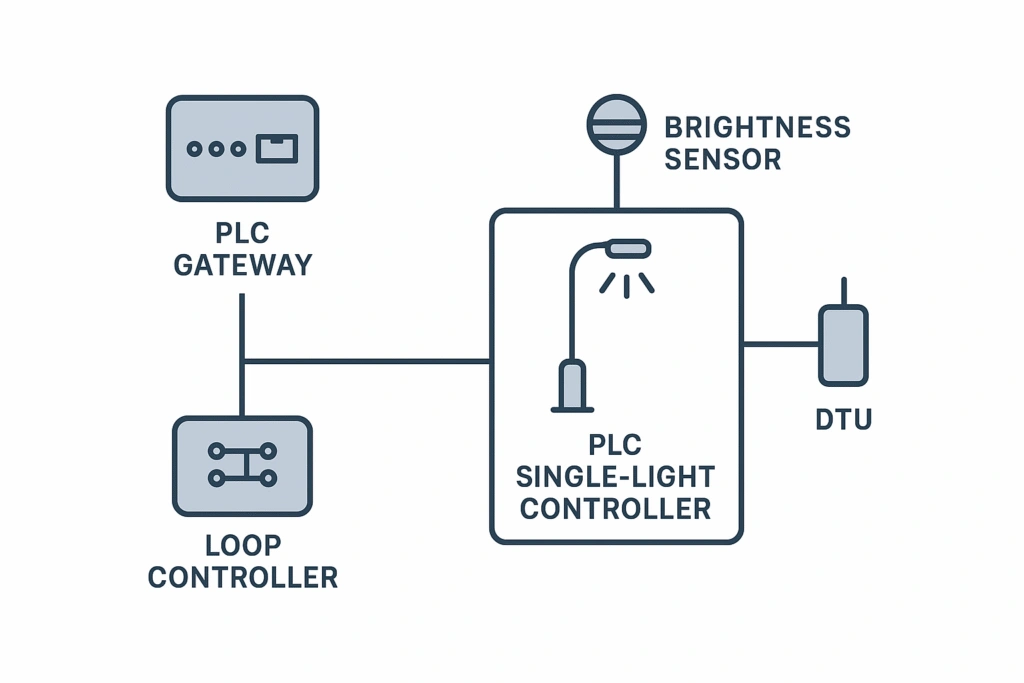
The project applies our complete PLC outdoor lighting solution to modernize multiple high-pole street lights in Shanghai. The system integrates the following devices:
- PLC Gateway
- PLC Single-Light Controller
- Loop Controller
- Brightness Sensor
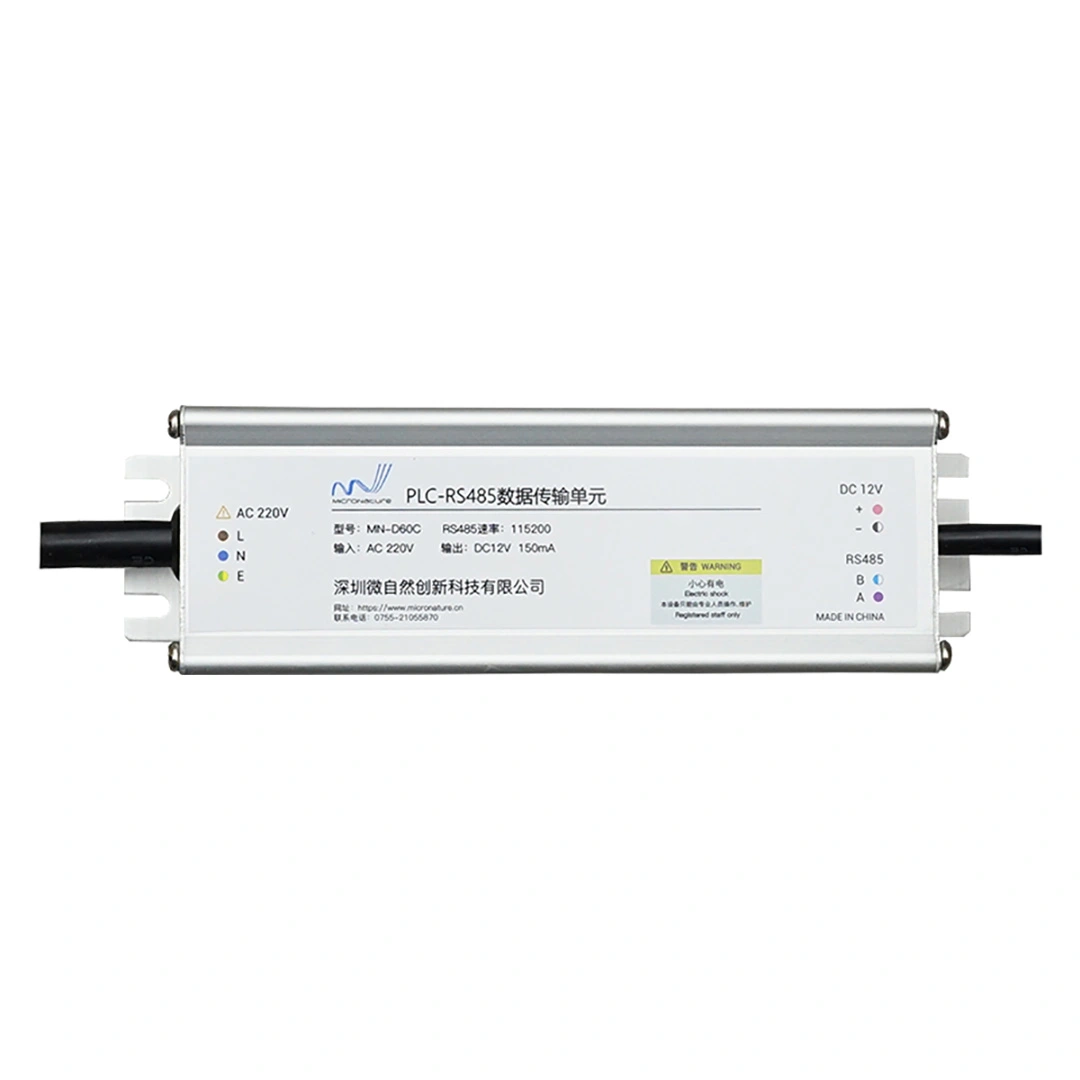
- DTU (Data Transfer Unit)
Together, these components form a stable, intelligent PLC lighting network capable of monitoring and controlling each pole light individually through mobile app or cloud platform.
Key Features of the PLC Smart Lighting System
1. Mobile APP & Cloud Platform Remote Control
The system provides full real-time lighting management through a mobile APP, including:
- Light on/off control
- Smooth dimming
- Single-light or group control
- Fault and status monitoring
- Energy-saving scheduling
All commands are delivered through power-line communication, ensuring quick and reliable execution.
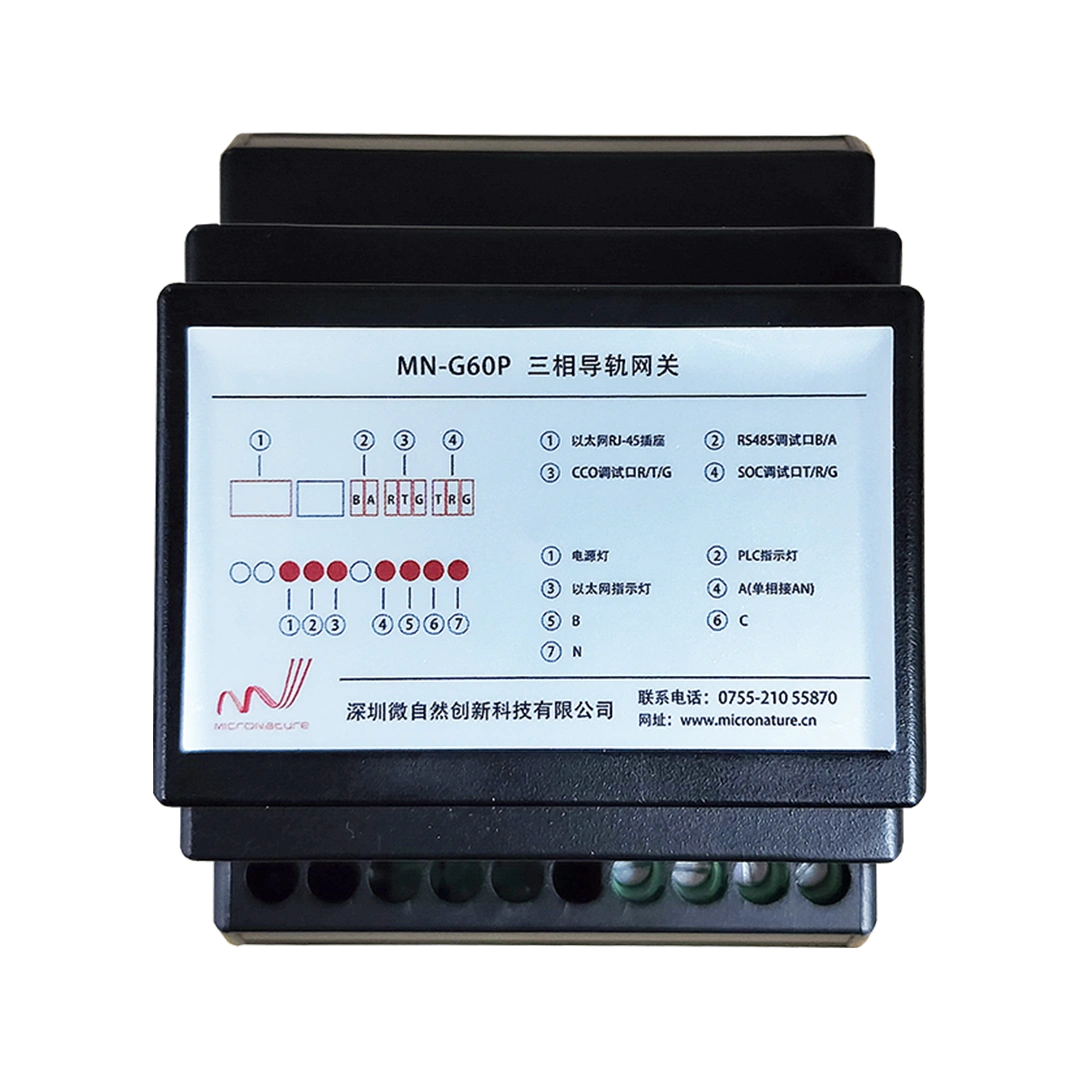
2. PLC Gateway – Core Communication Bridge
The PLC Gateway serves as the central hub between the PLC lighting network and the cloud platform. It enables:
- Two-way PLC data communication
- Remote configuration and monitoring
- Cloud and mobile APP connectivity
- Seamless integration with DTU for data upload
This ensures stable operation even across a large number of high-pole lights.
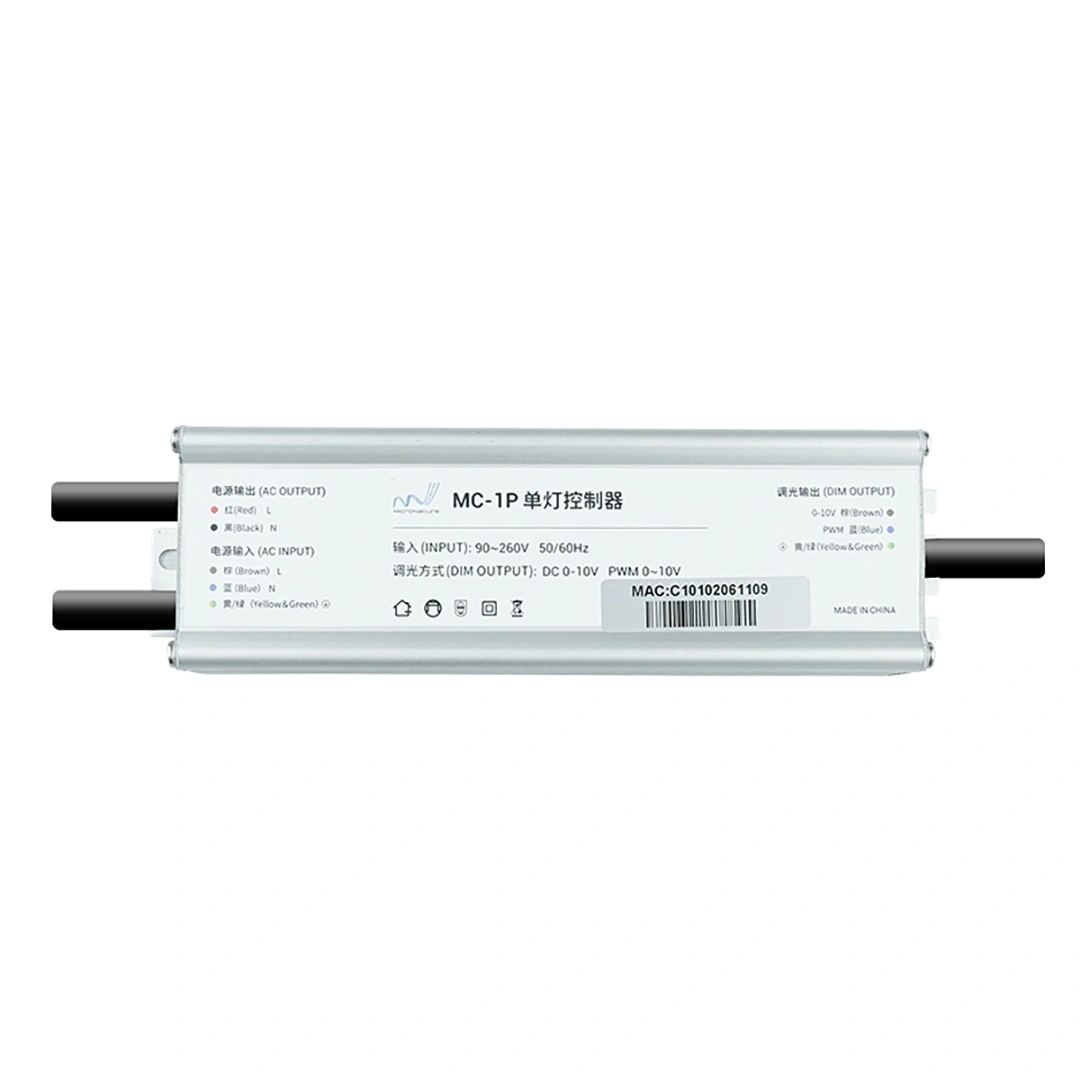
3. PLC Single-Light Controller – Intelligent Per-Pole Control
Each high-pole street light is equipped with a PLC Single-Light Controller, providing:
- Independent dimming
- Real-time power and status reporting
- Fault detection
- Accurate response to PLC commands
This allows operators to manage each pole individually for maximum lighting efficiency.
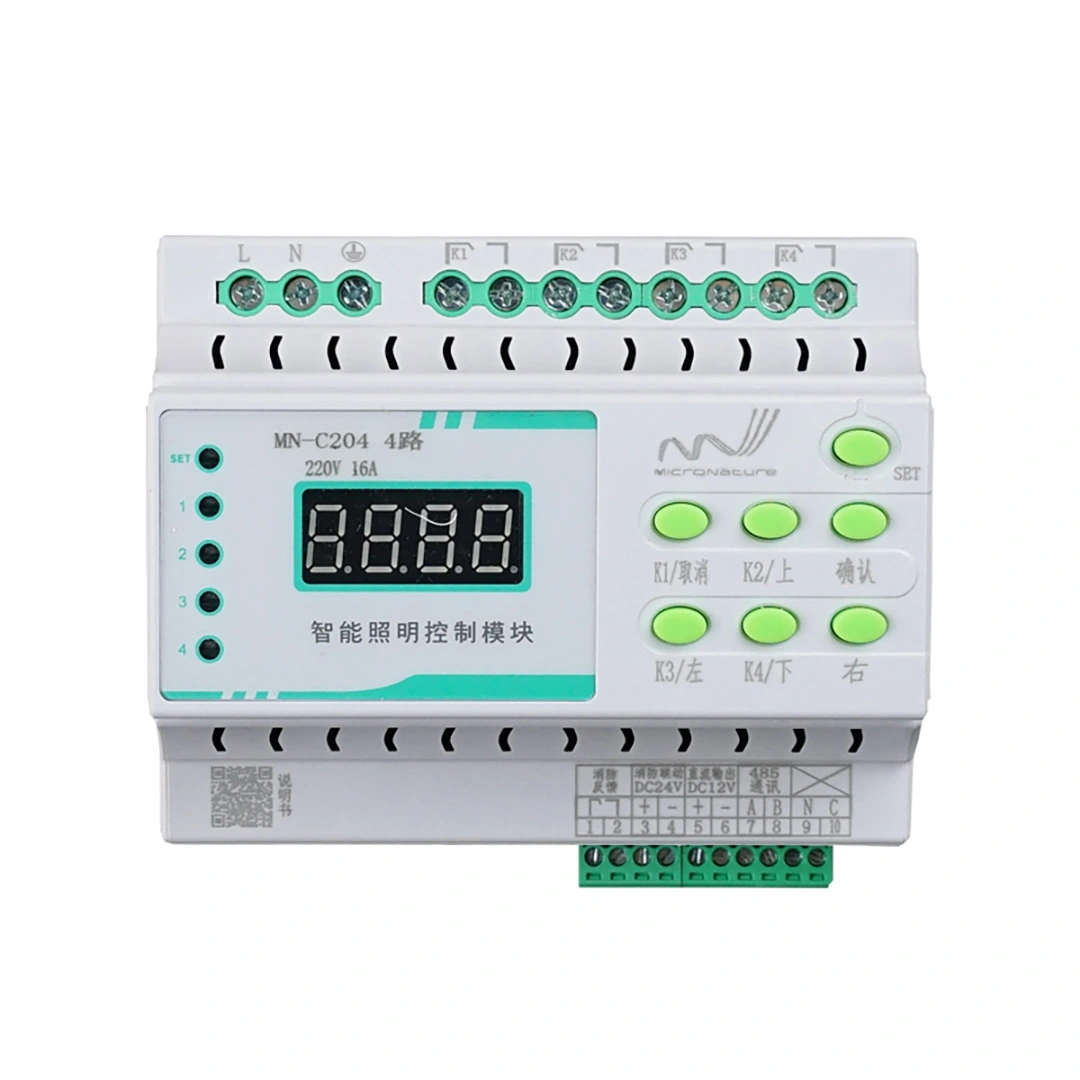
4. Loop Controller – Circuit-Level Management
The Loop Controller monitors and controls lighting circuits, offering:
- Circuit switching
- Power status monitoring
- Fault alarms
- Stable PLC signal branching
This enhances the reliability of the entire lighting network.
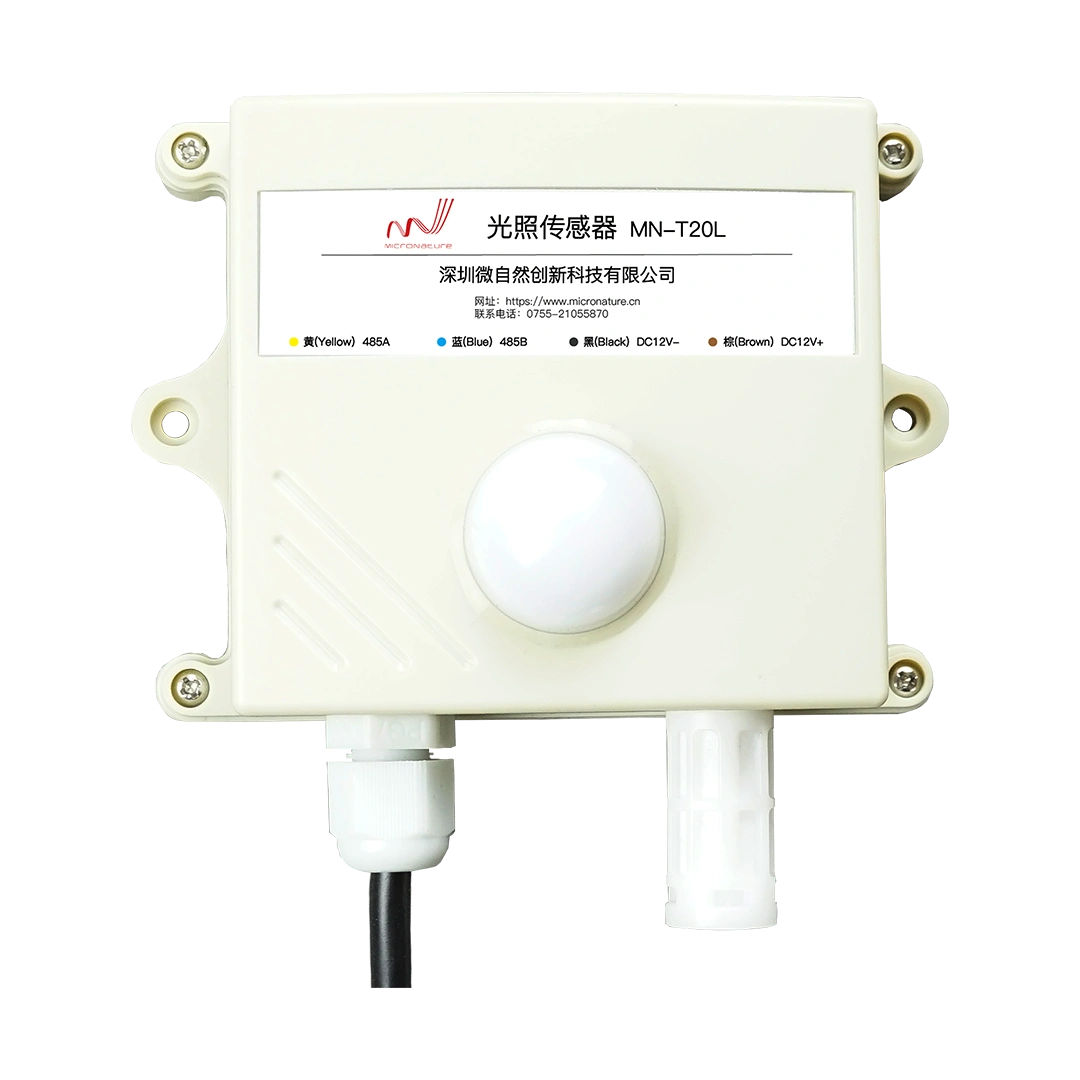
5. Brightness Sensor – Automatic Light-Level Adjustment
A brightness sensor is installed to detect ambient lighting conditions.
It allows the system to:
- Automatically adjust brightness
- Reduce energy consumption
- Trigger lighting scenes based on environment
- Enhance safety during low-light conditions
6. DTU (Data Transfer Unit) – Stable Cloud Connectivity
The DTU ensures that all system data is transmitted to the cloud platform with high reliability.
It supports:
- Remote monitoring
- Data logging
- Real-time fault reporting
- Over-the-air configuration
DTU + PLC provides a robust backbone for smart city lighting applications.