Project Overview
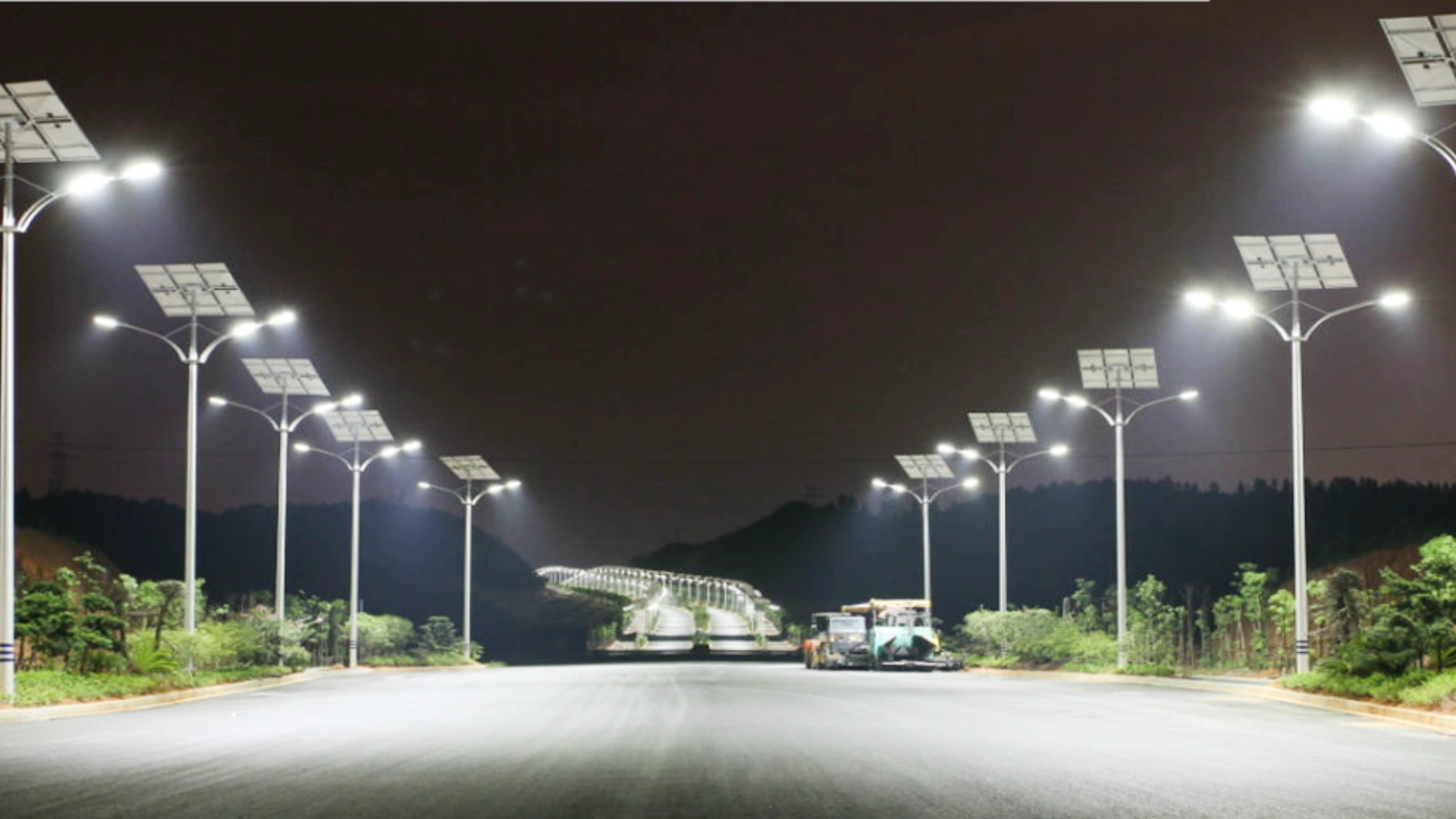
The Malaysia PLC Smart Park Lighting Project is a successful application of PLC (Power Line Communication) smart lighting technology combined with AI vision sensors, designed to improve energy efficiency, safety, and intelligent management in public park lighting.
By using existing power lines for communication, this project avoids additional cabling, reduces installation complexity, and ensures stable long-distance control. The system integrates centralized scheduling control with real-time AI sensor linkage, creating a fully automated and adaptive lighting solution suitable for modern smart city parks.
System Architecture & Key Equipment
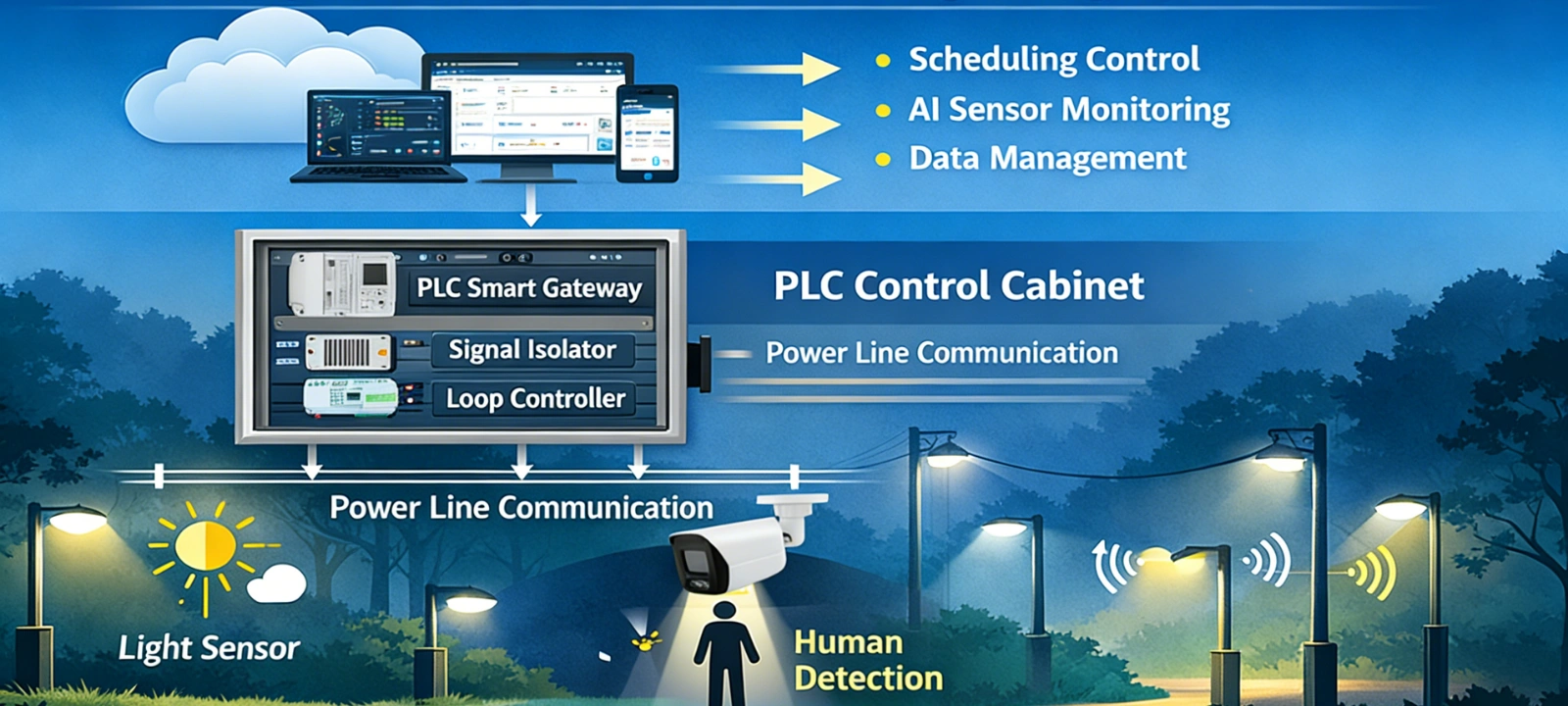
In this project, the customer deployed a complete PLC-based smart lighting control system, including the following core components:
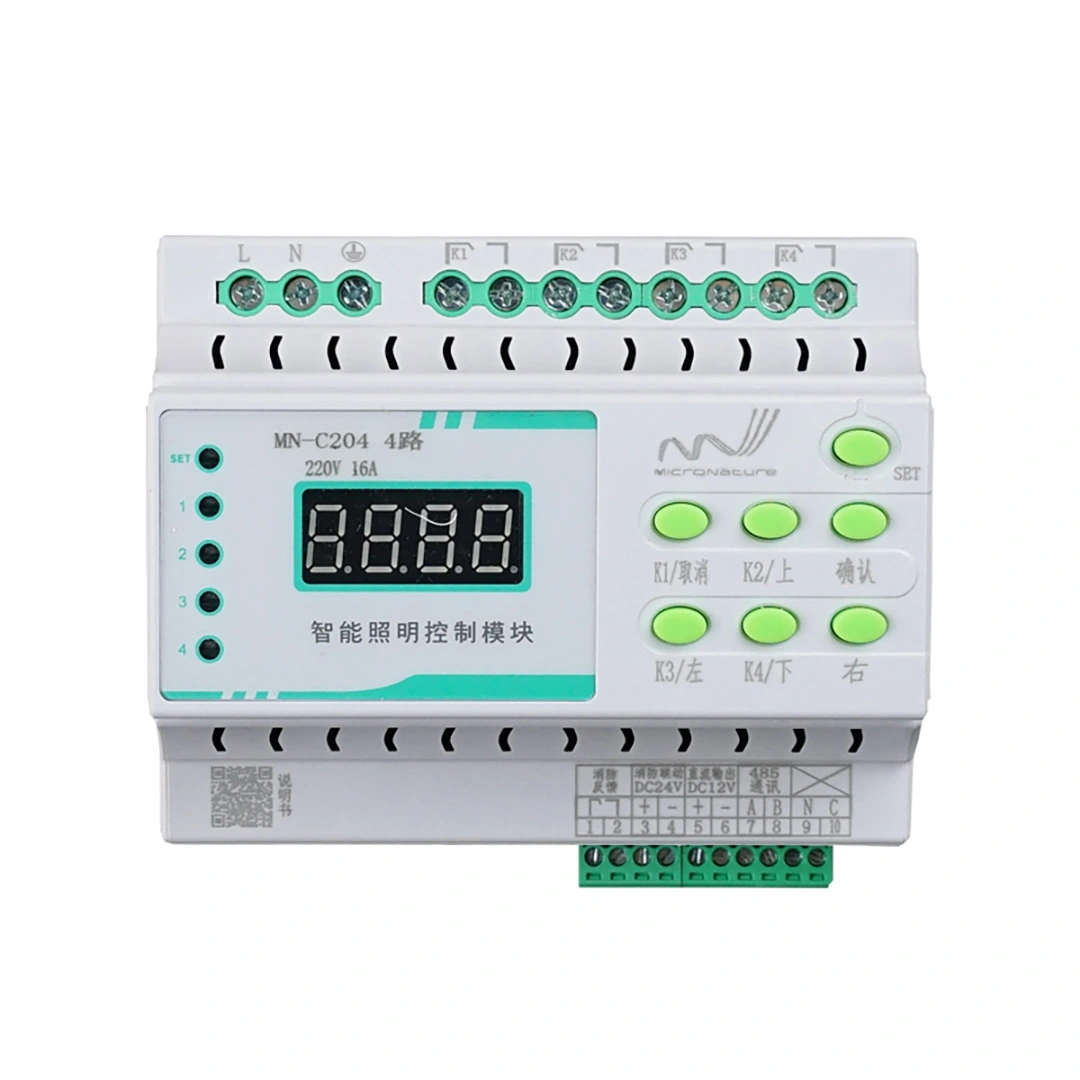
1. PLC Electric Cabinet (Control Panel)
The PLC electric cabinet, also known as a PLC smart control panel or demo box, is installed on site as the system’s central control unit. It integrates:
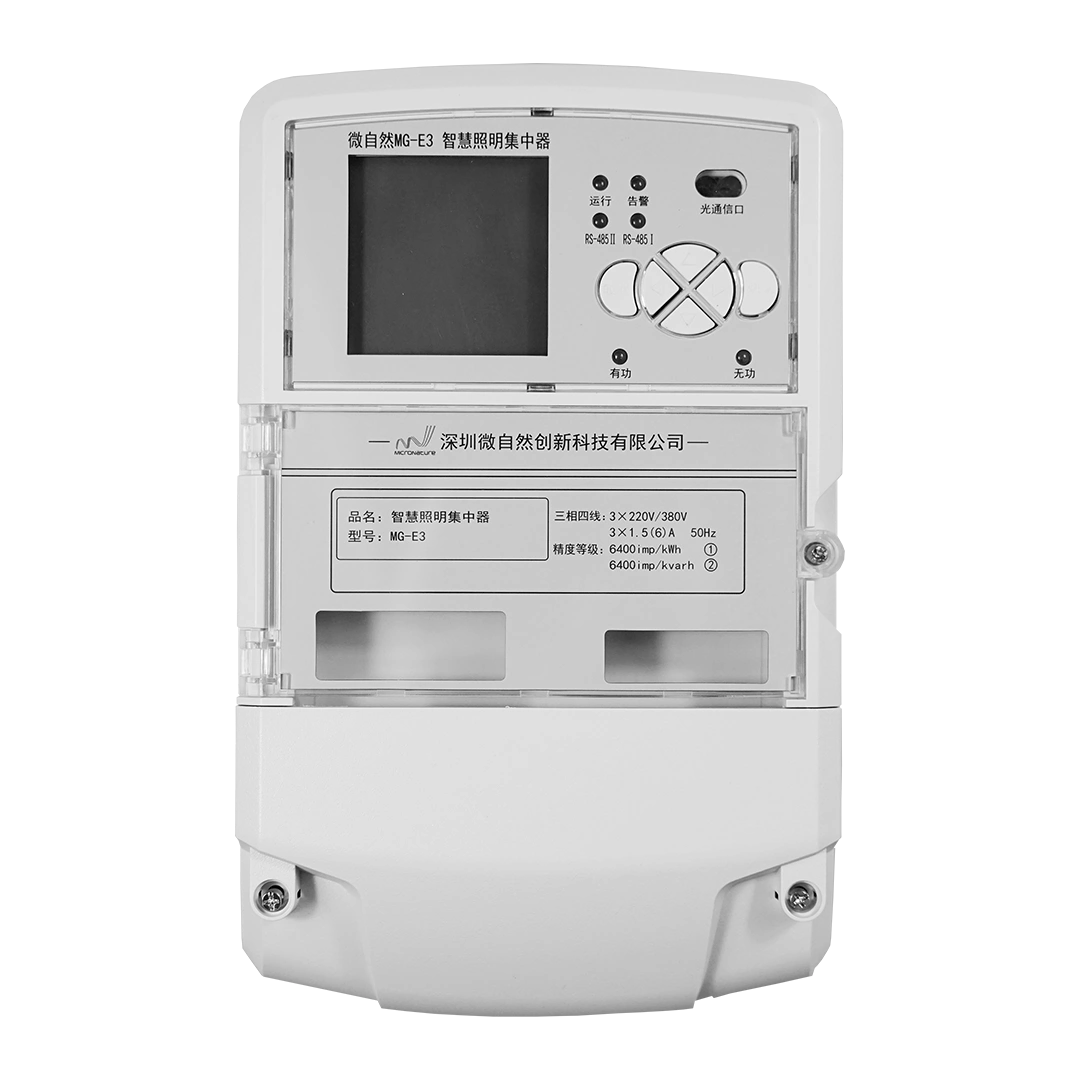
- PLC Smart Gateway – Enables data communication between field devices and the cloud-based lighting management platform
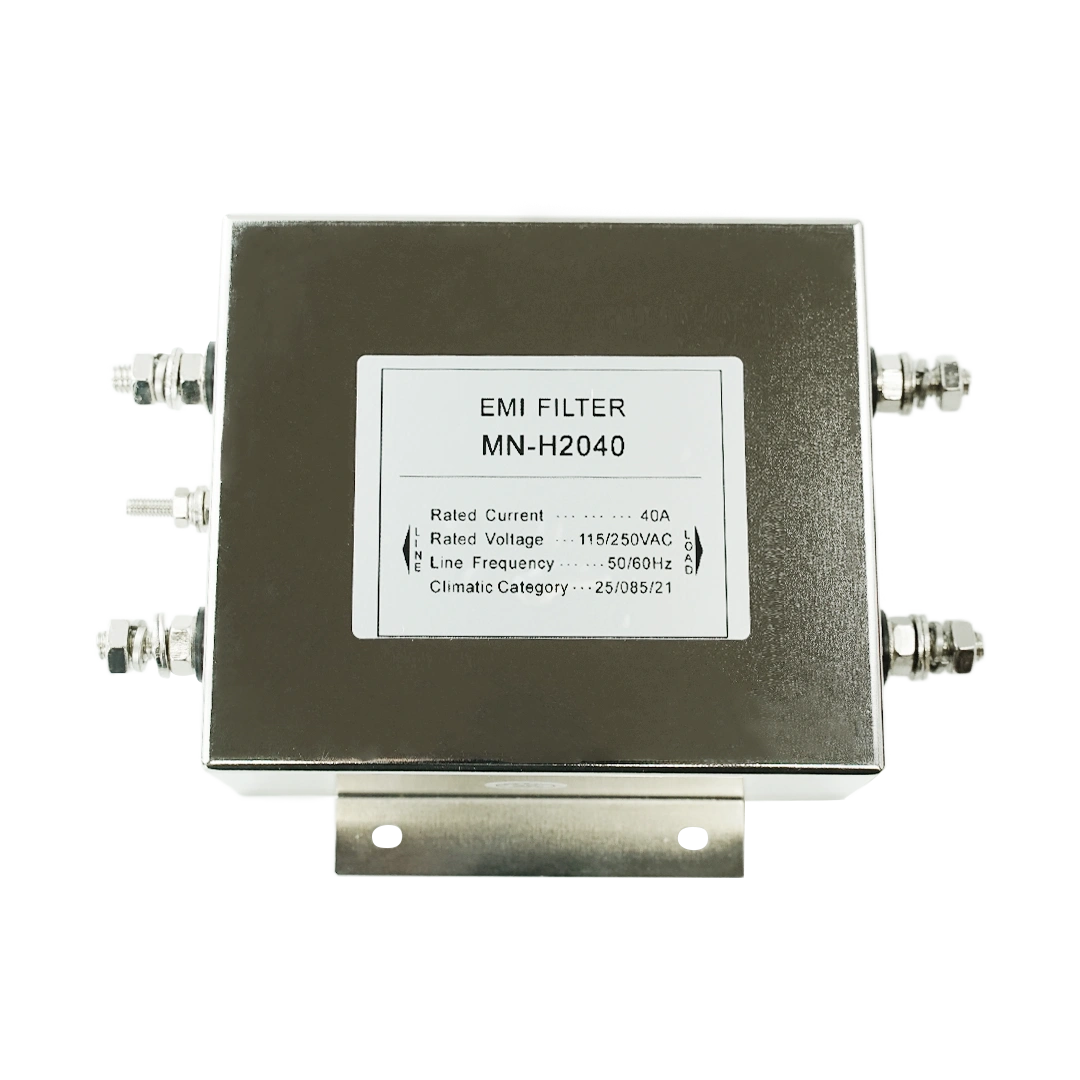
- Signal Isolator (EMI) – Ensures stable PLC communication by reducing electrical noise and interference
- Loop Controller – Manages multiple lighting circuits and ensures reliable operation of park lighting loops
This cabinet provides a stable foundation for centralized monitoring and control of all lighting assets in the park.
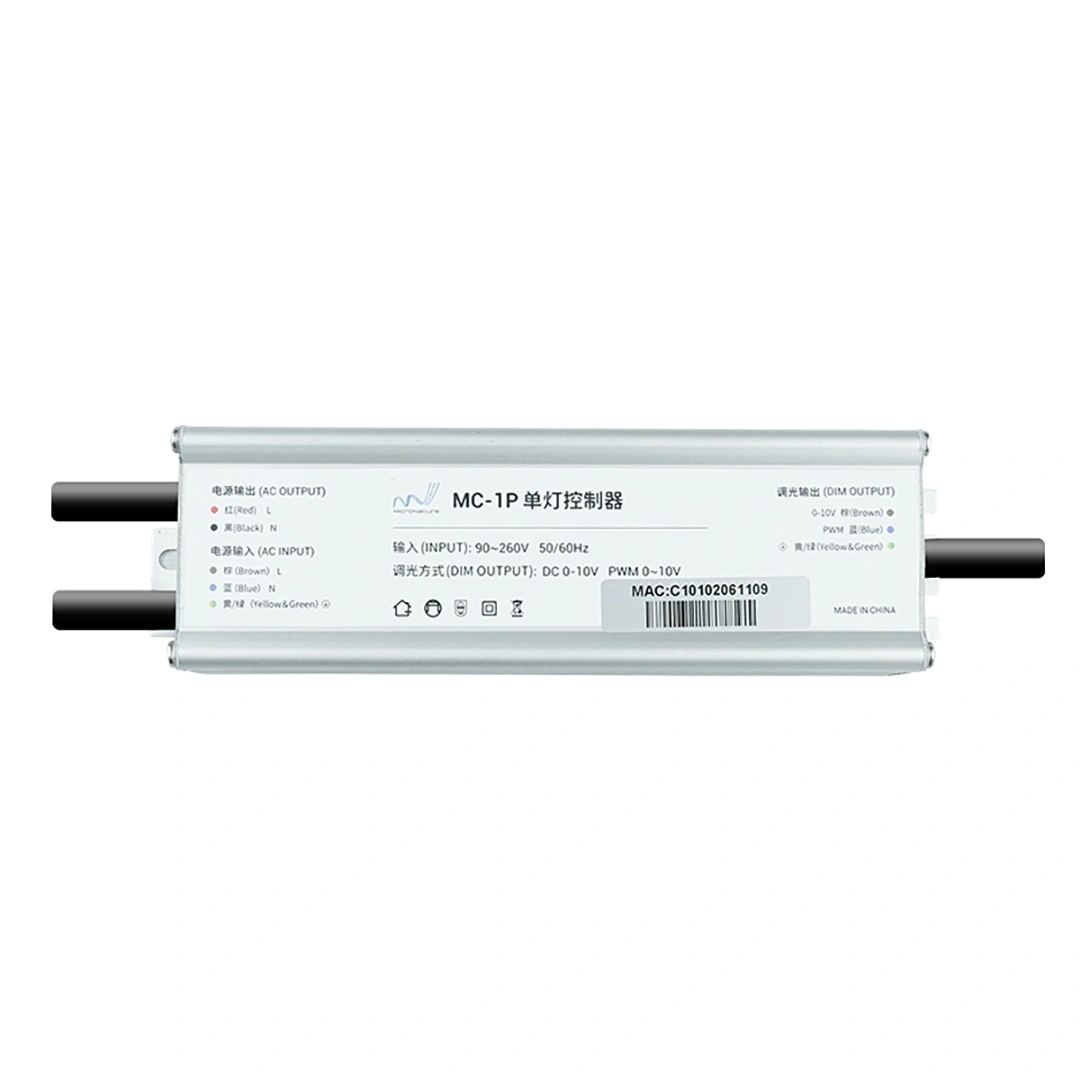
2. PLC Single Light Controller
Each lamp is equipped with a PLC single light controller, enabling:
- Individual lamp on/off control
- Dimming adjustment
- Real-time status feedback
This allows precise management of every light point and supports future maintenance and system expansion.
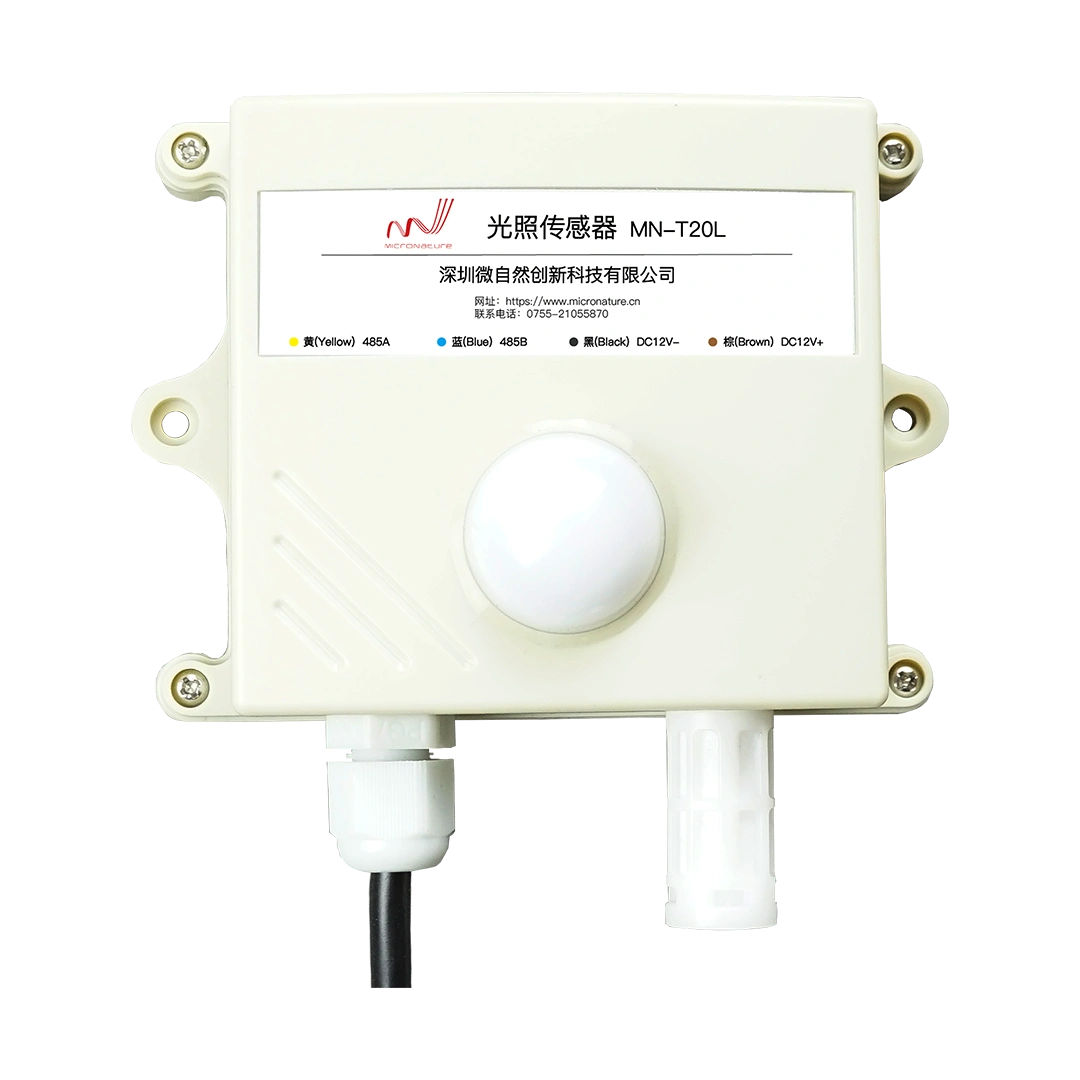
3. Light Sensor
Light sensors are used to monitor ambient brightness, supporting intelligent lighting decisions and improving overall energy efficiency, especially during transitional periods such as dusk and dawn.
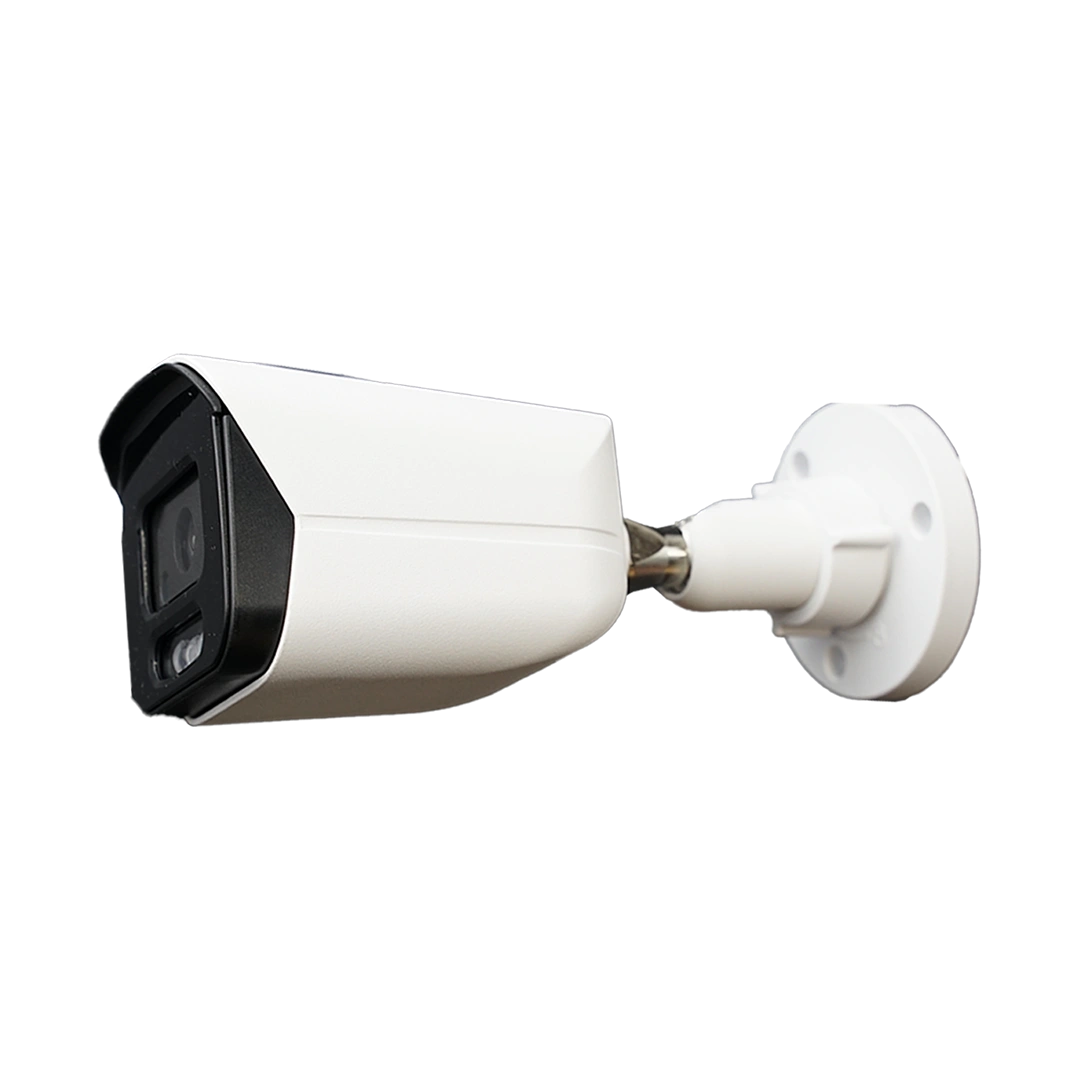
4. AI Vision Sensor
The AI vision sensor is a key highlight of this project. It detects human activity within the park and works seamlessly with the PLC lighting system to enable on-demand lighting control.
Smart Lighting Control Strategy
Scheduled Lighting via Web-Based Software
The customer configured a time-based lighting schedule through the web-based lighting management platform:
- 04:00 AM – Lights dim automatically to 10% brightness
- 05:00 AM – Lights switch OFF
- 06:00 PM – Lights switch ON
This scheduled control ensures consistent lighting behavior while minimizing unnecessary energy consumption.
AI Sensor–Based Adaptive Lighting
In addition to fixed schedules, the system uses AI vision sensors for real-time adaptive control:
- When human activity is detected, nearby lights automatically switch ON
- If no human presence is detected continuously for 3 minutes (default setting), the lights switch OFF automatically
This intelligent linkage significantly reduces energy waste while maintaining safety and comfort for park visitors.
Project Benefits
Energy Saving & Carbon Reduction
- Scheduled dimming and AI-triggered lighting greatly reduce power consumption
- Lights operate only when needed, especially during late-night and low-traffic periods
Improved Safety & User Experience
- Instant illumination when people enter the area
- Enhanced visibility improves security and comfort in public park spaces
Centralized Management & Easy Maintenance
- Web-based platform enables remote monitoring and control
- Individual lamp management simplifies fault detection and maintenance
Scalable Smart City Solution
- PLC technology supports large-scale deployment without additional communication wiring
- Easily expandable for future smart city and smart park applications