Introduction: CES 2026 Signals a New Era for Industrial Intelligence
At CES 2026, global technology leaders Siemens and NVIDIA announced a strategic collaboration to build a next-generation Industrial AI Operating System, marking a major milestone in the evolution of Industry IoT (IIoT). This announcement clearly signals that industrial systems are moving beyond basic connectivity toward intelligent, autonomous, and data-driven operations.
As industrial AI platforms mature, the demand for stable, scalable, and cost-effective communication technologies will increase rapidly. Among them, PLC (Power Line Communication) combined with AI technology is emerging as a highly practical and widely acceptable solution for future industrial and smart infrastructure deployments.
Industrial AI Operating Systems: The Foundation of Smart Industry
The industrial AI operating system proposed by Siemens and NVIDIA aims to integrate:
- Real-time industrial data processing
- AI-driven decision making
- Digital twins and simulation
- Edge-to-cloud collaboration
- Predictive maintenance and optimization
This type of AI-native operating system will act as the “brain” of industrial environments, connecting machines, sensors, controllers, and energy systems into a unified intelligent ecosystem.
For Industry IoT, this means systems will become:
- More autonomous – reduced manual intervention
- More adaptive – real-time response to environmental and operational changes
- More efficient – optimized energy usage and asset performance
- More intelligent – AI-based learning and prediction
The Growing Importance of Reliable Industrial Communication
While AI provides intelligence, communication infrastructure remains the foundation. Industrial environments require communication technologies that are:
- Highly reliable
- Resistant to interference
- Secure and controllable
- Easy to deploy at scale
- Cost-efficient for long-term operation
Traditional wireless technologies often face challenges such as signal instability, complex maintenance, spectrum limitations, and cybersecurity concerns—especially in harsh industrial or large-scale infrastructure scenarios.
This is where PLC (Power Line Communication) becomes increasingly relevant.
Why PLC Is a Natural Fit for Industrial AI and IoT
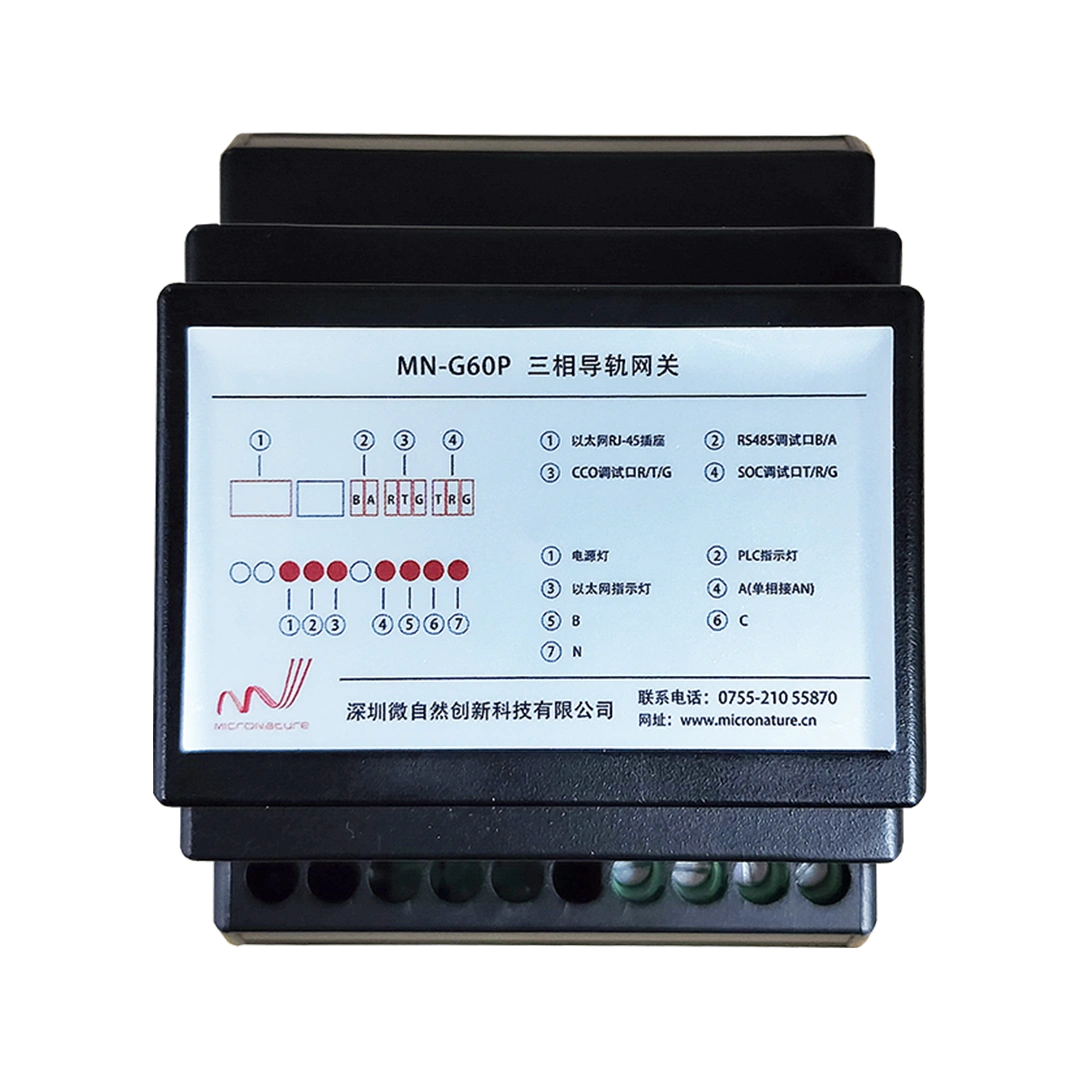
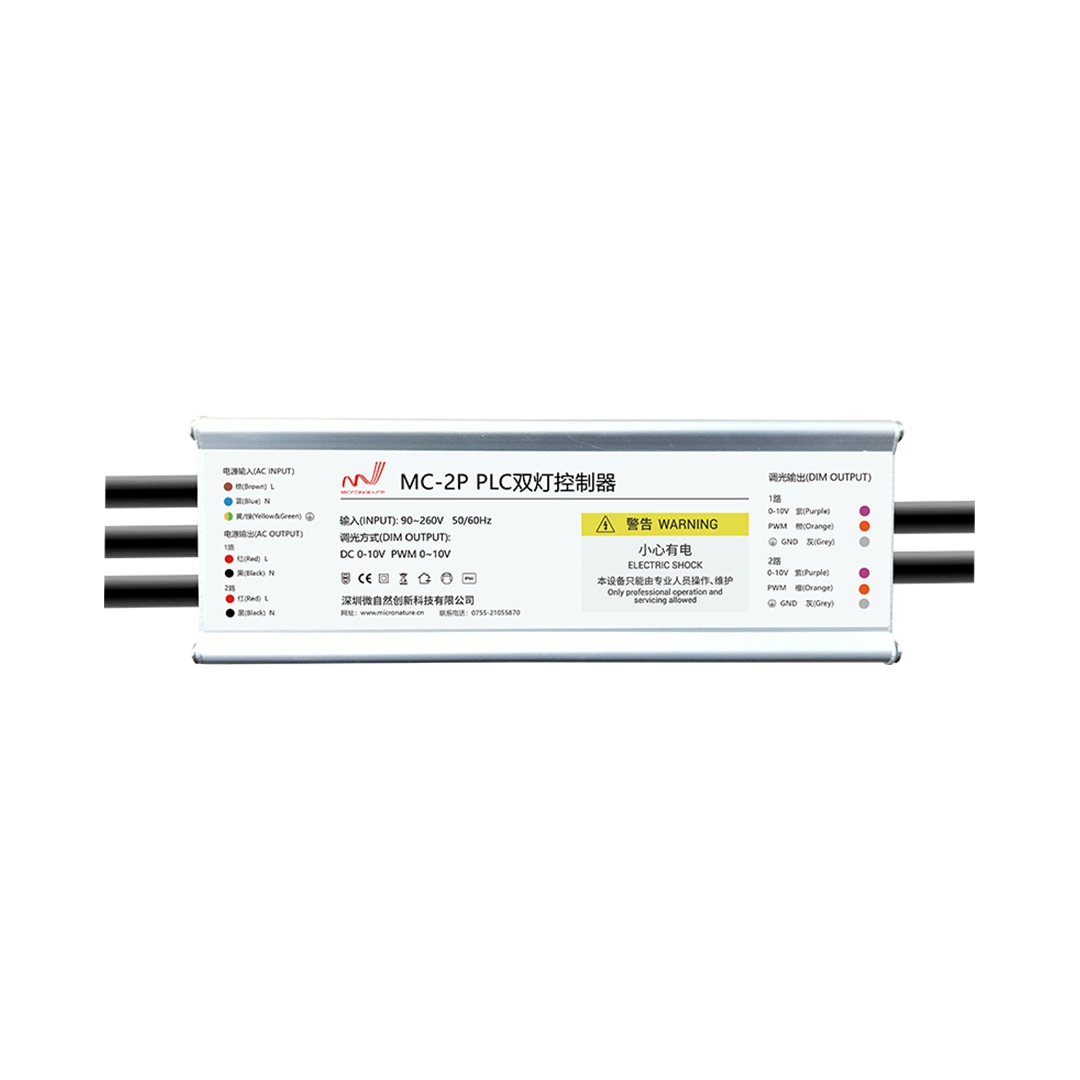
PLC technology enables data communication directly over existing power lines, eliminating the need for additional communication cabling or heavy wireless infrastructure. When combined with AI systems, PLC offers several key advantages:
1. Infrastructure Reuse and Cost Efficiency
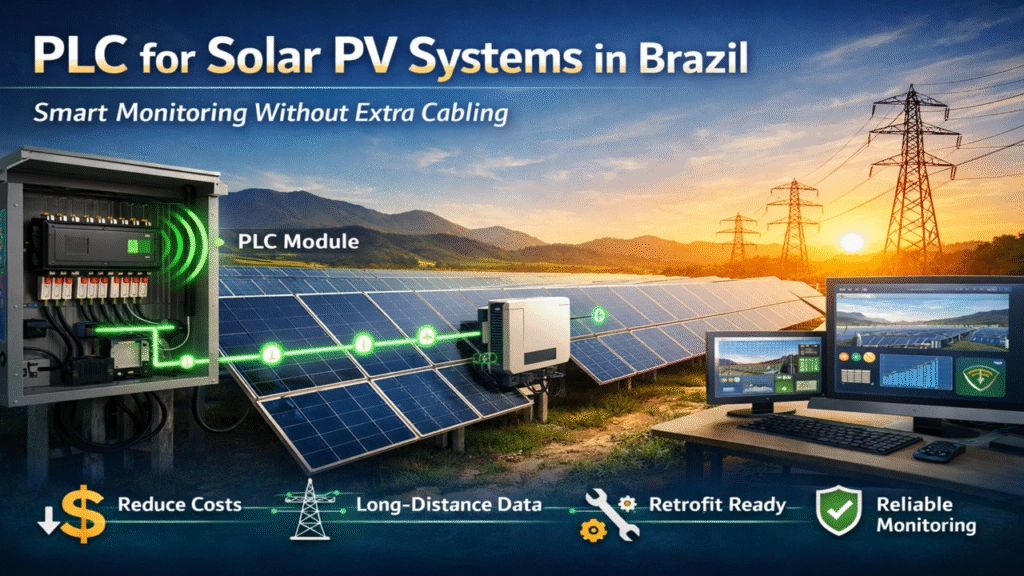
PLC leverages existing power networks, significantly reducing installation time, deployment cost, and maintenance complexity—ideal for large industrial parks, factories, energy systems, and smart cities.
2. High Stability for Industrial Environments
Unlike wireless signals that can be affected by metal structures, electromagnetic interference, or environmental conditions, PLC provides stable and predictable communication, which is critical for AI-driven control systems.
3. Seamless Integration with Edge AI
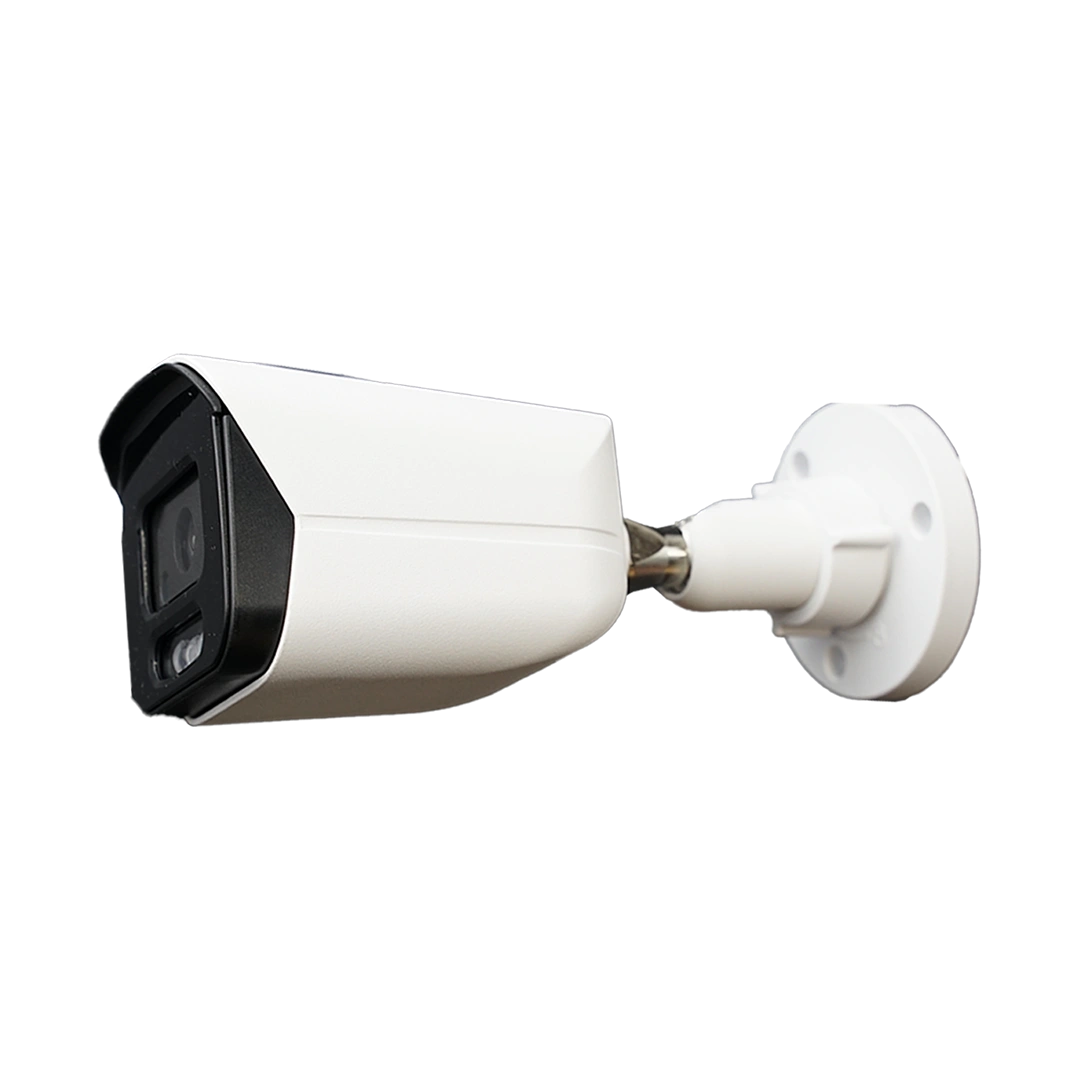
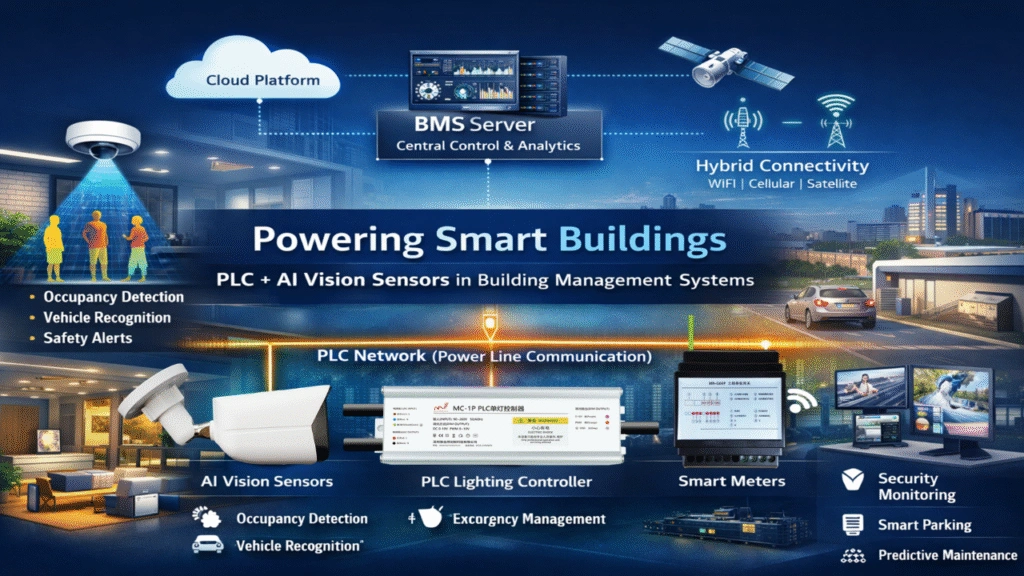
PLC works naturally with edge AI devices, enabling real-time data transmission from sensors, controllers, and AI vision systems to edge gateways and industrial AI platforms.
4. Enhanced Security and Control
Power line networks are physically confined, reducing exposure to external attacks and improving overall system security—an essential requirement for future industrial AI operating systems.
PLC + AI: A Practical Path to Smarter Industry IoT
As Industry IoT evolves toward intelligence rather than simple connectivity, PLC combined with AI technology provides a practical and scalable solution for real-world industrial deployment.
Typical future applications include:
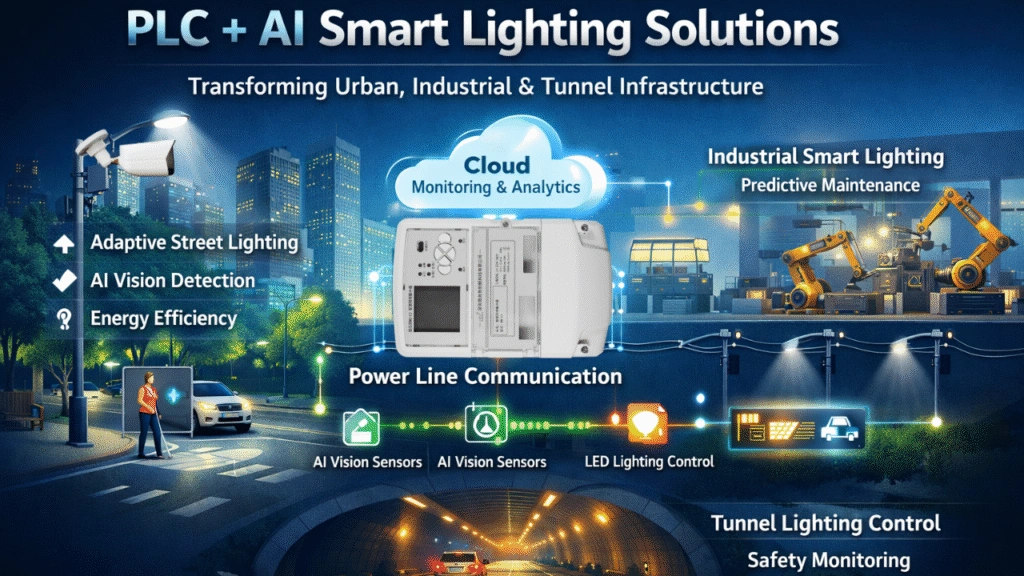
- Smart industrial lighting and energy management
- Intelligent manufacturing and automation
- AI-based predictive maintenance systems
- Smart parks, campuses, and industrial zones
- Digital twin-enabled infrastructure monitoring
With AI algorithms processing data at the edge and PLC ensuring reliable communication, industrial systems can achieve real-time responsiveness, reduced energy consumption, and higher operational efficiency.