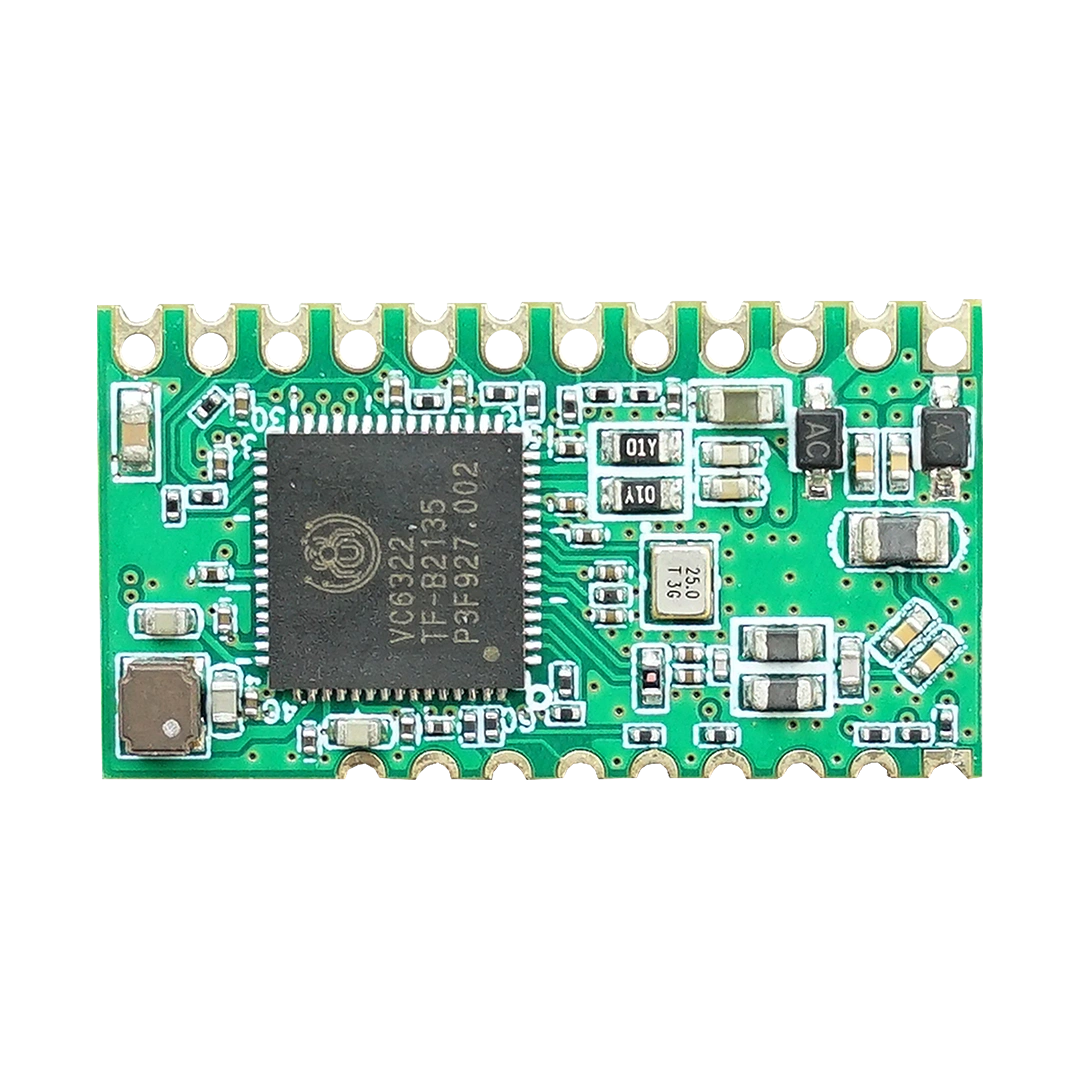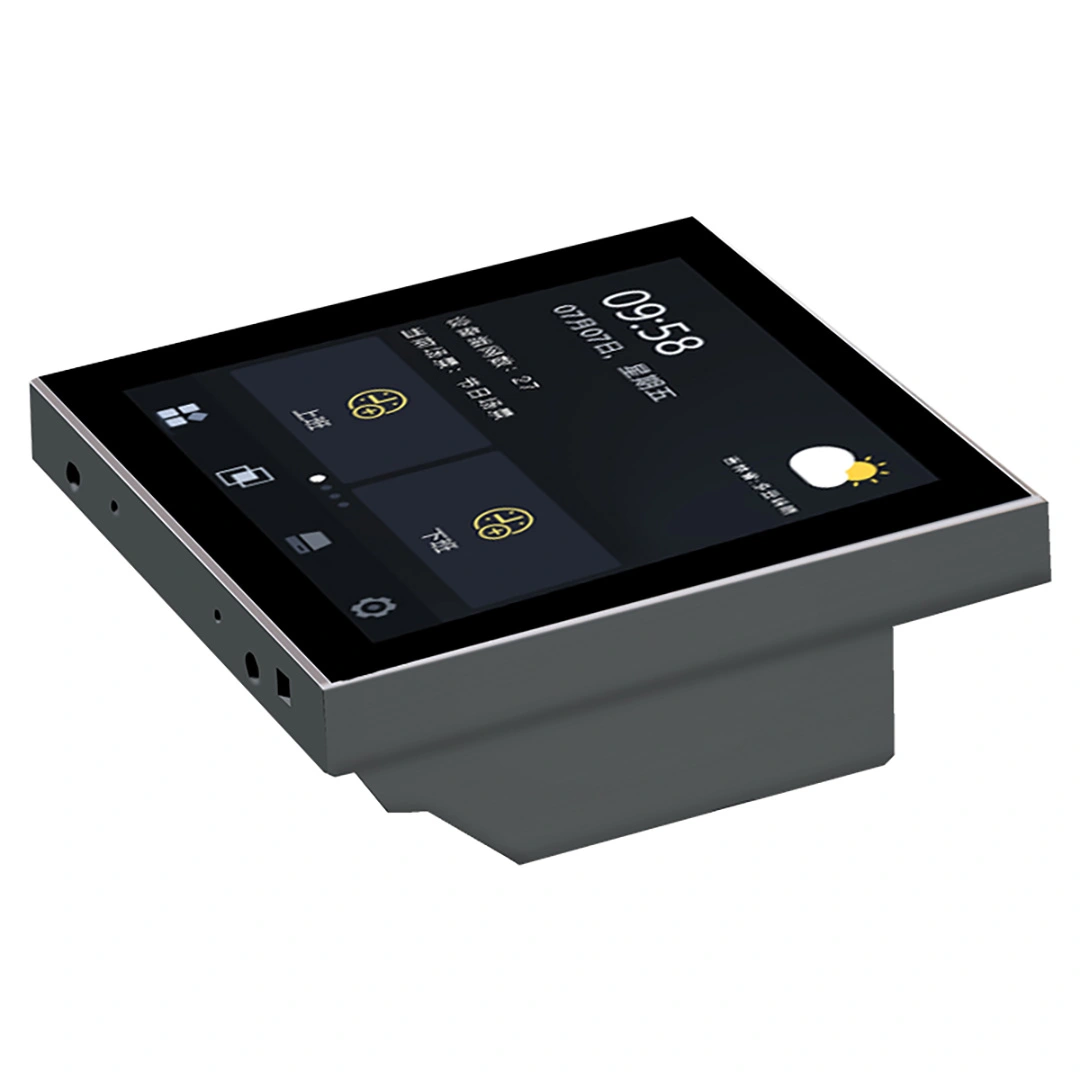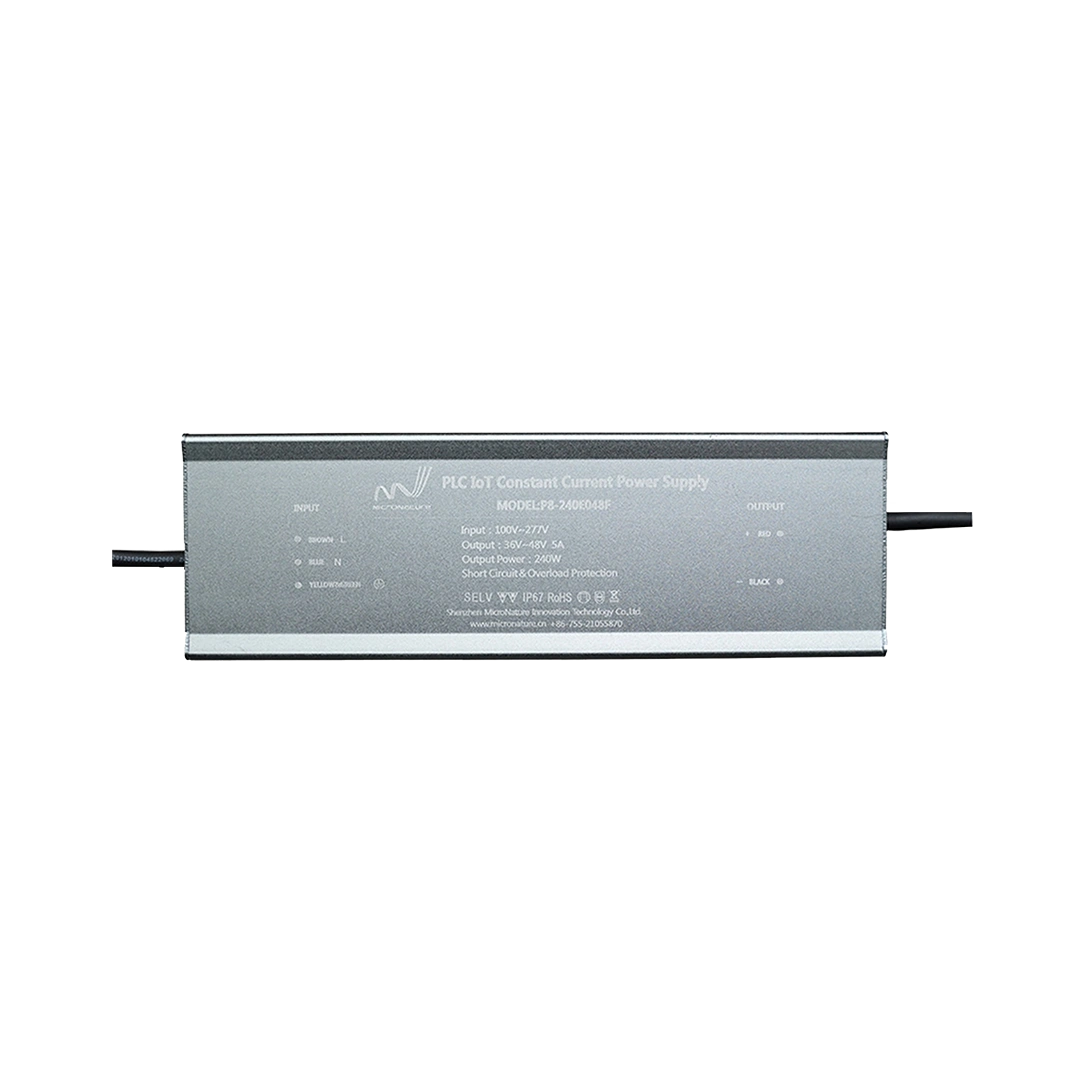
The global industrial lighting market is undergoing a profound transformation. Escalating prices of semiconductors and precious metals such as gold, silver, and palladium are significantly increasing the cost of electronic components. For manufacturers and solution providers, this shift is accelerating the need for more cost-efficient, scalable, and sustainable lighting technologies.
Among the available options, PLC (Power Line Communication) smart lighting is emerging as a highly practical and future-proof solution—particularly for industrial environments where reliability, lifecycle cost, and system integration are critical.
ost Inflation: A Structural Challenge for Industrial Lighting
Modern industrial lighting systems rely heavily on electronic control units, communication modules, and AI-enabled sensors. However, recent market trends have introduced several structural challenges:
- Rising BOM (Bill of Materials) costs driven by chip shortages and metal price volatility
- Longer lead times for key electronic components
- Increased pressure on margins for traditional smart lighting solutions
- Higher maintenance and replacement costs due to system complexity
As a result, industrial users are increasingly shifting their focus from short-term procurement prices to total cost of ownership (TCO) and long-term operational efficiency.
PLC Smart Lighting: Redefining Cost-Efficient Intelligence
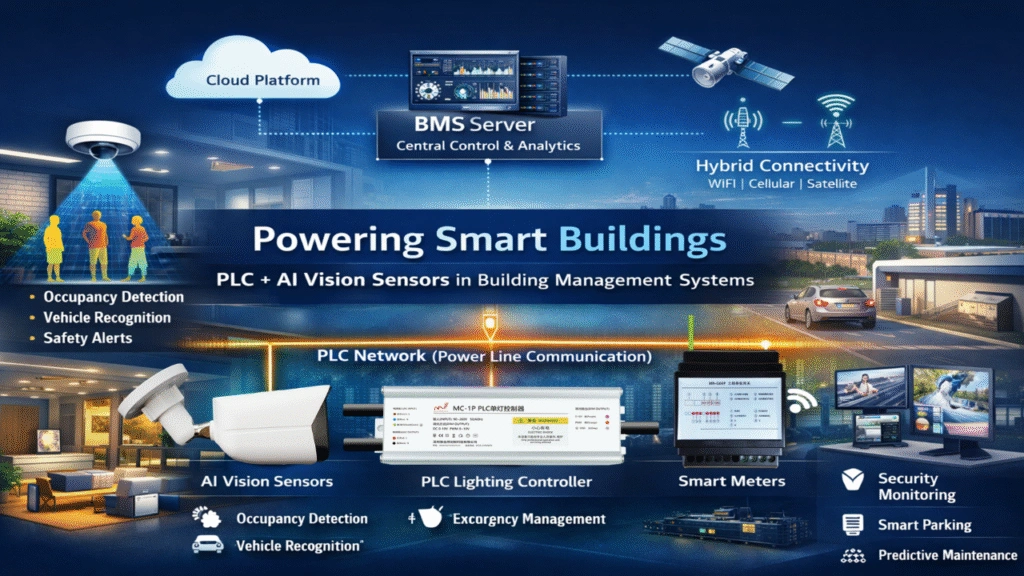
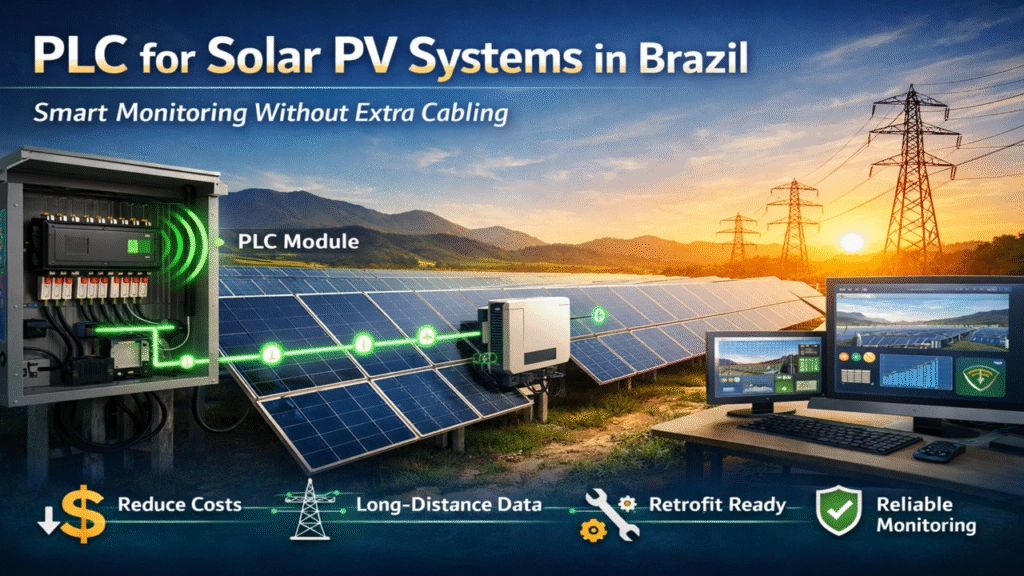
PLC technology enables data transmission over existing power lines, eliminating the need for additional communication infrastructure. This architectural advantage makes PLC lighting systems particularly well-suited to cost-sensitive industrial applications.
1. Reduced Hardware Dependency
By using power cables for both energy delivery and data communication, PLC systems significantly reduce reliance on:
- Dedicated communication wiring
- Additional network chips and gateways
- Complex commissioning tools
This simplified architecture lowers both material costs and installation labor, making PLC lighting ideal for new projects as well as retrofits.
2. Optimized Energy and Asset Management
PLC smart lighting integrates power supply, control, and data transmission into a single network, enabling:
- Real-time monitoring of lighting status
- Adaptive dimming based on usage or environmental conditions
- Predictive maintenance through data feedback
These capabilities help industrial users reduce energy consumption, extend equipment lifespan, and minimize downtime—key factors in long-term cost control.
3. Industrial-Grade Stability and Reliability
Factories, warehouses, logistics centers, and outdoor industrial areas often present challenging electromagnetic environments. PLC technology offers:
- Strong resistance to electrical interference
- Stable long-distance communication over power lines
- Consistent performance in harsh industrial conditions
This robustness reduces system failure rates and lowers maintenance frequency, further improving return on investment.
Strategic Evolution of PLC Lighting Solutions
To adapt to rising costs and evolving industrial demands, PLC lighting solutions are rapidly advancing in several key directions:
Modular and Scalable System Design
- Flexible system expansion without full infrastructure replacement
- Easier upgrades for controllers, sensors, and gateways
- Reduced long-term upgrade costs
Local Intelligence and Edge Processing
- On-site AI processing to reduce cloud dependency
- Lower data transmission requirements
- Improved response speed and system resilience
Integrated Energy and Lighting Management
- Seamless connection with energy monitoring platforms
- Support for industrial IoT and smart factory systems
- Centralized control across large-scale facilities
Industrial Lighting Trends Driven by Cost Awareness
The current cost environment is accelerating several long-term trends in industrial lighting:
- From illumination to data-driven systems: Lighting networks are becoming information hubs within industrial IoT ecosystems.
- Lifecycle optimization over upfront pricing: Buyers increasingly prioritize durability, efficiency, and maintenance savings.
- Standardized platforms with customized deployment: PLC enables standardized communication with scenario-specific configurations.
- Sustainability as a purchasing criterion: Energy efficiency, reduced material usage, and longer service life are now essential benchmarks.
PLC Technology as a Bridge to Sustainable Industrial Lighting
PLC smart lighting represents a balanced approach between innovation and practicality. By maximizing existing infrastructure, reducing unnecessary hardware, and enabling intelligent control, PLC technology helps industrial users navigate cost pressures without compromising performance or scalability.
As the industrial lighting market continues to evolve, PLC-based solutions are playing a critical role in enabling efficient, intelligent, and sustainable lighting systems—even under challenging economic conditions.
About Us
We specialize in PLC smart lighting solutions for industrial applications, delivering reliable and efficient lighting systems through advanced power line communication technology. Our solutions are designed to help customers reduce installation complexity, optimize energy usage, and achieve intelligent lighting upgrades with long-term value.
Visit our website to explore our PLC lighting products, system architectures, and industry insights.