Enabling Smarter, More Efficient Infrastructure with Intelligent Connectivity
Introduction: From Connectivity to Intelligence in Modern Buildings
Following innovations like the three-in-one IoT connectivity module introduced by Blues and Skylo at Embedded World, the next step in industrial and infrastructure evolution is clear:
Connectivity alone is not enough — intelligence at the edge is essential.
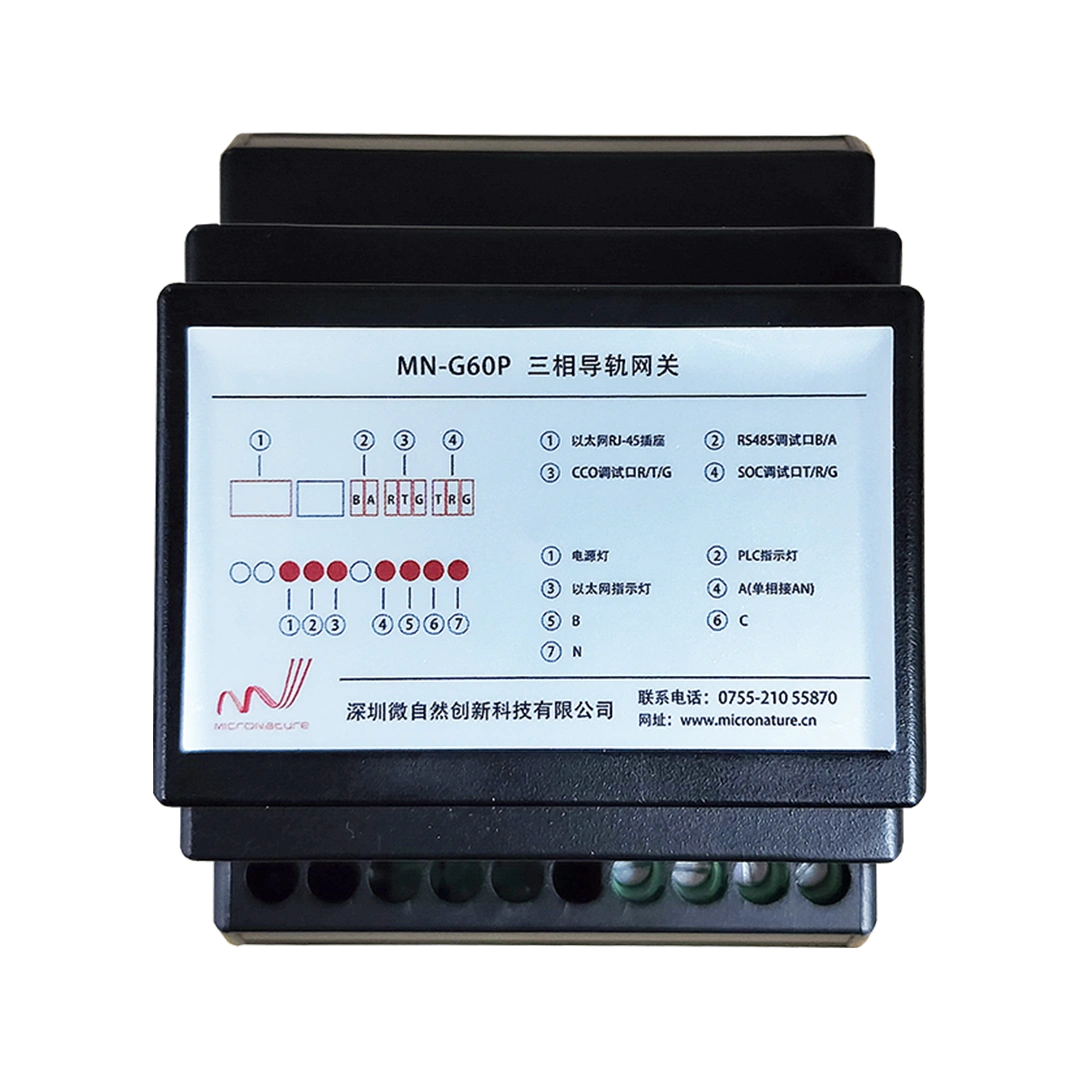
This is where PLC (Power Line Communication) combined with AI vision sensors becomes a powerful foundation for next-generation Building Management Systems (BMS).
What Is PLC + AI Vision in BMS?
A modern BMS (Building Management System) traditionally manages:
- Lighting
- HVAC
- Energy consumption
- Security systems
However, most systems rely on predefined logic or manual control, lacking real-time environmental awareness.
By integrating:
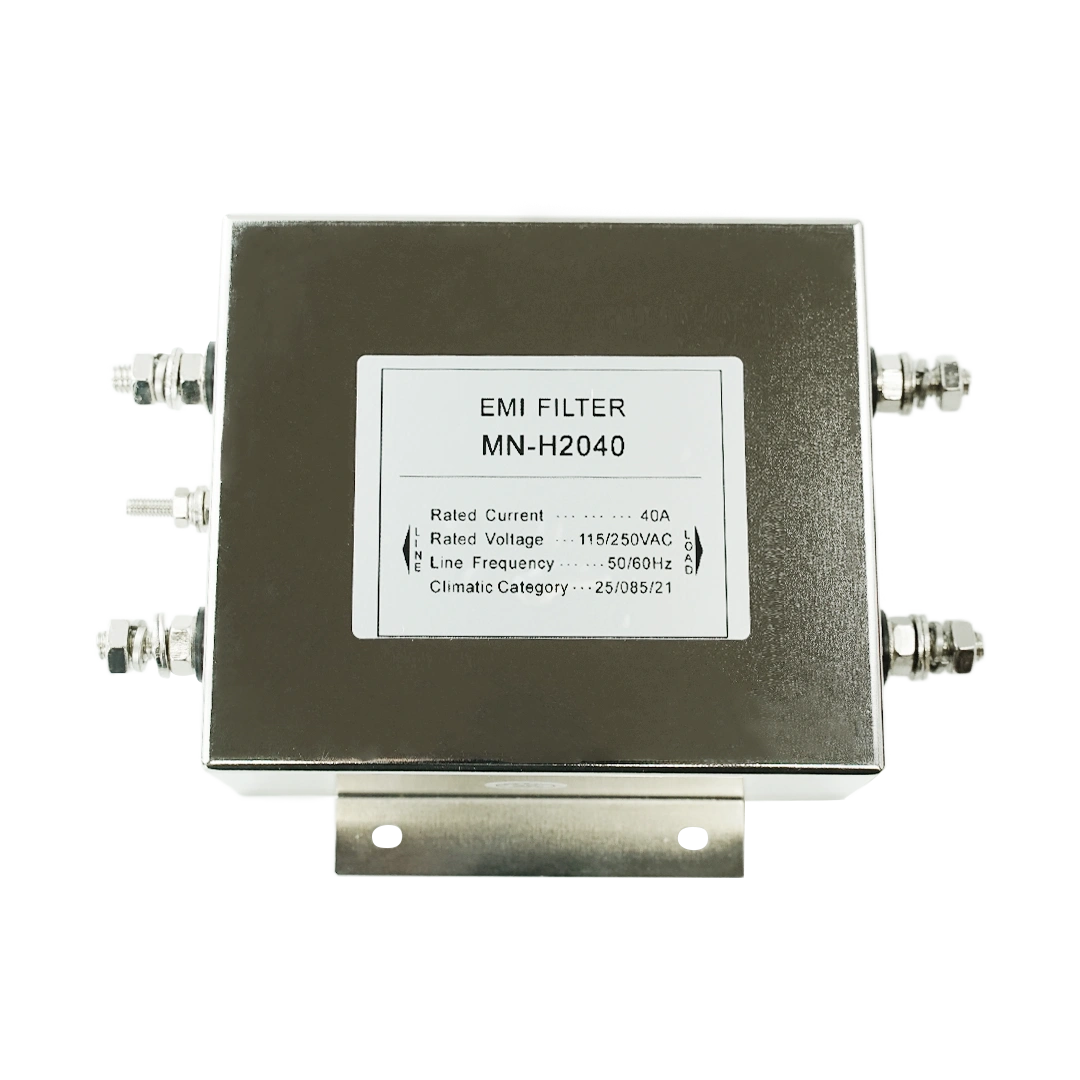
- PLC communication networks (data over power lines)
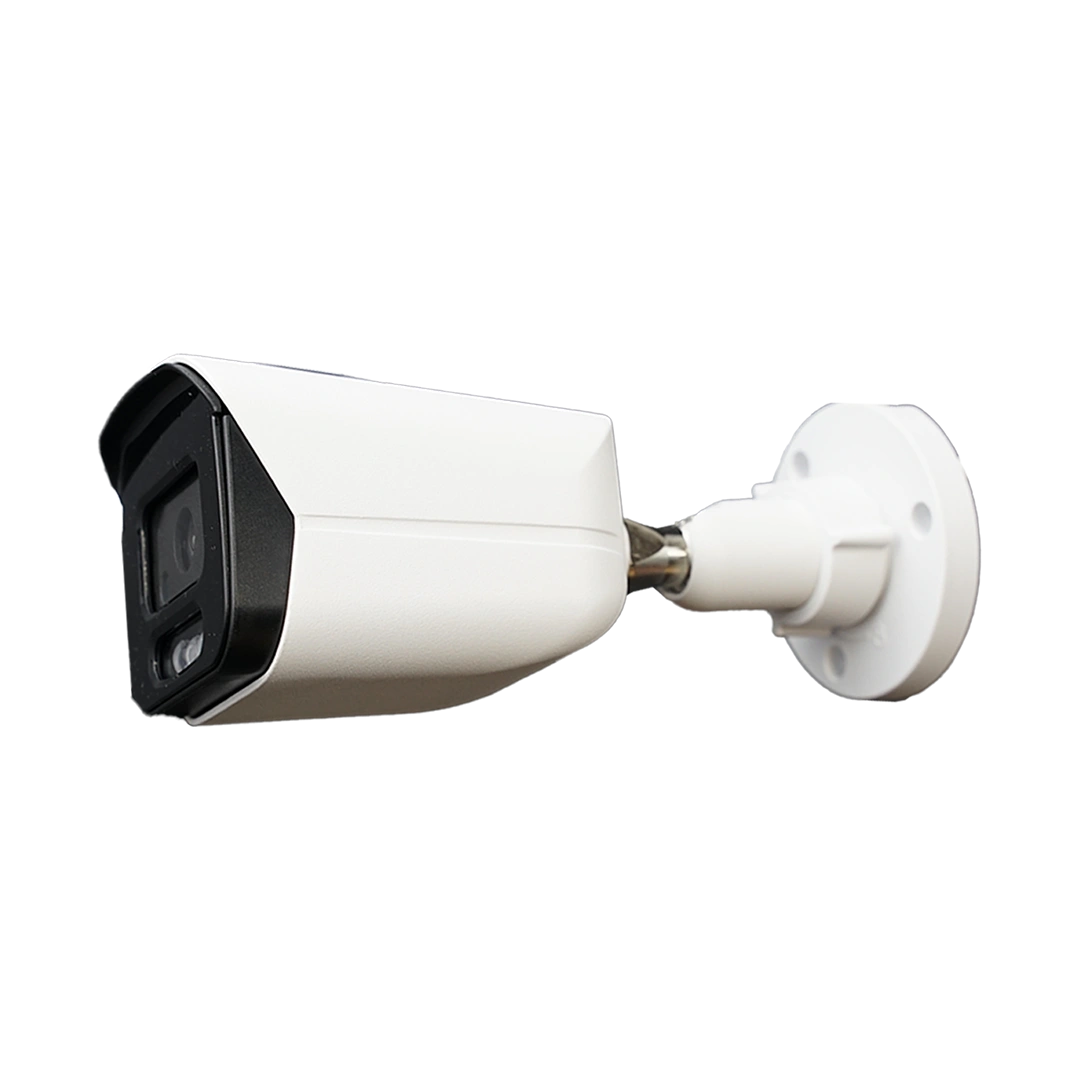
- AI vision sensors (real-time visual intelligence)
Buildings become capable of:
- Seeing
- Understanding
- Acting autonomously
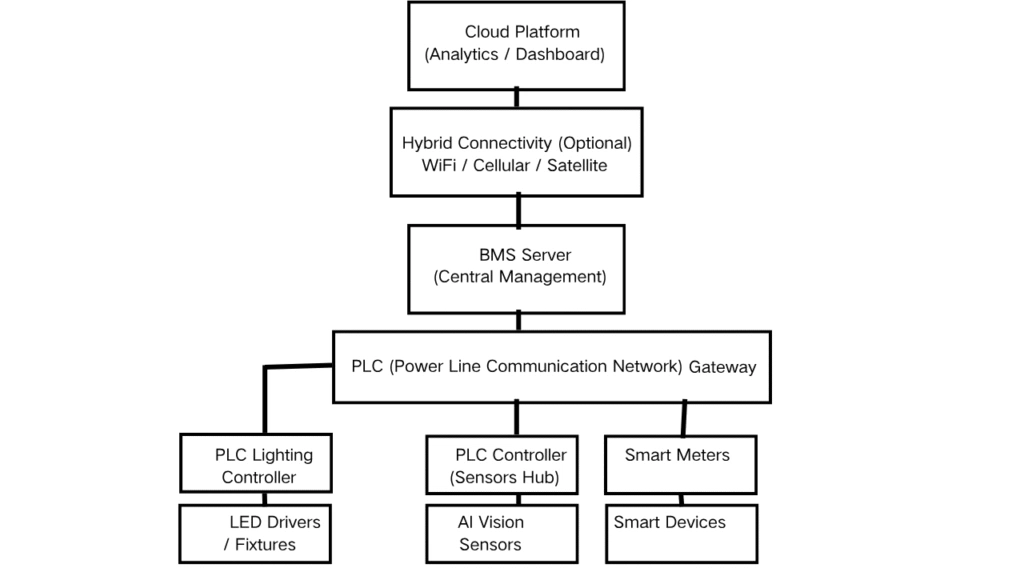
PLC + AI Vision + BMS Topology:
Why PLC Is the Ideal Backbone for Smart BMS
1. No Additional Communication Wiring
PLC uses existing electrical infrastructure, making it ideal for:
- Retrofit projects
- Large-scale buildings
- Industrial environments
2. High Reliability in Complex Environments
Unlike wireless-only systems, PLC offers:
- Stable communication
- Reduced interference
- Secure data transmission
3. Scalable Infrastructure Integration
From a single building to city-scale deployment, PLC enables:
- Unified control
- Centralized monitoring
- Easy expansion
The Role of AI Vision Sensors in BMS
AI vision sensors act as the “eyes” of the building, delivering real-time insights such as:
- Occupancy detection
- Human movement tracking
- Vehicle recognition
- Safety monitoring
- Behavior analysis
Unlike traditional sensors (PIR, microwave), AI vision provides:
- High accuracy
- Context awareness
- Multi-object detection
PLC + AI Vision: A Powerful Combination
When AI vision sensors are integrated into a PLC network:
1. Real-Time Decision Making at the Edge
- AI detects events (people, vehicles, anomalies)
- Data is transmitted instantly via PLC
- BMS executes actions automatically
2. Reduced Latency & Cloud Dependency
- Local processing reduces reliance on cloud
- Faster response for critical scenarios
3. Lower Deployment Cost
- No need for additional communication networks
- Simplified system architecture
Key Applications of PLC + AI Vision in BMS
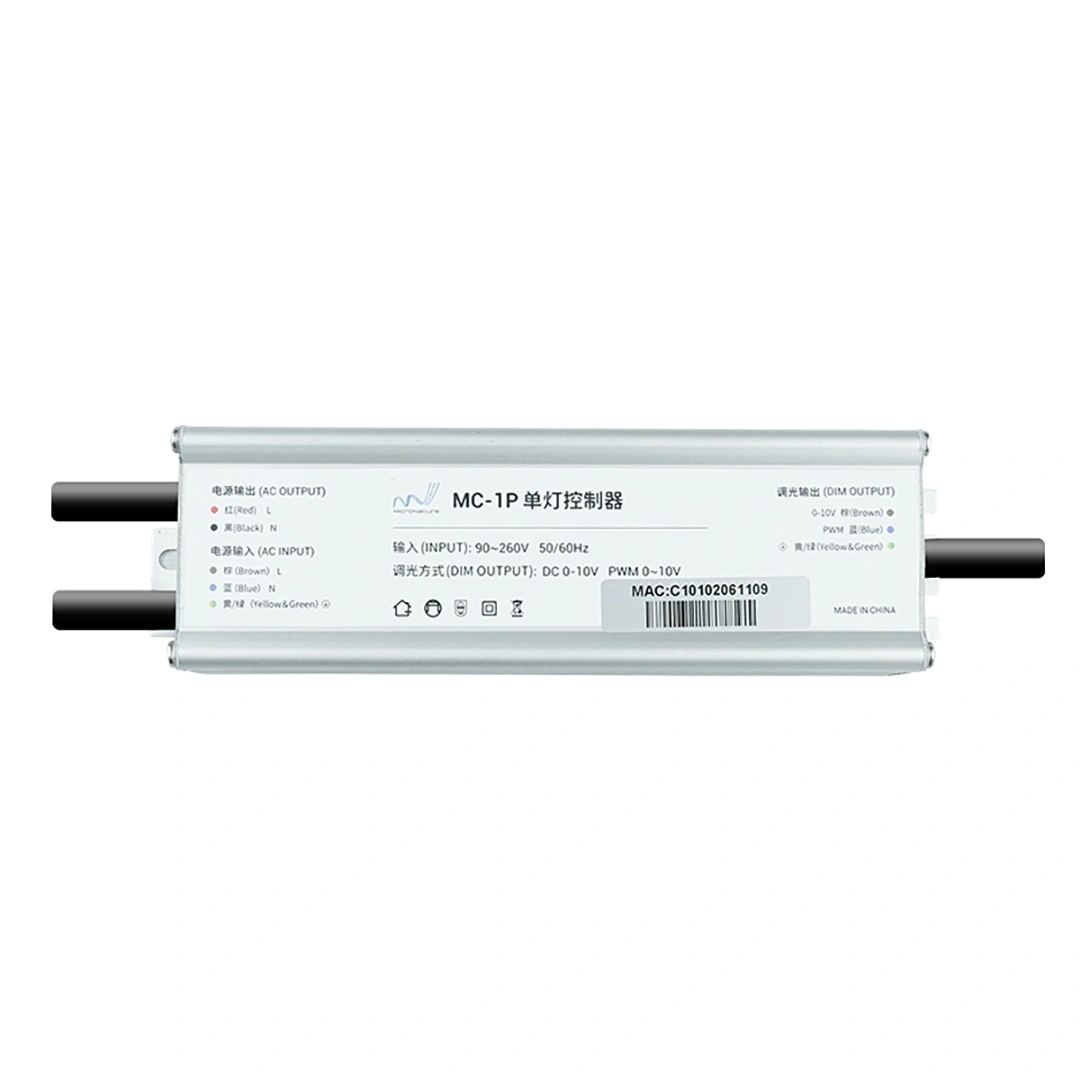
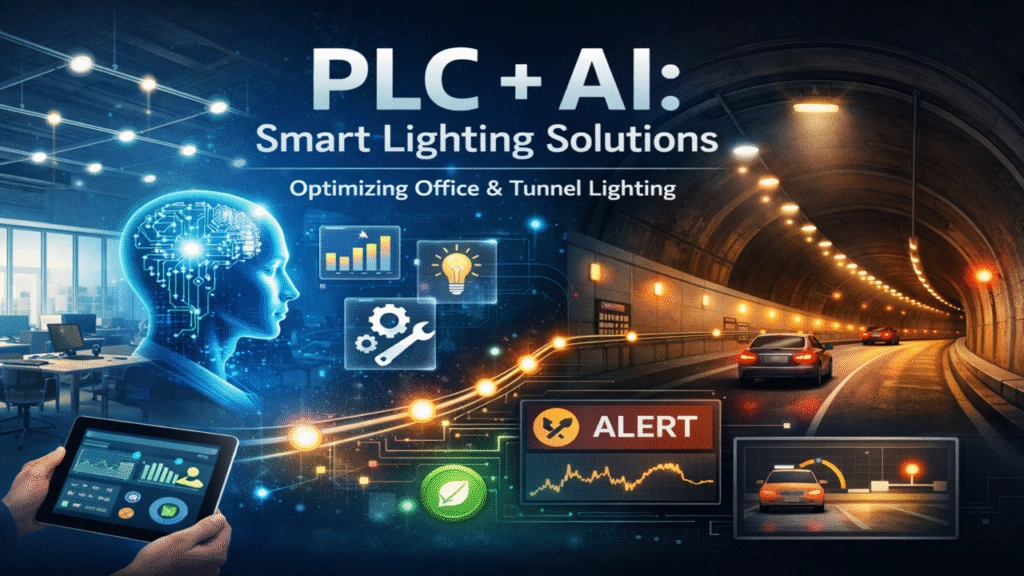
1. Intelligent Lighting Control
- Lights adjust based on occupancy and movement
- Corridor and office lighting optimized automatically
- Energy savings of up to 60–80%
Use Case:
Office buildings, shopping malls, parking garages
2. Smart Energy Management
- AI identifies usage patterns
- PLC transmits data to central BMS
- Systems optimize power consumption dynamically
Use Case:
Commercial buildings, factories, data centers
3. Advanced Security & Surveillance
- AI vision detects unauthorized access
- Real-time alerts via PLC network
- Integration with access control systems
Use Case:
Airports, campuses, industrial facilities
4. Smart Parking & Traffic Flow
- Vehicle detection and license plate recognition
- Dynamic lighting and guidance systems
- Improved traffic efficiency
Use Case:
Underground parking, logistics hubs, smart cities
5. Predictive Maintenance
- AI detects abnormal behavior or equipment usage
- PLC ensures reliable data transmission
- BMS schedules maintenance proactively
Use Case:
Industrial plants, infrastructure systems
6. Emergency Response Optimization
- AI detects smoke, crowding, or unusual behavior
- Instant communication via PLC
- Automated emergency lighting and alerts
Use Case:
Hospitals, public buildings, tunnels
Why This Matters for the Future of Smart Buildings
As buildings become more complex, the demand for:
- Real-time intelligence
- Reliable connectivity
- Energy efficiency
continues to grow.
The combination of:
- AI vision (intelligence)
- PLC (reliable communication)
creates a fully integrated smart infrastructure system that is:
- Scalable
- Cost-efficient
- Highly reliable
Integration with Next-Generation IoT Connectivity
When combined with hybrid connectivity solutions like those from Blues and Skylo:
- PLC handles local building communication
- Cellular/WiFi/Satellite ensures remote connectivity
This creates a complete end-to-end intelligent system, from edge devices to cloud platforms.