In the age of artificial intelligence, infrastructure systems are undergoing the same transformation as manufacturing. Lighting—long considered a static utility—is becoming a dynamic, data-driven system.
Yet many smart lighting projects encounter the same hidden challenge seen in industrial AI deployments: the context deficit. Data exists everywhere, but it is rarely structured in a way that AI systems can understand.
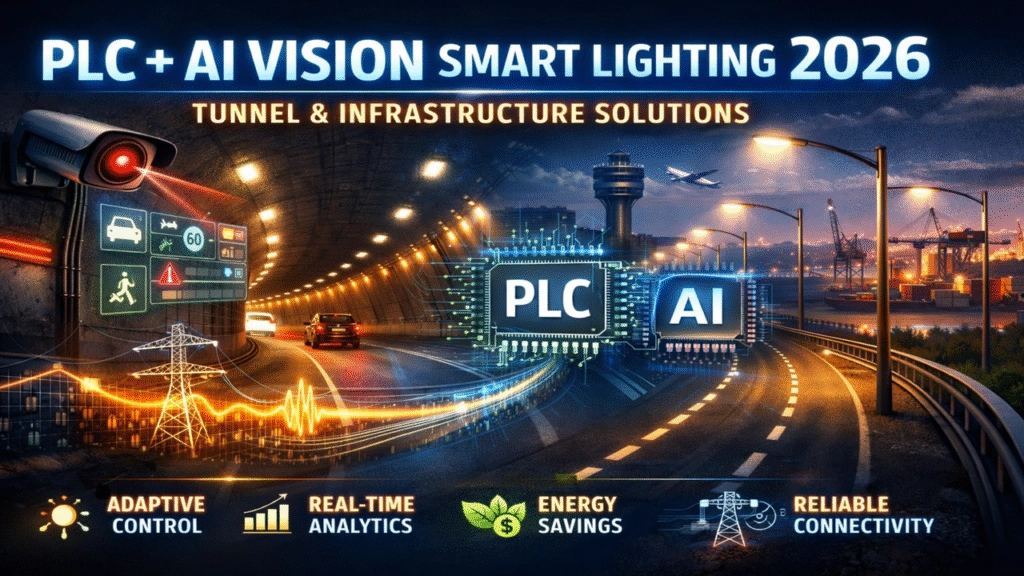
This is where Power Line Communication (PLC) combined with AI analytics changes the equation. Instead of building new communication infrastructure or isolated sensor networks, PLC transforms existing power cables into a unified data backbone. Once operational data flows through this backbone, AI can analyze it to reduce cost, optimize performance, and improve safety across lighting environments—from office buildings to critical infrastructure like highway tunnels.
The Hidden Cost in Lighting Projects: Fragmented Data
Many modern lighting systems include smart drivers, sensors, and control platforms. However, the underlying challenge remains the same: data fragmentation.
Typical smart lighting deployments face several issues:
- Separate power and communication networks
- Multiple vendor protocols
- Incomplete operational data
- Limited real-time monitoring capability
This fragmentation creates a translation problem similar to the “translation tax” seen in manufacturing AI initiatives. Engineers spend significant time integrating data sources before analytics can deliver real value.
PLC eliminates much of this complexity.
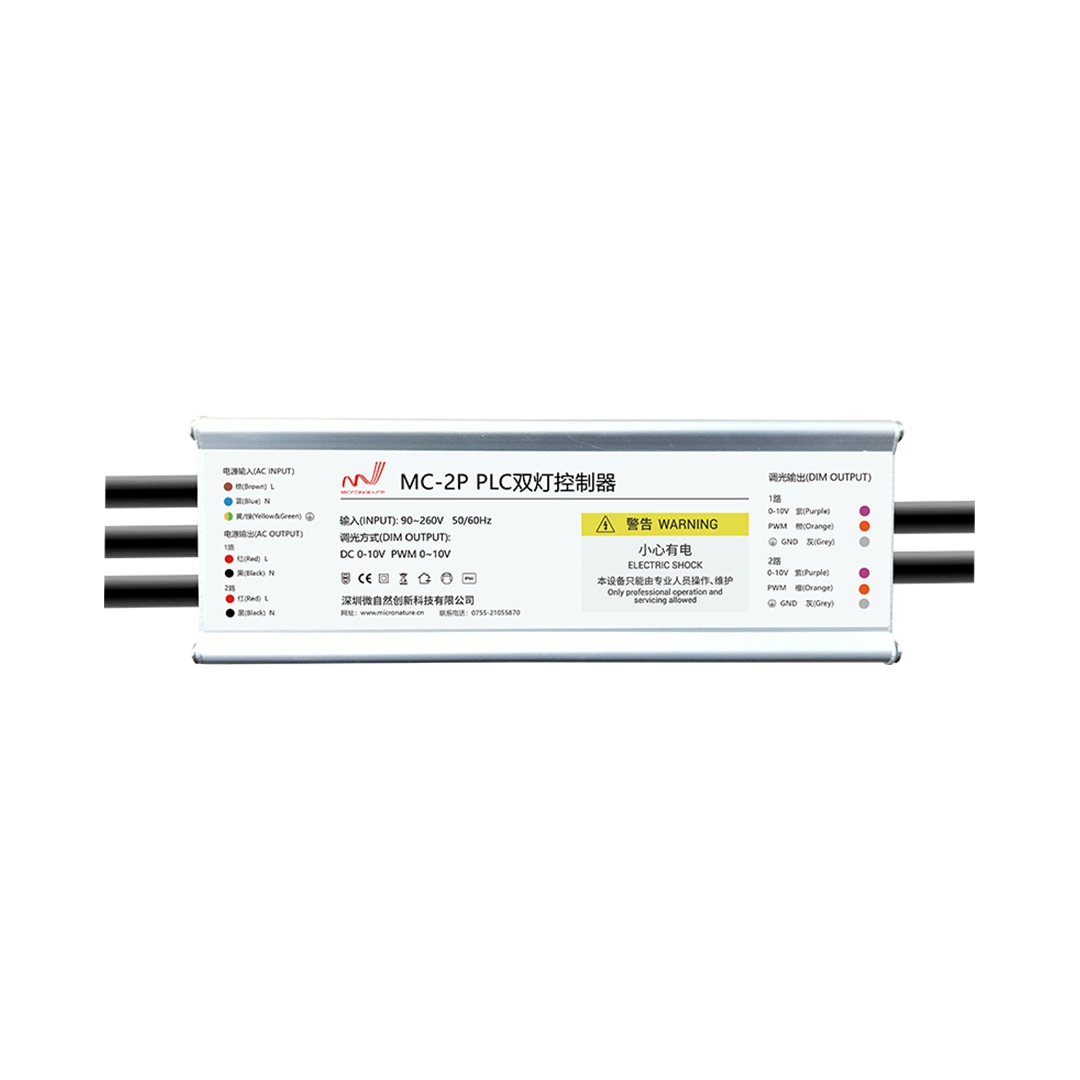
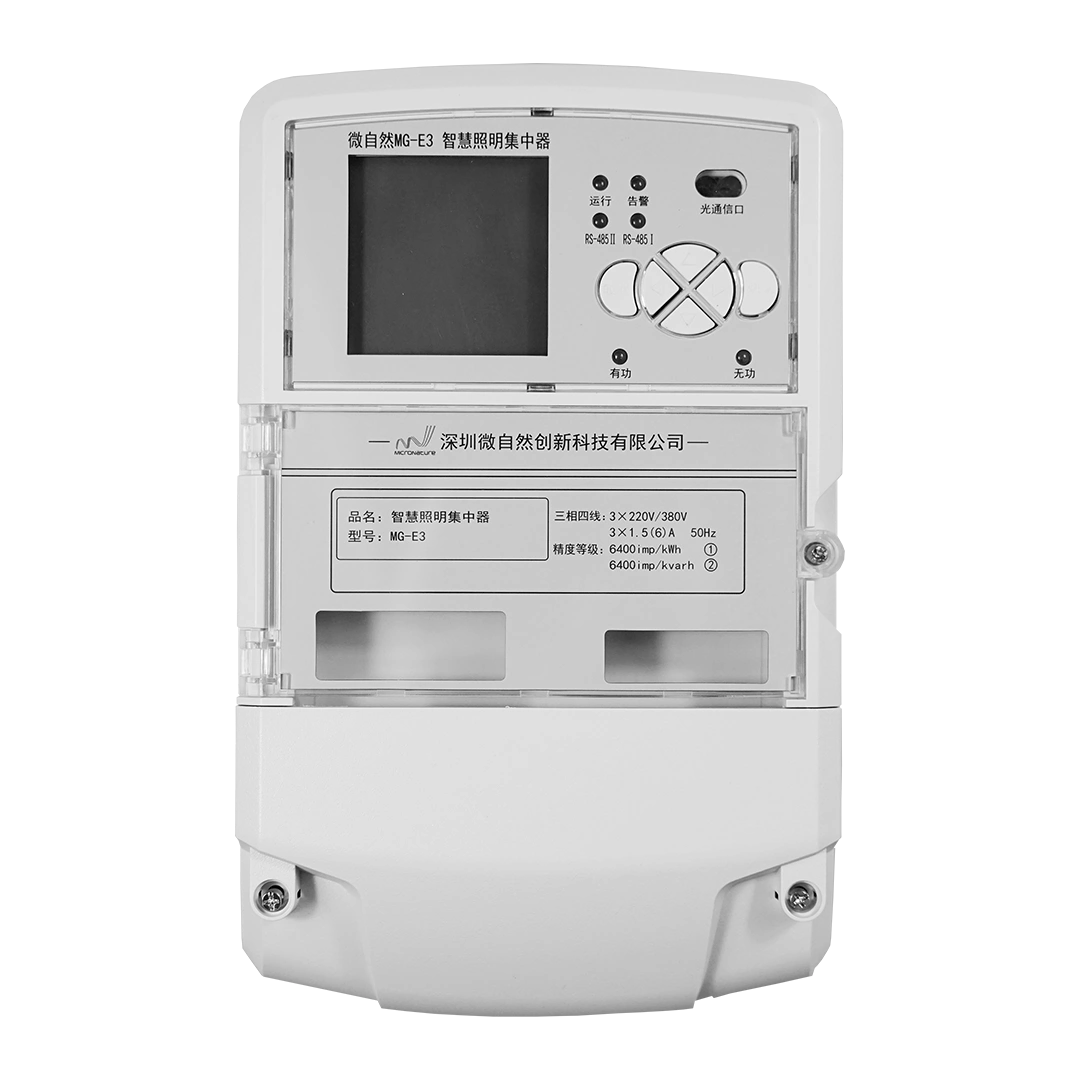
By transmitting data directly through the electrical wiring that already powers the luminaires, PLC provides a native communication layer for lighting infrastructure. Every luminaire becomes a connected node capable of sharing operational data with centralized analytics platforms.
This unified data layer becomes the foundation for AI-driven optimization.
PLC + AI in Office Lighting: Smarter Buildings With Lower Energy Cost
Office buildings are ideal environments for PLC-based smart lighting systems because they already contain extensive electrical networks.
When combined with AI analytics, PLC enables several high-value capabilities.
Learn more in our PLC Smart Office Lighting Case Study.
Intelligent Energy Optimization
AI algorithms can analyze real-time lighting usage patterns across different zones of a building. Using PLC communication, each luminaire reports operational status, power consumption, and environmental sensor data.
The system can then automatically:
- Adjust brightness based on occupancy
- Optimize lighting schedules
- Balance daylight harvesting
- Reduce unnecessary nighttime energy use
The result is significant energy savings without compromising comfort.
Predictive Maintenance
Lighting failures in large buildings often go unnoticed until occupants report them.
With PLC connectivity, luminaires continuously transmit operational data such as:
- driver temperature
- voltage fluctuations
- power consumption anomalies
AI models analyze this data to predict potential failures before they occur. Maintenance teams can replace components during scheduled service visits instead of responding to emergency repairs.
This approach reduces:
- maintenance labor costs
- building downtime
- tenant complaints
PLC + AI in Tunnel Lighting: Improving Safety and Reliability
Tunnel lighting is one of the most demanding applications for smart infrastructure.
Lighting systems must operate reliably 24/7 while responding dynamically to changing environmental conditions such as daylight levels, traffic density, and weather conditions.
PLC-based communication offers several advantages in these environments.
Learn more in our PLC Smart Tunnel Lighting Case Study.
Infrastructure Simplicity
Unlike wireless systems, PLC does not require additional communication cabling or radio infrastructure inside the tunnel. The power network itself becomes the communication channel.
This reduces:
- installation complexity
- system cost
- long-term maintenance risk
AI-Driven Adaptive Lighting
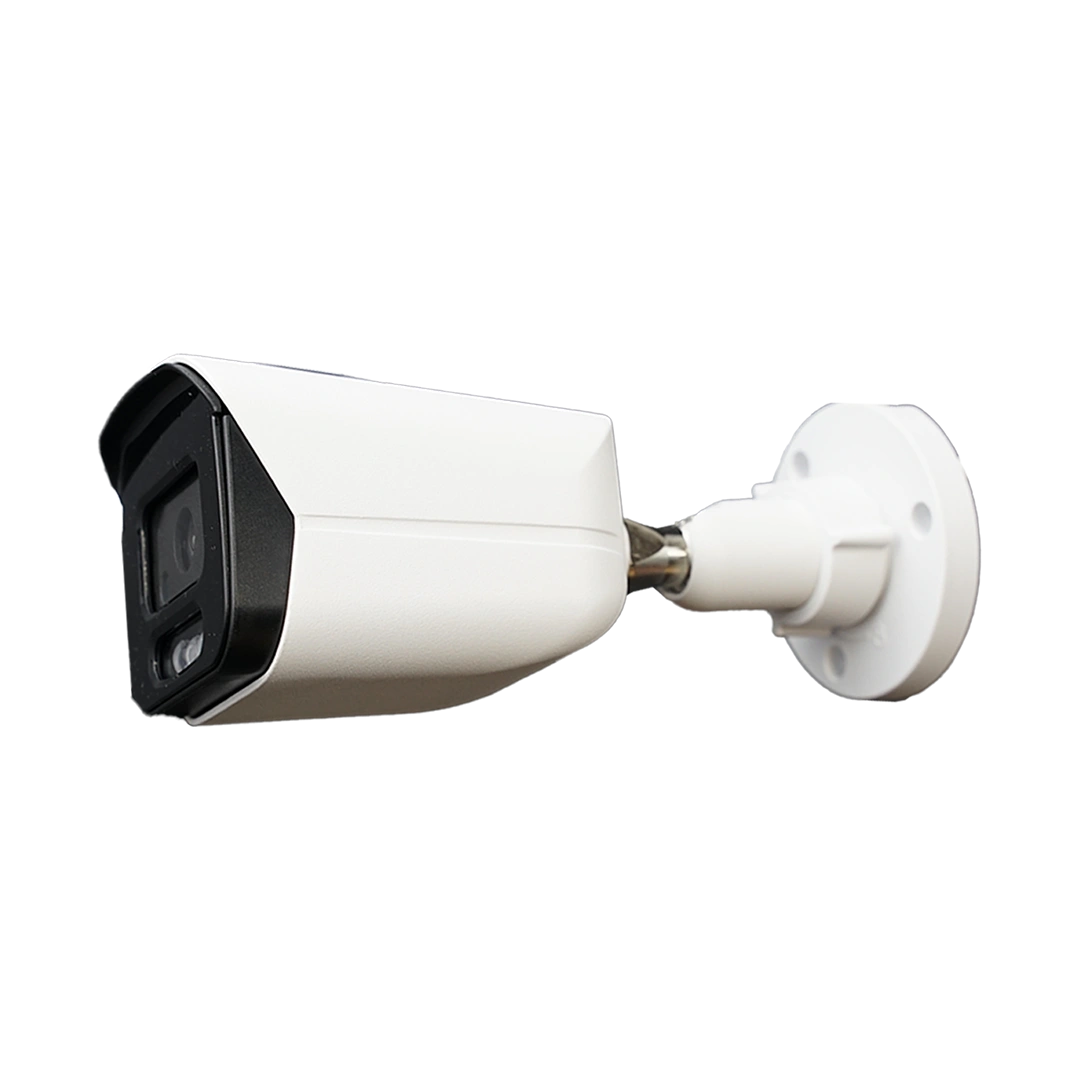
AI algorithms can process real-time data from multiple sources:
- entrance luminance sensors
- traffic flow sensors
- weather monitoring systems
Using PLC communication, lighting fixtures receive dynamic brightness commands to maintain optimal visibility for drivers entering and exiting the tunnel.
This ensures compliance with safety standards while minimizing energy consumption.
Predictive Infrastructure Monitoring
Tunnel maintenance is expensive and often requires traffic disruptions.
AI analytics can monitor luminaire health and electrical network stability through PLC data streams. By detecting anomalies early, maintenance teams can intervene before system failures occur.
The benefits include:
- fewer tunnel closures
- improved driver safety
- lower operational expenditure
The Real Investment: A Data Backbone for Smart Lighting
The most important insight from modern AI projects is that the algorithm itself is not the most valuable asset.
The true asset is the data backbone that allows systems to communicate and share context.
In lighting infrastructure, PLC provides that backbone. It connects every luminaire into a unified network capable of supporting multiple intelligent services, including:
- AI-based energy optimization
- predictive maintenance
- environmental sensing
- smart city integration
Once this foundation exists, new capabilities can be added without redesigning the entire system.
From Smart Lighting to Intelligent Infrastructure
The convergence of PLC communication and AI analytics marks a shift from simple lighting control to intelligent infrastructure management.
Instead of treating lighting as an isolated electrical system, organizations can transform it into a connected platform that continuously generates operational insights.
For office buildings, this means lower energy consumption and better occupant comfort.
For tunnels and transportation infrastructure, it means greater safety, reliability, and operational efficiency.
The intelligence already exists within the lighting system—the real investment is building the network that allows us to hear it.