Honeywell’s recent launch of its AI-powered Connected Solutions platform marks a major step forward in intelligent building operations. Already deployed by organizations such as Verizon Communications and Vanderbilt University, the platform demonstrates how artificial intelligence, unified software, and real-time data can significantly improve building efficiency, security, and operational reliability.
As global building owners face aging infrastructure, rising energy costs, cybersecurity challenges, and labor shortages, the industry is rapidly moving toward AI-driven, fully connected building ecosystems. In this context, PLC (Power Line Communication) combined with AI is emerging as a highly practical and scalable technology path for the next generation of smart buildings.
Why AI-Driven Building Platforms Need PLC
Honeywell’s Connected Solutions focuses on integrating building systems that were not originally designed to communicate with each other. This challenge is common across commercial buildings, campuses, industrial parks, and public infrastructure.
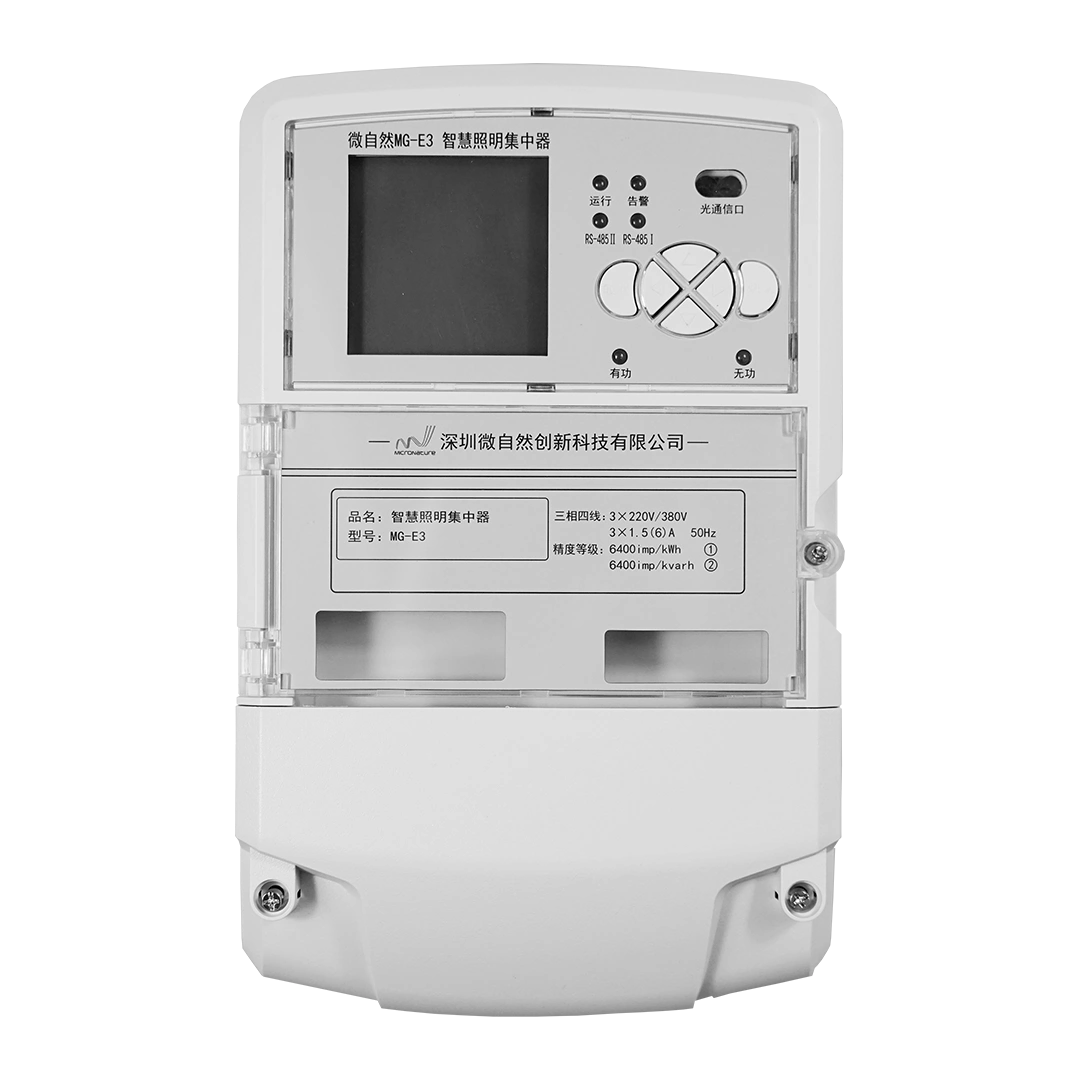
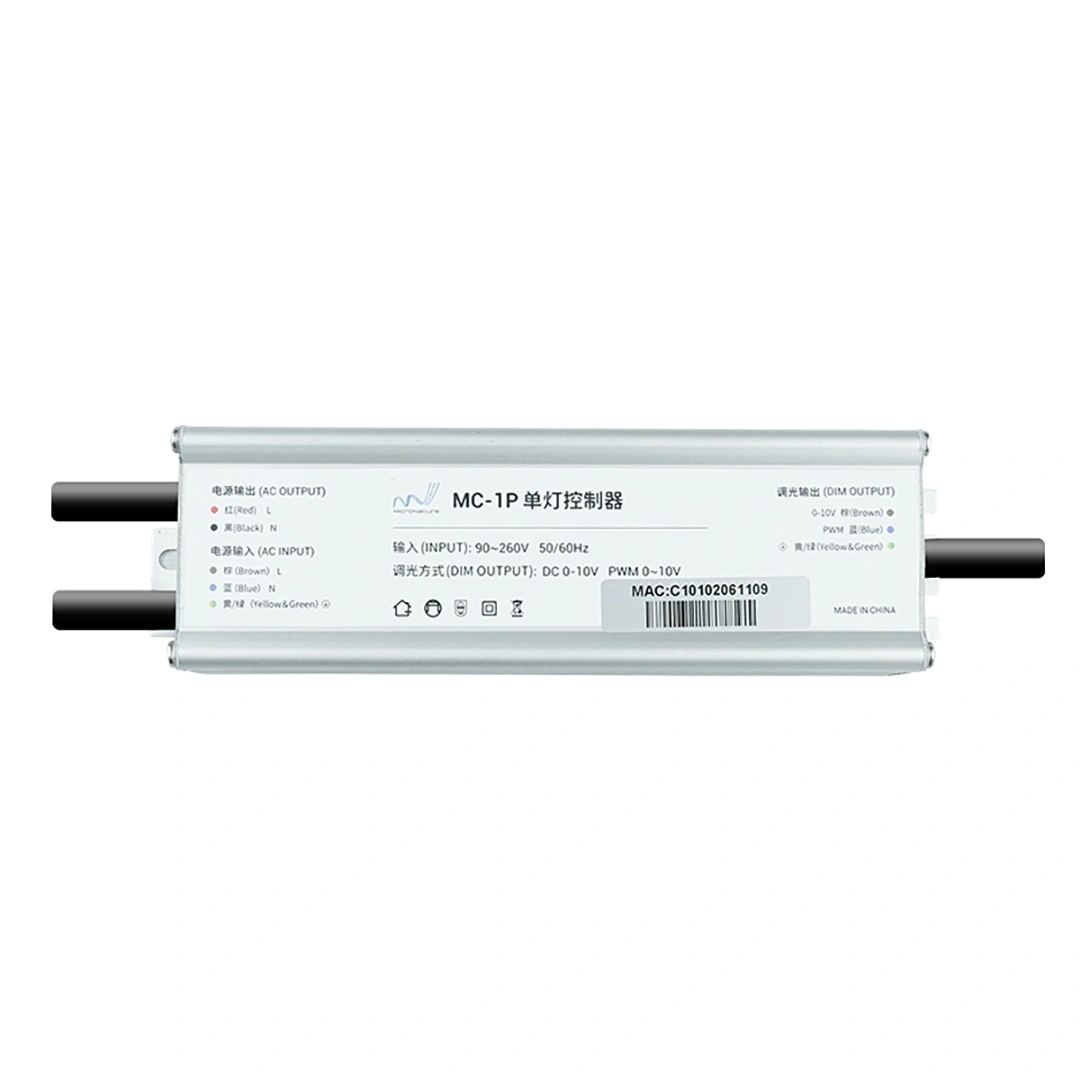
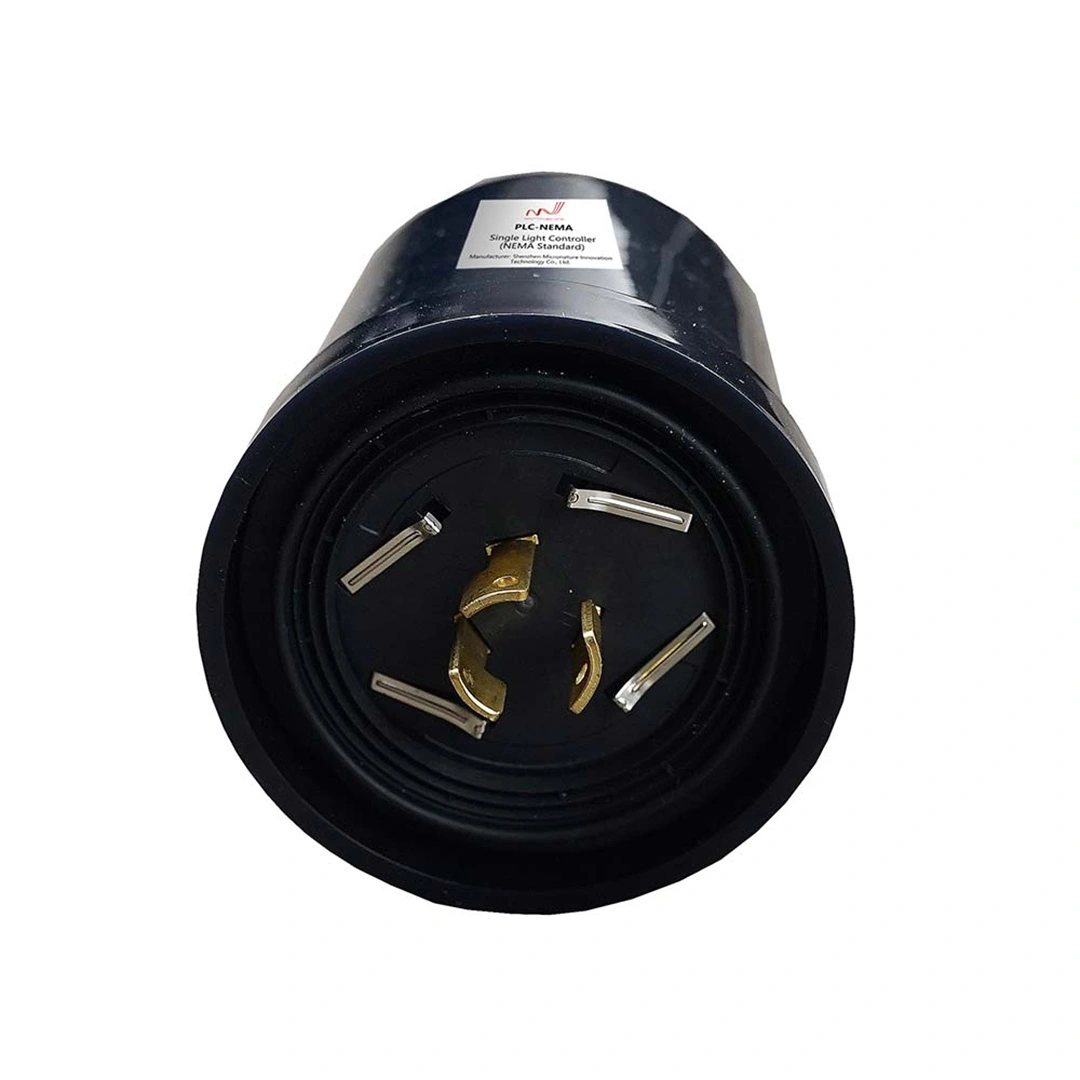
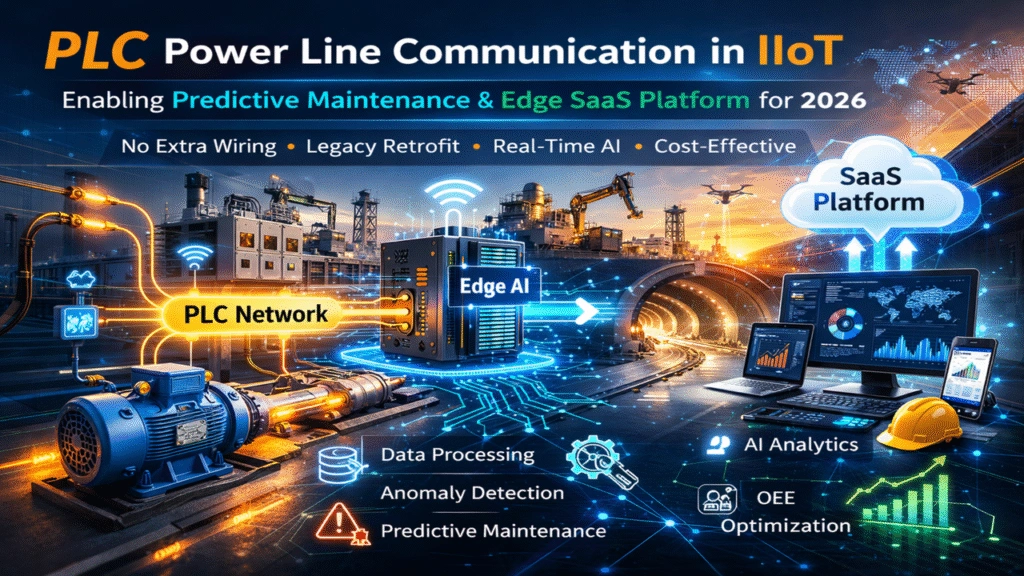
PLC technology directly addresses this issue by using existing power lines as a communication medium, eliminating the need for additional network cabling. When combined with AI platforms, PLC enables:
- Seamless connectivity for legacy and new building devices
- Faster deployment with minimal infrastructure modification
- Lower installation and maintenance costs
- Stable communication across large and complex buildings
PLC becomes the invisible communication backbone that allows AI platforms to function efficiently at scale.
How PLC + AI Work Together in Smart Buildings
In AI-powered platforms like Honeywell’s Connected Solutions, large volumes of data are continuously collected from lighting systems, HVAC, power distribution units, meters, sensors, and controllers. PLC enables these devices to transmit data reliably through existing electrical wiring.
When AI is layered on top of PLC networks, building operators can achieve:
- Predictive maintenance by analyzing equipment behavior and identifying failures before downtime occurs
- Remote monitoring and diagnostics across multi-site facilities
- AI-driven energy optimization, reducing energy waste and operational costs
- Automated fault detection, even in older buildings with mixed equipment brands
This combination aligns perfectly with Honeywell’s vision of simplifying building operations while protecting uptime and compliance.
Why PLC + AI Is Ideal for Multi-Site and Campus Environments
Vanderbilt University’s adoption of Honeywell’s platform across its campus highlights a key trend: large-scale, multi-building environments need unified control without complex rewiring.
PLC + AI is especially well-suited for:
- University campuses and hospitals
- Commercial building portfolios
- Industrial parks and data centers
- Smart city infrastructure and public buildings
PLC allows rapid expansion from one building to hundreds, while AI ensures centralized intelligence, optimization, and decision support.
Security, Reliability, and Future Readiness
Modern PLC systems now support advanced encryption, secure data transmission, and robust network management, aligning with growing cybersecurity requirements in smart buildings. When integrated with AI platforms, PLC networks help deliver:
- Secure device-level communication
- Continuous system health monitoring
- Long-term adaptability for future AI applications
As Honeywell demonstrated with Verizon’s use case, predicting critical issues before they escalate is no longer optional, it is becoming a standard expectation.
The Future of Smart Buildings: Intelligent Software on a Practical Network
The success of AI-powered platforms like Honeywell Connected Solutions confirms a clear industry direction: intelligence must be paired with practical connectivity. PLC + AI provides that balance by combining advanced analytics with cost-effective, real-world deployment.
For building owners and system integrators seeking scalable, future-proof solutions, PLC + AI offers a powerful path forward—connecting what was never designed to be connected, and transforming buildings into truly intelligent assets.
As smart buildings continue to evolve, PLC + AI will play a vital role in turning AI insights into real operational value.