The 2026 smart factory outlook published by IIoT World highlights a powerful shift: AI is no longer experimental — it is operational. Manufacturers are embedding AI vision, edge intelligence, and autonomous decision-making directly into production environments.
But this transformation is not limited to factories.
The same principles powering smart manufacturing — AI vision, real-time data processing, and autonomous optimization — are now reshaping smart lighting infrastructure across cities, tunnels, industrial parks, highways, and large facilities.
At the center of this evolution is a highly practical combination:
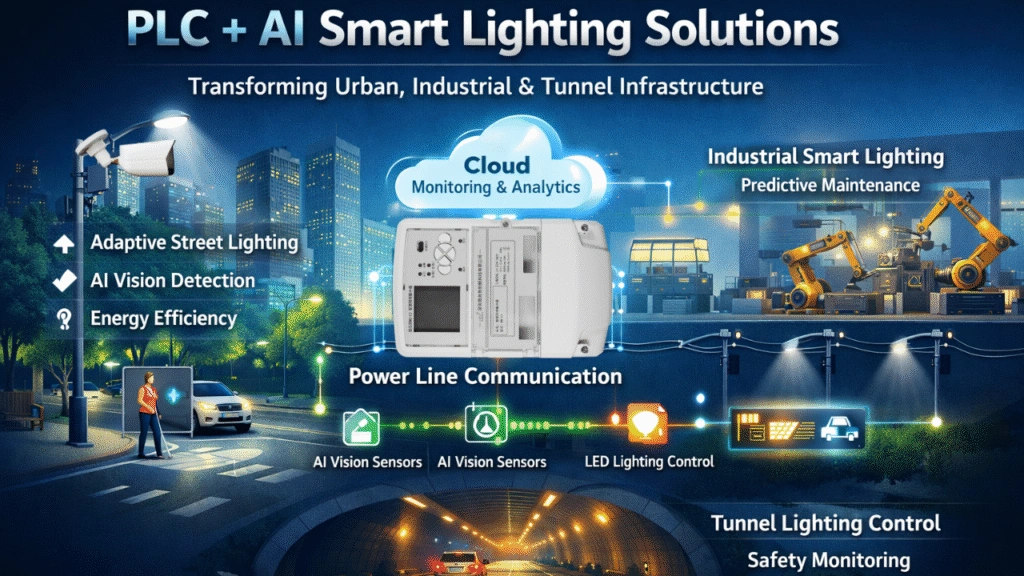
PLC + AI Vision Smart Lighting Solutions for New & Renewal Projects
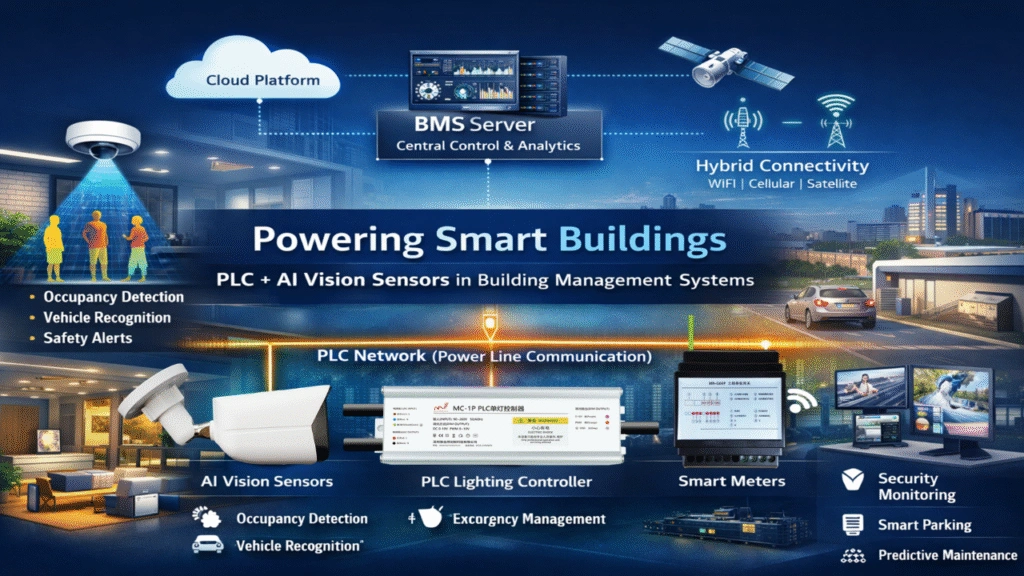
This architecture delivers intelligent lighting control without additional communication wiring, making it ideal for both new projects and renewal/retrofit upgrades.
Why 2026 Infrastructure Requires More Than Traditional Smart Lighting
Modern lighting projects face three core challenges:
- Energy efficiency requirements are tightening
- Labor costs and maintenance complexity are rising
- Infrastructure upgrades must minimize downtime
Traditional smart lighting systems often require:
- Extra control cables
- Separate communication networks
- High installation costs
- Complex retrofitting work
For renewal projects — especially tunnels, highways, or large industrial sites — adding communication wiring can be disruptive and expensive.
This is where PLC + AI Vision becomes strategically superior.
What Is PLC + AI Vision Architecture?
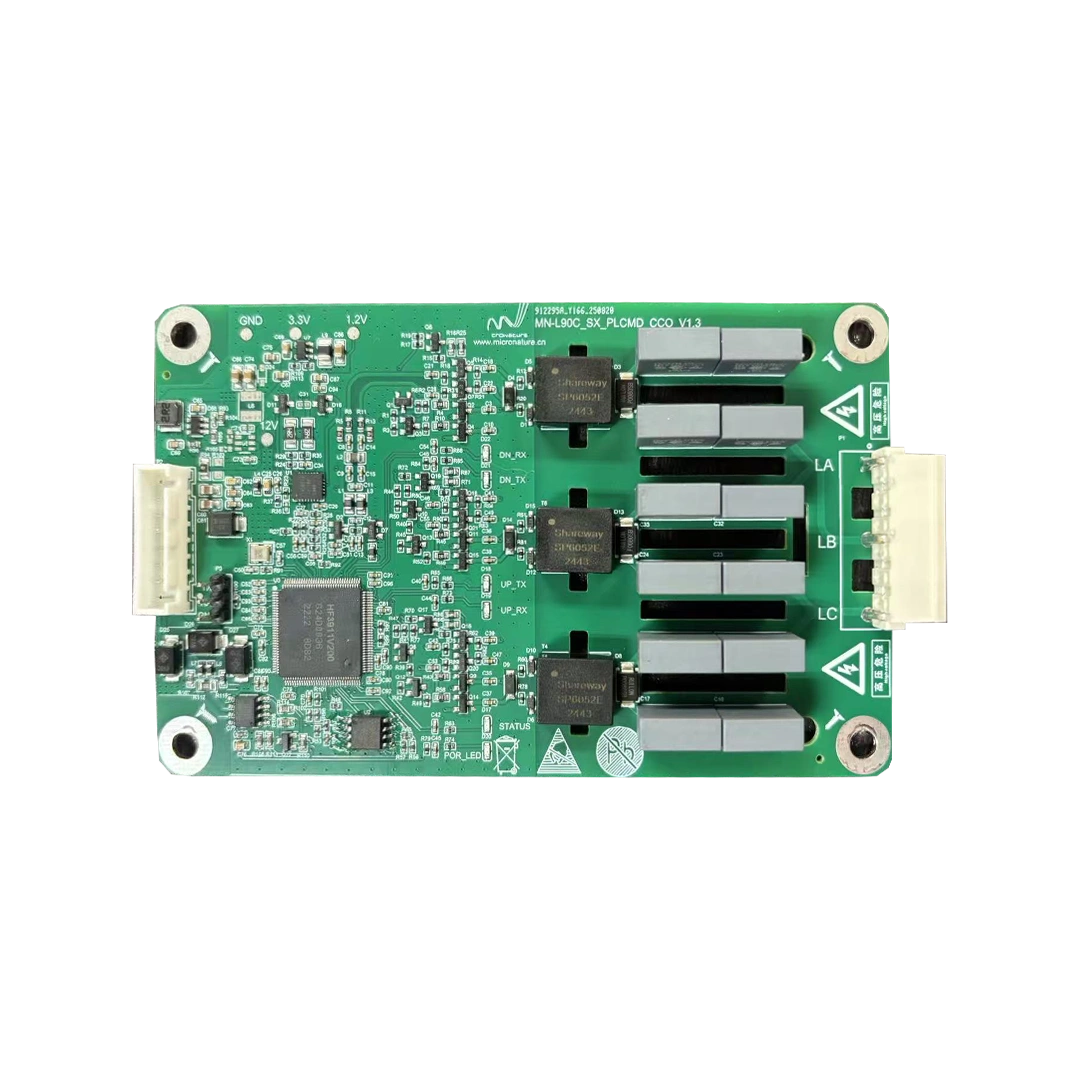
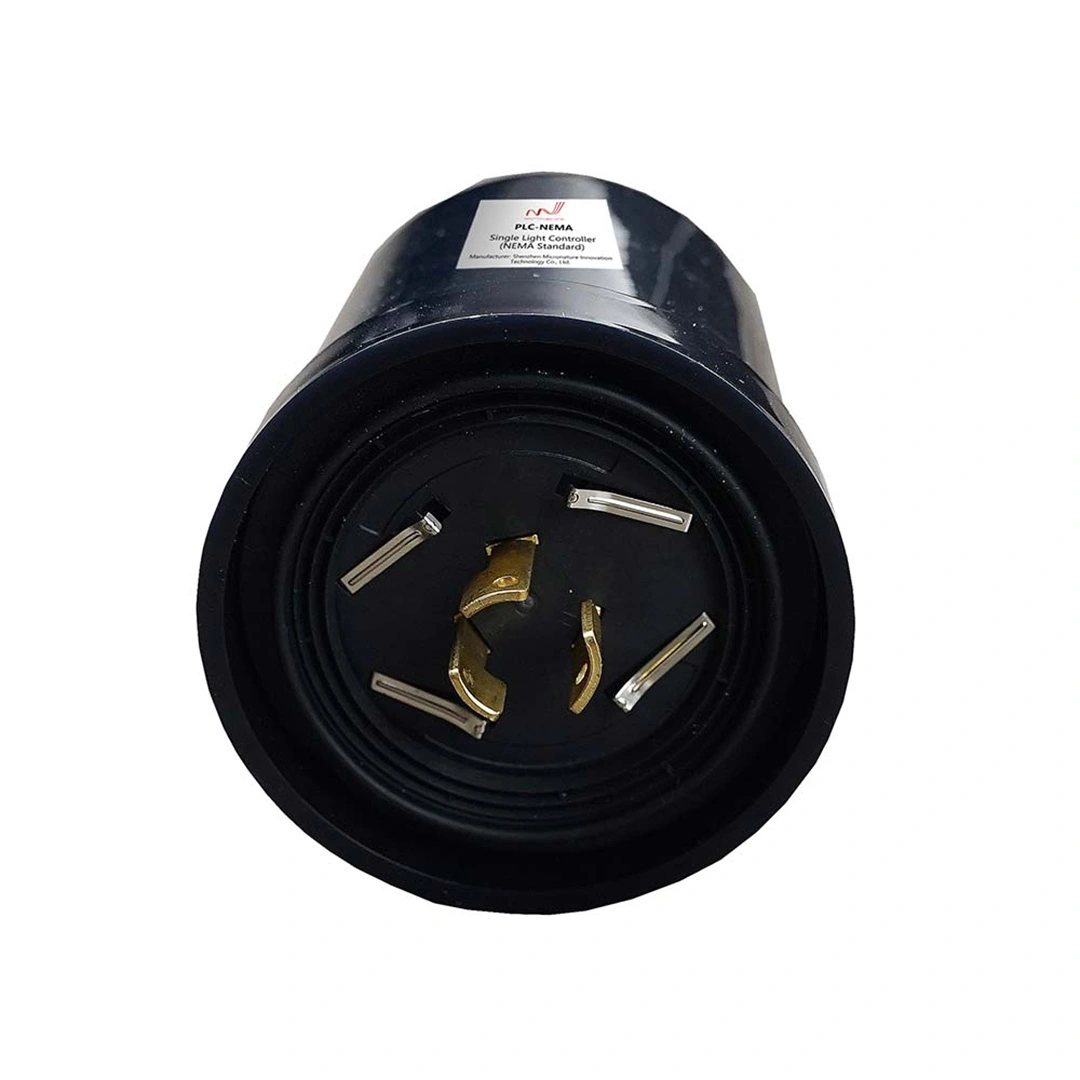
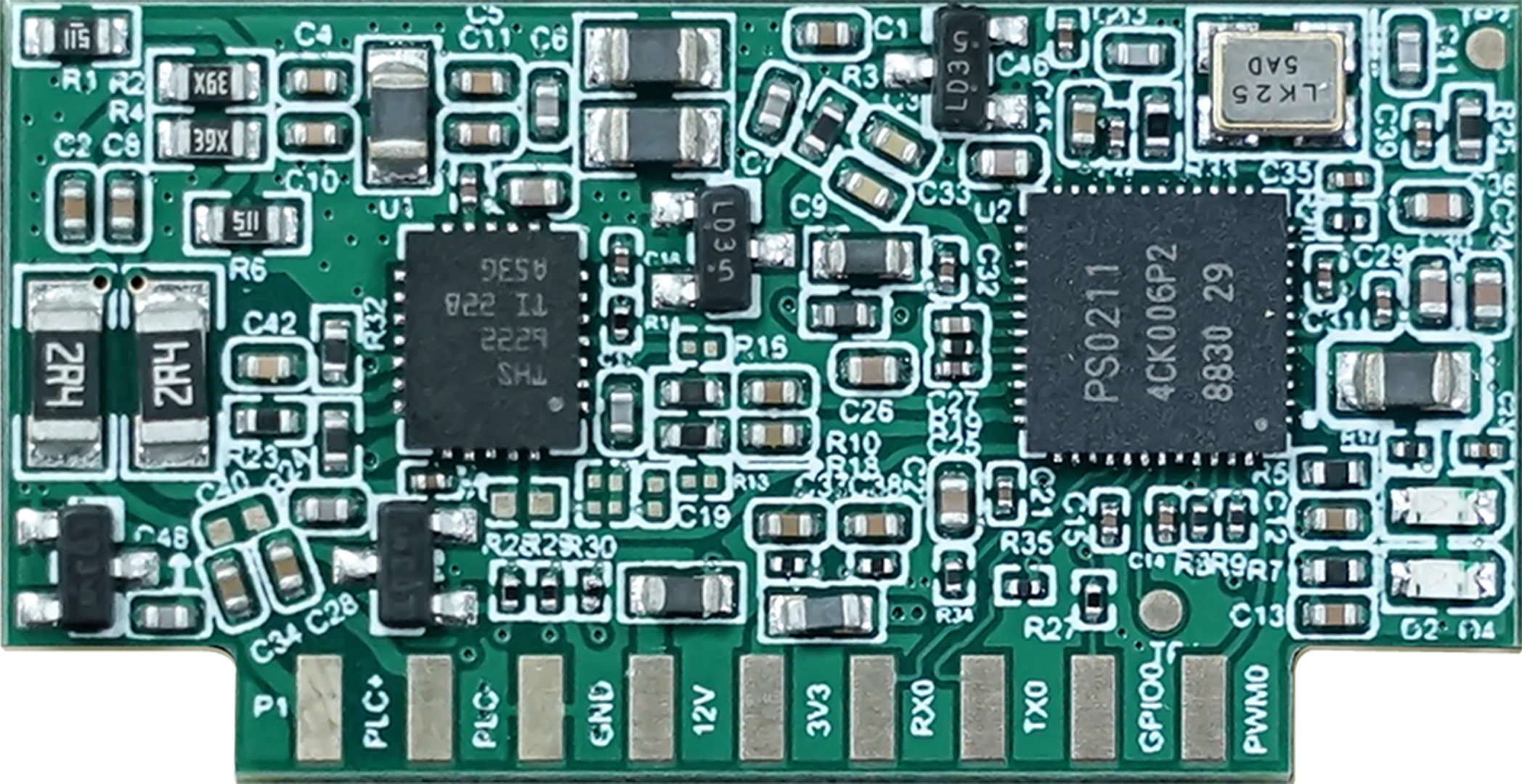
1️⃣ Power Line Communication (PLC)
PLC uses existing power lines to transmit control data.
No additional communication wiring is required.
Advantages:
- No new signal cable installation
- Reduced construction cost
- Faster deployment
- Perfect for retrofit and renewal projects
- Stable communication over existing infrastructure
2️⃣ AI Vision Sensors
AI vision sensors detect:
- Vehicle movement
- Traffic density
- Pedestrian presence
- Environmental brightness
- Incident conditions
Instead of fixed dimming schedules, lighting becomes:
✔ Adaptive
✔ Autonomous
✔ Real-time responsive
Just like AI machine vision in smart factories, lighting systems now “see” and react.
How PLC + AI Vision Works in Real Projects
Smart Tunnel Lighting
For tunnel projects (new or renewal):
- AI vision detects vehicle entry, speed, and traffic flow
- Lighting levels adjust dynamically by zone
- PLC transmits commands through existing power lines
- No extra control cable installation required
Result:
- Optimized brightness transitions
- Energy savings
- Extended luminaire lifespan
- Reduced maintenance
For renewal tunnels, this avoids shutting down infrastructure for rewiring — a major operational advantage.
Smart Road & Highway Projects
- AI detects traffic volume and weather conditions
- PLC ensures instant response across lighting segments
- Brightness increases during high traffic
- Dims automatically during low usage hours
Energy savings can reach significant levels while maintaining safety compliance.
Industrial Parks & Large Facilities
Inspired by trends discussed in IIoT World:
- AI vision supports security and activity detection
- Lighting responds to movement zones
- PLC ensures stable large-scale communication without network congestion
This mirrors the AI-driven automation growth in smart factories — but applied to infrastructure.
Why PLC + AI Vision Is Ideal for Renewal Projects
Renewal projects are complex because:
- Infrastructure is already installed
- Adding control wiring increases cost
- Downtime affects operations
- Civil engineering work is expensive
With PLC:
✔ Use existing power cables
✔ No trenching
✔ No additional communication conduit
✔ Faster commissioning
With AI Vision:
✔ No fixed programming
✔ Adaptive brightness control
✔ Smart energy optimization
✔ Improved safety response
This reduces total cost of ownership and speeds ROI.
Alignment With 2026 Smart Infrastructure Trends
The 2026 smart factory outlook shows:
- AI vision adoption accelerating
- Edge intelligence becoming standard
- Autonomous optimization replacing manual configuration
Smart lighting is now following the same path.
Instead of static control:
- Systems learn
- Systems respond
- Systems optimize
PLC + AI Vision creates an autonomous lighting infrastructure, not just a connected one.
Technical Advantages of PLC + AI Vision Smart Lighting
Infrastructure Level
- No additional signal wiring
- Lower CAPEX for renewal projects
- Scalable architecture
Operational Level
- Real-time adaptive dimming
- Data-driven optimization
- Reduced energy consumption
- Extended luminaire life
Strategic Level
- Future-ready AI integration
- Compatible with smart city platforms
- Edge intelligence ready