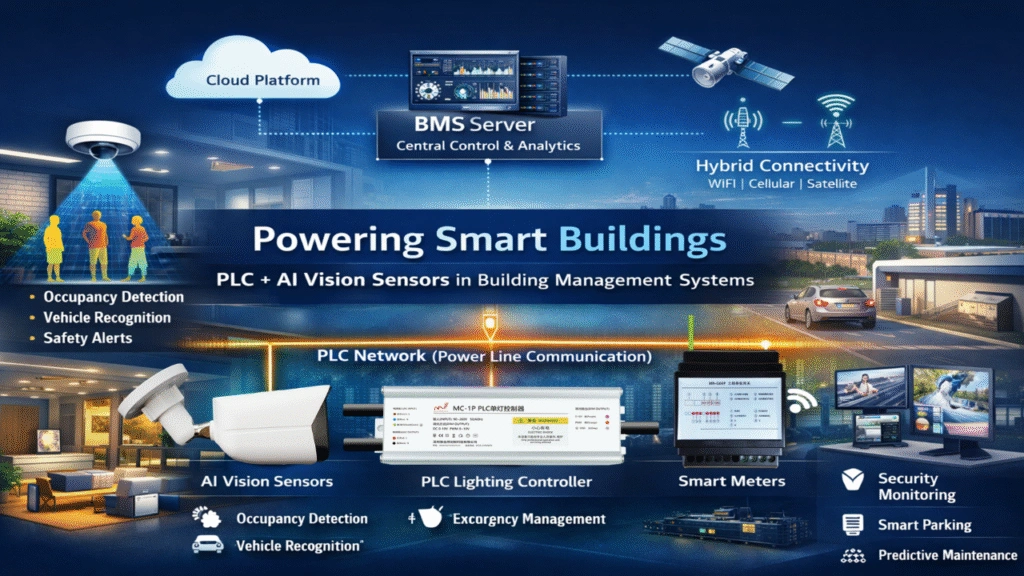
As highlighted during IIoT World Days 2025, predictive maintenance is evolving beyond dashboards and alerts. The shift toward Agentic AI means factories are no longer satisfied with insights — they demand autonomous action, closed-loop execution, and measurable production impact.
The 10 predictive maintenance platforms featured — including Arch Systems, Infinite Uptime, Plex, Cirrus Link, Cumulocity, HighByte, Litmus, CrateDB, InfluxData, and Snowflake — represent the intelligence layer, the data foundation, and the analytics backbone required for modern predictive ecosystems.
They specialize in:
- AI-driven root cause analytics
- Prescriptive maintenance recommendations
- Data contextualization and UNS architecture
- Edge-to-cloud synchronization
- Time-series data storage and IT/OT integration
But there is one critical question many manufacturers still overlook:
How do you reliably collect data from distributed industrial assets without massive rewiring costs?
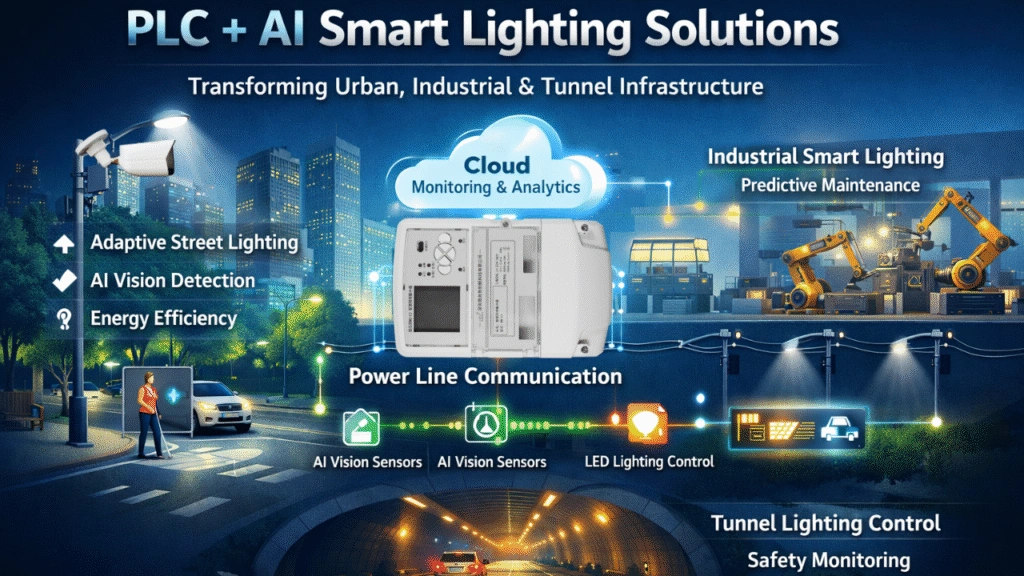
This is where PLC (Power Line Communication) becomes a strategic enabler in IIoT architecture.
Why PLC (Power Line Communication) Is Critical in Modern IIoT
Most IIoT discussions focus on AI models, data lakes, and dashboards. However, in real industrial projects — especially in tunnels, roadways, large factories, and retrofit environments — the biggest challenge is physical connectivity.
Traditional approaches require:
- New Ethernet cabling
- Fiber installation
- Wireless signal planning
- Expensive downtime during infrastructure upgrades
PLC (Power Line Communication) solves this at the infrastructure layer by transmitting data directly over existing power cables.
Key Advantages of PLC in Industrial IIoT
1️⃣ No Extra Communication Wiring
PLC uses existing electrical lines for data transmission. This dramatically reduces:
- Installation cost
- Construction complexity
- Downtime risk
- Project approval cycles
For large-scale lighting systems, tunnel infrastructure, and distributed industrial assets, this becomes a major ROI advantage.
2️⃣ Ideal for Retrofit Projects
Many predictive platforms emphasize “legacy integration,” but physically connecting 30–40 year old systems is still complex.
PLC allows legacy luminaires, motors, and equipment to become digitally addressable without invasive reconstruction.
This aligns directly with the retrofit philosophy emphasized by platforms like Arch Systems and Litmus.
3️⃣ High Stability in Harsh Industrial Environments
Unlike wireless systems, PLC is not affected by:
- Concrete shielding
- Underground structures
- Tunnel environments
- RF interference
For critical infrastructure such as transportation tunnels and industrial plants, communication stability equals operational safety.
4️⃣ Deterministic & Centralized Control
PLC provides structured node-level addressing, enabling:
- Asset-level monitoring
- Fault localization
- Energy optimization
- Predictive diagnostics
It becomes the physical data highway feeding higher-level AI and DataOps platforms.
How Our SaaS Edge Platform Strengthens Predictive Maintenance
While predictive maintenance platforms focus on AI and analytics, successful project deployment depends on edge intelligence and operational orchestration.
Our SaaS Edge Platform is designed to complement predictive ecosystems by combining:
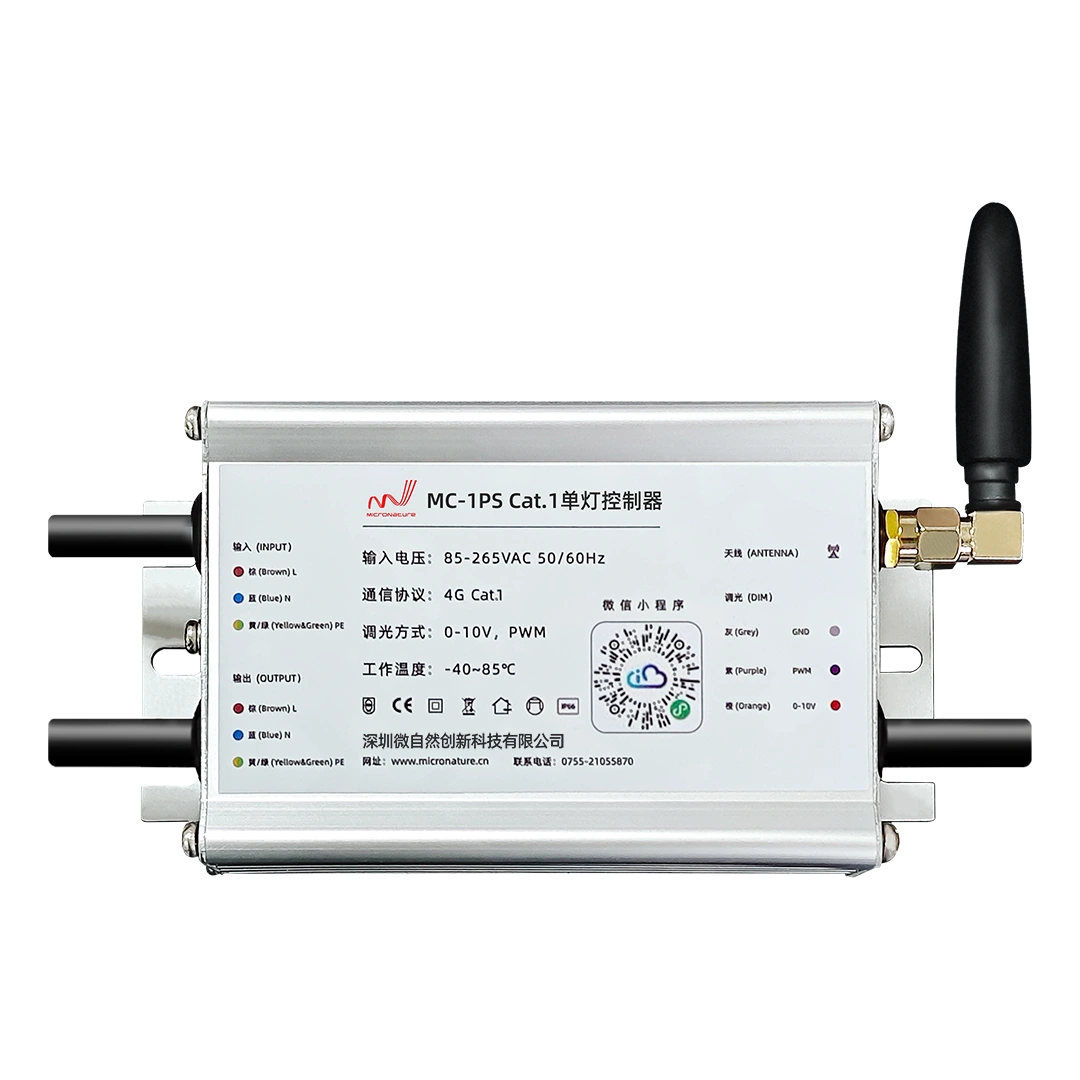
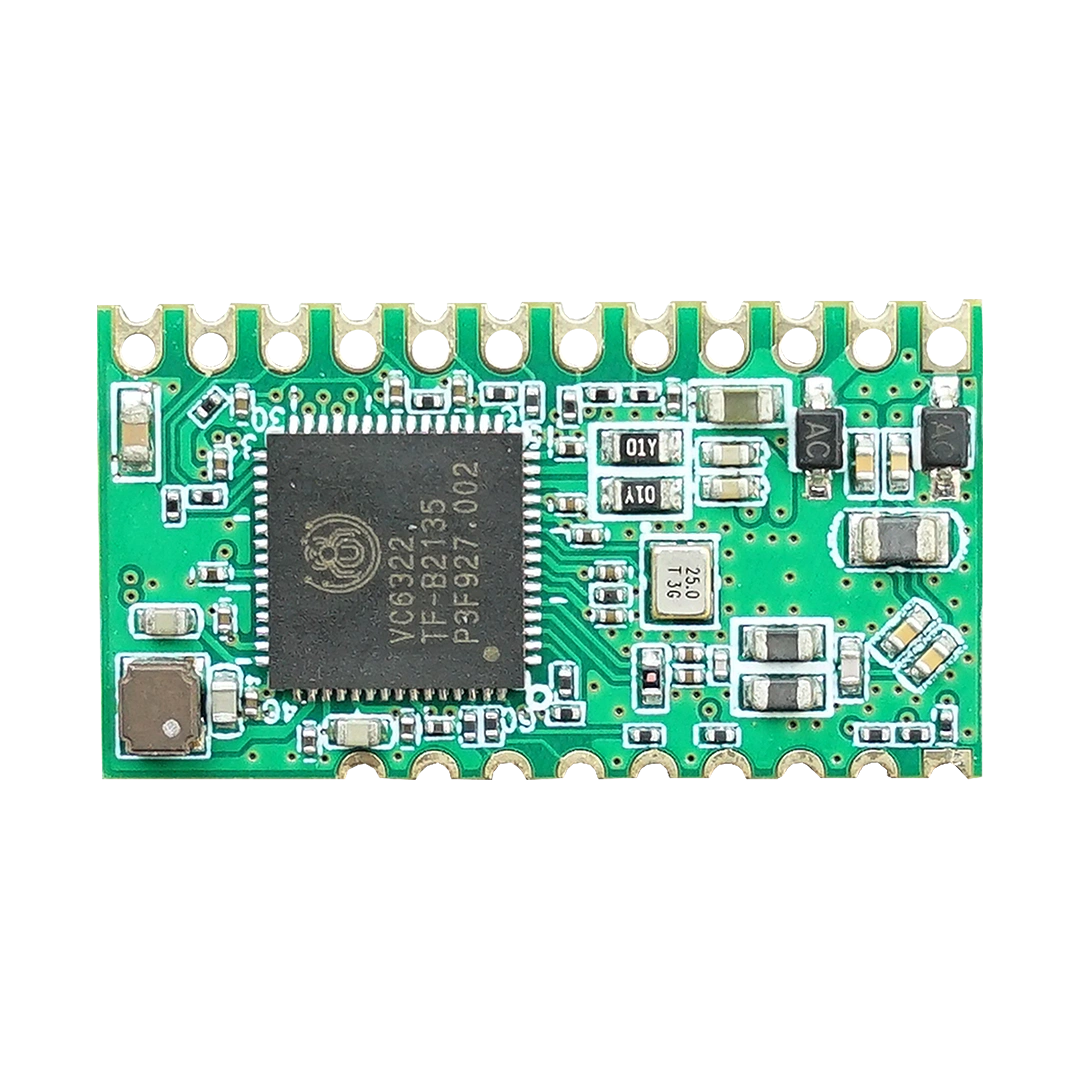
- PLC communication backbone
- Edge data processing
- AI-based anomaly detection
- Project-level lifecycle management
1. Edge-Native Intelligence
Instead of pushing raw data directly to cloud databases, our system:
- Filters abnormal signals locally
- Performs edge-level fault pattern recognition
- Triggers automated actions before escalation
This reduces cloud load while maintaining real-time responsiveness.
2. Built-in Project Management Layer
Most predictive platforms analyze data — but they do not manage execution workflows inside infrastructure projects.
Our SaaS platform includes:
- Multi-site asset mapping
- Device grouping and batch configuration
- Work order linkage
- Maintenance history tracking
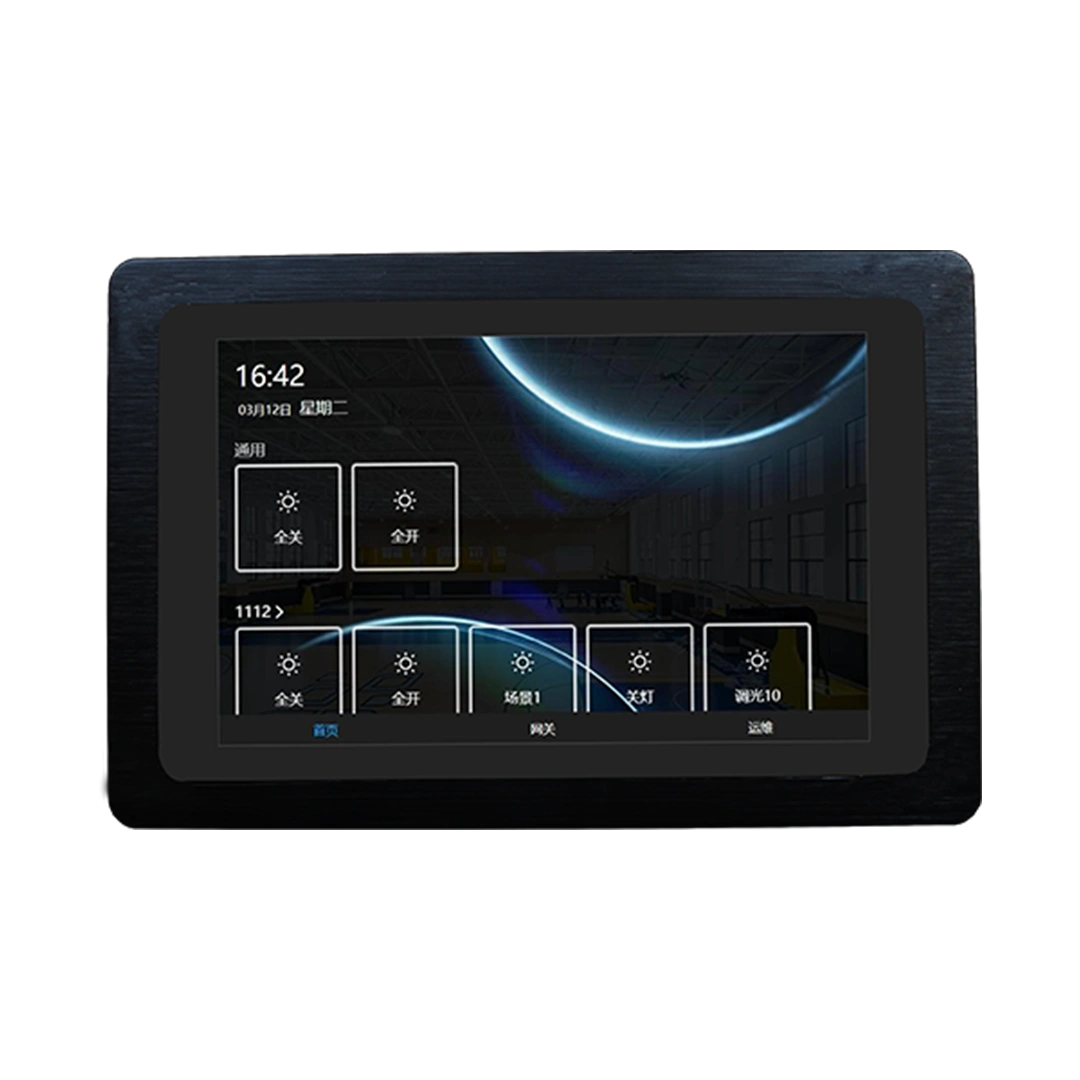
- Real-time status dashboards
This makes it especially suitable for:
- Tunnel lighting systems
- Smart city infrastructure
- Industrial facility upgrades
- Energy management projects
3. Agent-Ready Architecture
As discussed at IIoT World Days 2025, the future belongs to Agentic AI.
However, AI agents require:
- Clean structured data
- Stable communication channels
- Reliable device-level control
Our PLC + Edge + SaaS architecture ensures:
Data reliability → Context clarity → Action capability
Without this foundation, AI becomes theoretical rather than operational.
PLC + Predictive Platforms = Complete Industrial Stack
Think of modern predictive maintenance as a three-layer architecture:
Layer 1 – Physical Connectivity
→ PLC ensures reliable data collection without new wiring
Layer 2 – Edge Intelligence
→ SaaS edge platform processes, validates, and structures data
Layer 3 – Predictive & Agentic AI
→ Platforms like Snowflake, InfluxDB, HighByte, or Plex analyze and automate decisions
Only when these three layers work together can manufacturers achieve:
- Reduced downtime
- Lower maintenance costs
- Improved OEE
- Faster retrofit deployment
- Scalable global infrastructure
Why This Matters for 2026 Industrial Projects
As infrastructure renewal accelerates globally, especially in transportation and smart industrial facilities, project owners face:
- Budget constraints
- Time pressure
- Legacy equipment complexity
- Rising labor costs
Choosing PLC-based IIoT architecture dramatically lowers entry barriers for predictive transformation.
Instead of rebuilding infrastructure, factories can upgrade intelligence.
Instead of adding wires, they activate the power lines already in place.
Instead of isolated analytics dashboards, they implement a fully integrated, execution-ready SaaS edge ecosystem.