Introduction
Tunnel lighting systems demand high reliability, real-time responsiveness, and consistent performance under challenging conditions.
Unlike open environments, tunnels create unique communication challenges due to enclosed structures, long distances, and electrical interference.
This is where PLC (Power Line Communication) lighting systems provide a strong advantage.
This guide explains how PLC lighting works in tunnel systems, including system architecture, communication flow, and why it is widely used in modern infrastructure projects.
What Is PLC in Tunnel Lighting?
PLC (Power Line Communication) enables data transmission through existing electrical power lines.
👉 In simple terms:
The same cable that powers tunnel lights also carries control signals
This eliminates the need for:
- Wireless communication networks
- Additional cabling infrastructure
Why Tunnel Environments Require PLC
Tunnel lighting systems face several challenges:
- Signal blockage due to enclosed structures
- High electrical noise from equipment
- Long-distance communication requirements
- Strict safety and reliability standards
👉 Wireless systems often struggle under these conditions, making PLC a more stable solution.
System Architecture of PLC Tunnel Lighting
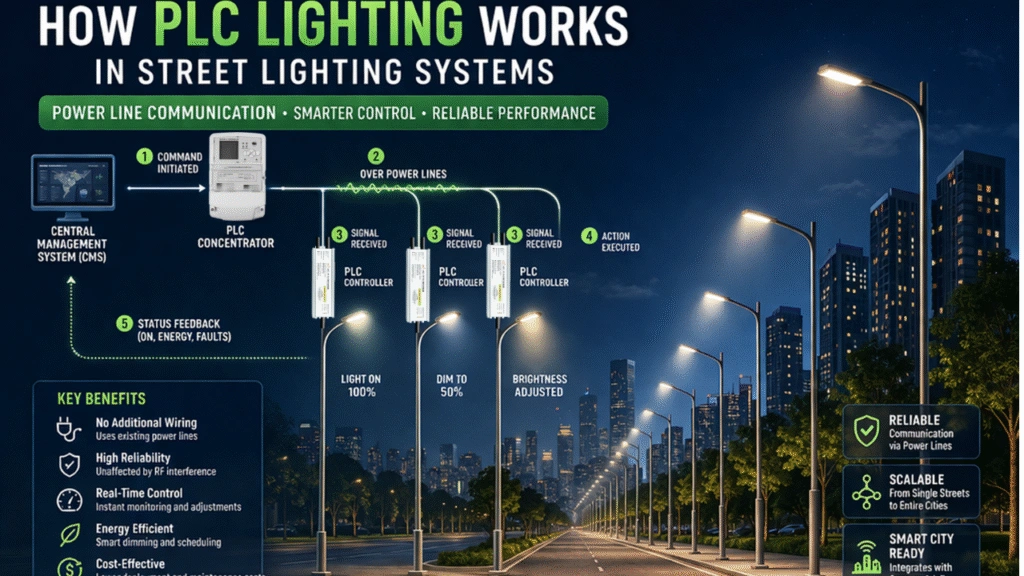
A PLC-based tunnel lighting system typically includes:
1. Central Management System (CMS)
- Controls and monitors all lighting devices
- Enables automation and scheduling
- Provides real-time data and alerts
2. PLC Concentrator
- Installed in electrical cabinets
- Acts as a gateway between CMS and field devices
- Sends commands through power lines
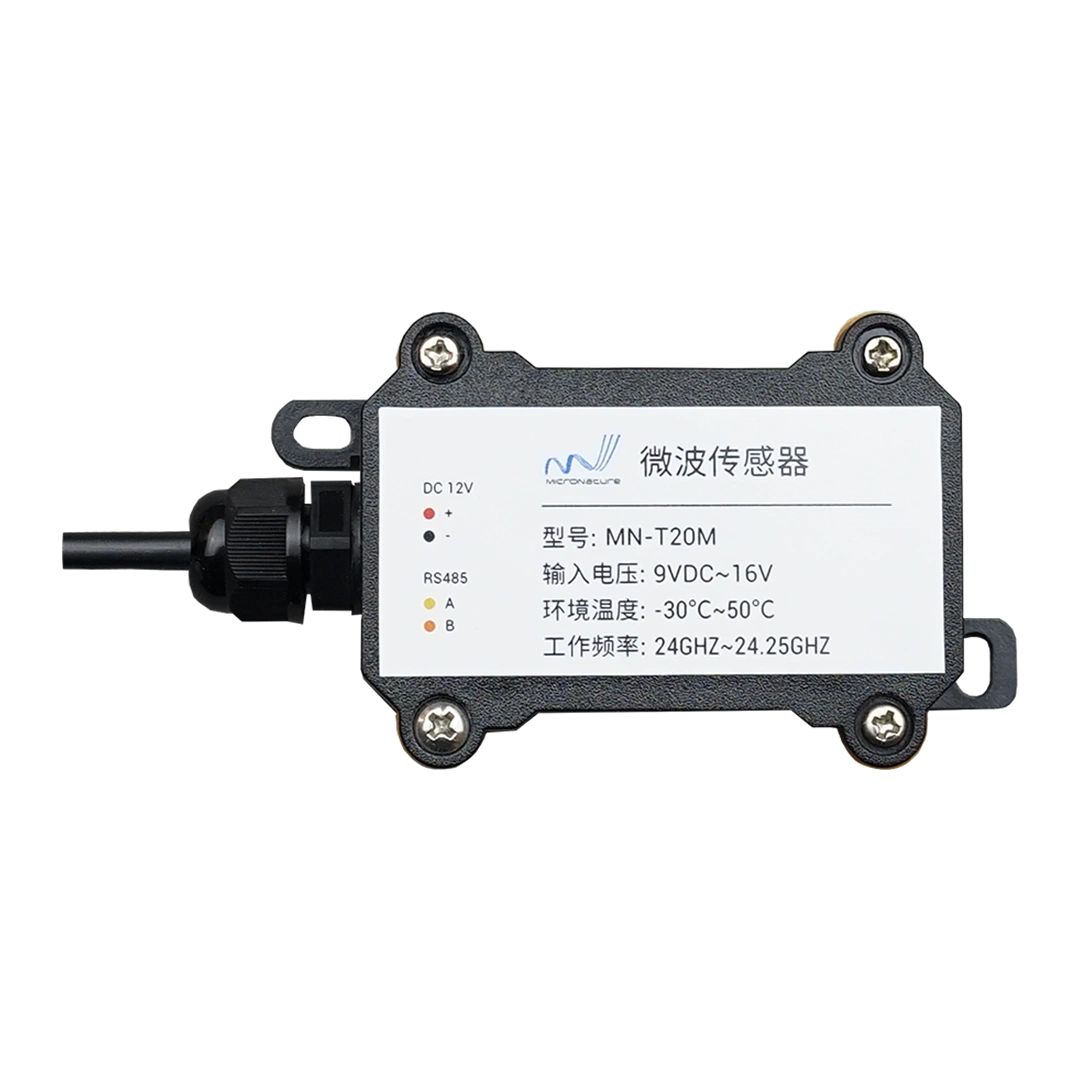
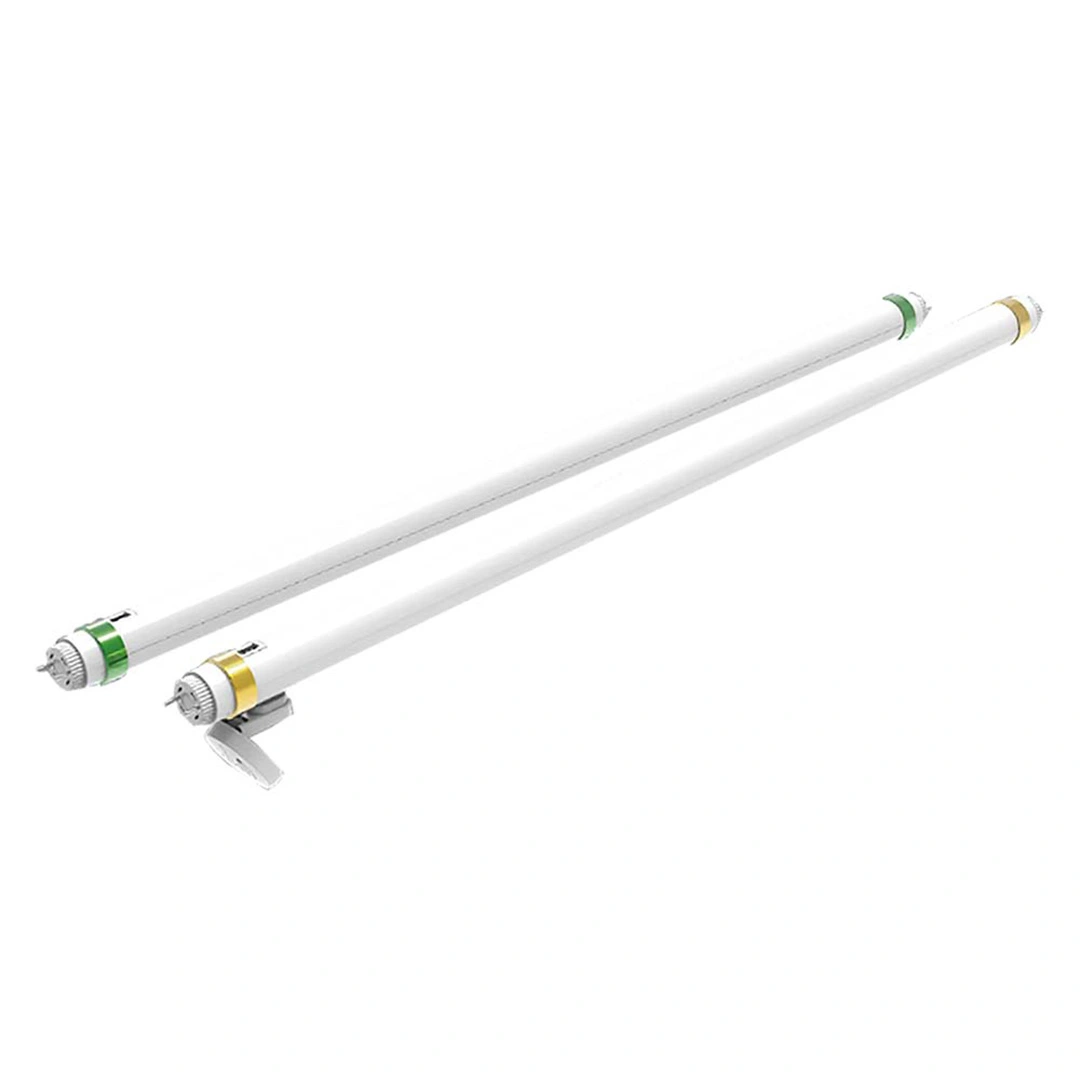
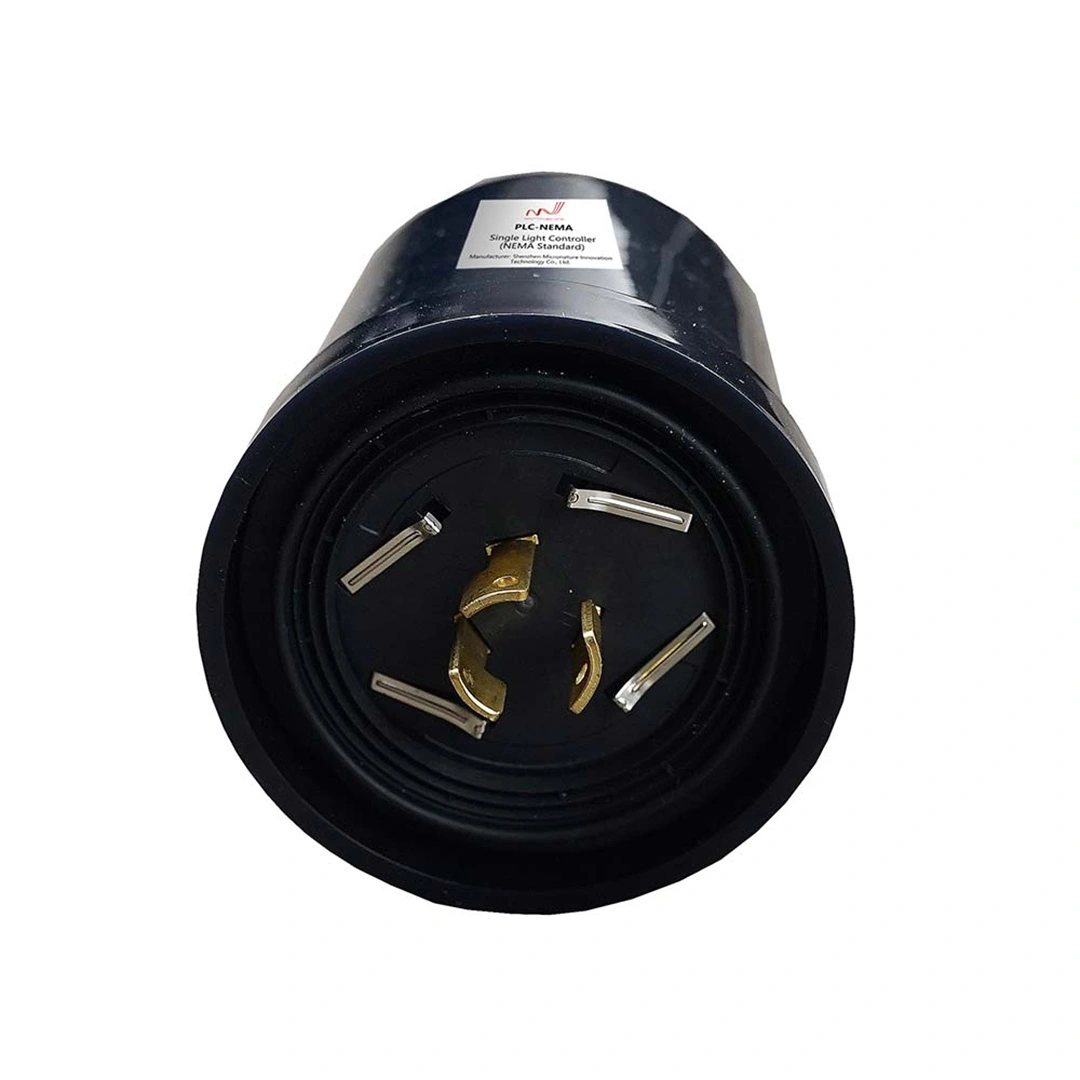
3. PLC Lighting Controller
- Installed on each luminaire
- Controls switching and dimming
- Reports operational status
4. Power Line Communication Network
- Uses existing power cables
- Enables stable two-way communication
5. Optional AI Vision Integration
- Detects vehicles and traffic flow
- Enables adaptive lighting control
How PLC Lighting Works in Tunnel Systems
Step 1: Command Initiation
The CMS sends instructions (e.g., adjust brightness levels)
Step 2: Signal Transmission
The PLC concentrator encodes and transmits signals via power lines
Step 3: Signal Reception
Lighting controllers receive commands through the same electrical network
Step 4: Lighting Adjustment
Lights respond instantly by dimming or increasing brightness
Step 5: Feedback and Monitoring
Controllers send real-time data back to the CMS
👉 Result:
A fully connected, real-time lighting control system without wireless dependency
PLC vs Wireless in Tunnel Systems
| Feature | PLC | Wireless |
|---|---|---|
| Signal Stability | High | Low |
| Interference Resistance | Strong | Weak |
| Suitability for Tunnel | Excellent | Limited |
| Maintenance | Low | Medium |
👉 Conclusion:
PLC provides superior reliability in enclosed environments like tunnels
Key Benefits of PLC Tunnel Lighting
🔌 Reliable Communication
- Not affected by RF interference
- Stable in underground environments
💰 Cost Efficiency
- No additional communication infrastructure
- Lower maintenance requirements
⚙️ Real-Time Control
- Instant lighting adjustment
- Centralized system management
🌱 Energy Savings
- Adaptive dimming based on traffic
- Reduced power consumption
🤖 Smart Integration
- Supports AI-based traffic detection
- Enables intelligent infrastructure systems
🏙️ Real-World Tunnel Scenario
In a typical tunnel deployment:
- Lights increase brightness when vehicles enter
- Lighting adjusts dynamically based on traffic density
- Faults are detected and reported instantly
👉 This ensures:
- Improved safety
- Reduced operational cost
- Efficient energy usage
Related Solution
In real-world deployments, system design plays a critical role in ensuring reliability and performance. A PLC tunnel lighting solution integrates optimized network architecture, intelligent control systems, and robust hardware to meet the demands of modern infrastructure.
📊 Summary
PLC lighting systems in tunnels provide:
- Stable and reliable communication
- Efficient energy management
- Real-time monitoring and control
- Strong scalability for large projects
👉 Making them a preferred choice for smart infrastructure