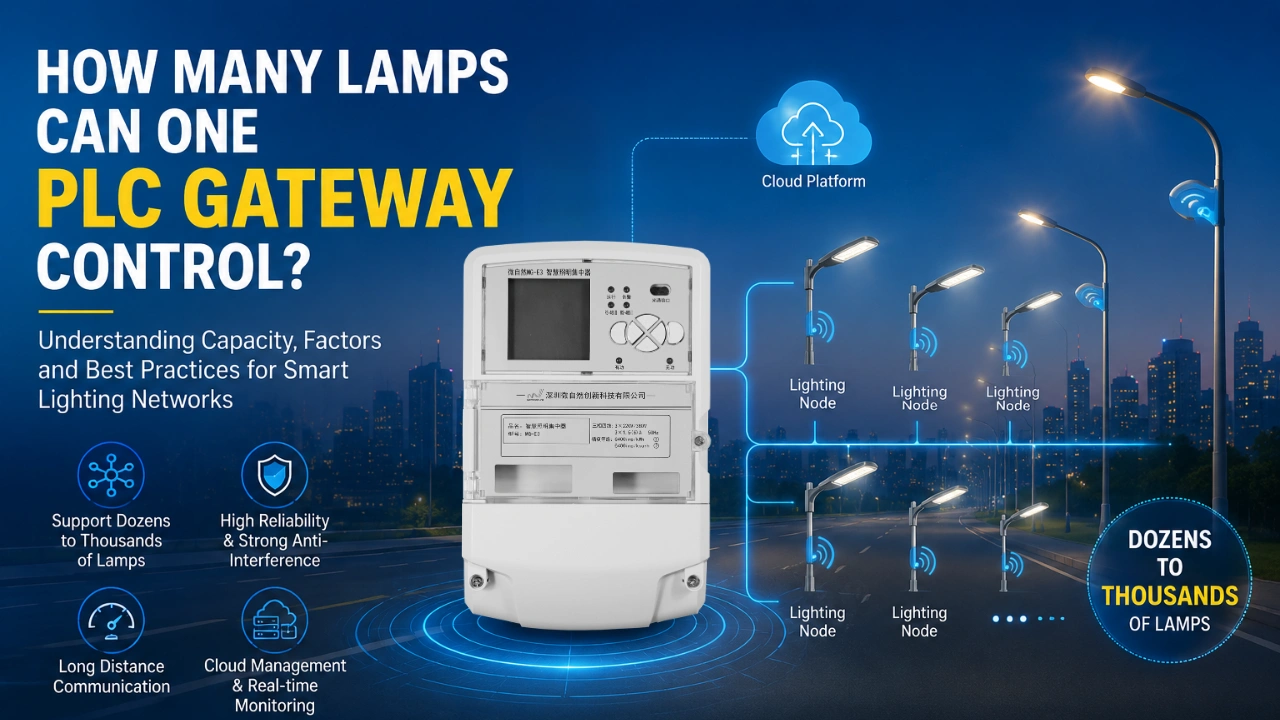
Lorsque des ingénieurs, des entrepreneurs EPC et des urbanistes municipaux évaluent un Communication par ligne électrique (PLC) L’une des premières questions qu’ils posent est :
Combien de lampes une passerelle PLC peut-elle contrôler ?
La réponse courte est qu’une seule passerelle PLC peut généralement gérer Des dizaines, des centaines, voire des milliers de nœuds d’éclairage, selon la topologie du réseau, le protocole de communication, l’environnement électrique et la conception du système.
Contrairement aux technologies sans fil traditionnelles, les PLC utilisent des câbles d’alimentation existants comme canaux de communication, éliminant ainsi le besoin de câblage de communication supplémentaire tout en assurant une transmission de données très fiable pour l’éclairage public, les entrepôts, les tunnels, les installations industrielles, les campus, les ports et les villes intelligentes.
Cependant, déterminer le nombre réel de lampes supportées nécessite un examen plus approfondi de plusieurs facteurs techniques.
Que fait une passerelle PLC ?
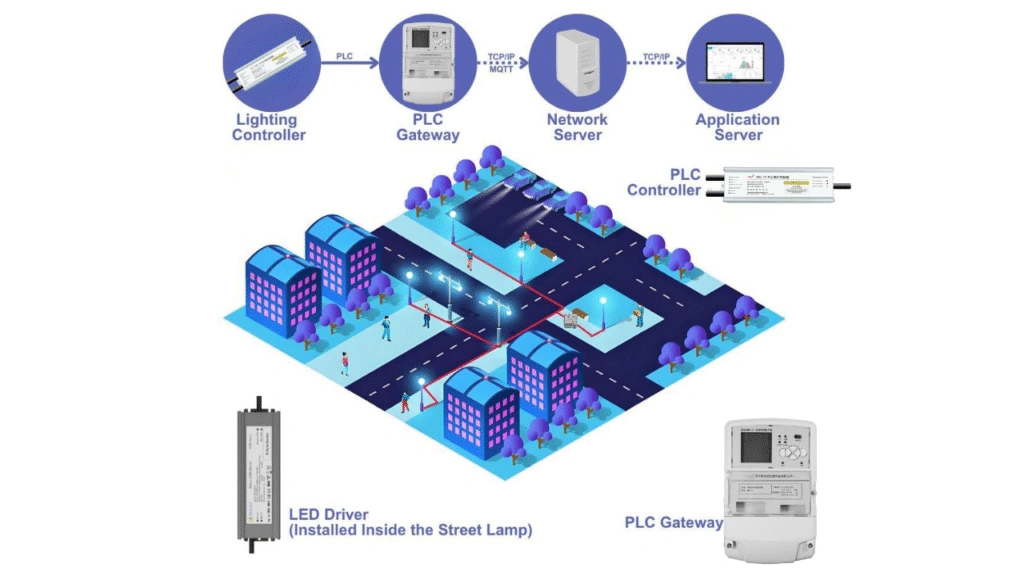
Une passerelle PLC sert de centre de communication de l’ensemble du réseau d’éclairage. Elle est responsable de :
- Gestion de la communication entre la plateforme cloud et les dispositifs de terrain
- Collecte de données de fonctionnement à partir de lampes individuelles
- Envoi de commandes de commutation et de gradation
- Surveillance de la consommation d’énergie
- Détection des pannes et émission d’alarmes
- Gestion des politiques de planification
Dans une architecture d’éclairage intelligent typique, la passerelle se connecte à :
- Contrôleurs PLC à lampe unique
- Contrôleurs de boucle
- Capteurs
- Plateformes de gestion cloud
- Réseaux Ethernet, Wi-Fi ou cellulaires
La passerelle agit comme un pont entre les réseaux locaux de lignes électriques et les systèmes de gestion à distance.
Facteurs déterminant le nombre de lampes
Plusieurs variables influencent directement la capacité de la passerelle.
1. Protocole de communication
Différents protocoles API offrent différents niveaux de performance.
Les technologies courantes incluent :
- OFDM (multiplexage par répartition orthogonale de fréquence)
- FSK (Modulation à décalage de fréquence)
- IEEE P1901.1 Normes
- Protocoles API propriétaires
Les systèmes basés sur OFDM offrent généralement une bande passante plus élevée, une meilleure résistance au bruit et une plus grande capacité réseau.
2. Topologie du réseau
La structure du réseau influence significativement la performance globale. Si vous êtes un nouvel utilisateur, vous pouvez consulter notre article Guide de calcul de la capacité du réseau PLC pour l’éclairage intelligent.
Les topologies typiques incluent :
- Topologie en étoile
- Topologie des arbres
- Topologie du maillage
- Topologie hybride
Le réseau maillé est particulièrement utile car chaque nœud peut aider à transmettre l’information vers d’autres nœuds, étendant ainsi la portée de communication et améliorant la fiabilité.


3. Distance de communication
La distance de communication est un autre facteur important.
Les facteurs affectant la distance de transmission incluent :
- Qualité du câble
- Distribution des transformateurs
- Bruit électrique
- Circuits de dérivation
- Atténuation du signal
- Interférences électromagnétiques
À mesure que la distance de communication augmente, le débit de données diminue généralement.
4. Trafic réseau
La charge de communication au sein du réseau affecte également la capacité du système. Comment concevoir un réseau d’éclairage intelligent PLC Cet article pourrait vous aider à en apprendre davantage à ce sujet.
Exemples :
- Atténuation en temps réel
- Surveillance de l’énergie
- Déclaration des défauts
- Intégration des capteurs
- Mises à jour du firmware
- Analytique basée sur l’IA
Un réseau qui n’envoie que des commandes on/off simples peut généralement supporter plus de nœuds qu’un réseau transmettant de grandes quantités de données de capteurs.
5. Exigences en temps de réponse
Différents projets ont des exigences différentes.
| Application | Exigence de réponse |
|---|---|
| Éclairage public | Seconds |
| Éclairage industriel | Des centaines de millisecondes |
| Éclairage en tunnel | Quasi-temps réel |
| Éclairage du stade | Temps réel |
Les exigences de réponse plus rapide réduisent généralement le nombre maximal d’appareils pris en charge par une passerelle.
Capacité typique d’une passerelle PLC
Le tableau suivant fournit des estimations générales.
| Scénario de déploiement | Nombre approximatif de lampes |
|---|---|
| Petit immeuble de bureaux | 20–100 |
| Entrepôt | 50–300 |
| Installation industrielle | 100–500 |
| Éclairage en tunnel | 100–800 |
| Système d’éclairage public | 300–1,000+ |
| Déploiement en ville intelligente | Des milliers |
La performance réelle variera selon les conditions locales.
Exemple : projet municipal d’éclairage public
Imaginez une ville déployant 1 000 lampadaires intelligents sur plusieurs kilomètres.
L’installation peut inclure :
- Quatre passerelles PLC
- Deux armoires de distribution électrique
- Une plateforme de gestion cloud unique
- Contrôleurs PLC multiples
- Capteurs lumineux et capteurs environnementaux
Dans ce scénario, chaque passerelle pourrait gérer environ 250 lampes tout en maintenant une communication stable et des temps de réponse rapides.
Cette architecture distribuée présente plusieurs avantages :
- Entretien plus facile
- Redondance accrue
- Latence de communication plus faible
- Fiabilité supérieure
- Meilleure évolutivité
Comment augmenter la capacité de la passerelle
Les concepteurs de systèmes utilisent souvent plusieurs méthodes pour étendre le réseau.
Segmenter le réseau
Divisez les grands déploiements en domaines de communication plus petits.
Utilisez des répéteurs ou un réseau maillé
Le transfert de signal améliore à la fois la couverture et la stabilité.
Réduire la fréquence de communication
Des intervalles de rapport plus longs réduisent la congestion du réseau.
Améliorer la qualité de l’alimentation
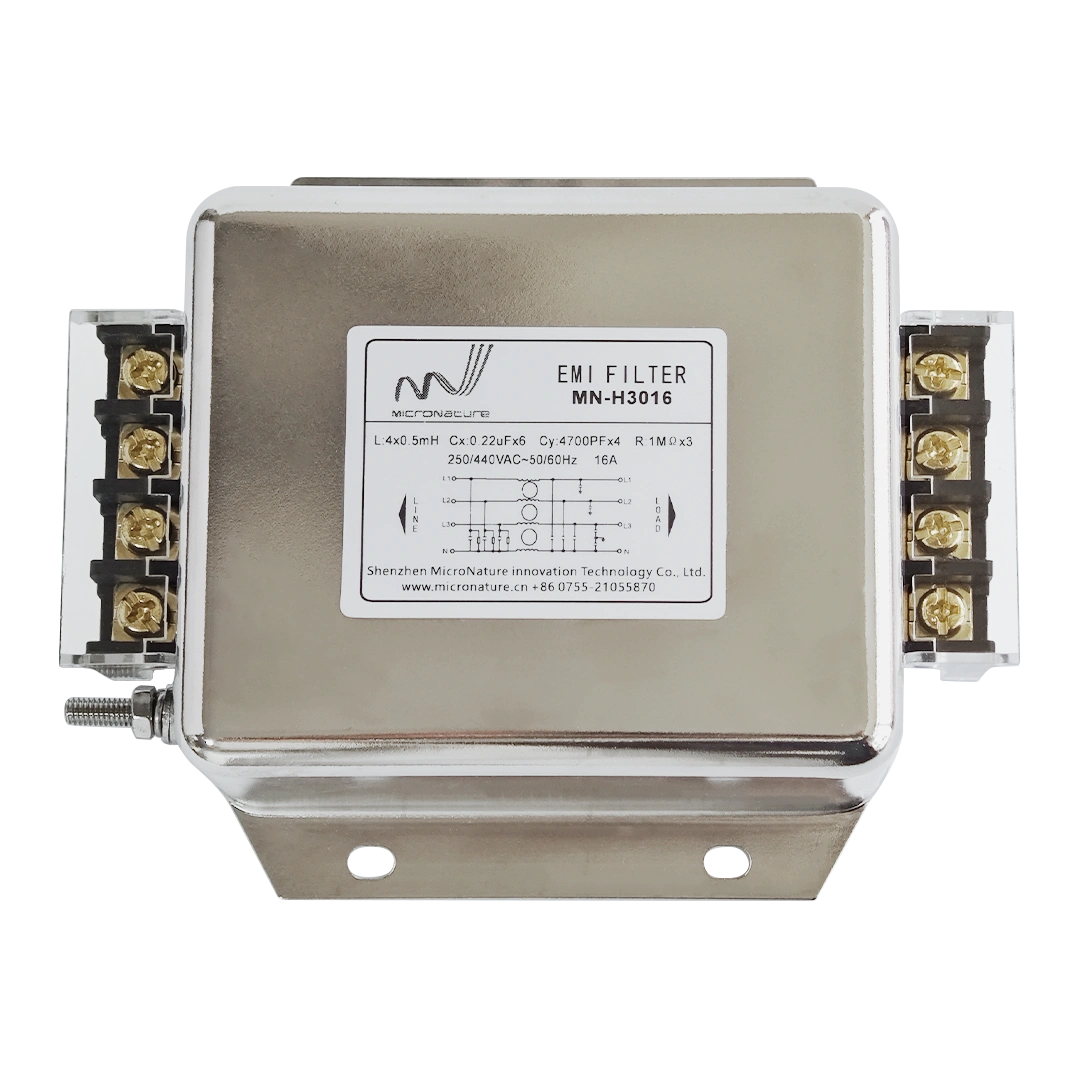
Les filtres de signal et les dispositifs d’isolation peuvent réduire considérablement les interférences.
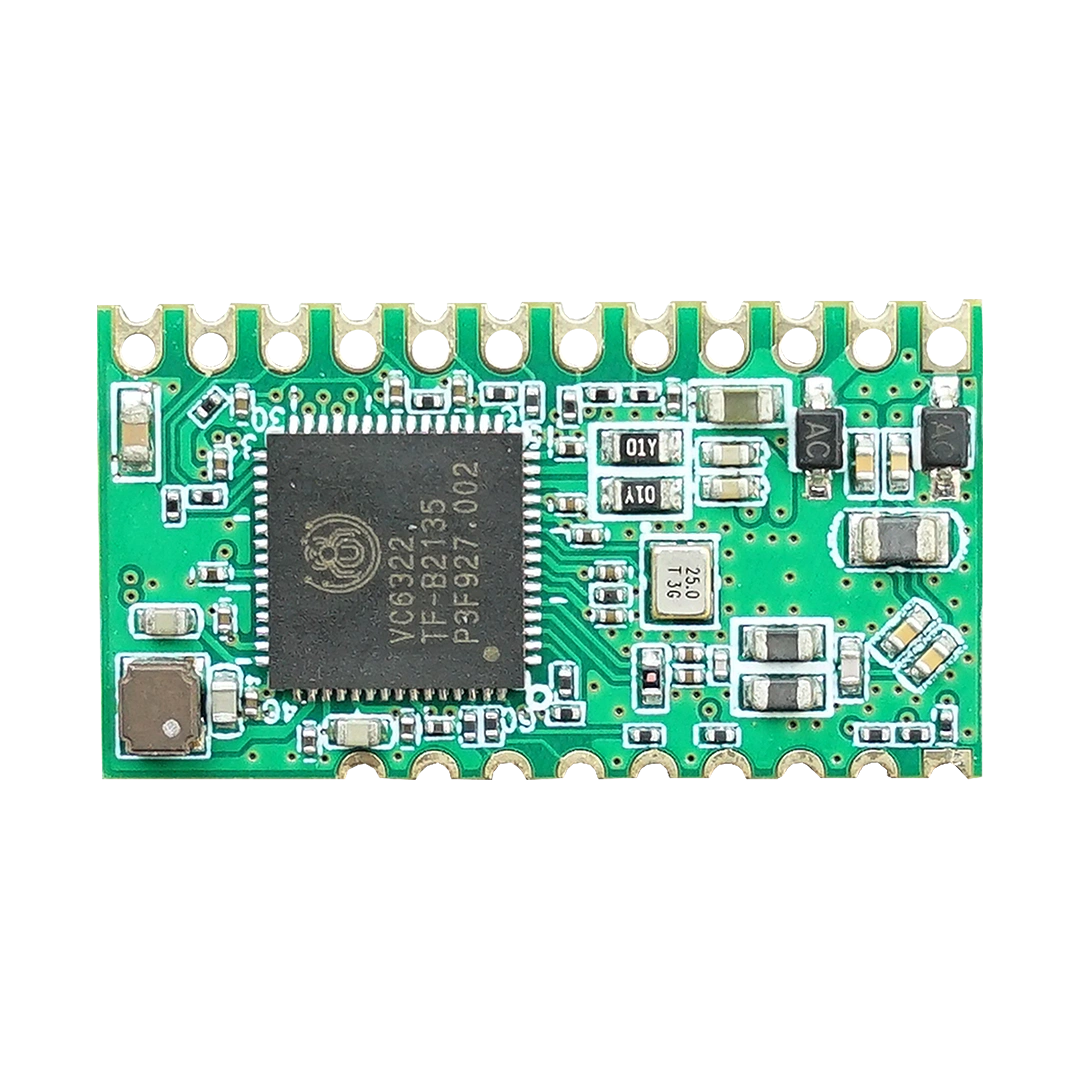
Certains modules API de qualité industrielle
Les modules haute performance offrent une meilleure sensibilité et une meilleure immunité au bruit.
Pourquoi l’API est idéal pour les grands réseaux d’éclairage
Comparée aux solutions sans fil, la technologie PLC présente plusieurs avantages :
| Caractéristiques | Technologie PLC | Technologie sans fil |
|---|---|---|
| Câblage supplémentaire | Pas obligatoire | Généralement obligatoire |
| Résistance aux interférences électromagnétiques | Excellent | Modéré |
| Complexité d’installation | Low | Modéré |
| Communication longue distance | Excellent | Limité |
| Fiabilité | Haut | Douleur moyenne |
| Coûts d’entretien | Low | Plus haut |
Ces avantages expliquent pourquoi la technologie des PLC est devenue de plus en plus populaire dans les applications de villes intelligentes.
Dernières réflexions
Il n’existe pas de réponse universelle à la question : « Combien de lampes une passerelle PLC peut-elle contrôler ? »
La réponse dépend de nombreux facteurs, notamment les protocoles de communication, les conditions électriques, la topologie du réseau, les intervalles de rapport et les exigences du projet.
Pour la plupart des déploiements professionnels d’éclairage intelligent, les architectes système privilégient la fiabilité, la scalabilité et la maintenabilité plutôt que de simplement maximiser le nombre de lampes connectées.
Un réseau PLC bien conçu peut assurer une communication stable pour des centaines, voire des milliers de nœuds d’éclairage tout en réduisant significativement les coûts d’installation et de maintenance.