Quando engenheiros, contratados EPC e planejadores municipais avaliam um Comunicação por Linha de Energia (CLP) Sistema de Iluminação, uma das primeiras perguntas que eles fazem é:
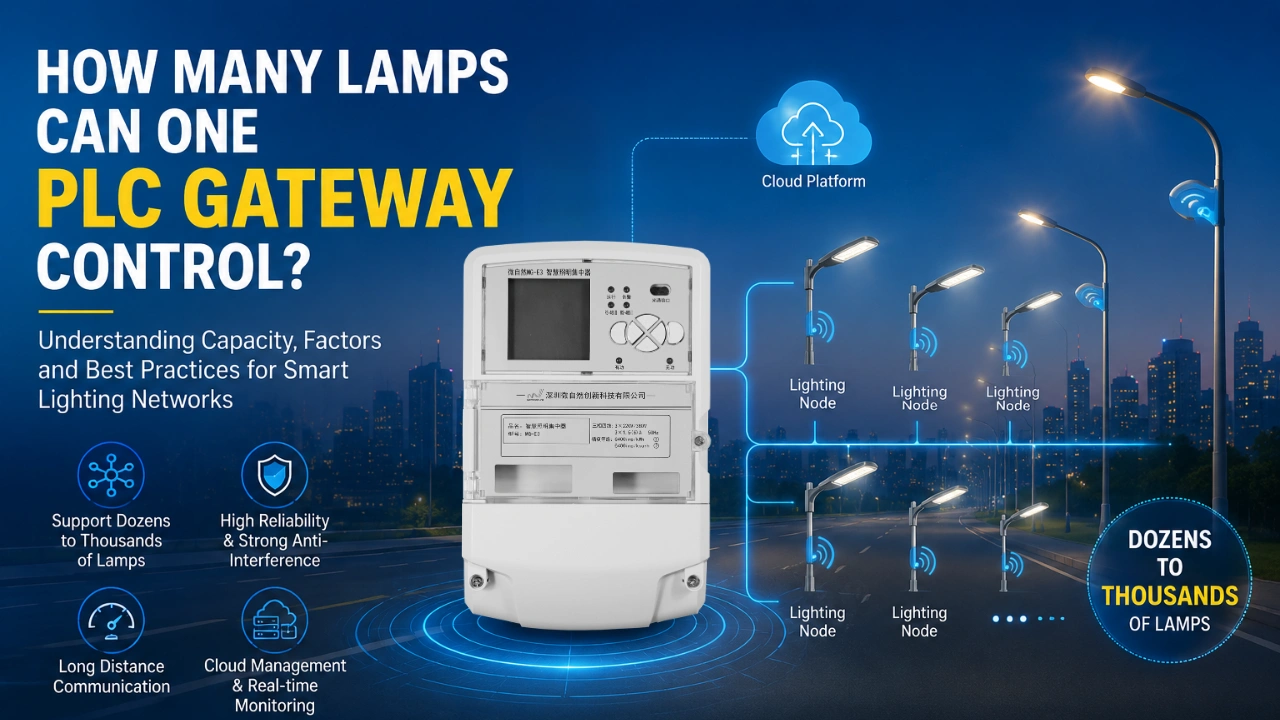
Quantas lâmpadas um gateway PLC pode controlar?
A resposta curta é que um único gateway PLC normalmente pode gerenciar dezenas, centenas ou até milhares de nós de iluminação, dependendo da topologia da rede, protocolo de comunicação, ambiente elétrico e projeto do sistema.
Ao contrário das tecnologias sem fio tradicionais, o PLC utiliza cabos de energia existentes como canais de comunicação, eliminando a necessidade de fiação adicional de comunicação enquanto proporciona transmissão de dados altamente confiável para iluminação pública, armazéns, túneis, instalações industriais, campi, portos e cidades inteligentes.
No entanto, determinar o número real de lâmpadas suportadas exige uma análise mais detalhada de vários fatores técnicos.
O que um gateway PLC faz?
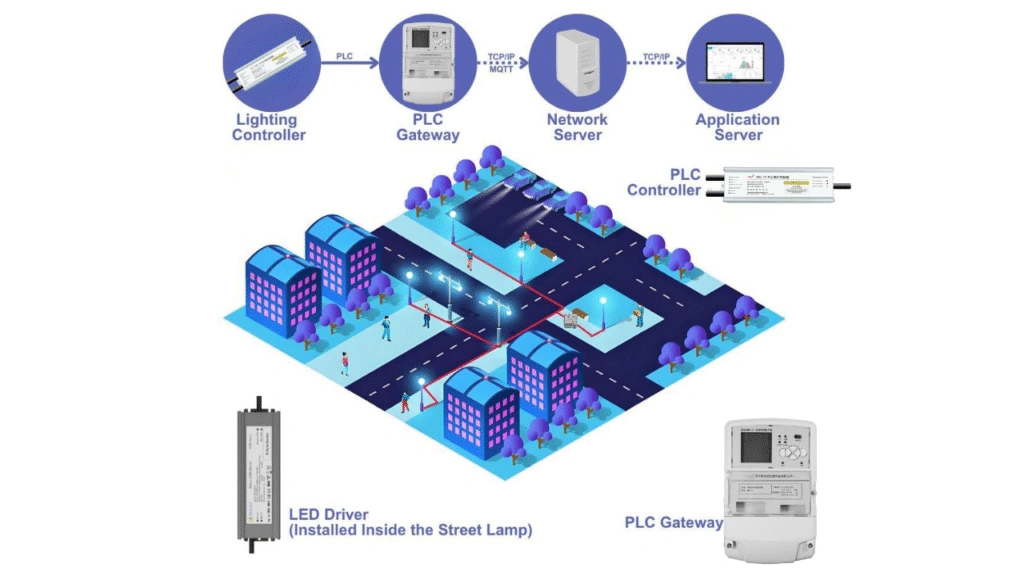
Um gateway PLC serve como o centro central de comunicação de toda a rede de iluminação. É responsável por:
- Gerenciando a comunicação entre a plataforma em nuvem e dispositivos de campo
- Coleta de dados operacionais de lâmpadas individuais
- Envio de comandos de comutação e escurecimento
- Monitoramento do consumo de energia
- Detecção de falhas e emitir alarmes
- Gerenciando políticas de agendamento
Em uma arquitetura típica de iluminação inteligente, o gateway conecta-se a:
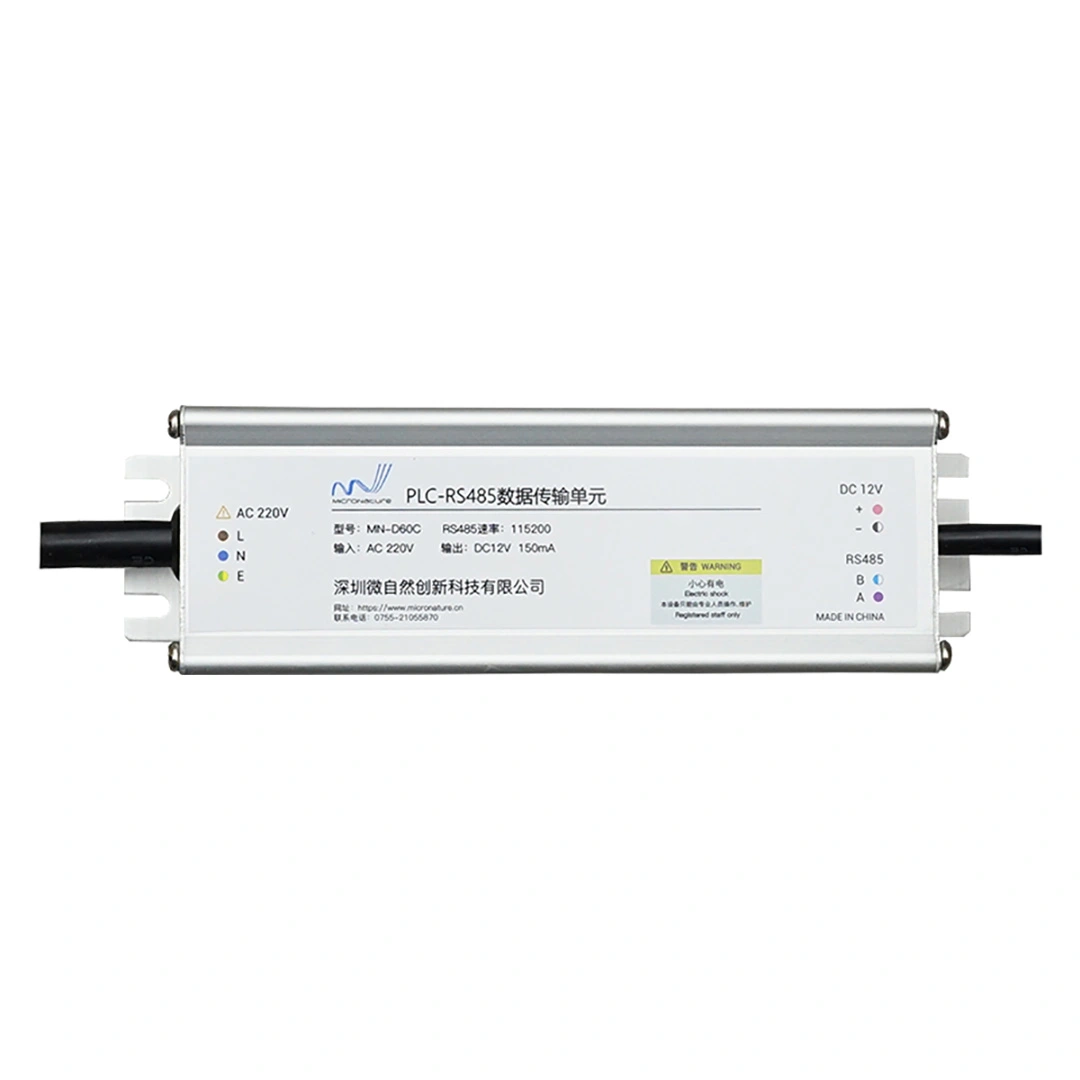
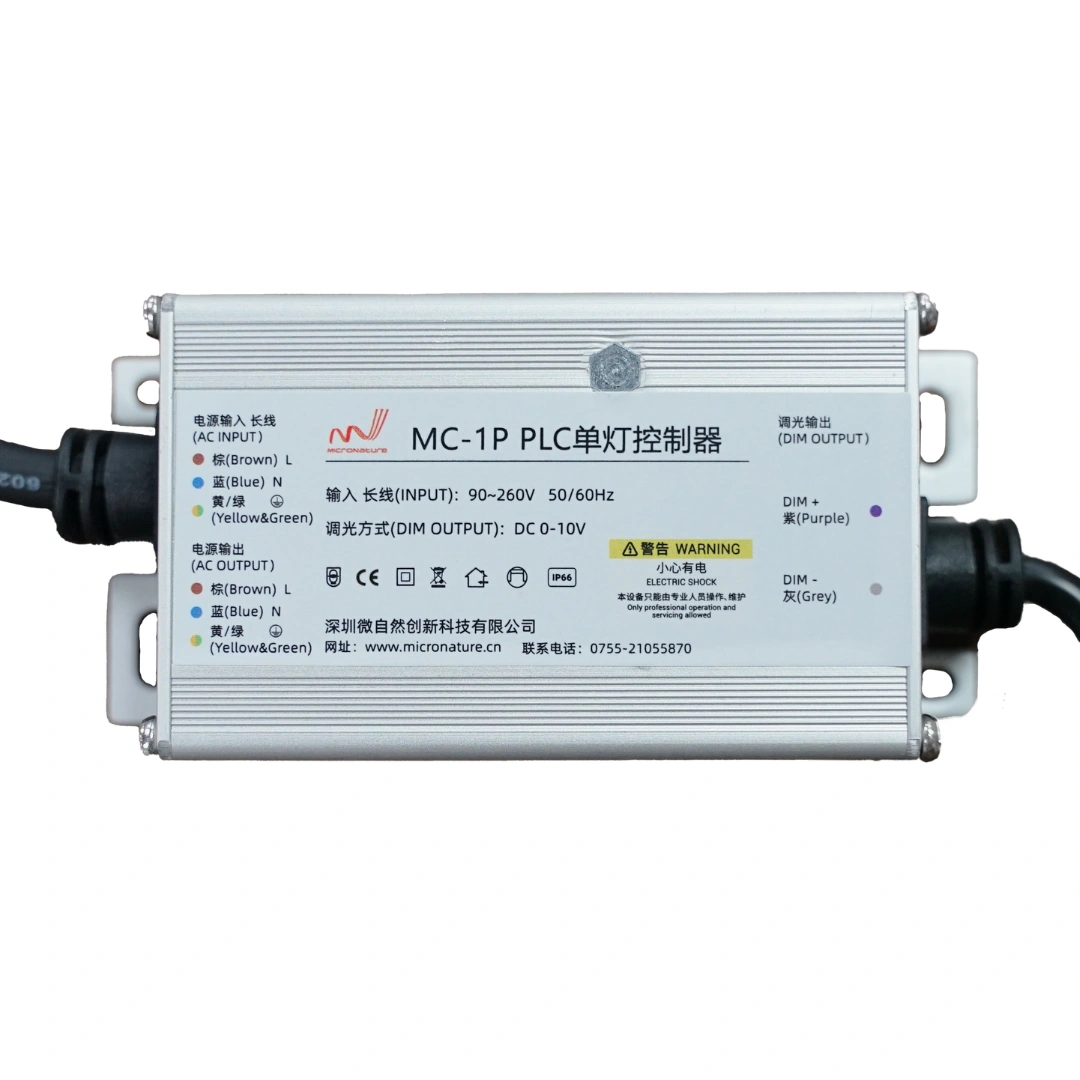
- Controladores de lâmpada única com PLC
- Controladores de loop
- Sensores
- Plataformas de gerenciamento de nuvem
- Ethernet, Wi-Fi ou redes celulares
O gateway atua como uma ponte entre redes locais de linha de energia e sistemas de gerenciamento remoto.
Fatores que determinam o número de lâmpadas
Diversas variáveis influenciam diretamente a capacidade do gateway.
1. Protocolo de Comunicação
Diferentes protocolos de PLC oferecem diferentes níveis de desempenho.
Tecnologias comuns incluem:
- OFDM (Multiplexação por Divisão de Frequência Ortogonal)
- FSK (Modulação por Deslocamento de Frequência)
- IEEE P1901.1 Padrões
- Protocolos proprietários de PLC
Sistemas baseados em OFDM geralmente oferecem maior largura de banda, melhor resistência ao ruído e maior capacidade de rede.
2. Topologia da Rede
A estrutura da rede afeta significativamente o desempenho geral. Se você é um usuário novo, pode ver nosso artigo Guia de Cálculo da Capacidade da Rede de PLCs para Iluminação Inteligente.
Topologias típicas incluem:
- Topologia em estrela
- Topologia das árvores
- Topologia da malha
- Topologia híbrida
A rede mesh é especialmente útil porque cada nó pode ajudar a encaminhar informações para outros nós, ampliando a faixa de comunicação e melhorando a confiabilidade.


3. Distância de comunicação
A distância de comunicação é outra consideração importante.
Fatores que afetam a distância de transmissão incluem:
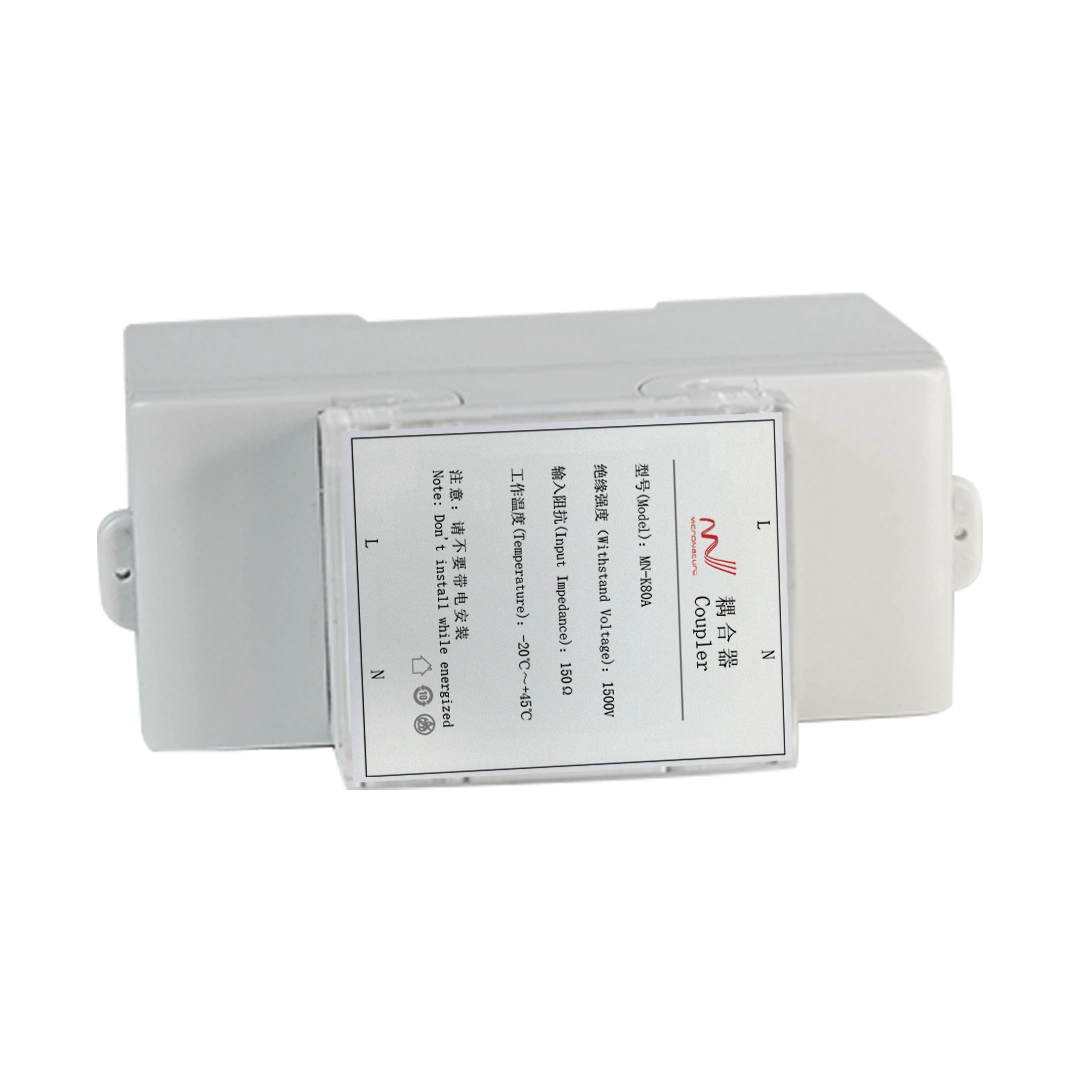
- Qualidade do cabo
- Distribuição do transformador
- Ruído elétrico
- Circuitos ramificados
- Atenuação de sinal
- Interferência eletromagnética
À medida que a distância de comunicação aumenta, o débito de dados normalmente diminui.
4. Tráfego de Rede
A carga de comunicação dentro da rede também afeta a capacidade do sistema. Como Projetar uma Rede de Iluminação Inteligente com PLC Este artigo pode ajudar você a saber mais sobre o assunto.
Exemplos incluem:
- Escurecimento em tempo real
- Monitoramento energético
- Relato de falhas
- Integração com sensores
- Atualizações de firmware
- Análises baseadas em IA
Uma rede que envia apenas comandos simples de ligar/desligar geralmente pode suportar mais nós do que uma rede que transmite grandes quantidades de dados de sensores.
5. Requisitos de Tempo de Resposta
Projetos diferentes têm requisitos diferentes.
| Aplicações | Requisito de resposta |
|---|---|
| Iluminação pública | Segundos |
| Iluminação industrial | Centenas de milissegundos |
| Iluminação em túneis | Quase em tempo real |
| Iluminação do estádio | Tempo real |
Requisitos de resposta mais rápidos geralmente reduzem o número máximo de dispositivos suportados por um gateway.
Capacidade típica de gateway de PLC
A tabela a seguir fornece estimativas gerais.
| Cenário de implantação | Número aproximado de lâmpadas |
|---|---|
| Pequeno prédio de escritórios | 20–100 |
| Armazém | 50–300 |
| Instalação industrial | 100–500 |
| Iluminação em túneis | 100–800 |
| Sistema de iluminação pública | 300–1,000+ |
| Implantação em cidades inteligentes | Milhares |
O desempenho real varia de acordo com as condições locais.
Exemplo: Projeto Municipal de Iluminação Rua
Imagine uma cidade implantando 1.000 postes inteligentes ao longo de vários quilômetros.
A instalação pode incluir:
- Quatro gateways PLC
- Dois armários de distribuição elétrica
- Uma plataforma de gerenciamento de nuvem
- Múltiplos controladores PLC
- Sensores de luz e sensores ambientais
Nesse cenário, cada gateway poderia gerenciar aproximadamente 250 lâmpadas mantendo comunicação estável e tempos de resposta rápidos.
Essa arquitetura distribuída oferece várias vantagens:
- Manutenção mais fácil
- Maior redundância
- Menor latência de comunicação
- Maior confiabilidade
- Melhor escalabilidade
Como Aumentar a Capacidade do Gateway
Projetistas de sistemas frequentemente utilizam vários métodos para expandir a rede.
Segmentar a rede
Divida grandes implantações em domínios de comunicação menores.
Use repetidores ou redes mesh
O encaminhamento de sinal melhora tanto a cobertura quanto a estabilidade.
Reduzir a frequência de comunicação
Intervalos de reporte mais longos diminuem a congestão da rede.
Melhorar a qualidade da energia
Filtros de sinal e dispositivos de isolamento podem reduzir significativamente a interferência.
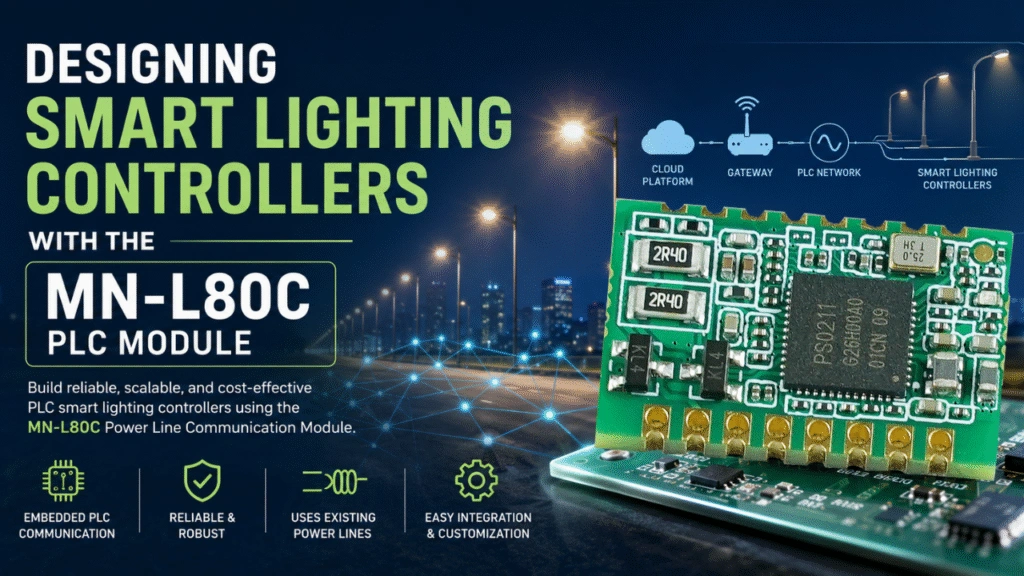
Módulos de PLC de grau industrial selecionados
Módulos de alto desempenho proporcionam melhor sensibilidade e maior imunidade ao ruído.
Por que o PLC é ideal para grandes redes de iluminação
Comparada às soluções sem fio, a tecnologia PLC oferece várias vantagens:
| Característica | Tecnologia PLC | Tecnologia sem fio |
|---|---|---|
| Fiação adicional | Não é obrigatório | Geralmente é necessário |
| Resistência de interferência eletromagnética | Excelente | Moderado |
| Complexidade da instalação | Baixo | Moderado |
| Comunicação de longa distância | Excelente | Limitado |
| Confiabilidade | Alto | Média |
| Custos de manutenção | Baixo | Mais alto |
Essas vantagens explicam por que a tecnologia PLC se tornou cada vez mais popular em aplicações de cidades inteligentes.
Considerações Finais
Não há uma resposta universal para a pergunta: "Quantas lâmpadas um gateway PLC pode controlar?"
A resposta depende de diversos fatores, incluindo protocolos de comunicação, condições elétricas, topologia da rede, intervalos de relatórios e requisitos do projeto.
Para a maioria das implantações profissionais de iluminação inteligente, os arquitetos de sistemas priorizam confiabilidade, escalabilidade e manutenção, em vez de simplesmente maximizar o número de lâmpadas conectadas.
Uma rede PLC bem projetada pode fornecer comunicação estável para centenas ou até milhares de nós de iluminação, reduzindo significativamente os custos de instalação e manutenção.