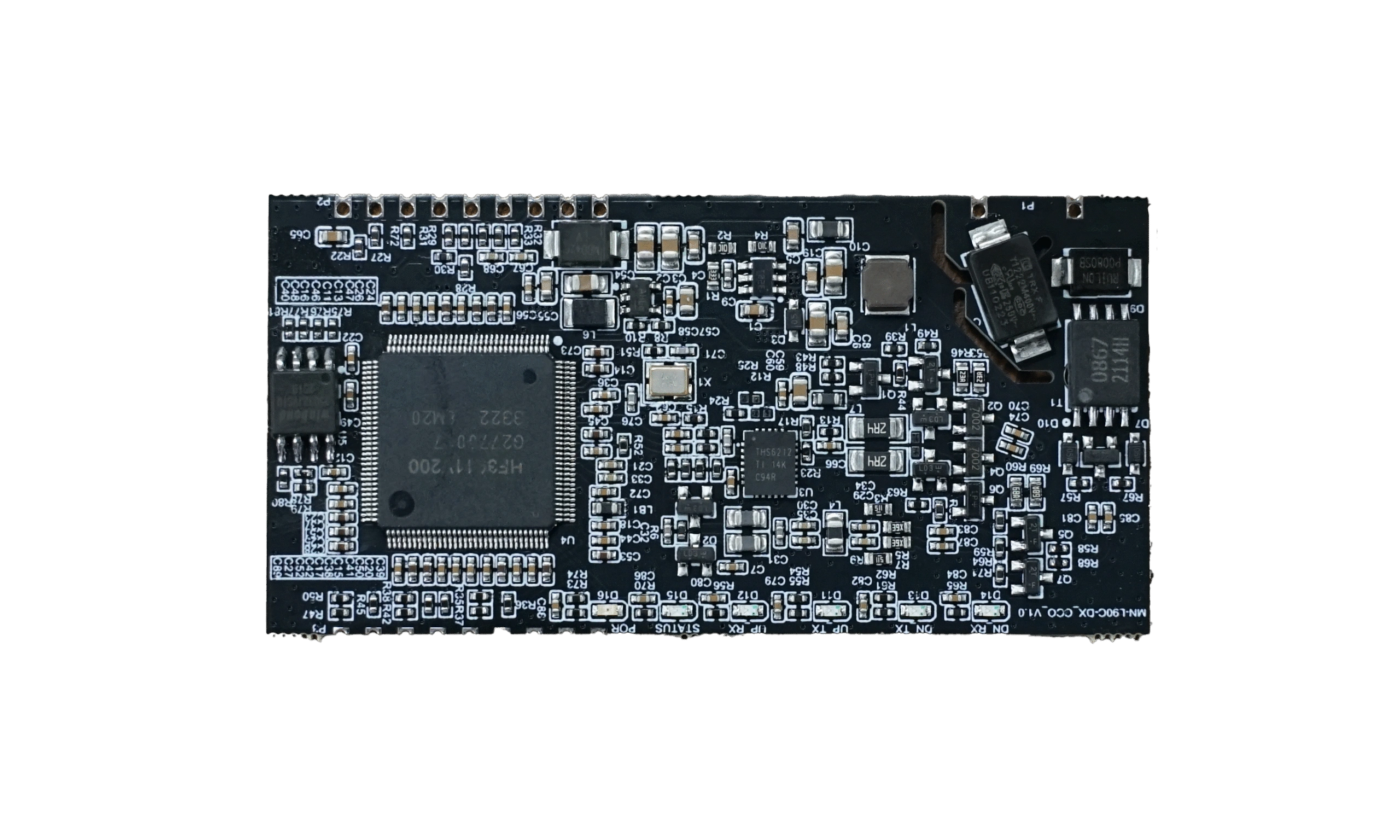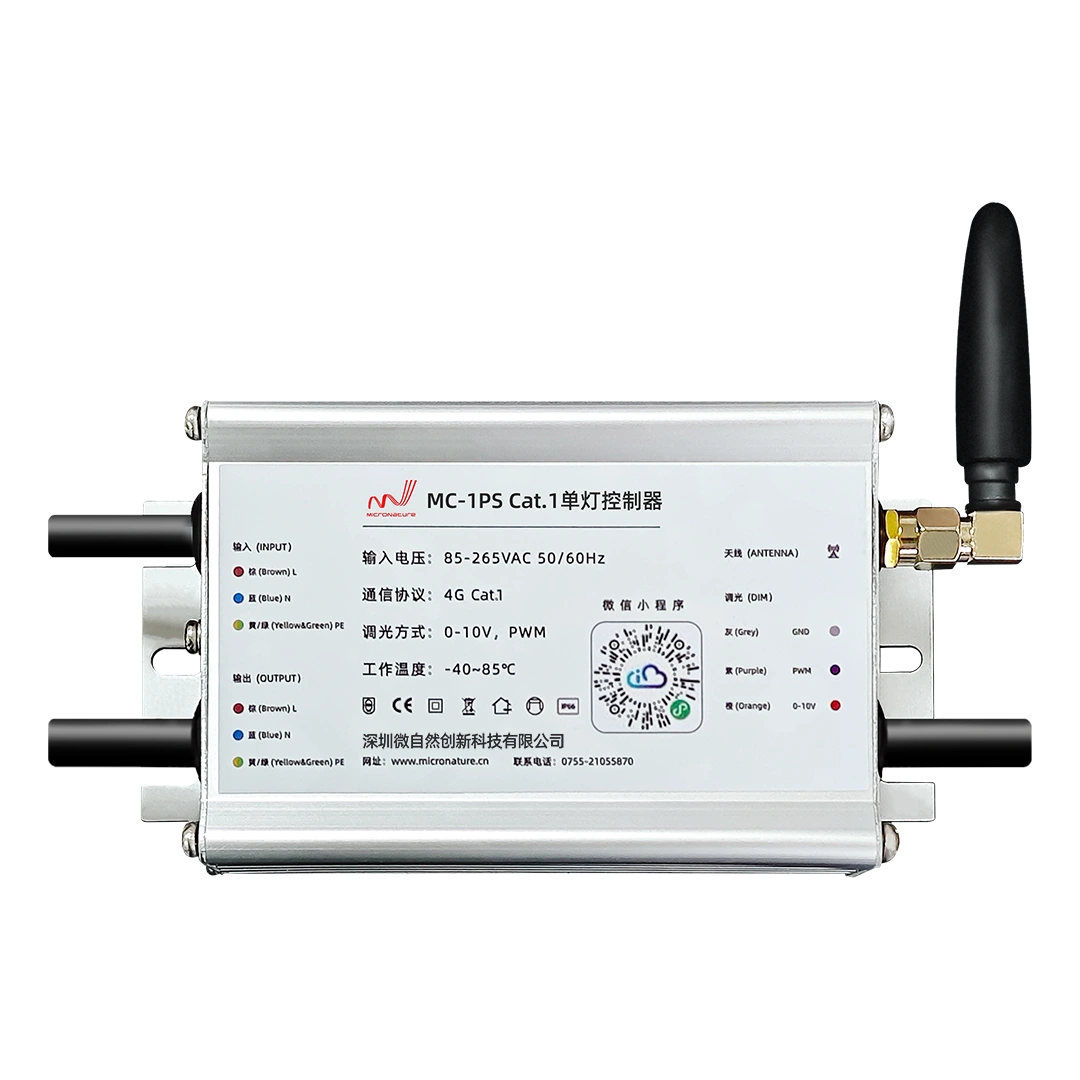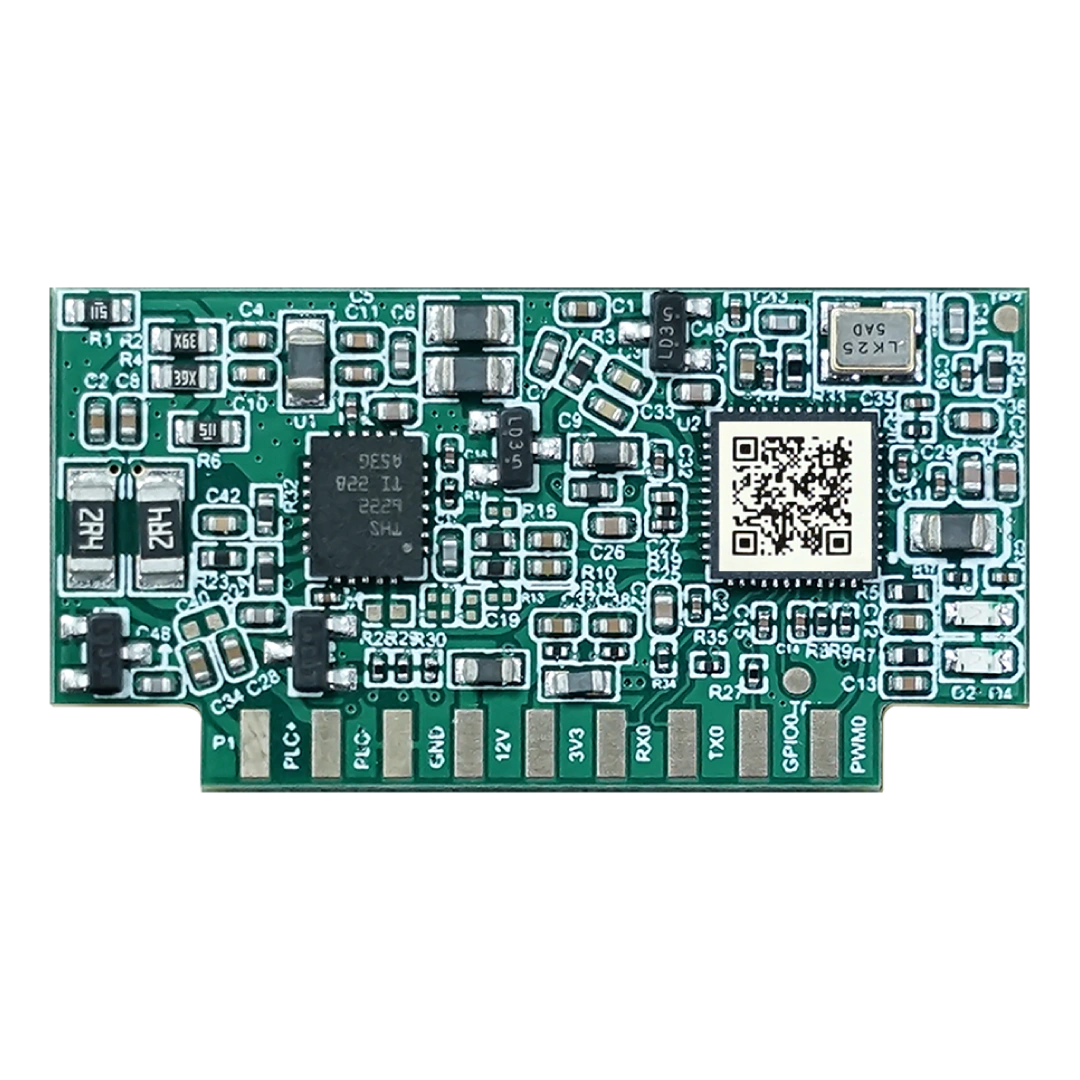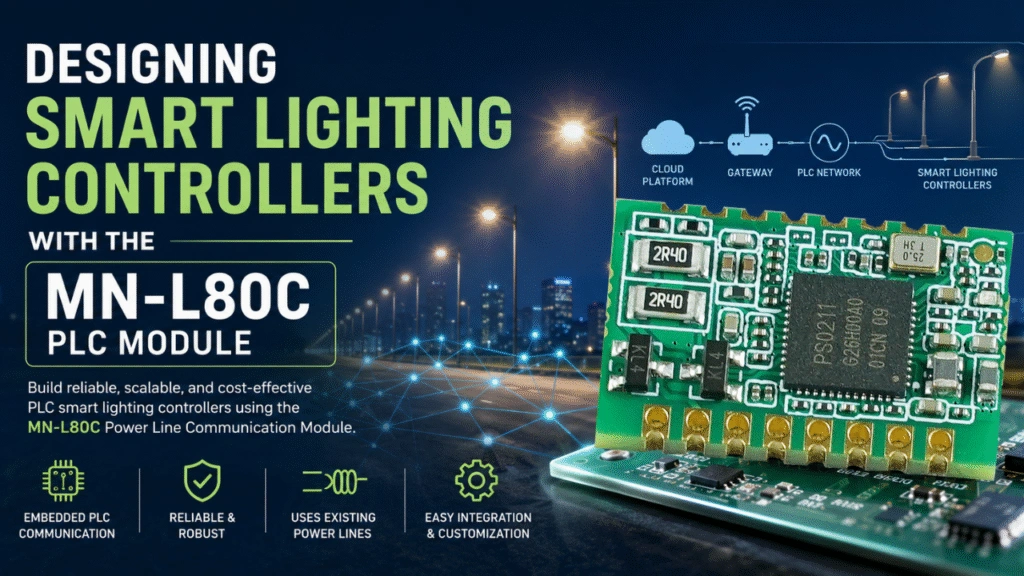
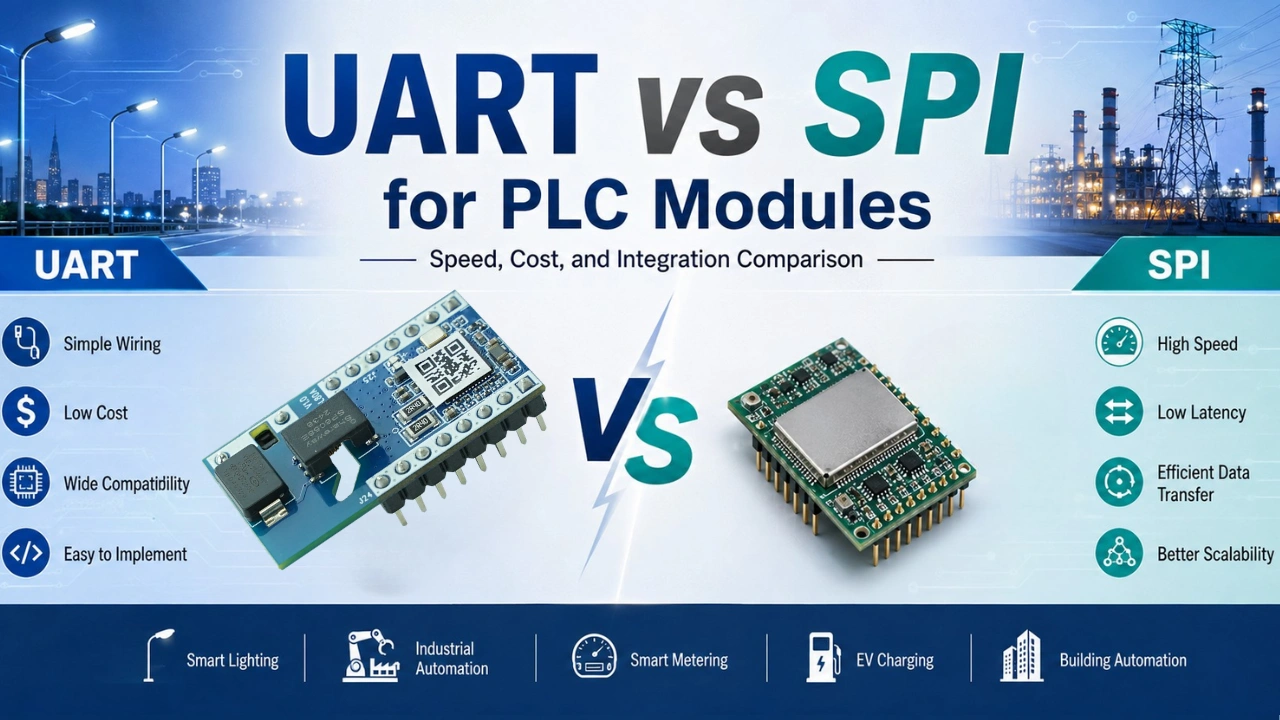
Escolhendo entre UART vs SPI para módulos PLC é uma das decisões mais importantes ao projetar sistemas de iluminação inteligente, equipamentos de automação industrial, redes inteligentes e redes de IoT. A interface selecionada afeta diretamente a velocidade de comunicação, complexidade de hardware, consumo de energia, custos de desenvolvimento e desempenho geral do sistema.
Entre todas as interfaces disponíveis, UART (Receptor/Transmissor Universal Assíncrono) e SPI (Interface Periférica Serial) são as duas opções mais comumente usadas.
Mas qual você deve escolher? Antes de escolher uma interface, os engenheiros devem entender os fundamentos explicados em nosso artigo, O que é Comunicação por Linha de Energia (CLP)?
A resposta depende de vários fatores, incluindo velocidade de transmissão, complexidade de hardware, custo de desenvolvimento, capacidade de processamento e requisitos de aplicação.
Neste artigo, vamos comparar UART e SPI em detalhes e explicar qual interface é mais adequada para diferentes aplicações de PLC.
UART vs. SPI para módulos PLC: Qual interface é melhor?
À medida que a tecnologia de comunicação por linha de energia (PLC) se torna cada vez mais popular em iluminação inteligente, automação industrial, redes inteligentes, carregamento de veículos elétricos e aplicações IoT, selecionar a interface de comunicação correta entre o controlador host e o módulo PLC torna-se de importância crítica.
Entre todas as interfaces disponíveis, UART (Receptor/Transmissor Universal Assíncrono) e SPI (Interface Periférica Serial) são as duas opções mais comumente usadas.
Mas qual você deve escolher?
A resposta depende de vários fatores, incluindo velocidade de transmissão, complexidade de hardware, custo de desenvolvimento, capacidade de processamento e requisitos de aplicação.
Neste artigo, vamos comparar UART e SPI em detalhes e explicar qual interface é mais adequada para diferentes aplicações de PLC.
UART vs SPI para Módulos de PLC: Entendendo UART
UART é um protocolo de comunicação serial assíncrono que transfere dados um bit de cada vez por meio de linhas dedicadas de transmissão (TX) e recepção (RX). Se você é um usuário novo, pode ver nosso artigo Como Integrar um Módulo PLC em Sistemas Embarcados.
Diferentemente das interfaces síncronas, a comunicação UART não requer sinal de clock. Em vez disso, ambos os dispositivos operam de acordo com uma taxa de bauds pré-definida.
Conexão típica da UART
- TX (Transmitir)
- RX (Receber)
- GND (Terra)
- Sinais opcionais de controle de fluxo
Vantagens do UART
- Projeto simples de hardware
- Baixo custo de implementação
- Menos fios de conexão
- Excelente compatibilidade com microcontroladores
- Depuração e testes fáceis
Limitações do UART
- Menor velocidade de transmissão
- Maior latência de comunicação
- Maior suscetibilidade a desajustes de tempo
- Escalabilidade limitada
UART vs SPI para Módulos de PLC: Entendendo SPI
SPI é um protocolo de comunicação síncrono que utiliza um sinal de clock gerado pelo dispositivo mestre. Isso pode ver o Padrão IEEE Para referência.
Como ambos os dispositivos compartilham a mesma referência de temporização, o SPI pode alcançar velocidades de transmissão significativamente maiores que o UART.
Conexão SPI típica
- MOSI (Entrada Escrava de Saída Mestre)
- MISO (Saída Escrava de Entrada Mestre)
- SCLK (relógio)
- CS (Seleção de Chip)
Vantagens do SPI
- Comunicação de alta velocidade
- Menor latência
- Operação full-duplex
- Excelente desempenho em aplicações intensivas em dados
- Transferência de dados mais eficiente
Limitações do SPI
- Projeto de hardware mais complicado
- Requisitos adicionais de fiação
- Maior complexidade no desenvolvimento de software
- Distância de comunicação menor
UART vs. SPI: Uma Comparação Detalhada
| Característica | UART | SPI |
|---|---|---|
| Sincronização | Assíncrono | Síncrono |
| Sinal de relógio | Não é obrigatório | Obrigatório |
| Modo de comunicação | Full duplex | Full duplex |
| Velocidade típica | 9,6 kbps–1 Mbps | De vários Mbps a dezenas de Mbps |
| Complexidade de fiação | Baixo | Média |
| Overhead da CPU | Moderado | Baixo |
| Custo de implementação | Lower | Um pouco mais alto |
| Escalabilidade | Limitado | Melhor |
| Dificuldade de depuração | Fácil | Moderado |
| Adequação dos módulos PLC | Sistemas de entrada | Sistemas de alto desempenho |
Módulo PLC vs Chipset PLC: Principais Diferenças Explicadas Este artigo pode ajudar você a saber mais sobre o assunto.
Por que muitos módulos PLC suportam ambas as interfaces
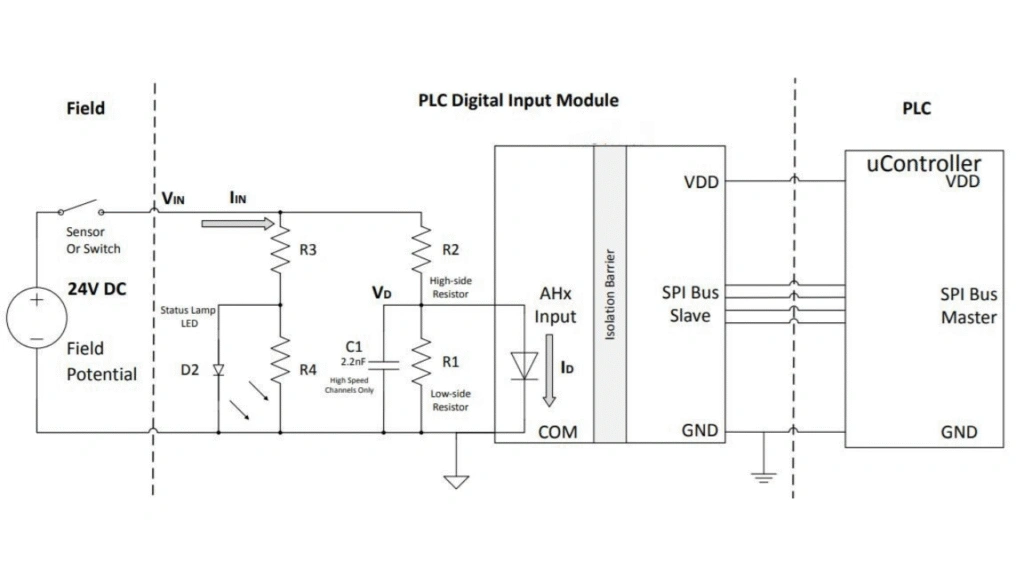
Fabricantes modernos de módulos PLC frequentemente fornecem interfaces UART e SPI porque diferentes aplicações têm requisitos distintos.
A UART é comumente selecionada para:
- Sistemas inteligentes de iluminação pública
- Automação predial
- Sistemas de monitoramento ambiental
- Medição remota
- Redes de sensores de baixa largura de banda
O SPI é frequentemente preferido para:
- Sistemas de automação industrial
- Plataformas de iluminação por visão com IA
- Aplicações de computação de borda
- Redes de sensores de alta densidade
- Sistemas de controle em tempo real
Por exemplo, um controlador inteligente de postes de luz pode transmitir apenas comandos de comutação, instruções de escurecimento e dados do sensor, tornando o UART uma solução econômica.
No entanto, um gateway industrial de PLC que processa grandes volumes de dados de múltiplos nós pode exigir a maior taxa de transferência fornecida pelo SPI.
Fatores-chave a considerar ao selecionar uma interface
1. Velocidade de transmissão
Se sua aplicação exige troca rápida de dados, o SPI geralmente é a melhor escolha.
2. Recursos de hardware
Microcontroladores pequenos frequentemente têm pinos e recursos de memória limitados, tornando o UART mais atraente.
3. Complexidade de software
Drivers UART geralmente são mais fáceis de desenvolver e manter.
4. Interferência eletromagnética (EMI)
Ambientes industriais frequentemente contêm ruído elétrico intenso. Filtragem, blindagem e isolamento adequados tornam-se essenciais independentemente da interface escolhida.
5. Escalabilidade futura
Aplicações que devem suportar sensores adicionais, gateways ou capacidades de computação de borda podem se beneficiar da maior largura de banda do SPI.
Arquitetura típica de módulo PLC
Uma solução típica de PLC embarcado geralmente consiste nos seguintes componentes:
- Microcontrolador host (MCU)
- Interface UART ou SPI
- Chip de modem PLC
- Circuito analógico de front-end
- Circuito de acoplamento de potência
- Rede de linha de energia
Essa arquitetura permite que engenheiros integrem tecnologia de PLC em sistemas de iluminação inteligente, equipamentos de controle industrial e plataformas de gerenciamento de energia, minimizando a complexidade do desenvolvimento.
UART vs SPI para módulos PLC: Qual interface você deve escolher?
As seguintes recomendações podem servir como uma diretriz prática:
| Cenário | Interface recomendada |
|---|---|
| Dispositivos de baixo custo | UART |
| Implantação rápida | UART |
| Recursos limitados do MCU | UART |
| Comunicação de alta velocidade | SPI |
| Aplicações em tempo real | SPI |
| Automação industrial | SPI |
| Grandes redes de PLC | SPI |
No fim das contas, nenhuma das interfaces é universalmente melhor. A decisão certa depende inteiramente da arquitetura do seu sistema e dos requisitos de desempenho.