As IoT sensors redefine visibility and control across modern supply chains, a critical question emerges: how can this intelligence be delivered reliably, securely, and cost-effectively at scale? While wireless networks dominate discussions around IoT connectivity, Power Line Communication (PLC) is rapidly emerging as a powerful alternative—especially when paired with AI-driven analytics.
By using existing electrical infrastructure as a data transmission medium, PLC enables always-on connectivity for IoT sensors, robotics, and automation systems. When combined with AI, PLC becomes more than a communication layer—it becomes a foundation for predictable, resilient, and self-optimizing supply chain operations.
Why Connectivity Reliability Matters More Than Ever
In data-driven warehouses, reliability is no longer defined by uptime alone. It depends on continuous data integrity—accurate, low-latency sensor data flowing from devices to analytics platforms without interruption.
Wireless technologies can struggle in dense industrial environments due to:
- Electromagnetic interference
- Signal shadowing from metal racks and machinery
- Network congestion as device counts scale
PLC addresses these challenges by transmitting data directly over power lines, offering:
- Stable communication in high-interference environments
- Deterministic performance for time-sensitive automation
- Reduced dependency on additional network infrastructure
This reliability makes PLC especially well-suited for AI-powered automation, where incomplete or delayed data can compromise predictive models.
PLC as the Data Backbone for AI-Driven Warehouses
AI systems are only as effective as the data they receive. PLC ensures that high-value IoT data is delivered consistently, enabling advanced AI use cases across supply chain operations.
1. AI-Optimized Robotics and Material Handling
PLC-connected IoT sensors embedded in conveyors, AGVs, shuttles, and lifts provide continuous streams of operational data, including:
- Motor load and vibration
- Travel distance and idle time
- Power consumption patterns
AI models analyze this data to:
- Optimize routing and task allocation
- Predict component wear before failures occur
- Balance energy usage across systems
Because PLC shares the same physical infrastructure as power delivery, AI can correlate energy behavior with mechanical performance, unlocking deeper operational insights.
2. Predictive Maintenance Through Power-Aware Intelligence
Unlike wireless networks, PLC inherently understands the electrical environment. When combined with AI, this enables:
- Detection of abnormal current, voltage, or harmonics
- Early identification of failing motors, batteries, or power supplies
- AI-driven maintenance scheduling based on real operating conditions
This approach shifts maintenance from reactive or calendar-based routines to condition-based intelligence, extending equipment lifespan and reducing downtime.
3. Intelligent Inventory Visibility with PLC-Connected Sensors
Inventory accuracy depends on continuous verification. PLC-enabled IoT devices can support:
- Weight and dimension sensors in storage locations
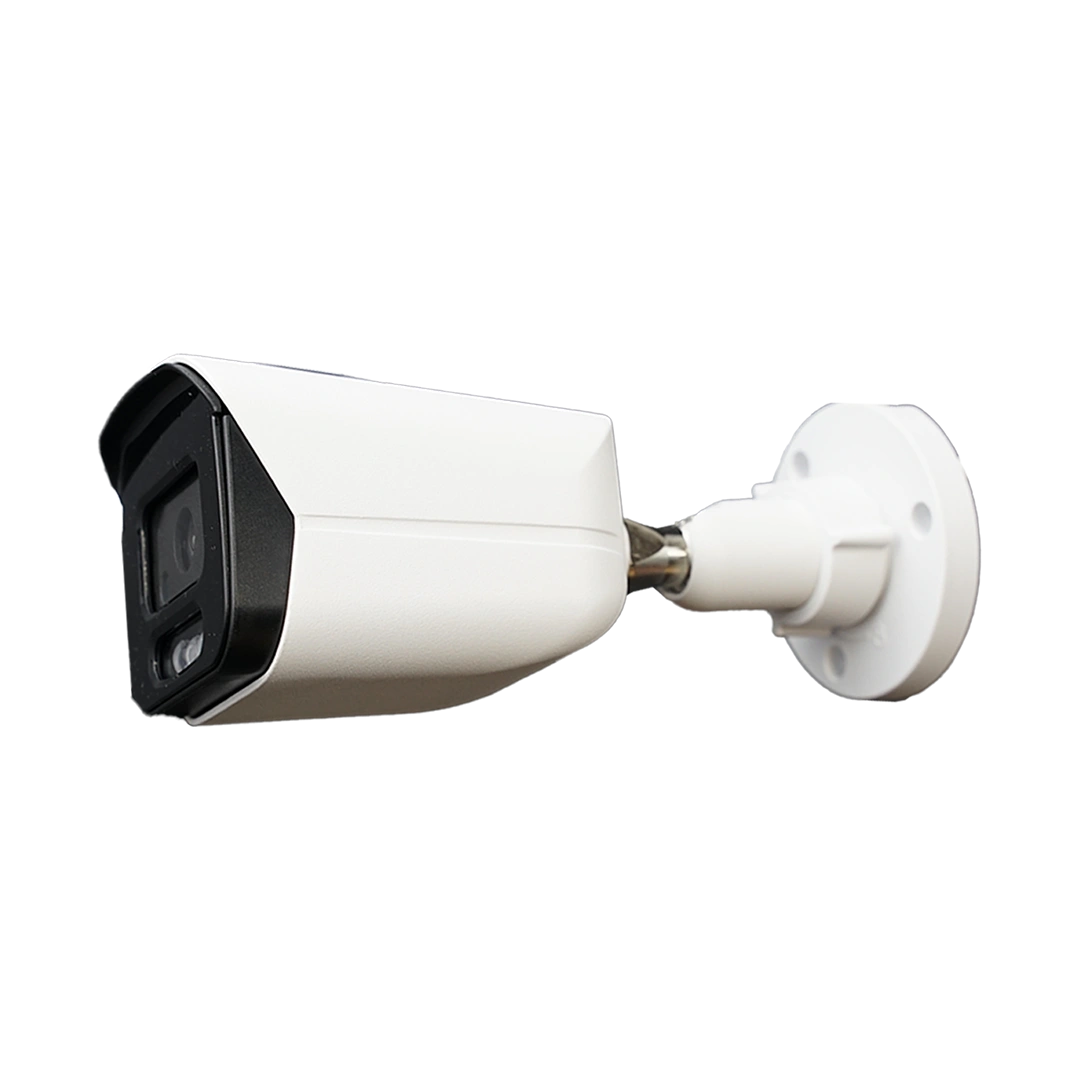
- Cameras integrated into automated storage and retrieval systems
- Environmental sensors for temperature- or humidity-sensitive goods
AI processes this data to maintain a living digital twin of the warehouse, detecting:
- Mis-slots and incorrect placements
- Shrinkage or unexpected inventory movement
- Storage inefficiencies impacting throughput
PLC ensures these data streams remain reliable even in high-density storage zones where wireless signals degrade.
Enhancing Human–Machine Collaboration Safely and Efficiently
Even in advanced automated warehouses, people remain essential. PLC-connected systems can capture operator interaction data such as:
- Task completion time
- Number of touches per transaction
- Error attempts before correct execution
AI uses this data to:
- Improve task sequencing and interface design
- Identify training gaps and fatigue risks
- Dynamically adjust automation behavior to support human workflows
Because PLC networks are physically bounded within the facility, they also provide enhanced data security, protecting sensitive operational and personnel data.
Scalable Intelligence Without Rising Infrastructure Costs
One of PLC’s most overlooked advantages is economics. Since PLC uses existing power lines:
- No additional cabling is required
- Installation time is significantly reduced
- Expansion costs remain predictable as sensor counts grow
This aligns perfectly with AI strategies, where future value often comes from data that hasn’t yet been defined. PLC allows organizations to collect more data today without overinvesting in network infrastructure, ensuring readiness for future AI applications.
The Future: PLC-Enabled AI Ecosystems and Benchmarking
As supply chains move toward shared data ecosystems, PLC offers a standardized, reliable way to collect comparable performance metrics across facilities. In the future, AI platforms may benchmark:
- Robotic utilization and reliability
- Energy efficiency per transaction
- Maintenance intervals across similar environments
Organizations using PLC-based IoT architectures will be well-positioned to participate in these ecosystems, gaining insight not only into their own operations—but how they perform relative to the industry.