A Global Shift Is Underway in Industrial Manufacturing
Across the world, manufacturers are investing heavily in intelligent production. From automated factories in Europe to smart infrastructure projects in Asia and large-scale industrial parks in North America, AI-driven operations are becoming the norm.
Yet despite this progress, one critical area remains underdeveloped: how industrial equipment is sold.
While machines generate real-time data, predict failures, and optimize performance, sales processes often rely on manual configuration, delayed pricing, and fragmented communication. This mismatch between smart products and outdated selling methods is now a global challenge — and a growing commercial risk.
Buyers Everywhere Expect Clarity, Speed, and Confidence
Industrial buyers are not looking for consumer-style purchasing experiences. However, expectations have clearly evolved.
Globally, buyers now expect:
- Faster and more accurate configuration options
- Earlier pricing transparency
- Clear insight into operational and lifecycle costs
- Solutions that are scalable, upgradeable, and future-ready
When these expectations are not met, buyers increasingly turn to competitors who can provide clarity earlier in the decision-making process.
The issue is not product quality. It is sales intelligence.
PLC + AI: A Proven Foundation for Intelligent Sales
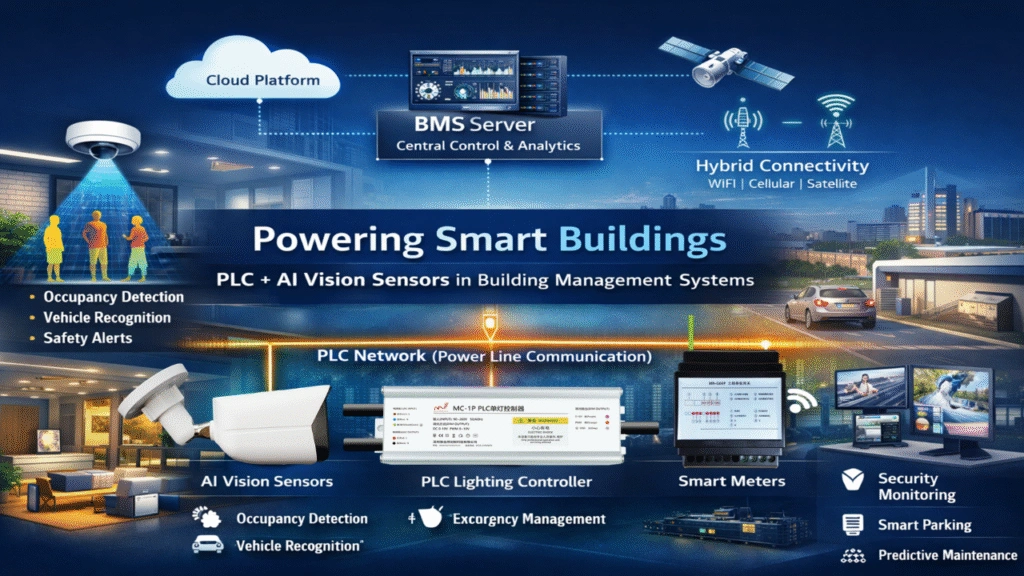
PLC (Power Line Communication) has long been adopted worldwide in industrial lighting, smart cities, utilities, and infrastructure projects. Its ability to transmit data over existing power lines makes it reliable, cost-effective, and highly scalable.
The integration of AI with PLC networks has elevated this technology from connectivity infrastructure to a strategic intelligence platform.
Today, PLC + AI enables manufacturers to:
- Collect real operational data from deployed assets
- Analyze usage, performance, and environmental conditions
- Feed insights directly into configuration, pricing, and sales tools
This is not experimental technology. It is market-tested and globally accepted.
Turning Operational Intelligence Into Sales Advantage
Standardized Configuration Across Markets
AI models learn from thousands of PLC-connected deployments. This allows manufacturers to recommend optimized configurations based on real-world performance rather than individual experience.
The result:
- Consistent proposals across regions
- Reduced dependency on individual experts
- Faster onboarding of sales teams worldwide
ransparent Pricing Earlier in the Process
PLC + AI systems connect product data, operational insights, and pricing logic into a single intelligent workflow.
Sales teams can clearly demonstrate:
- Cost differences between configurations
- Energy efficiency and operational savings
- Long-term value instead of upfront price alone
This transparency builds trust across cultures and markets.
Financing and Lifecycle Value Become Part of the Conversation
Because PLC-connected systems continue to generate data after deployment, manufacturers can offer financing and service models based on actual performance.
This enables:
- Data-backed ROI calculations
- Predictive maintenance agreements
- Scalable upgrade paths
Globally, buyers increasingly favor suppliers who understand total lifecycle value — not just product specifications.
Preserving Knowledge in a Global Workforce Transition
Many regions face a similar challenge: experienced industrial professionals are retiring, while new talent enters with less hands-on exposure.
PLC + AI helps manufacturers:
- Digitize expertise
- Reduce knowledge gaps between regions
- Maintain consistency in long sales cycles
- Protect institutional knowledge
AI supports people — it does not replace them.
Why Global Adoption Is Accelerating
Manufacturers across continents are embracing PLC + AI because it delivers measurable benefits:
- Works with existing power infrastructure
- Reduces installation complexity and cost
- Performs reliably in harsh industrial environments
- Connects operational intelligence with commercial execution
As a result, PLC + AI is increasingly specified in international tenders and large-scale industrial projects.
The Next Competitive Advantage Is Commercial Intelligence
The global industrial equipment market continues to grow, but differentiation is no longer defined solely by product performance.
The real advantage lies in:
- How fast manufacturers respond
- How clearly they communicate value
- How seamlessly they connect data to decision-making
Manufacturers that integrate PLC + AI into both operations and sales will move faster, sell smarter, and win more consistently across markets.