System Integration & Customization
Integrating a new lighting system into an existing power plant infrastructure can seem like a daunting task. You might be wondering, "How can I ensure this new system works seamlessly with our current setup?" or "What level of customization is possible to meet our specific needs?" The good news is that PLC (Programmable Logic Controller) systems are designed with integration and customization in mind, offering a flexible and adaptable solution for power plant lighting.
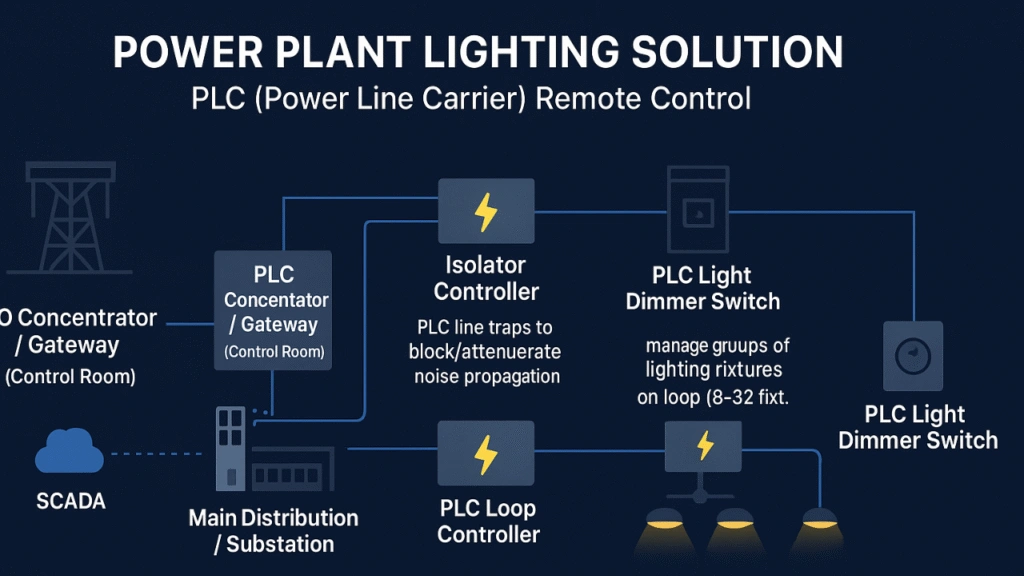
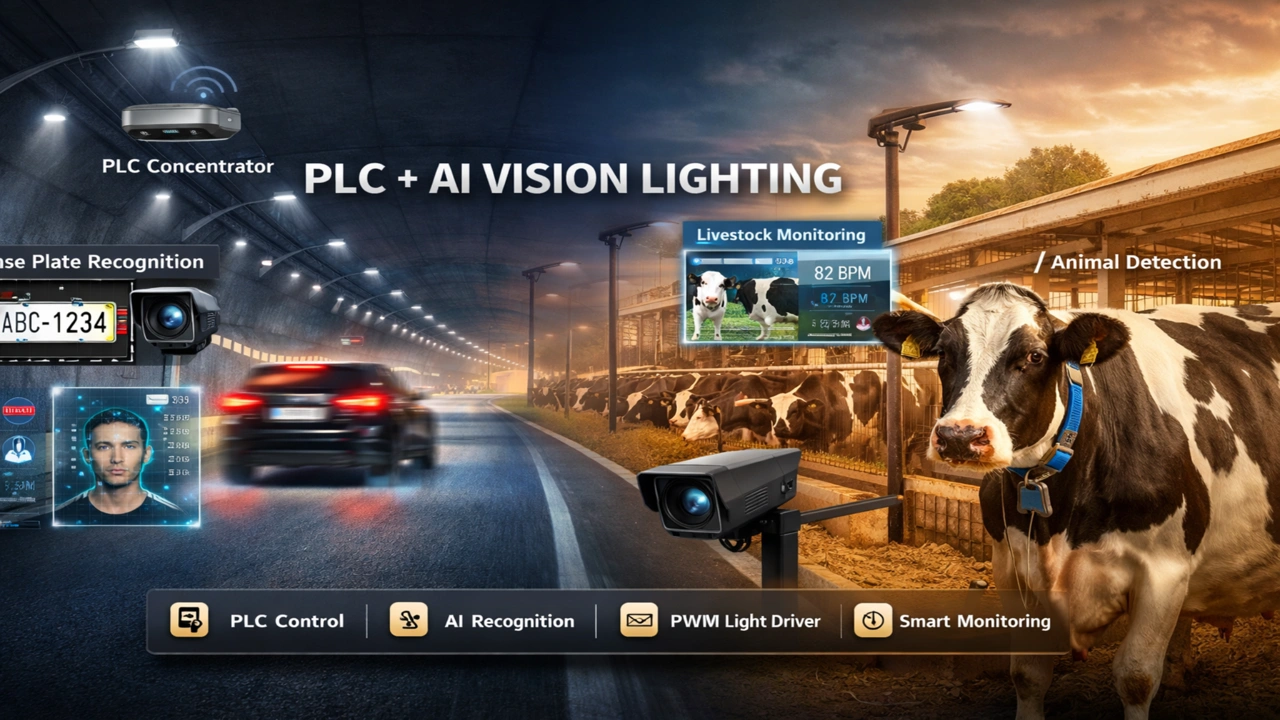
At PLC Lighting, we understand the complexities of power plant operations. Our approach begins with a comprehensive assessment of your existing infrastructure, including the current lighting system, control mechanisms, and power distribution. This allows us to design a PLC lighting solution that not only meets your lighting requirements but also integrates smoothly with your existing systems. We provide detailed technical architecture diagrams that illustrate how our PLC system interacts with your power plant’s network, ensuring compatibility and minimizing disruption during installation. These diagrams cover everything from wiring schematics to network protocols, giving your team a clear roadmap for integration.
Customization is at the heart of our PLC lighting solutions. We recognize that every power plant has unique lighting needs based on its size, layout, operational requirements, and safety standards. Whether you need to adjust light levels in specific areas, create automated lighting schedules, or integrate with existing safety systems, our PLC system can be tailored to your exact specifications. Our team works closely with you to understand your specific challenges and goals, developing a customized lighting plan that addresses your unique needs. This includes selecting the right types of lights, configuring control parameters, and setting up monitoring systems to ensure optimal performance.
We also offer comprehensive customer support and service to ensure a smooth integration and ongoing operation. Our team of experienced engineers and technicians is available to assist you with installation, configuration, and troubleshooting. We provide on-site training for your staff, empowering them to manage and maintain the PLC lighting system effectively. Furthermore, we offer remote monitoring and diagnostics services, allowing us to identify and resolve potential issues before they impact your operations. This proactive approach ensures that your PLC lighting system continues to perform optimally, providing reliable and energy-efficient lighting for your power plant.
Choosing PLC lighting means choosing a solution that adapts to your needs, integrates seamlessly into your existing infrastructure, and is backed by expert support every step of the way. It's about more than just lighting; it's about optimizing your operations and ensuring a safe, efficient, and productive work environment.
Customer Testimonials & Case Studies
When considering a significant upgrade like a PLC lighting system for your power plant, it's natural to want assurance that it delivers on its promises. What better way to gain that confidence than by hearing directly from other power plant operators who have already made the switch? Customer testimonials and case studies provide invaluable insights into the real-world performance and benefits of PLC lighting solutions.
We've compiled feedback from numerous clients who have successfully implemented our PLC control systems in their power plants. These testimonials highlight the tangible improvements they've experienced, such as reduced energy consumption, enhanced safety, and improved operational efficiency. For example, one power plant operator noted a 40% reduction in energy costs after switching to our PLC lighting system, thanks to the ability to precisely control light levels and schedules based on real-time needs. Another client praised the system's ability to integrate seamlessly with their existing SCADA (Supervisory Control and Data Acquisition) system, providing them with centralized monitoring and control over all aspects of their power plant operations.
Beyond individual testimonials, our detailed case studies offer a deeper dive into specific power plant applications. These studies outline the challenges faced by the power plant before implementing PLC lighting, the specific solutions we provided, and the measurable results achieved. Each case study includes a detailed description of the power plant's layout, lighting requirements, and operational goals. We then explain how our PLC system was customized to meet those specific needs, including the types of lights used, the control strategies implemented, and the monitoring systems put in place.
The results presented in our case studies are compelling. We showcase how PLC lighting has helped power plants reduce energy consumption, improve safety, enhance productivity, and minimize maintenance costs. For instance, one case study focuses on a power plant that experienced frequent lighting failures due to harsh environmental conditions. By implementing our PLC-controlled LED lighting system, they were able to eliminate these failures, reduce maintenance costs, and improve the overall reliability of their lighting infrastructure. Another case study highlights a power plant that used our PLC system to create automated lighting schedules, ensuring that lights were only on when and where they were needed, resulting in significant energy savings.
We also provide a list of recognized clients who have entrusted us with their power plant lighting needs. This list includes power plants of various sizes and types, demonstrating the versatility and adaptability of our PLC lighting solutions. By showcasing these success stories, we aim to provide you with the confidence and assurance you need to make an informed decision about upgrading your power plant lighting system.
Technical Specifications & Certifications
When evaluating lighting solutions for your power plant, understanding the technical specifications and certifications is crucial. You need to know that the system you choose not only meets your performance requirements but also adheres to industry standards and safety regulations. At PLC Lighting, we provide comprehensive technical details and certification information to ensure you have all the facts you need.
Our PLC lighting systems are designed with cutting-edge technology to deliver optimal performance and energy efficiency. We offer a wide range of lighting fixtures, including LED high bays, floodlights, and streetlights, each with detailed specifications outlining their light output, power consumption, color temperature, and lifespan. We also provide information on the control capabilities of our PLC system, including the number of lighting zones it can manage, the types of sensors it supports, and the communication protocols it uses. These specifications allow you to assess whether our system can meet the specific lighting needs of your power plant.
Beyond performance, safety is paramount in power plant environments. That's why our PLC lighting systems are designed to meet or exceed all relevant safety standards. We provide detailed information on the certifications our products have obtained, such as UL, CE, and RoHS. These certifications demonstrate that our products have been tested and verified by independent organizations to ensure they meet stringent safety requirements. We also provide information on the materials used in our products, ensuring they are free from hazardous substances and suitable for use in demanding industrial environments.
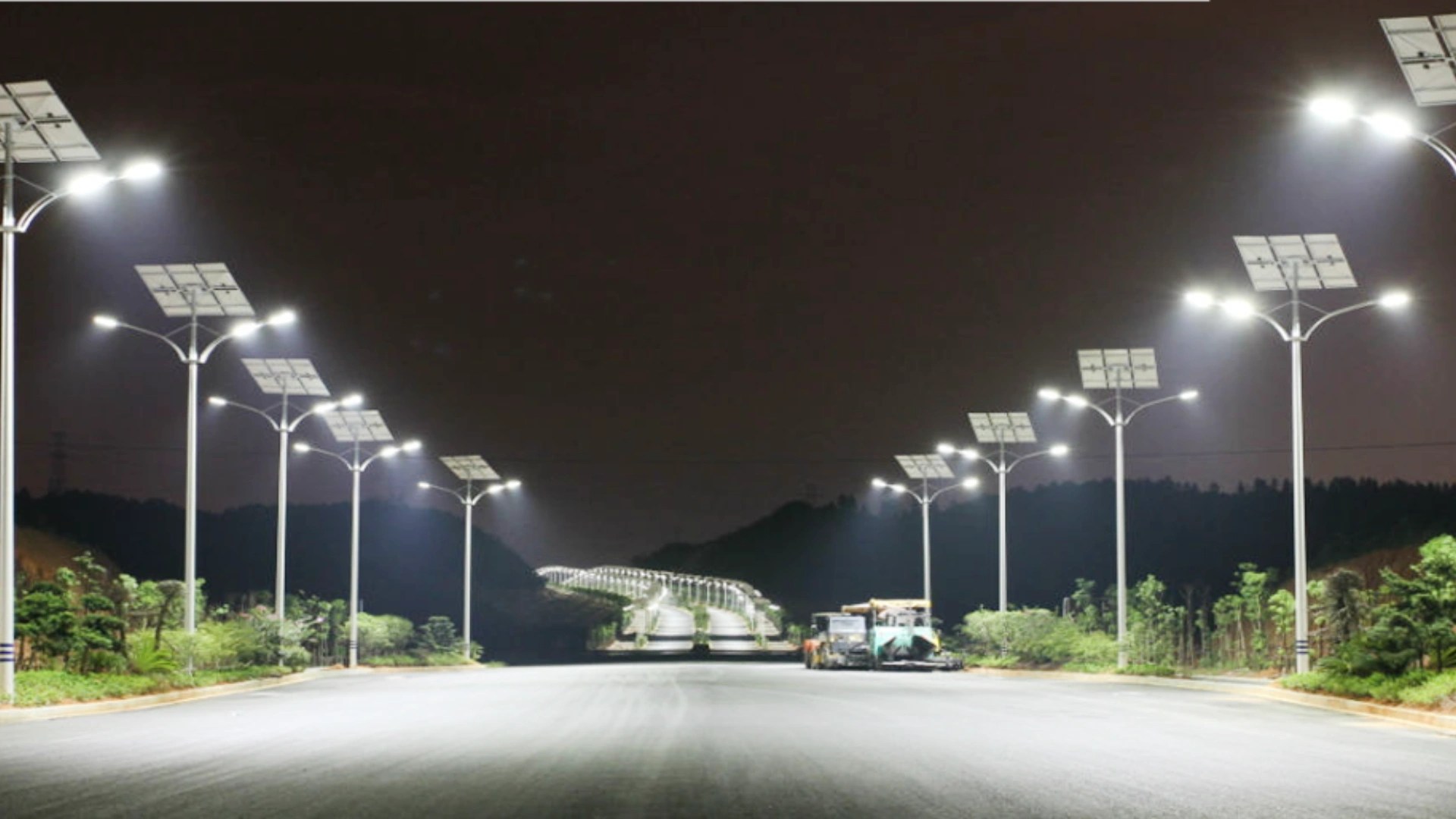
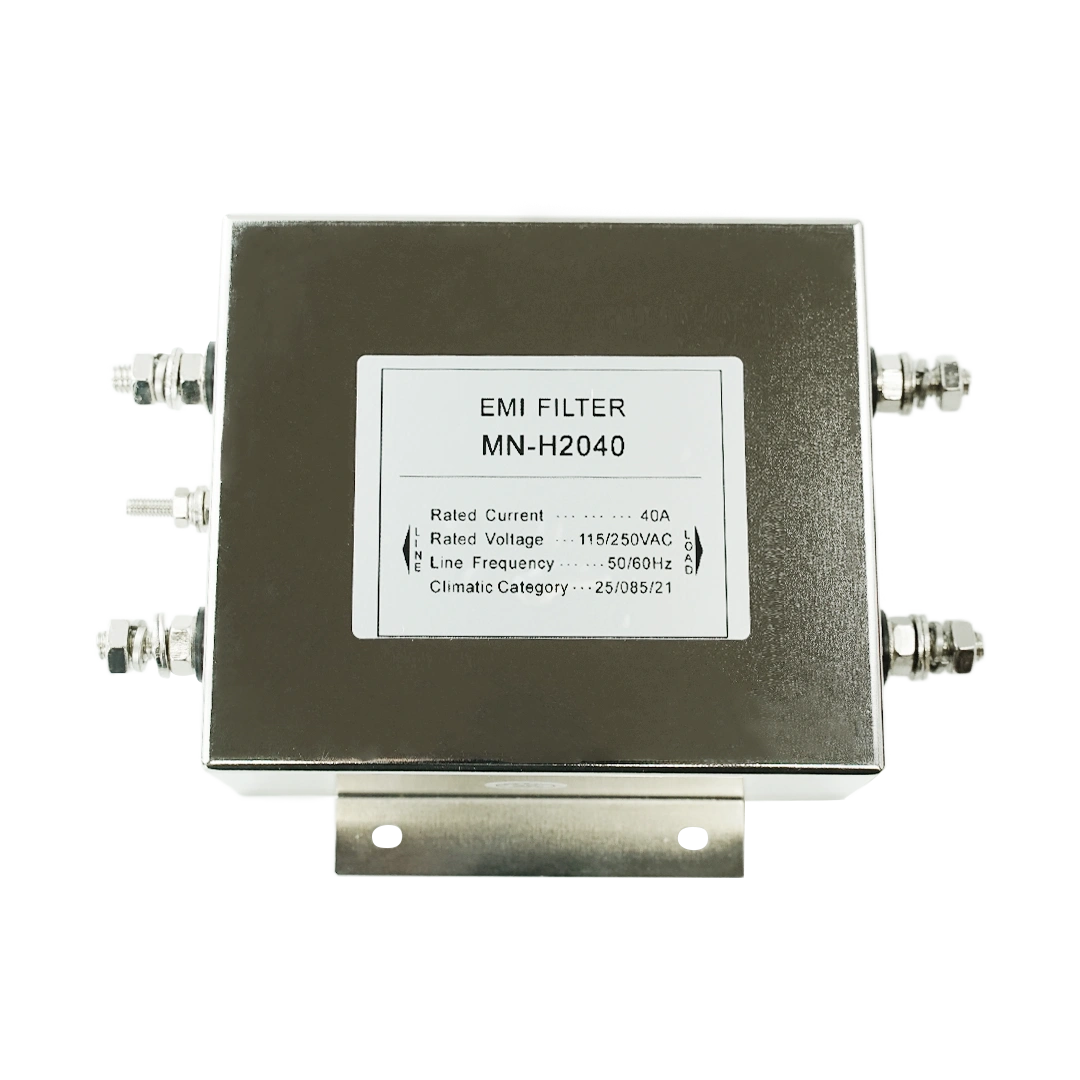
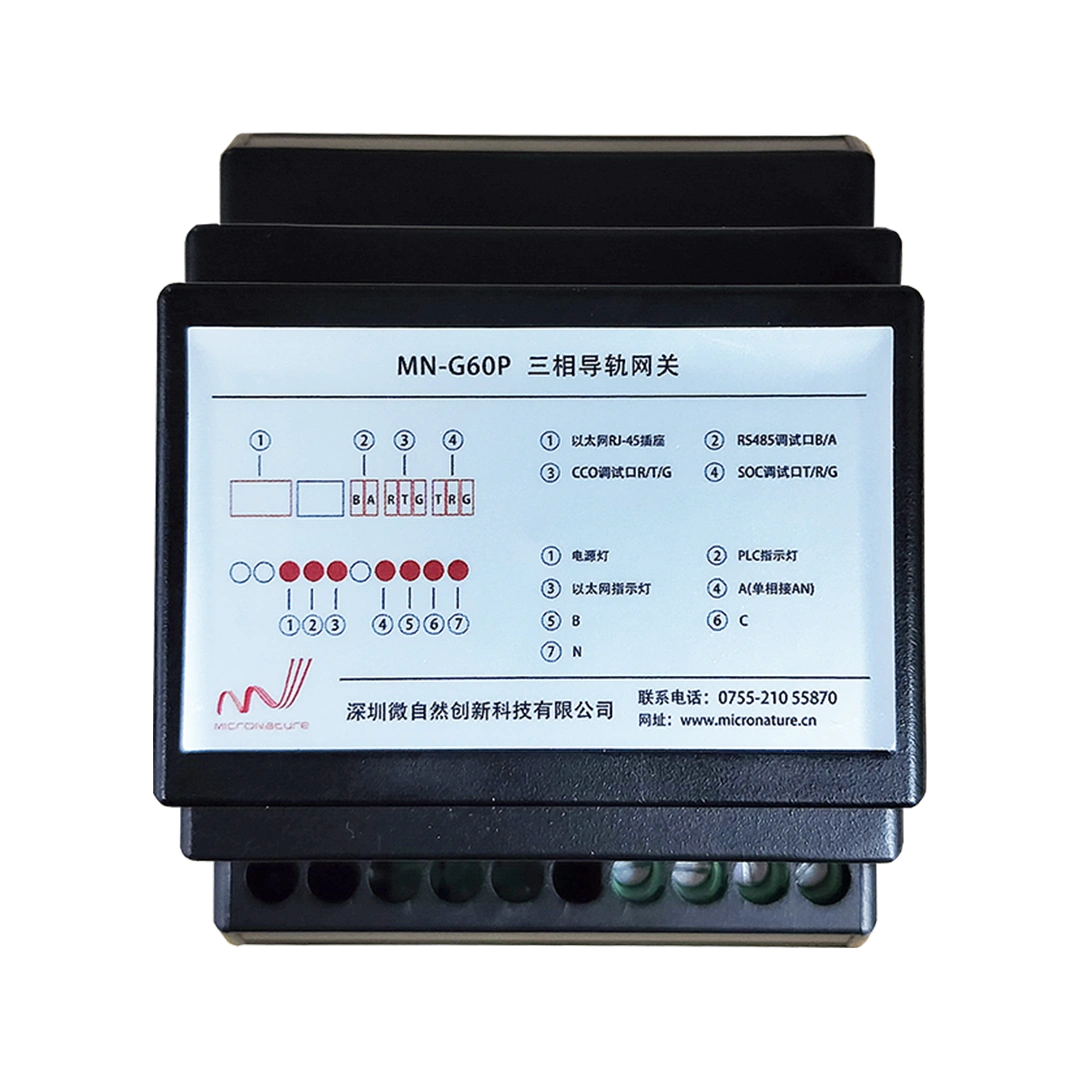
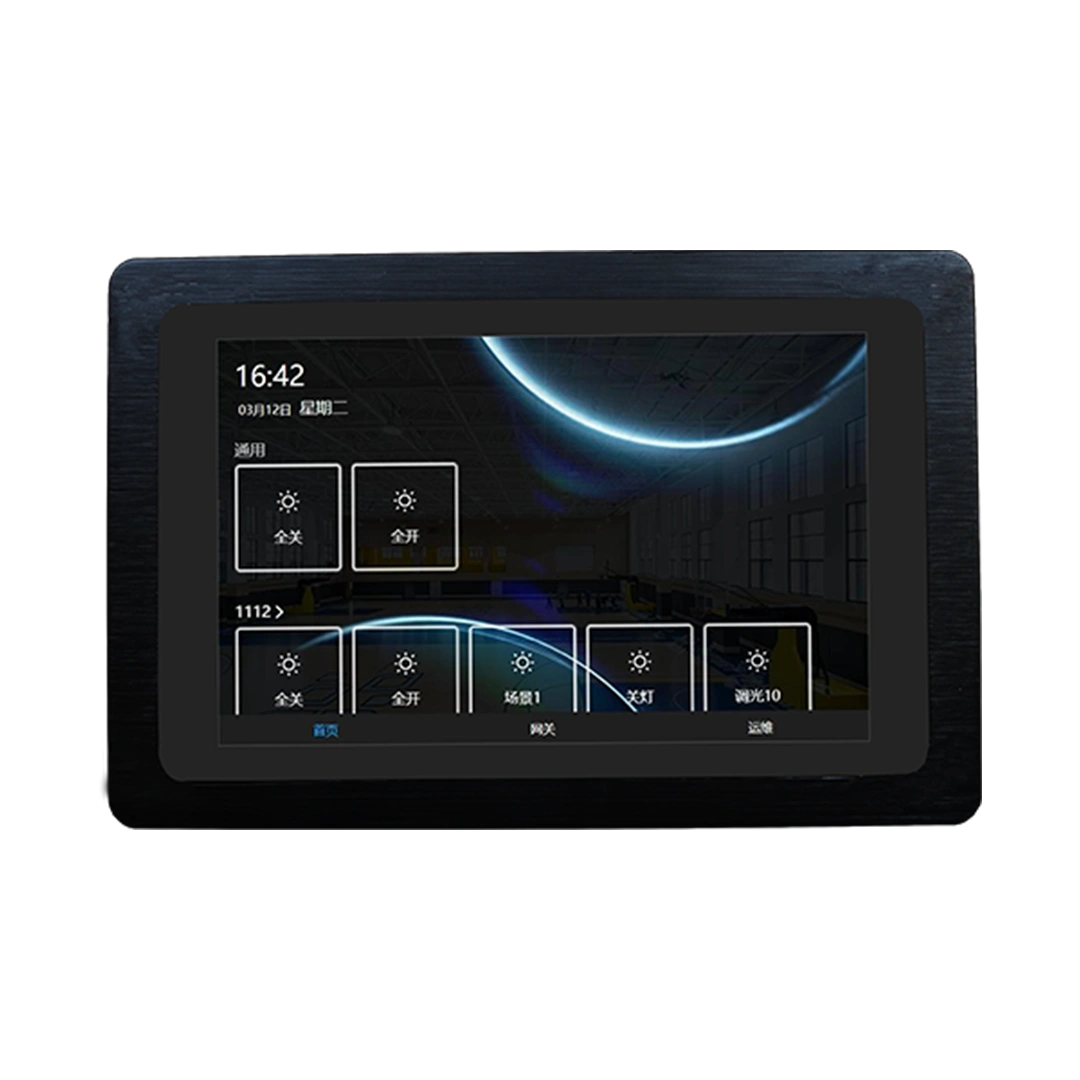
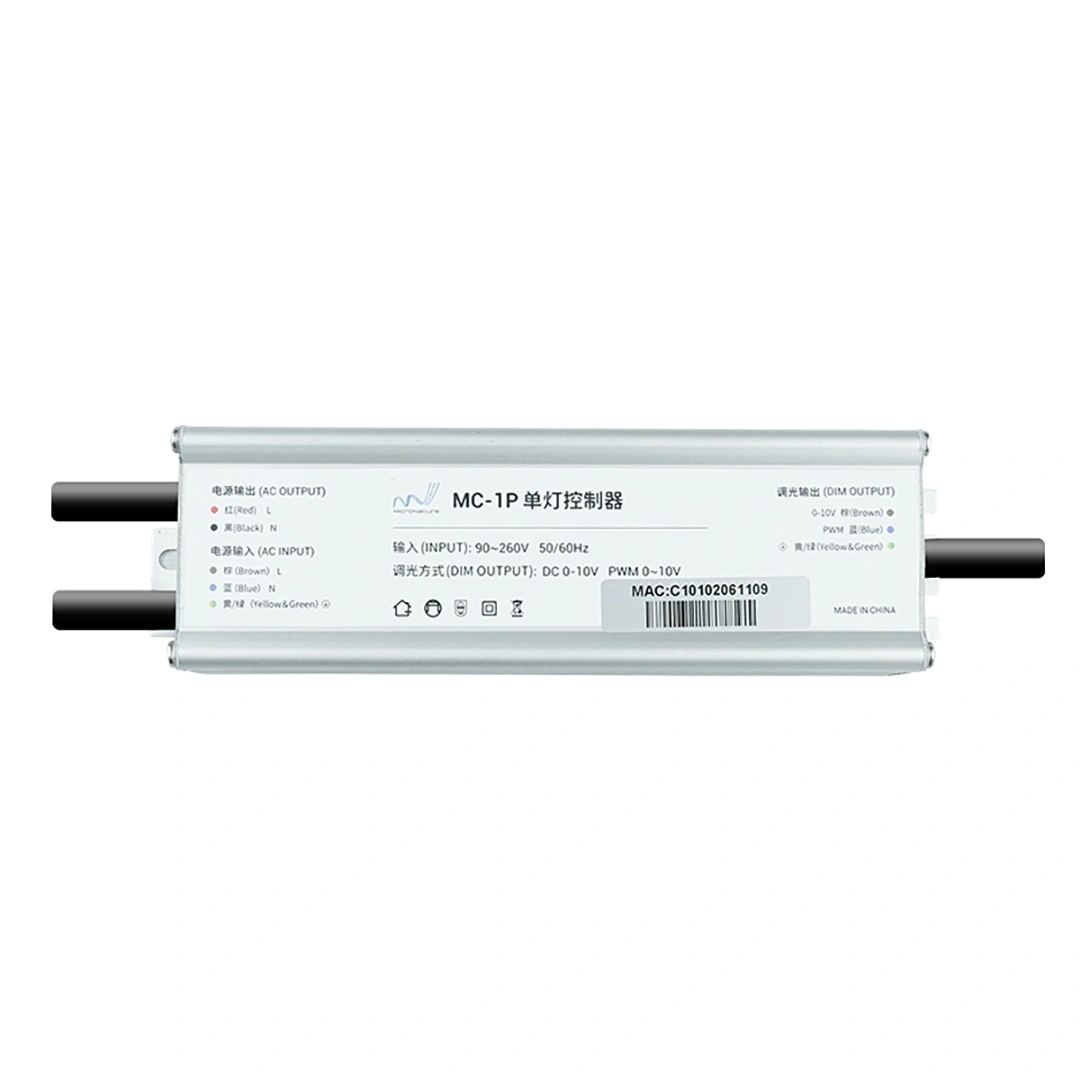
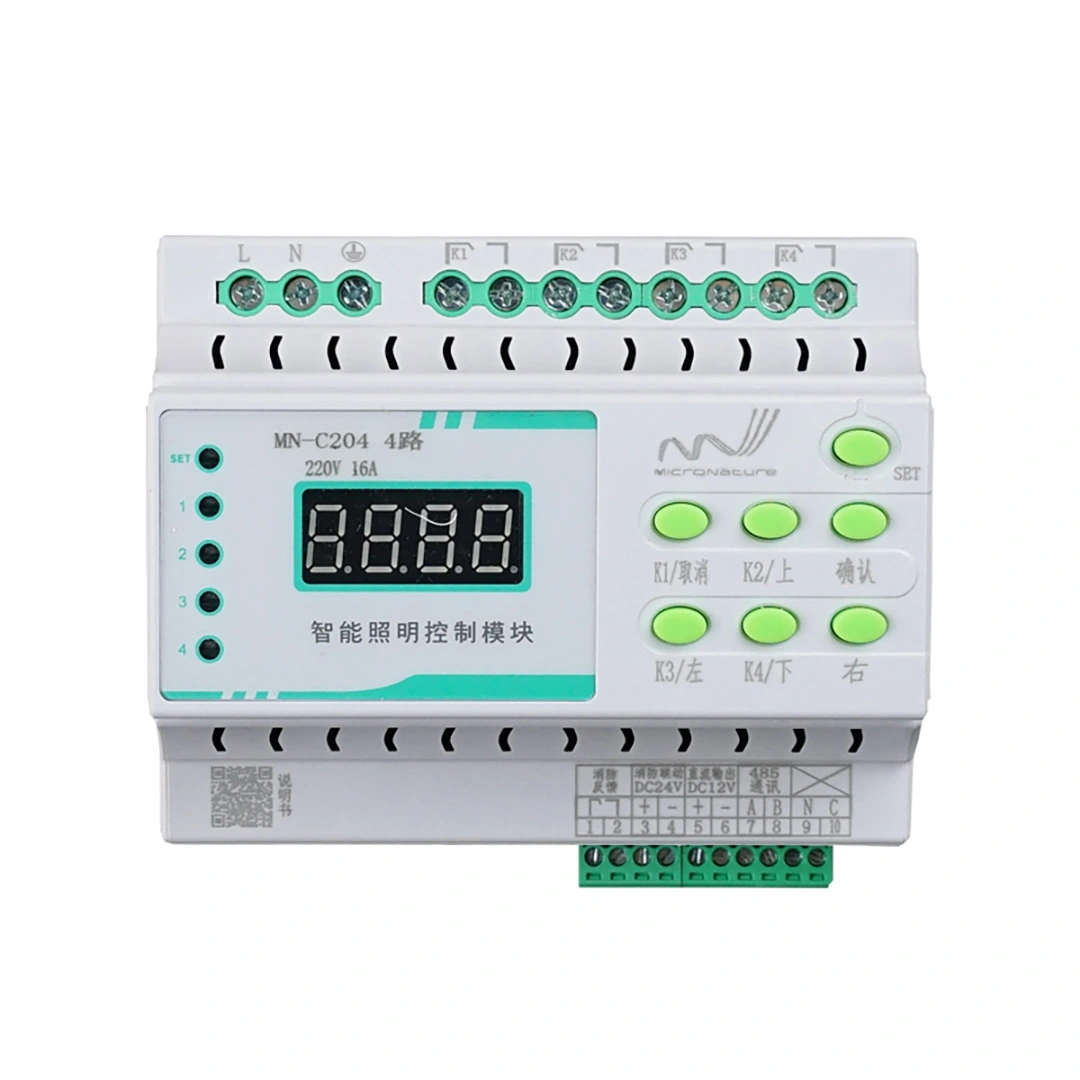
To make it easier for you to access this information, we provide high-quality product images and detailed technical datasheets for all our PLC lighting products. Our product images showcase the design and construction of our lighting fixtures, giving you a visual understanding of their quality and durability. Our technical datasheets provide a comprehensive overview of each product's specifications, certifications, and features. These datasheets are available for download on our website, allowing you to easily compare different products and make an informed decision.
We understand that navigating the world of technical specifications and certifications can be complex. That's why our team of experts is always available to answer your questions and provide guidance. We can help you understand the implications of different specifications and certifications, ensuring that you choose a PLC lighting system that meets your specific requirements and provides a safe and reliable lighting solution for your power plant.
Comparison with Alternative Technologies
Choosing the right lighting technology for your power plant involves carefully weighing the pros and cons of various options. While traditional lighting technologies like high-pressure sodium (HPS) and metal halide have been used for years, PLC-controlled LED lighting offers several distinct advantages. Understanding these differences is crucial for making an informed decision that aligns with your power plant's operational and financial goals.
One of the key advantages of PLC-controlled LED lighting is its superior energy efficiency. LED lights consume significantly less energy than traditional lighting technologies, resulting in substantial cost savings over time. PLC control further enhances this efficiency by allowing you to precisely adjust light levels based on real-time needs. For example, you can dim lights in areas where less illumination is required, or turn them off completely when they are not needed. This level of control is not possible with traditional lighting systems, which typically operate at a fixed light output.
Another advantage of PLC-controlled LED lighting is its longer lifespan. LED lights last significantly longer than traditional lighting technologies, reducing the frequency of replacements and minimizing maintenance costs. This is particularly important in power plants, where lighting maintenance can be challenging and expensive due to the height and complexity of the lighting fixtures. PLC control can further extend the lifespan of LED lights by optimizing their operating conditions and preventing overheating.
In addition to energy efficiency and lifespan, PLC-controlled LED lighting offers superior lighting quality. LED lights provide a brighter, more uniform light output than traditional lighting technologies, improving visibility and enhancing safety in the power plant. PLC control allows you to customize the color temperature of the lights, creating a more comfortable and productive work environment. Furthermore, LED lights do not flicker or produce harmful UV radiation, making them a safer and healthier option for your employees.
To help you compare PLC-controlled LED lighting with other industrial lighting technologies, we've created a detailed comparison table that highlights the key differences in performance, price, and ease of maintenance. This table provides a side-by-side comparison of LED, HPS, and metal halide lighting, allowing you to quickly assess the advantages and disadvantages of each technology. We also provide information on the payback period for PLC-controlled LED lighting, demonstrating how quickly you can recoup your investment through energy savings and reduced maintenance costs.
Downloadable Resources & White Papers
Gaining a comprehensive understanding of PLC lighting and its application in power plants requires access to detailed information and expert insights. That's why we offer a range of downloadable resources and white papers that provide in-depth knowledge on various aspects of PLC lighting technology.
Our white papers cover a wide range of topics, from the fundamentals of PLC control to advanced lighting strategies for power plants. These papers are written by our team of experienced engineers and lighting experts, providing you with valuable insights and practical guidance. For example, one white paper focuses on the benefits of using PLC lighting to improve energy efficiency in power plants, while another explores the use of PLC lighting to enhance safety and security. Each white paper includes detailed explanations, diagrams, and case studies to help you understand the concepts and apply them to your own power plant.
In addition to white papers, we also offer a variety of technical manuals and guides that provide detailed instructions on how to install, configure, and maintain our PLC lighting systems. These manuals include step-by-step instructions, wiring diagrams, and troubleshooting tips to help you ensure the optimal performance of your lighting system. We also offer training videos that demonstrate key procedures and best practices.
To make it easy for you to access these resources, we've created a dedicated downloads page on our website. This page is organized by topic and includes a brief description of each resource, making it easy to find the information you need. All of our downloadable resources are available in PDF format, allowing you to easily view and print them. We also offer the option to request hard copies of our manuals and guides.
We are constantly updating our library of downloadable resources to ensure that you have access to the latest information and best practices in PLC lighting. We encourage you to visit our downloads page regularly to stay informed about the latest developments in PLC lighting technology.
Interactive FAQs & Troubleshooting Guides
Even with the best planning and implementation, questions and technical issues can arise when using a complex system like PLC-controlled power plant lighting. To ensure you have the support you need, we've developed interactive FAQs and troubleshooting guides designed to provide quick and effective solutions to common problems.
Our interactive FAQs cover a wide range of topics, from basic questions about PLC lighting to more complex technical issues. These FAQs are designed to be user-friendly and easy to navigate, allowing you to quickly find the answers you need. We use a clear and concise language, avoiding technical jargon whenever possible. Each FAQ includes a detailed explanation of the issue, along with step-by-step instructions on how to resolve it.
In addition to FAQs, we also offer a comprehensive troubleshooting guide that provides detailed instructions on how to diagnose and fix common problems with our PLC lighting systems. This guide covers a wide range of issues, from lighting failures to communication problems. It includes detailed diagrams and illustrations to help you understand the problem and identify the correct solution. We also provide a list of common error codes and their corresponding solutions.
To make our FAQs and troubleshooting guides even more useful, we encourage user feedback and ratings. This allows us to continuously improve our resources and ensure that they are meeting the needs of our customers. We also monitor user comments and questions, and we use this feedback to update our FAQs and troubleshooting guides with new information and solutions.
Our goal is to provide you with the support you need to keep your PLC lighting system running smoothly and efficiently. We are committed to providing timely and effective solutions to any technical issues you may encounter. If you are unable to find the answer to your question in our FAQs or troubleshooting guide, our team of experts is always available to provide assistance. You can contact us by phone, email, or through our website.