Modern urban street lighting systems are evolving quickly. Traditional lighting networks are becoming intelligent and connected. Cities require lighting systems that are flexible, scalable, and easy to deploy across wide geographic areas.Urban street lighting using 4G NEMA controllers has become a preferred solution for municipalities that need reliable wireless communication and centralized lighting management without extensive rewiring.By combining 4G wireless communication, NEMA-standard interfaces, and DALI dimming control, modern lighting systems can support smart city initiatives while reducing operational complexity. Urban 4G NEMA street lighting allows cities to deploy scalable and reliable lighting systems across wide urban areas.
Why Urban Street Lighting Requires Smart Wireless Control
Urban lighting infrastructure presents several challenges:
- Large geographic coverage
- Mixed urban environments
- Limited communication infrastructure
- Frequent expansion of road networks
Traditional wired communication systems can be difficult to deploy across growing urban areas. Wireless technologies provide flexibility, especially when integrated into standardized NEMA socket designs.
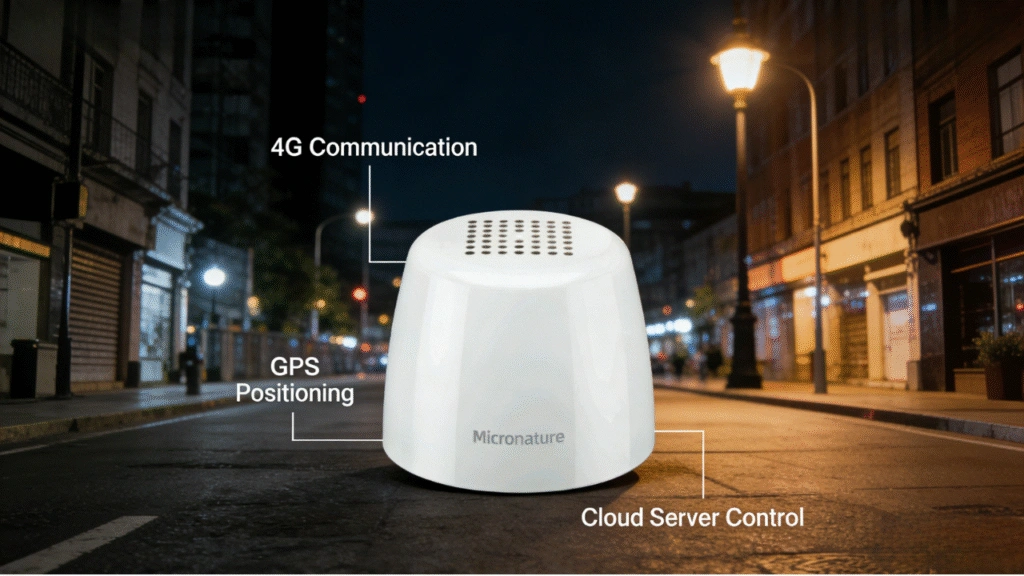
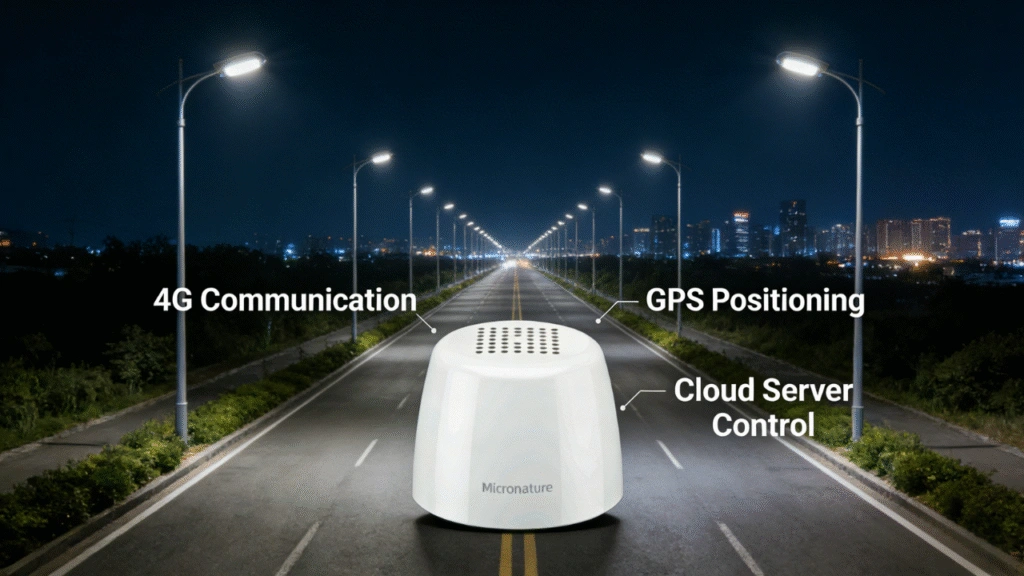
4G communication allows each streetlight to operate as an independent communication node, ensuring fast deployment and reliable network connectivity.
Urban Street Lighting Using 4G NEMA Controllers Architecture
A typical system includes several components working together to create a centralized lighting network.
Core Components:
- 4G NEMA lighting controllers
- LED streetlights with DALI drivers
- Centralized SaaS lighting platform
- Cloud-based management server
- Mobile monitoring interface
Urban Smart Street Lighting Architecture Using 4G NEMA Controllers
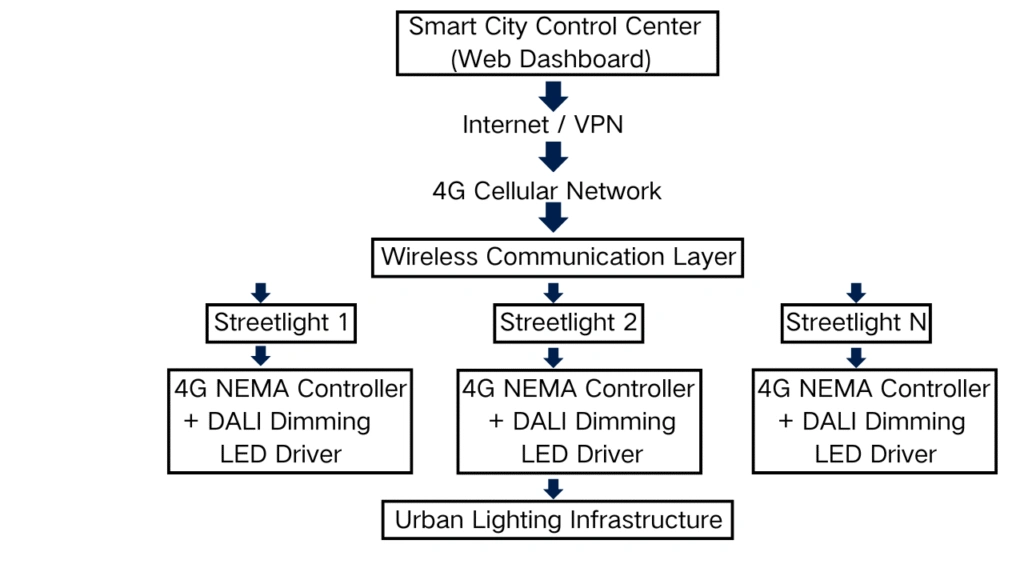
Each luminaire is equipped with a 4G NEMA controller, which communicates directly with the cloud platform through cellular networks. This architecture eliminates the need for intermediate communication gateways.
How 4G NEMA Controllers Work in Urban Street Lighting
The operation process follows a simple but powerful workflow:
Step 1 — Installation
4G NEMA controllers are installed on streetlight fixtures using standard NEMA sockets.
This ensures:
- Fast deployment
- Plug-and-play compatibility
- Minimal installation labor
Step 2 — Wireless Network Connection
Once powered, the controller connects automatically to the 4G cellular network.
This allows:
- Real-time communication
- Remote access
- Reliable signal coverage
Step 3 — Centralized Lighting Control
The centralized SaaS lighting platform manages:
- Lighting schedules
- Brightness adjustment
- Fault detection
- Energy monitoring
Operators can access lighting data from any web browser or mobile device.
Step 4 — Adaptive Lighting and Monitoring
Advanced systems support:
- Dimming control
- Time-based scheduling
- Energy optimization
- Alarm notifications
This enables cities to reduce power consumption while maintaining lighting safety.
Advantages of Using 4G NEMA Controllers in Urban Lighting Projects
1. Rapid Deployment
4G-based communication eliminates the need for additional wiring or communication infrastructure.
This significantly reduces:
- Installation time
- Engineering complexity
- Deployment cost
2. Scalable Citywide Networks
Urban lighting networks can expand without redesigning communication architecture.
New streetlights can be added easily by installing additional controllers.
3. Real-Time Fault Detection
System operators can detect:
- Lamp failures
- Power anomalies
- Communication faults
This reduces maintenance response time and improves service reliability.
4. Energy Efficiency Through Smart Dimming
Using DALI dimming technology, lighting levels can be adjusted based on:
- Traffic patterns
- Time schedules
- Environmental conditions
This reduces overall energy consumption.
Real-World Urban Deployment Scenario
Urban street lighting projects typically include:
- Main city roads
- Residential streets
- Urban intersections
- Public parks
- Highway access routes
In these environments, 4G NEMA controllers provide consistent communication without the need for complex wired networks.
This makes the system especially suitable for:
- Expanding cities
- New urban developments
- Infrastructure modernization projects
Integration with Smart City Platforms
Modern urban lighting systems must integrate with centralized smart city infrastructure.
4G NEMA controllers support:
- Cloud-based management platforms
- Data analytics tools
- Maintenance dashboards
- IoT integration systems
This allows lighting networks to become part of broader smart city ecosystems.
Future Trends in Urban Street Lighting
Urban lighting technologies are evolving rapidly, and future systems will include:
- AI-based lighting optimization
- Traffic-responsive dimming
- Environmental sensing
- Integration with smart transportation systems
4G-based lighting networks provide a strong foundation for these future innovations.