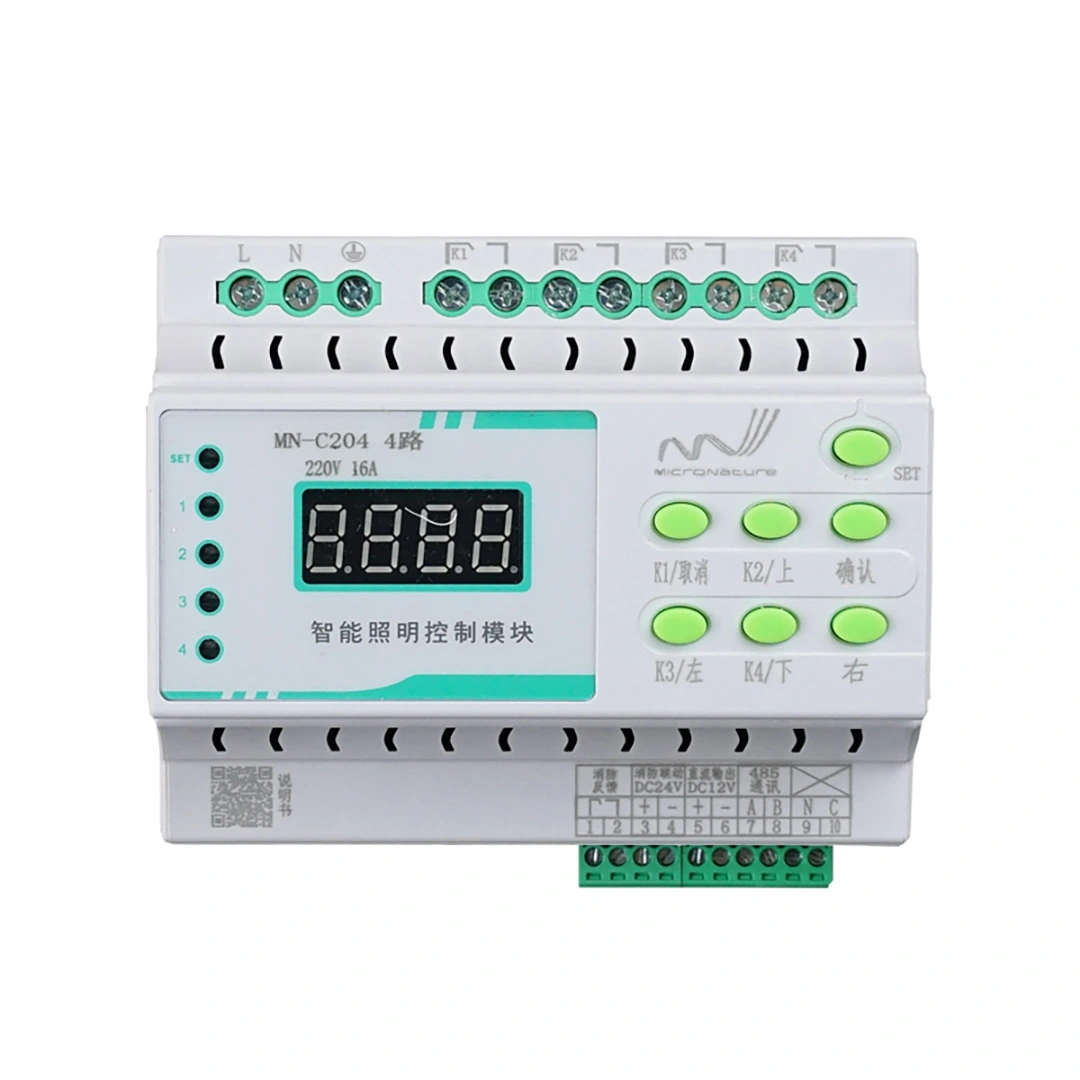
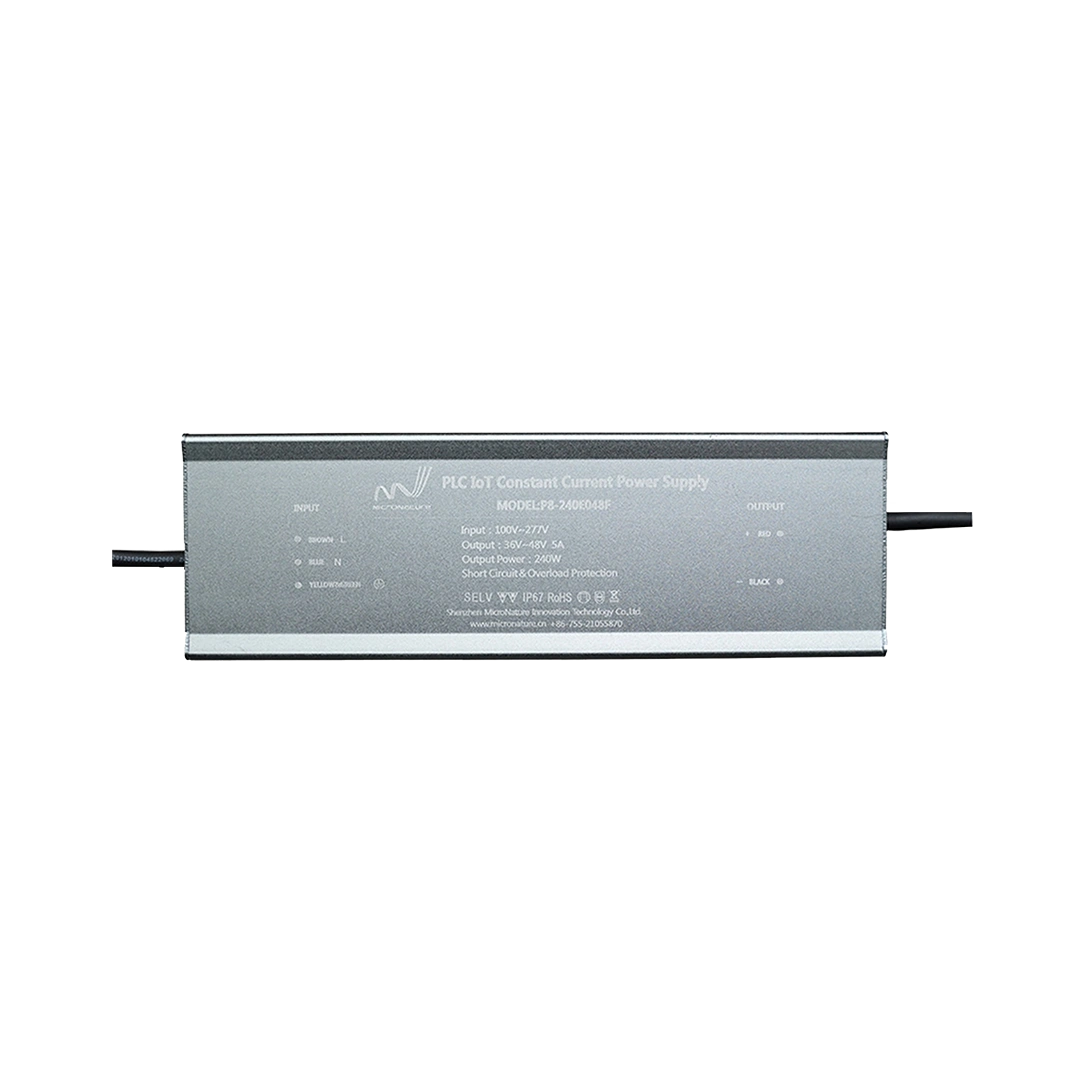
Advanced PLC Features & Benefits
Power Line Communication (PLC) technology offers a robust and reliable solution for smart street lighting, distinguished by its inherent stability, extensive coverage, and resilience to interference. Unlike wireless technologies that rely on radio frequencies, PLC leverages existing power lines to transmit data, creating a secure and dependable communication network. This eliminates the need for additional wiring or complex infrastructure, simplifying deployment and reducing costs. The advantages of PLC in street lighting applications are multifaceted, addressing key challenges in urban environments and delivering superior performance compared to alternative technologies.
High Stability: PLC systems are known for their exceptional stability, ensuring consistent and uninterrupted communication between lighting controllers and the central management system. This stability is crucial for maintaining optimal lighting levels, responding to real-time conditions, and preventing disruptions that can compromise safety and efficiency. Factors contributing to PLC's stability include its use of shielded power lines, which minimize external interference, and its ability to adapt to fluctuating power conditions. Advanced PLC systems also incorporate error correction mechanisms to ensure data integrity and reliability, even in challenging environments.
Long-Distance Coverage: PLC technology excels in providing extensive coverage, making it ideal for large-scale street lighting deployments. The ability to transmit data over long distances without significant signal degradation is a key advantage, particularly in sprawling urban areas or rural settings with sparse infrastructure. Repeaters or signal boosters can further extend the range of PLC networks, ensuring seamless communication across entire cities or regions. This eliminates the need for multiple communication hubs or gateways, simplifying network architecture and reducing overall system costs.
Low Interference: PLC systems are designed to minimize interference, ensuring reliable communication even in environments with high levels of electromagnetic noise. This is achieved through advanced modulation techniques, filtering mechanisms, and error correction protocols. By operating within specific frequency bands and employing robust communication protocols, PLC systems can effectively mitigate the impact of external interference, maintaining stable and consistent performance. This is particularly important in urban environments with numerous sources of electromagnetic interference, such as radio transmitters, industrial equipment, and electronic devices.
Comparison with Other Technologies: While technologies like LoRa and Zigbee offer wireless communication solutions for smart street lighting, they have limitations in terms of stability, coverage, and interference resistance. LoRa, for example, is susceptible to interference from other radio devices and may experience coverage gaps in densely populated areas. Zigbee, while offering low power consumption, has a limited range and may require a mesh network to cover large areas, increasing complexity and cost. PLC, on the other hand, provides a more robust and reliable solution, leveraging existing power lines to ensure consistent communication and minimizing the impact of external interference. The following table provides a comparison of PLC with LoRa and Zigbee:
| Feature |
PLC |
LoRa |
Zigbee |
| Stability |
High |
Moderate |
Moderate |
| Coverage |
Long |
Moderate |
Short |
| Interference Resistance |
High |
Low |
Moderate |
| Infrastructure |
Existing Power Lines |
Requires Gateways |
Requires Mesh Network |
| Cost |
Moderate |
Low |
Moderate |
In summary, PLC technology offers a compelling solution for smart street lighting, providing high stability, long-distance coverage, and low interference. Its ability to leverage existing power lines simplifies deployment and reduces costs, making it an attractive option for municipalities and urban planners seeking to enhance their street lighting infrastructure.
Case Studies & Real-World Applications
PLC street lighting solutions have been successfully deployed in a variety of real-world applications, demonstrating their versatility and effectiveness in different environments. From bustling city streets to expansive tunnels and parking lots, PLC technology has proven its ability to enhance safety, improve energy efficiency, and reduce operational costs. These case studies provide concrete examples of the benefits of PLC street lighting and highlight its potential for transforming urban infrastructure.
City Streets: Many cities have adopted PLC street lighting to improve safety and reduce energy consumption. For example, the city of Barcelona implemented a PLC-based smart street lighting system that allows remote monitoring and control of individual light fixtures. This has resulted in significant energy savings and improved lighting quality, enhancing safety for residents and visitors. The system also enables adaptive lighting, adjusting brightness levels based on real-time conditions such as traffic volume and pedestrian activity. This reduces energy waste and minimizes light pollution.
Tunnels: PLC street lighting is particularly well-suited for tunnel applications, where reliable communication is critical for safety. Tunnels often present challenging environments for wireless communication due to signal attenuation and interference. PLC, however, can leverage existing power lines within the tunnel to provide a stable and dependable communication network. This enables remote monitoring and control of lighting fixtures, ensuring optimal visibility and safety for drivers. In the Mont Blanc Tunnel, a PLC-based lighting system has been implemented to provide consistent and reliable lighting, even in the event of a power outage. The system also includes emergency lighting features that automatically activate in the event of an incident.
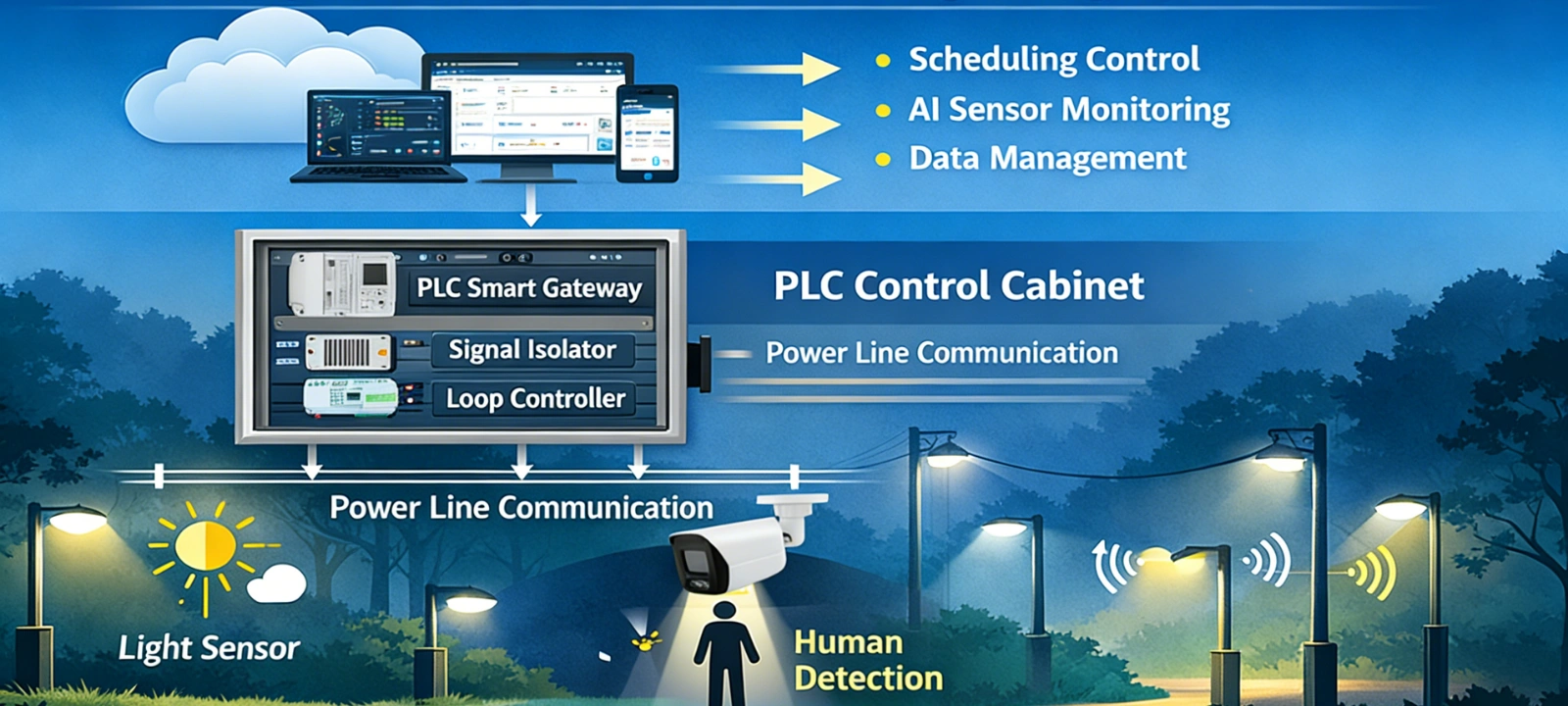
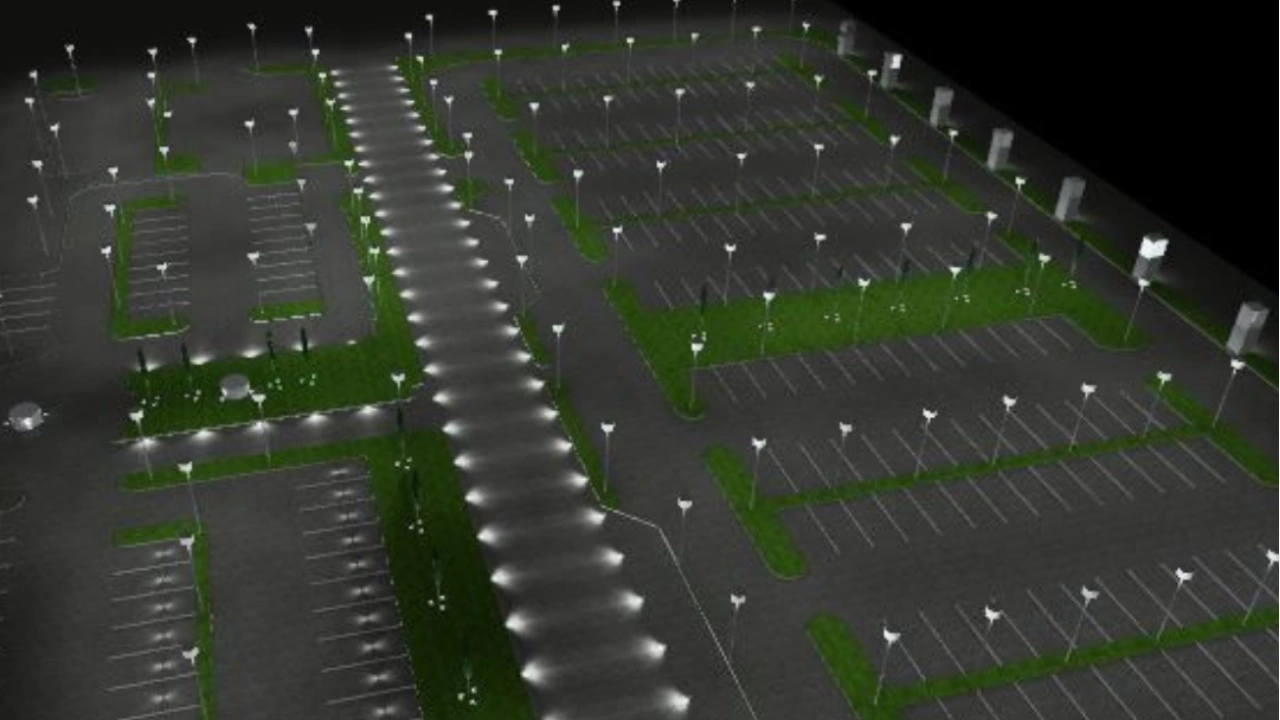
Parking Lots: PLC street lighting can also be used to improve safety and security in parking lots. By integrating PLC-based lighting controllers with motion sensors and cameras, parking lot operators can create a smart lighting system that responds to real-time conditions. When motion is detected, the lighting level can be automatically increased to deter crime and improve visibility for pedestrians and drivers. The system can also send alerts to security personnel in the event of suspicious activity. In a large parking lot in Chicago, a PLC-based lighting system has been implemented to reduce crime and improve safety. The system has resulted in a significant decrease in theft and vandalism, making the parking lot a safer and more welcoming environment.
Client Testimonials: The success of PLC street lighting is reflected in the positive feedback from clients who have implemented the technology. Municipalities and urban planners have praised PLC for its reliability, energy efficiency, and ease of deployment. EPC contractors and system integrators have also lauded PLC for its versatility and scalability. These testimonials provide valuable insights into the real-world benefits of PLC street lighting and underscore its potential for transforming urban infrastructure. For example, the mayor of Barcelona stated, "The PLC-based smart street lighting system has significantly improved the quality of life for our citizens, enhancing safety, reducing energy consumption, and creating a more sustainable urban environment."
Data and Metrics: The effectiveness of PLC street lighting is supported by concrete data and metrics. Studies have shown that PLC-based smart street lighting systems can reduce energy consumption by up to 40% compared to traditional lighting systems. They can also improve lighting quality, reduce maintenance costs, and enhance safety. These data and metrics provide compelling evidence of the benefits of PLC street lighting and demonstrate its potential for delivering significant cost savings and environmental benefits.
How to Implement PLC Street Lighting
Implementing a PLC street lighting system involves a systematic approach that encompasses planning, installation, configuration, and maintenance. This step-by-step guide provides a comprehensive overview of the process, ensuring a smooth and successful deployment. Whether you are upgrading an existing street lighting infrastructure or installing a new system, this guide will provide the necessary information and insights to achieve optimal performance and efficiency.
Step 1: Planning and Design: The first step in implementing a PLC street lighting system is to conduct a thorough planning and design phase. This involves assessing the existing infrastructure, identifying specific requirements, and selecting the appropriate PLC components. Key considerations include the number of streetlights, the distance between fixtures, the power grid configuration, and the desired level of control and automation. A detailed site survey should be conducted to identify potential challenges and ensure optimal placement of PLC devices. The design should also take into account future expansion and scalability, allowing for easy integration of additional streetlights and features.
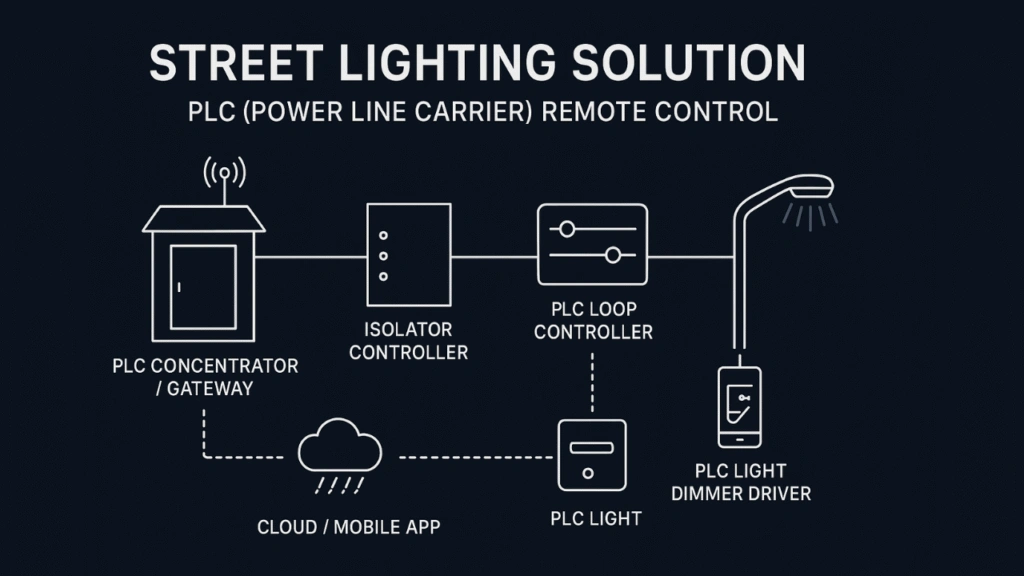
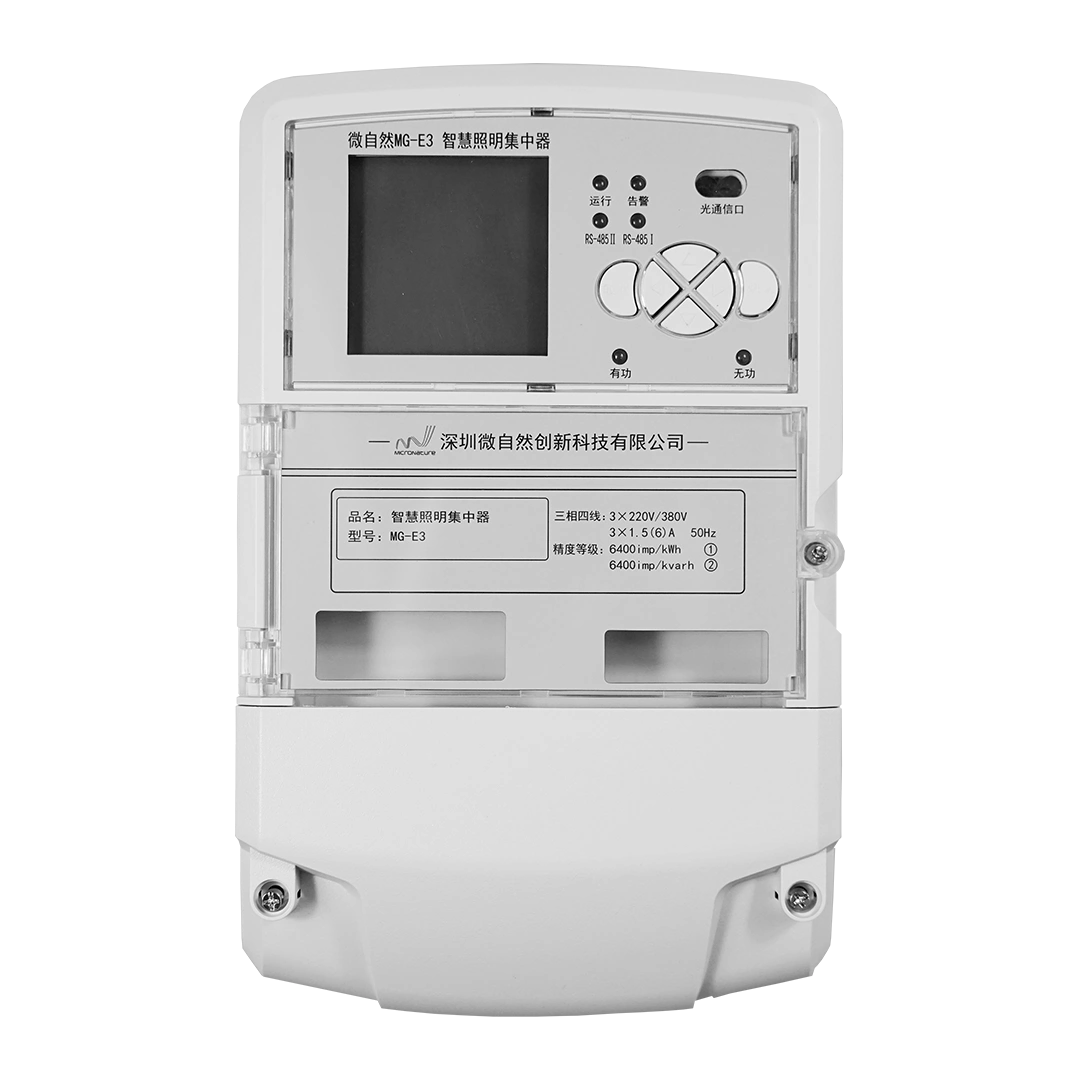
Step 2: Hardware Installation: The next step is to install the PLC hardware, including the central controller, lighting controllers, and any necessary repeaters or signal boosters. The central controller is typically installed in a central location, such as a control room or substation, and connected to the power grid. Lighting controllers are installed in each streetlight fixture, enabling individual control and monitoring. Repeaters or signal boosters may be required to extend the range of the PLC network, particularly in areas with long distances between fixtures or challenging terrain. Proper grounding and wiring are essential to ensure safe and reliable operation.
Step 3: Software Configuration: Once the hardware is installed, the next step is to configure the software that controls the PLC street lighting system. This involves setting up the communication parameters, defining lighting schedules, and configuring any desired automation features. The software should provide a user-friendly interface for monitoring and controlling the streetlights, allowing operators to adjust brightness levels, set timers, and respond to alarms. Remote access capabilities are also important, enabling operators to manage the system from any location. Cybersecurity measures should be implemented to protect the system from unauthorized access and cyber threats.
Step 4: Testing and Commissioning: After the software is configured, the system should be thoroughly tested and commissioned to ensure proper operation. This involves verifying communication between the central controller and the lighting controllers, testing the lighting schedules and automation features, and checking for any errors or malfunctions. A comprehensive testing plan should be developed to cover all aspects of the system, including power stability, signal strength, and data integrity. Any issues identified during testing should be promptly addressed and resolved before the system is fully commissioned.
Step 5: Maintenance and Support: Ongoing maintenance and support are essential to ensure the long-term performance and reliability of the PLC street lighting system. This includes regular inspections of the hardware and software, periodic maintenance of the lighting fixtures, and prompt response to any reported issues. A maintenance schedule should be established to ensure that all components are properly maintained and that any potential problems are identified and addressed before they escalate. Technical support should be readily available to assist with any questions or issues that may arise.
Comparative Analysis with Other Technologies
When considering smart street lighting solutions, it's essential to conduct a comparative analysis of different technologies to determine the best fit for specific needs and requirements. PLC, LoRa, Zigbee, and NB-IoT are among the most popular technologies for smart street lighting, each offering unique advantages and disadvantages. This section provides a comprehensive comparison of these technologies, focusing on key performance parameters such as range, data rate, latency, power consumption, and cost.
PLC (Power Line Communication): PLC leverages existing power lines for data transmission, eliminating the need for additional wiring. It offers high stability, long-distance coverage, and low interference, making it ideal for large-scale deployments in urban environments. However, PLC can be susceptible to noise on the power line, which may affect data transmission rates. The cost of PLC systems is generally moderate, depending on the complexity of the network and the features offered.
LoRa (Long Range): LoRa is a low-power, wide-area network (LPWAN) technology that offers long-range communication with minimal power consumption. It is well-suited for applications that require infrequent data transmission over long distances, such as remote monitoring and control. However, LoRa has a limited data rate and can be susceptible to interference from other radio devices. The cost of LoRa systems is relatively low, making it an attractive option for budget-conscious deployments.
Zigbee: Zigbee is a short-range, low-power wireless communication technology that is commonly used in mesh networks. It offers high data rates and low latency, making it suitable for applications that require real-time control and monitoring. However, Zigbee has a limited range and may require a mesh network to cover large areas, increasing complexity and cost. The cost of Zigbee systems is generally moderate, depending on the size and complexity of the network.
NB-IoT (Narrowband IoT): NB-IoT is a cellular communication technology that offers wide coverage and reliable connectivity. It is well-suited for applications that require secure and reliable data transmission over long distances, such as smart metering and asset tracking. However, NB-IoT has a relatively high power consumption and may require a cellular subscription. The cost of NB-IoT systems is generally high, making it a less attractive option for cost-sensitive deployments.
Standardized Performance Testing: To ensure a fair and accurate comparison of these technologies, standardized performance testing should be conducted under controlled conditions. This testing should evaluate key performance parameters such as range, data rate, latency, power consumption, and interference resistance. The results of this testing can be used to develop a comprehensive comparison matrix that highlights the strengths and weaknesses of each technology. The following table provides a comparison of PLC, LoRa, Zigbee, and NB-IoT based on standardized performance testing:
| Technology |
Range |
Data Rate |
Latency |
Power Consumption |
Cost |
| PLC |
Long |
Moderate |
Low |
Moderate |
Moderate |
| LoRa |
Long |
Low |
High |
Low |
Low |
| Zigbee |
Short |
High |
Low |
Low |
Moderate |
| NB-IoT |
Long |
Low |
High |
High |
High |
Application-Specific Analysis: In addition to standardized performance testing, it's important to consider the specific requirements of the application when selecting a smart street lighting technology. For example, if the application requires real-time control and monitoring, Zigbee may be a better choice than LoRa. If the application requires long-range communication with minimal power consumption, LoRa may be a better choice than Zigbee. PLC is generally a good choice for large-scale deployments in urban environments, while NB-IoT is well-suited for applications that require secure and reliable data transmission over long distances.
Cost-Benefit Analysis
A comprehensive cost-benefit analysis is crucial for evaluating the economic viability of PLC street lighting solutions. This analysis should consider all relevant costs, including installation costs, operating costs, and maintenance costs, as well as the potential benefits, such as energy savings, reduced maintenance, and improved safety. By quantifying these costs and benefits, municipalities and urban planners can make informed decisions about whether to invest in PLC street lighting.
Installation Costs: The installation costs of PLC street lighting systems typically include the cost of the PLC controllers, the cost of any necessary repeaters or signal boosters, and the cost of labor. The cost of the PLC controllers will depend on the number of streetlights, the features offered, and the vendor selected. The cost of repeaters or signal boosters will depend on the distance between fixtures and the terrain. The cost of labor will depend on the complexity of the installation and the prevailing wage rates. In some cases, the installation costs can be reduced by leveraging existing infrastructure, such as power poles and wiring.
Operating Costs: The operating costs of PLC street lighting systems typically include the cost of electricity, the cost of data transmission, and the cost of software maintenance. The cost of electricity will depend on the energy efficiency of the lighting fixtures and the local electricity rates. PLC systems generally reduce energy consumption, leading to significant cost savings. The cost of data transmission will depend on the communication technology used and the data usage. The cost of software maintenance will depend on the vendor selected and the level of support provided.
Energy Savings: One of the primary benefits of PLC street lighting is energy savings. By enabling remote monitoring and control of individual light fixtures, PLC systems can optimize lighting levels and reduce energy waste. For example, lighting levels can be automatically reduced during off-peak hours or when there is sufficient ambient light. PLC systems can also detect and report malfunctioning light fixtures, allowing for prompt maintenance and preventing energy waste. Studies have shown that PLC-based smart street lighting systems can reduce energy consumption by up to 40% compared to traditional lighting systems.
Reduced Maintenance: PLC street lighting can also reduce maintenance costs by enabling remote monitoring and diagnostics. PLC systems can detect and report malfunctioning light fixtures, allowing for prompt maintenance and preventing costly repairs. Remote diagnostics can also help identify the root cause of problems, reducing the need for on-site troubleshooting. By reducing maintenance costs, PLC street lighting can improve the overall economic viability of street lighting infrastructure.
Improved Safety: PLC street lighting can improve safety by enhancing visibility and deterring crime. By providing consistent and reliable lighting, PLC systems can reduce the risk of accidents and improve the overall safety of streets and public spaces. PLC systems can also be integrated with motion sensors and cameras to detect and respond to suspicious activity, further enhancing safety and security.
Return on Investment (ROI): A comprehensive cost-benefit analysis should calculate the return on investment (ROI) of PLC street lighting. The ROI is calculated by dividing the net benefits (benefits minus costs) by the total costs. A positive ROI indicates that the investment is economically viable. The ROI of PLC street lighting will depend on a variety of factors, including the installation costs, the operating costs, the energy savings, the reduced maintenance costs, and the improved safety. By carefully considering these factors, municipalities and urban planners can make informed decisions about whether to invest in PLC street lighting.
User Guides & Technical Documentation
Comprehensive user guides and technical documentation are essential for ensuring the successful implementation and operation of PLC street lighting systems. These resources provide detailed information on the installation, configuration, maintenance, and troubleshooting of PLC components, empowering users to effectively manage their street lighting infrastructure. Access to up-to-date documentation is crucial for maximizing the benefits of PLC technology and ensuring long-term performance and reliability.
Installation Manuals: Installation manuals provide step-by-step instructions on how to install PLC controllers, repeaters, and other hardware components. These manuals typically include detailed diagrams, wiring schematics, and safety precautions. Proper installation is essential for ensuring safe and reliable operation. The installation manuals should be easy to understand and follow, even for users with limited technical expertise.
Configuration Guides: Configuration guides provide instructions on how to configure the software that controls the PLC street lighting system. These guides typically include information on setting up communication parameters, defining lighting schedules, and configuring automation features. Proper configuration is essential for optimizing energy efficiency and ensuring that the system operates as intended. The configuration guides should be comprehensive and cover all aspects of the software.
Maintenance Procedures: Maintenance procedures provide instructions on how to maintain the PLC street lighting system, including regular inspections, periodic maintenance of lighting fixtures, and troubleshooting of common problems. Proper maintenance is essential for ensuring the long-term performance and reliability of the system. The maintenance procedures should be clear and concise, and they should include a schedule for routine maintenance tasks.
Troubleshooting Tips: Troubleshooting tips provide guidance on how to diagnose and resolve common problems with the PLC street lighting system. These tips can help users quickly identify and fix issues, minimizing downtime and preventing costly repairs. The troubleshooting tips should be organized by symptom and should provide step-by-step instructions on how to resolve each issue.
Download Links: Easy access to user guides and technical documentation is crucial for ensuring the successful implementation and operation of PLC street lighting systems. Download links should be prominently displayed on the website and in the product documentation. The documentation should be available in multiple languages to accommodate a global audience. The documentation should also be regularly updated to reflect the latest product features and improvements.
Multimedia Tutorials: In addition to written documentation, multimedia tutorials can be a valuable resource for users. These tutorials can provide step-by-step instructions on how to install, configure, maintain, and troubleshoot PLC street lighting systems. Multimedia tutorials can be particularly helpful for users who are new to PLC technology or who prefer visual learning. The tutorials should be professionally produced and should be easy to understand and follow.