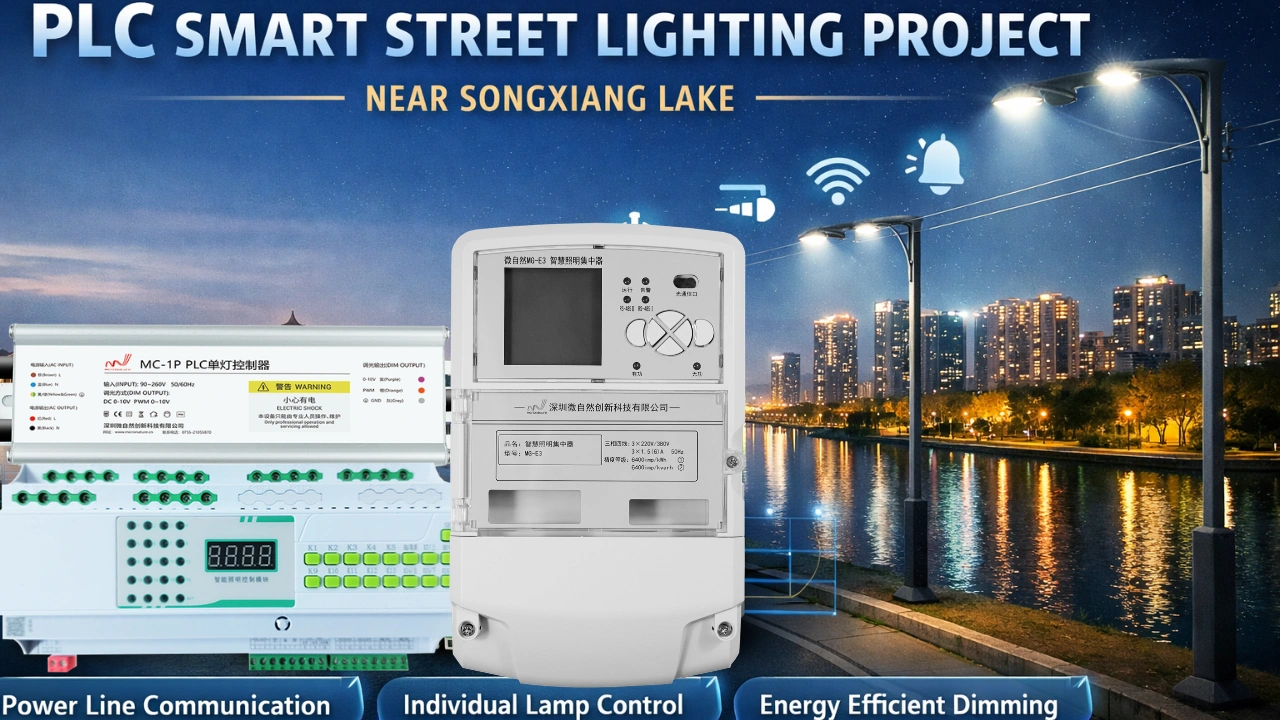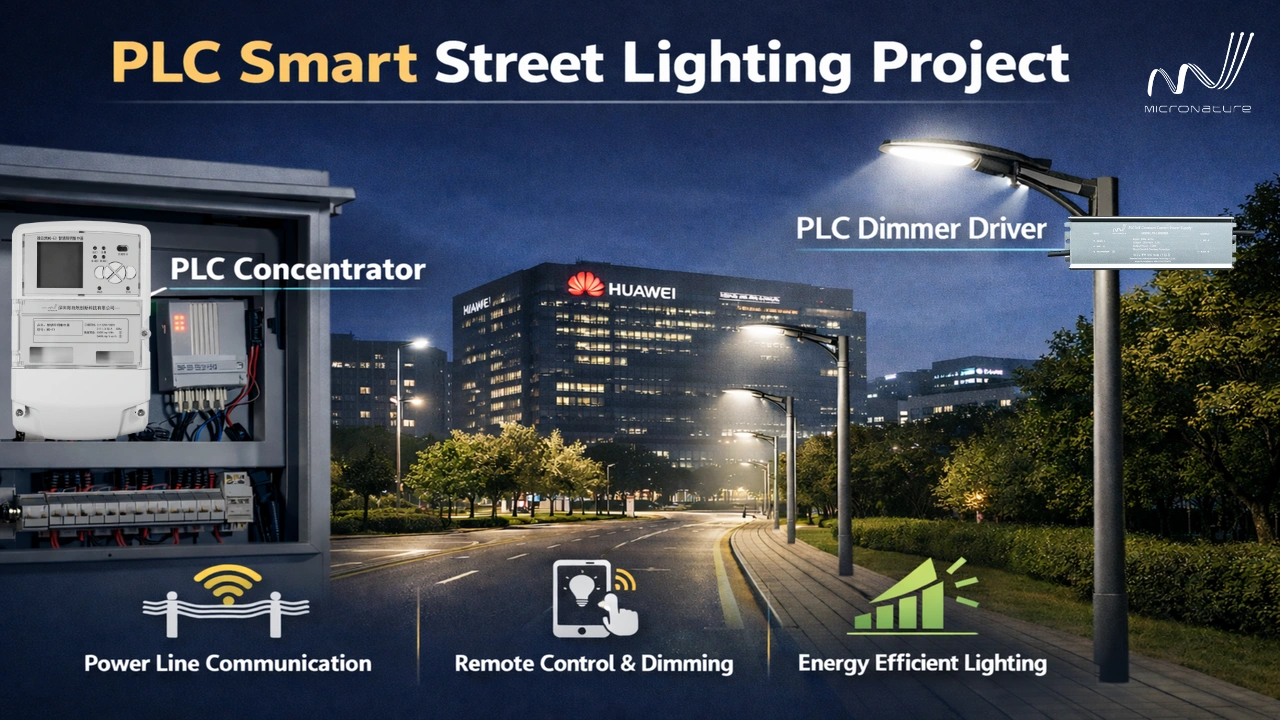

A PLC office lighting solution enables centralized control and intelligent management of lighting systems in modern office buildings. By using power line communication technology, lighting commands are transmitted through existing electrical wiring, allowing reliable operation, flexible scheduling, and energy-efficient lighting across multiple office zones. Learn more about smart building standards from: Institute of Electrical and Electronics Engineers (IEEE).
What is a PLC Office Lighting Solution?
A PLC office lighting solution is an intelligent lighting control system designed for office buildings and commercial workplaces. It allows centralized monitoring, dimming control, and automated scheduling of lighting fixtures using existing power lines as the communication network.
Typical office lighting zones include:
- Workstations
- Meeting rooms
- Corridors
- Reception areas
- Parking zones
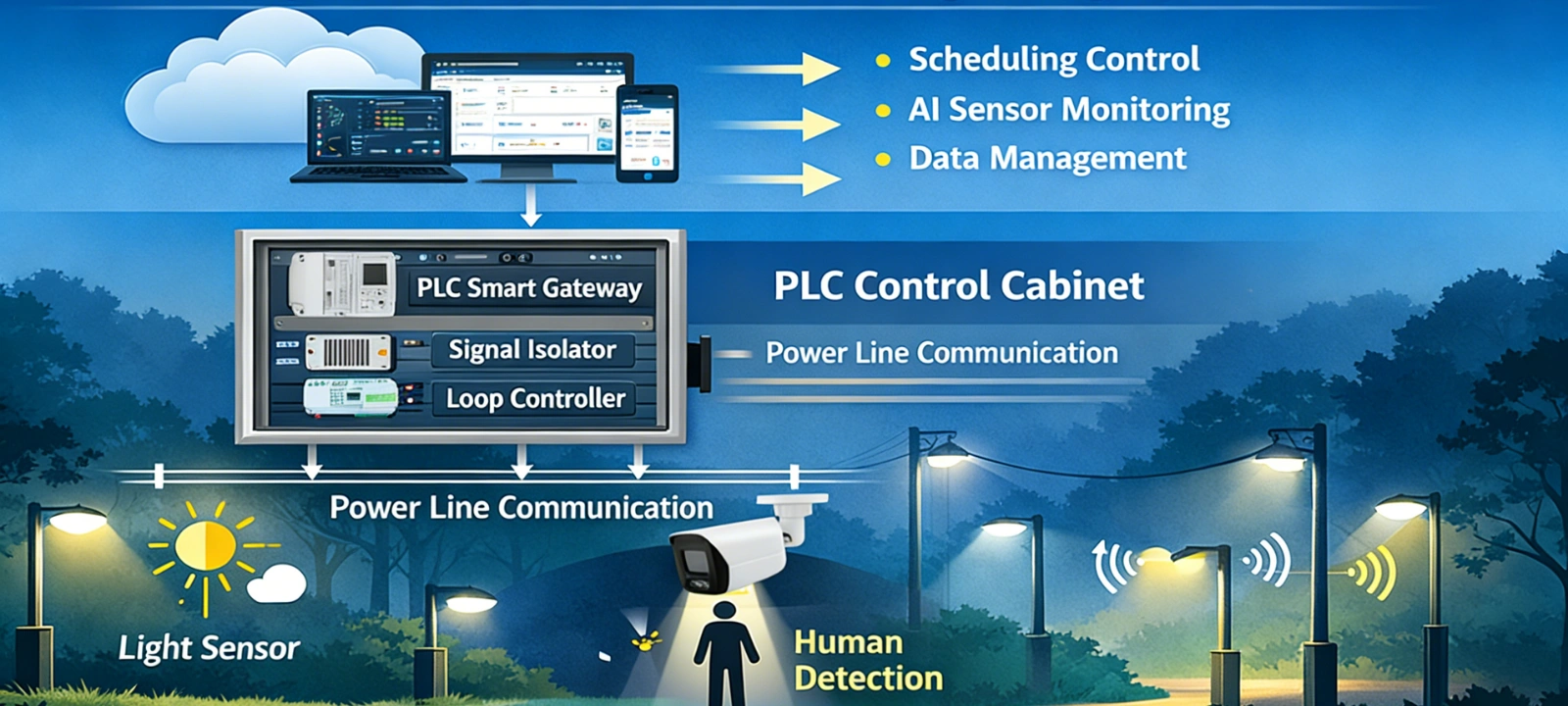
PLC Office Lighting System Architecture
Typical components include:
- PLC Data Concentrator
- PLC Lighting Controllers
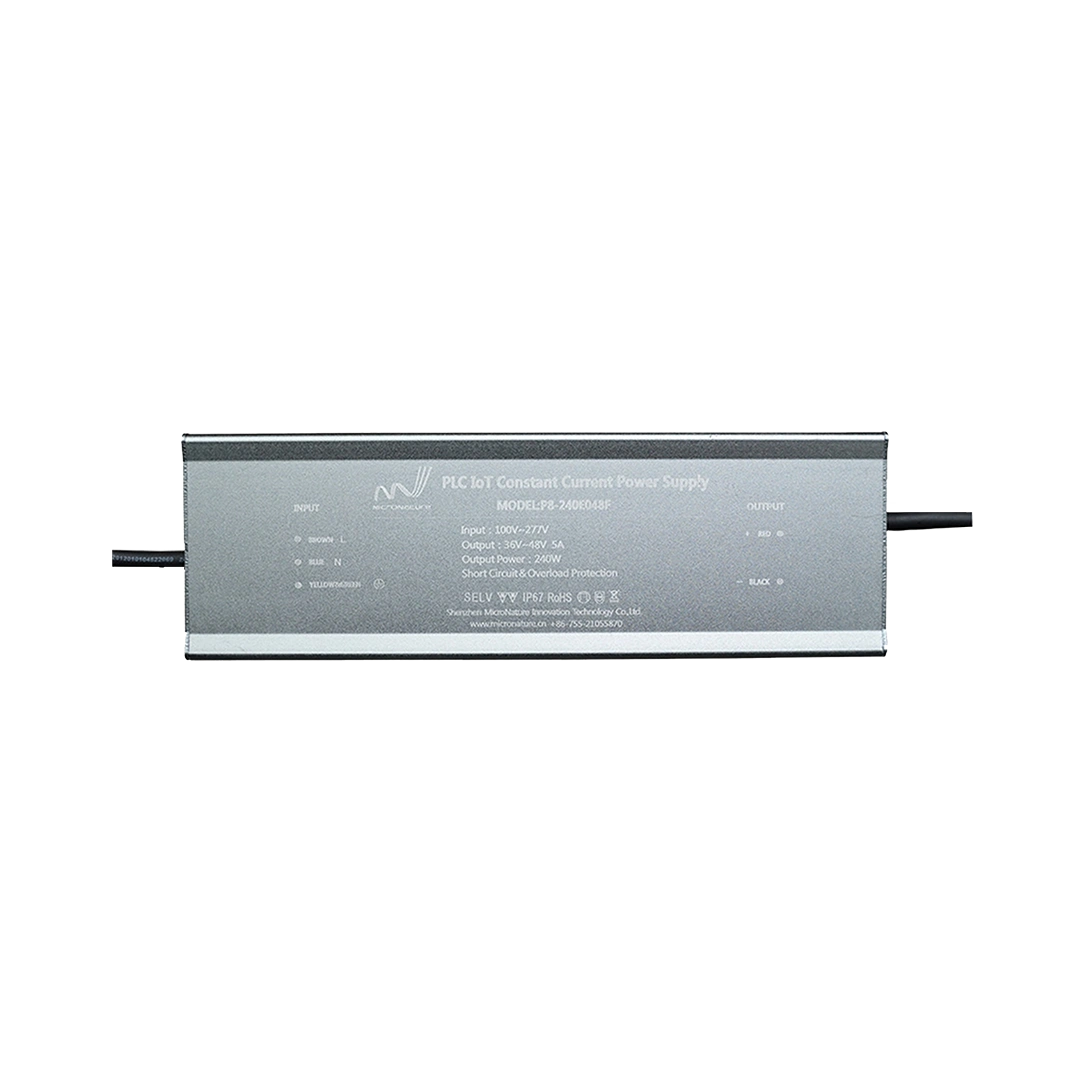
- LED Drivers
- Sensors (occupancy/daylight)
- Central Management Platform
Energy Saving Benefits of PLC Office Lighting
- Automatic shutdown during non-working hours
- Daylight-based dimming
- Occupancy-based lighting control
- Energy usage monitoring
2. System Components
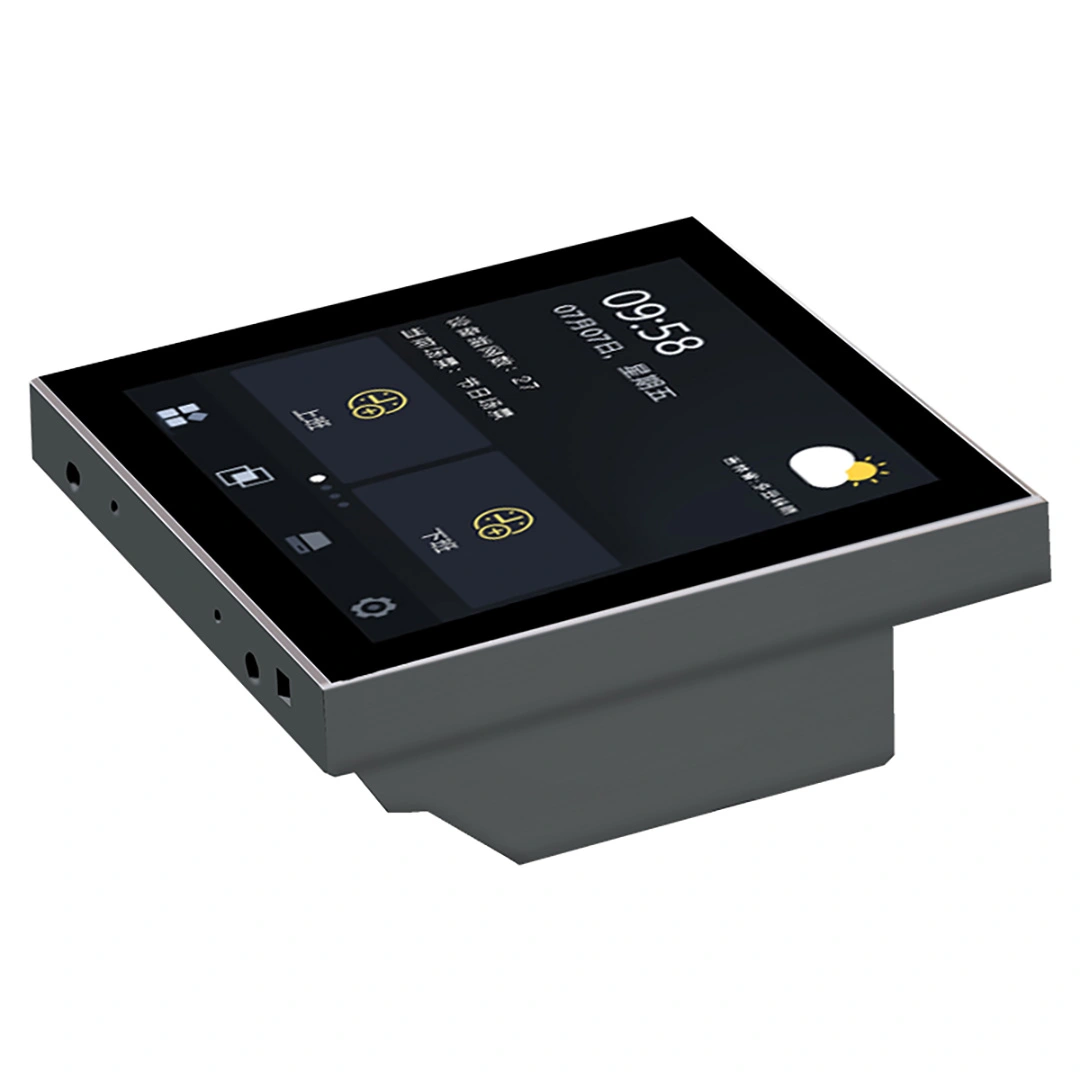
PLC Central Control Panel
Core of the lighting management system.
Monitors and manages all lighting devices via the PLC network.
Provides GUI for real-time status, fault alerts, and scheduling.
Connects to office network or cloud for remote App access.
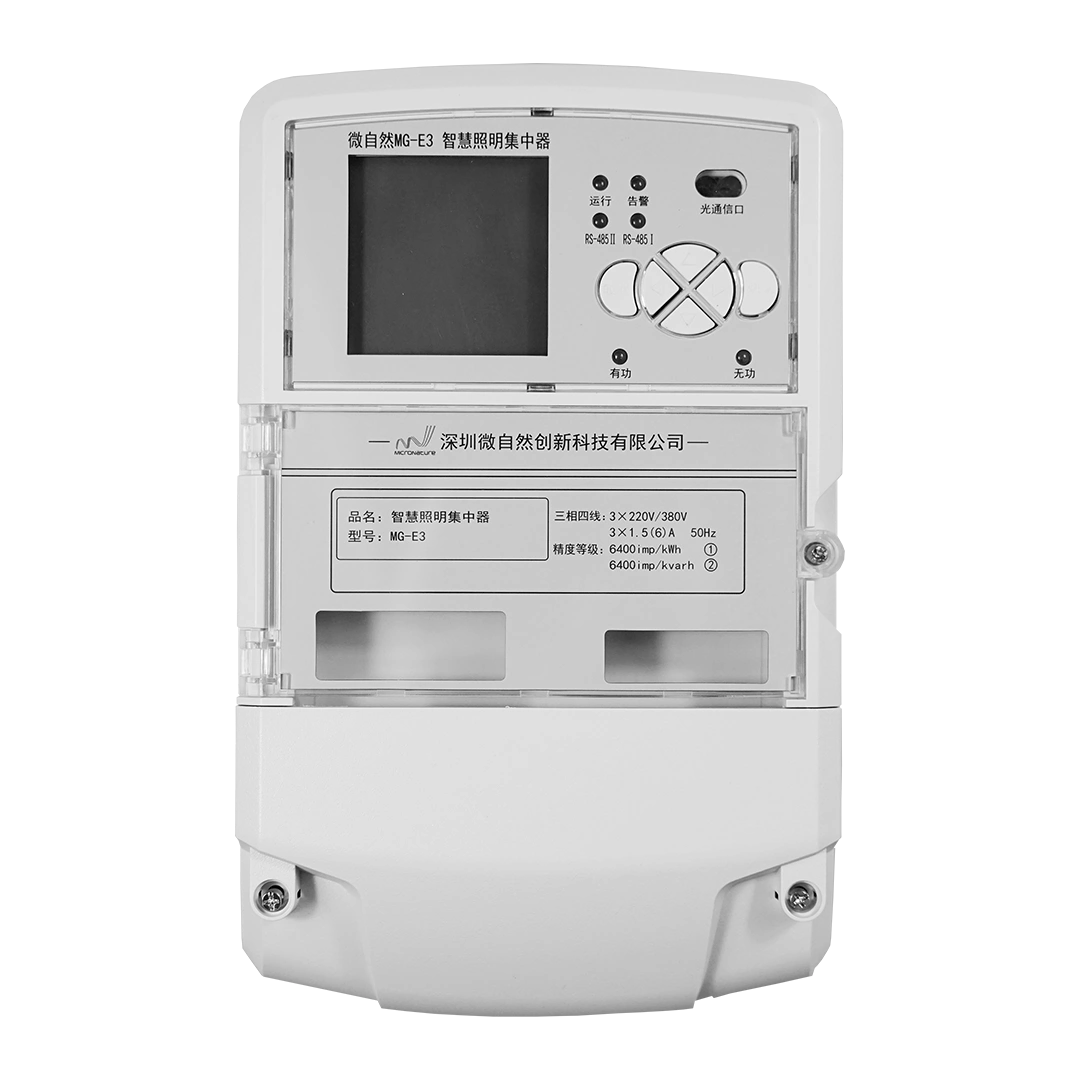
PLC Concentrator
Acts as a bridge between the central panel and individual lighting devices.
Aggregates signals from multiple lights for centralized control.
Ensures reliable communication across office power lines.
Isolator Controller
Installed with lighting circuits to segment and control groups of lights.
Provides localized switching and dimming control.
Enhances system reliability by isolating faults.
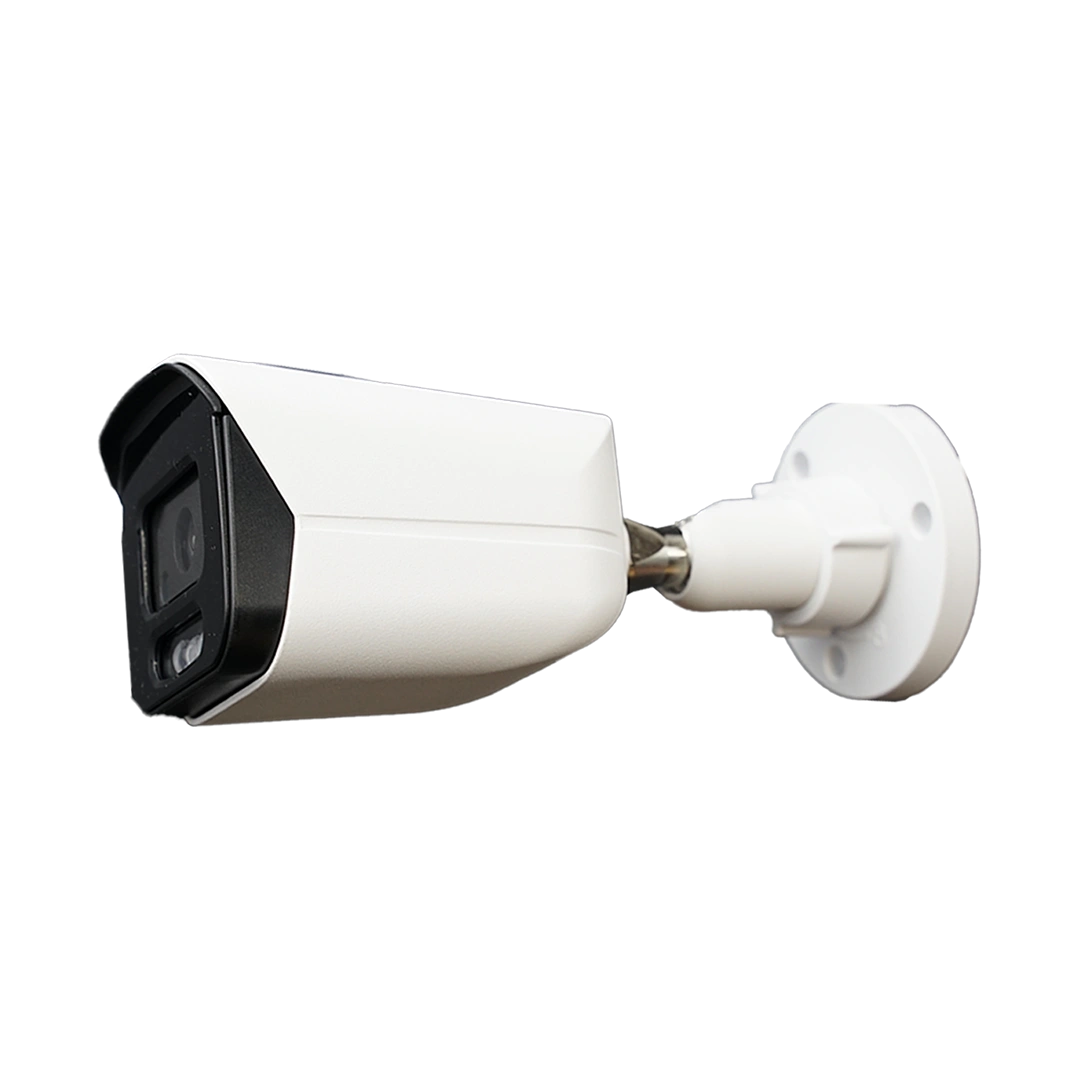
Optional Sensors
AI vision Sensor

How PLC Office Lighting Works
Typical workflow:
- User sets lighting schedule
- PLC concentrator sends command
- Signal travels through power lines
- Controllers adjust brightness
- Sensors provide real-time feedback
Advantages of PLC Office Lighting Solution
- Reduced installation cost
- Centralized lighting control
- Improved energy efficiency
- Flexible zone management
- Reliable communication network
PLC office lighting solutions help reduce energy consumption by enabling scheduled lighting control and adaptive dimming.
3. Central Control Lighting Management
The PLC Central Control Panel provides complete office lighting management:
- Remote Switching: Turn on/off any light or group of lights from the central panel or App.
- Dimming Control: Adjust brightness based on schedule, occupancy, or ambient light.
- Scheduling: Program office hours, energy-saving modes, or special events.
- Monitoring & Fault Detection: Identify defective lights or communication errors instantly.
- Energy Analysis: Track energy usage per floor, area, or light group to optimize efficiency.
- Integration with Cloud/App: Access real-time lighting status and control remotely via mobile devices.
Applications of PLC Office Lighting Solution
- Corporate offices
- Government buildings
- Commercial complexes
- Business centers
- Multi-floor office buildings
PLC Office Lighting vs Traditional Lighting Control
| Feature | PLC Lighting | Traditional Lighting |
|---|---|---|
| Communication | Power Line | Separate Cable |
| Installation Cost | Low | High |
| Maintenance | Simple | Moderate |
| Energy Management | Advanced | Limited |
| Scalability | High | Limited |