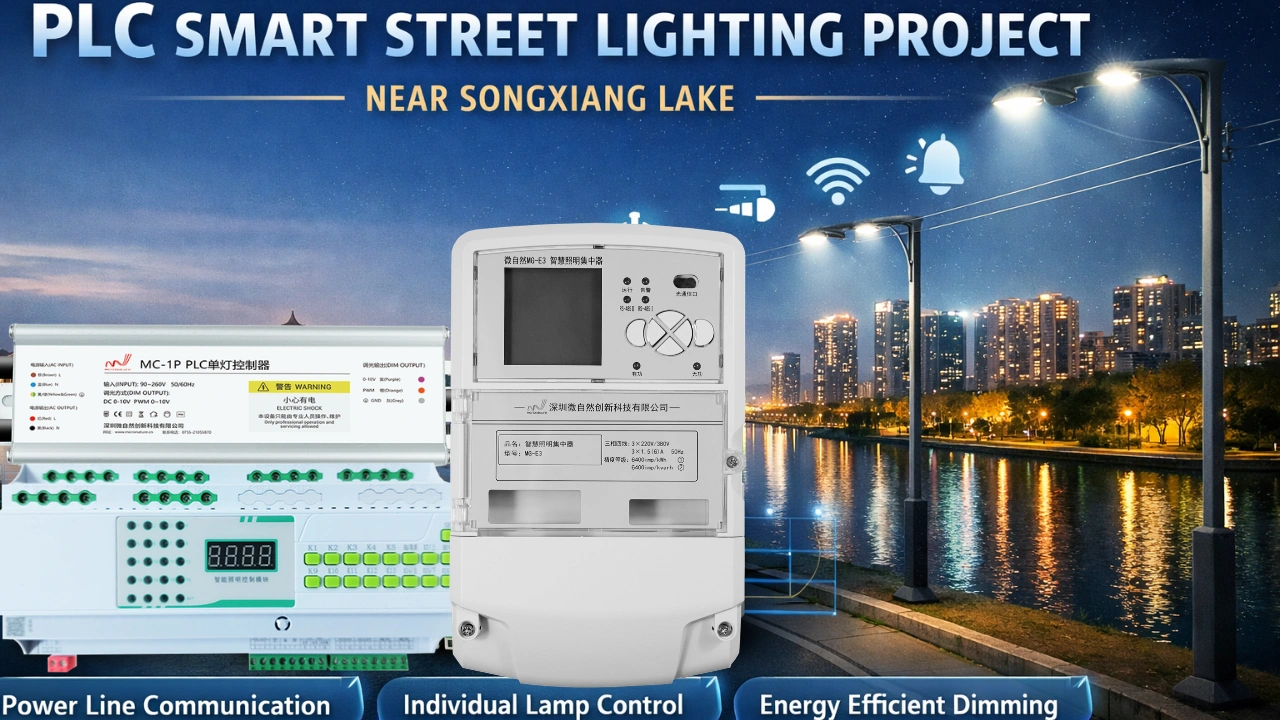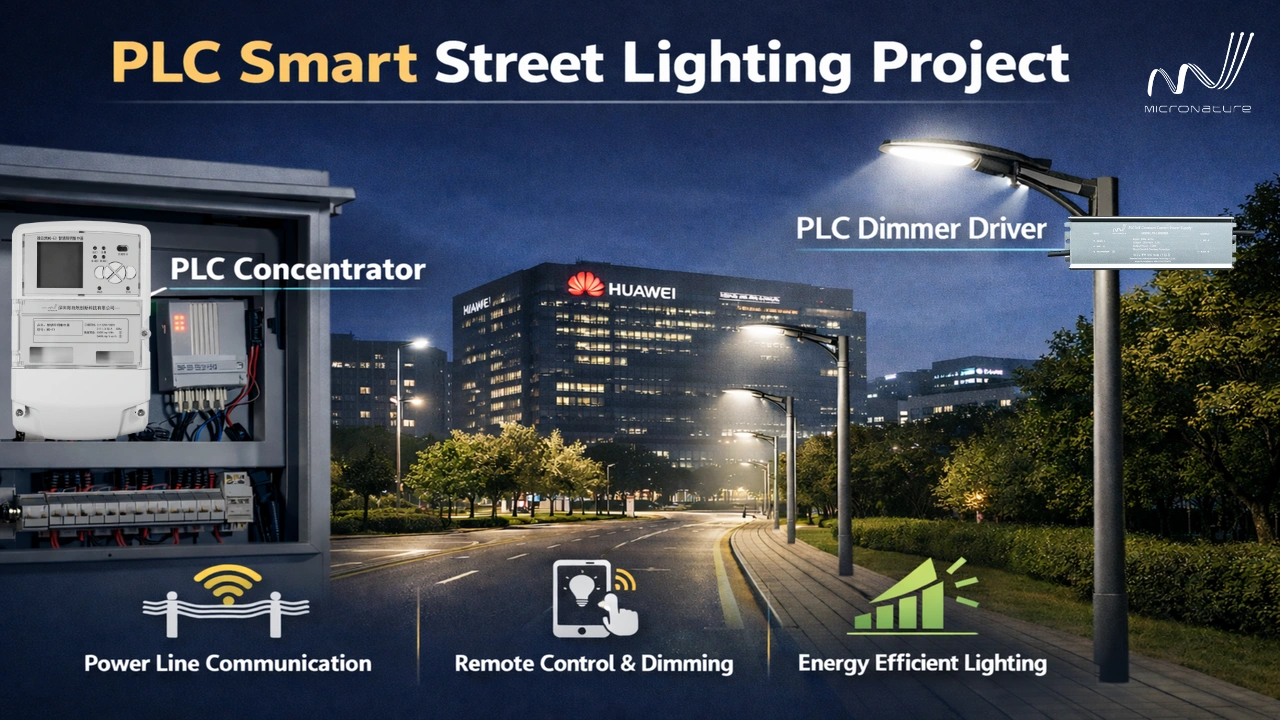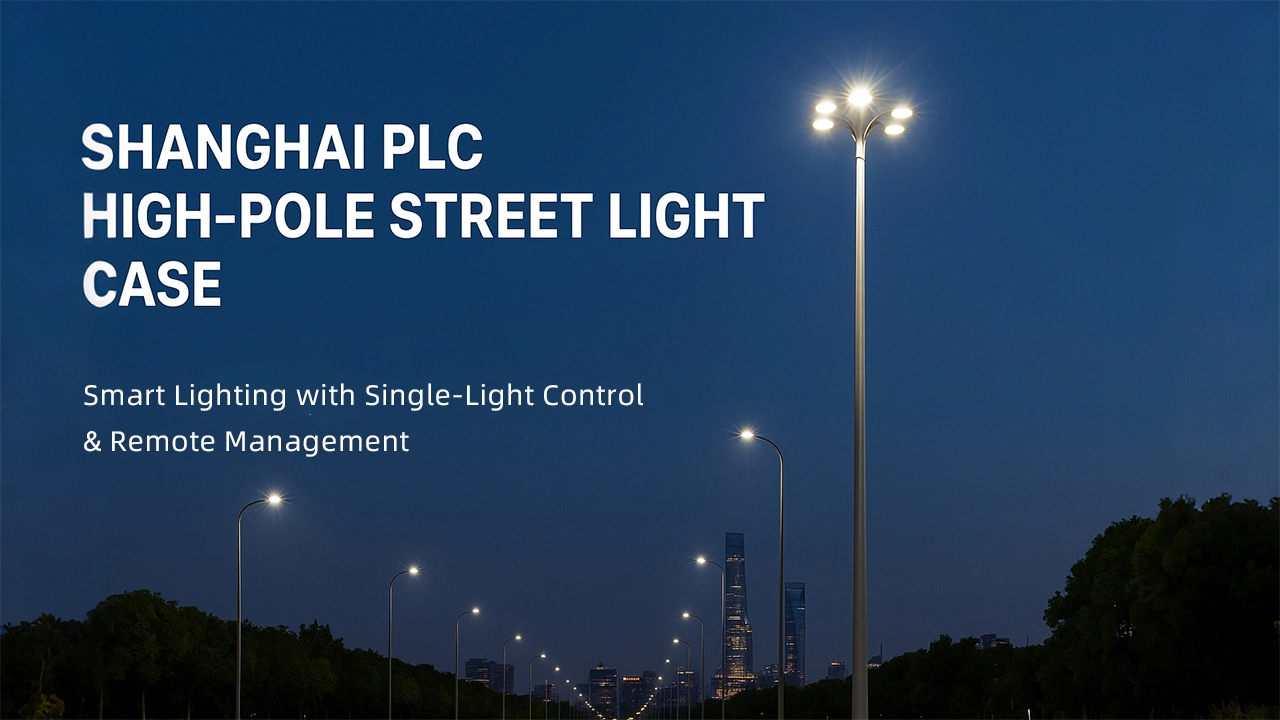
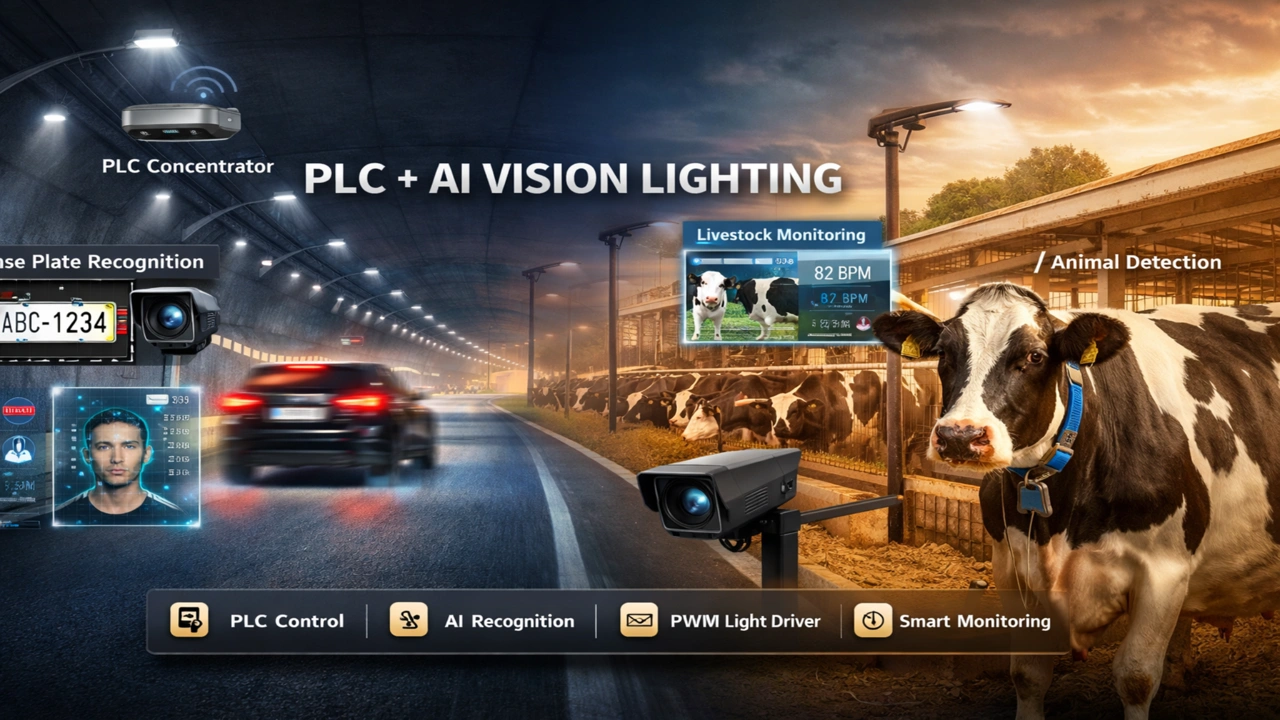
PLC Lighting Project Case studies provide valuable insight into real-world smart lighting deployments. This PLC Lighting Project Case showcases the successful implementation of intelligent PLC lighting systems for both high-speed road infrastructure and dairy farm environments. Outdoor roadway lighting design in this project follows recommendations established by the International Commission on Illumination to ensure visibility and safety.
This PLC Lighting Project Case demonstrates the successful deployment of intelligent lighting systems across both high-speed road infrastructure and dairy farm facilities.
From high-speed transport corridors to modern dairy farms, intelligent lighting systems deliver real-time data visibility, safety optimization, and operational efficiency — all through existing power infrastructure.
This article explores how PLC-enabled lighting combined with AI vision sensors is transforming two critical application environments.
Project Overview
This project demonstrates the implementation of a PLC smart lighting system across two demanding environments: high-speed road infrastructure and dairy farm facilities. The objective was to enhance lighting reliability, improve energy efficiency, and enable centralized monitoring through intelligent control technology.
The system integrates PLC communication to ensure stable operation without requiring additional communication wiring, making it suitable for large-scale outdoor and agricultural installations.
Case 1: PLC High-Speed Road Lighting Project
Project Background
High-speed roads require stable and continuous lighting to ensure driver safety and road visibility during nighttime operations.
Challenges
- Long-distance lighting control requirements
- High energy consumption
- Difficult maintenance
- Lack of centralized monitoring
Solution
A PLC-based smart lighting system was deployed to enable centralized management and remote monitoring of street lighting fixtures along the roadway.
Implementation
Include:
- Number of lamps
- Controller type
- Communication method
- Control cabinet location
Results
Example format:
- Improved road visibility
- Reduced energy consumption
- Faster fault detection
- Improved maintenance efficiency
Reliable lighting infrastructure is essential for safe transportation and continuous operations on high-speed roadways. (general engineering practice reference)
Case 2: PLC Dairy Farm Lighting Project
Project Background
The dairy farm required a reliable lighting system capable of operating in humid and dusty environments while maintaining consistent illumination for livestock management.
Challenges
Typical dairy farm issues:
- High humidity and ammonia exposure
- Uneven lighting distribution
- High energy consumption
- Frequent maintenance requirements
Farm lighting systems must be durable, waterproof, and energy-efficient to withstand harsh environments.
Solution
A PLC smart lighting system was installed to enable centralized lighting control across the dairy facility.
System features:
- Intelligent dimming
- Scheduled lighting cycles
- Centralized monitoring
- Fault detection
Proper lighting management in dairy environments improves productivity, safety, and operational efficiency.
Implementation
Add:
- Barn lighting layout
- Lamp installation positions
- Control unit location
- System configuration
Results
Use measurable outcomes if available:
Example:
- Improved lighting uniformity
- Reduced maintenance frequency
- Lower energy consumption
- Improved working conditions
Well-managed lighting systems can significantly enhance productivity and reduce operational costs in dairy farms.
Intelligent Lighting for High-Speed Road & Tunnel Infrastructure
High-speed transportation environments demand:
- Ultra-reliable communication
- Real-time adaptive lighting
- Safety-critical monitoring
- Low maintenance complexity
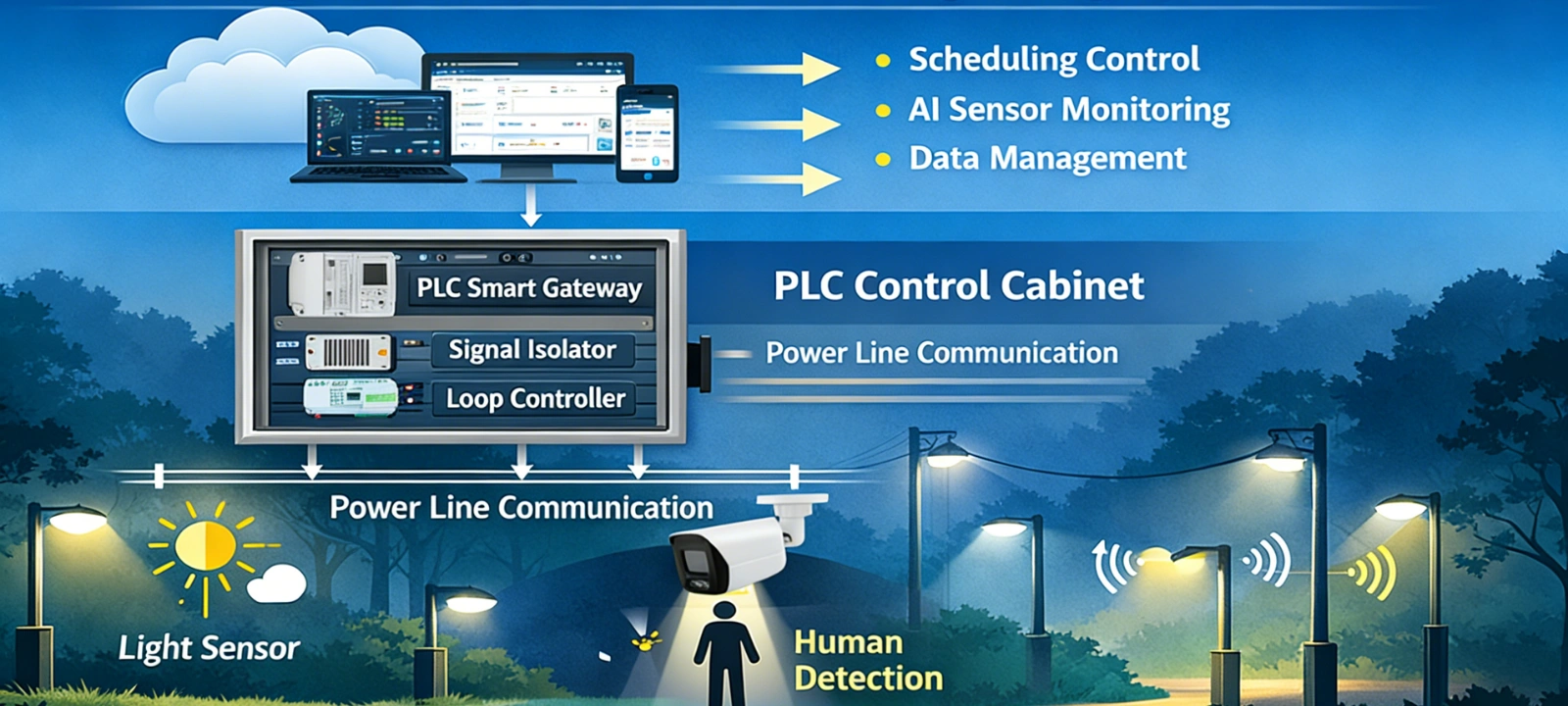
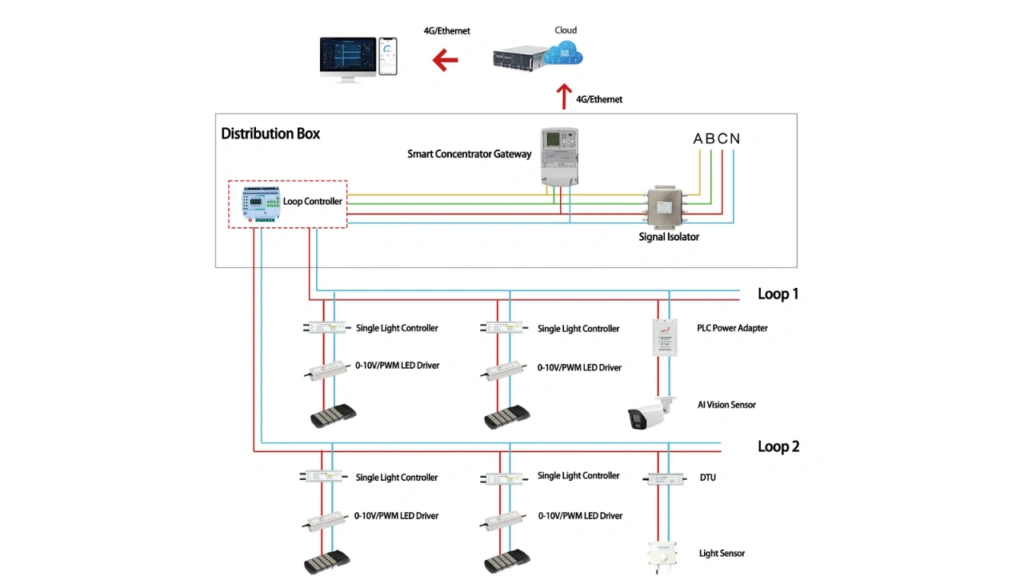
A PLC + AI lighting architecture solves these challenges by integrating:
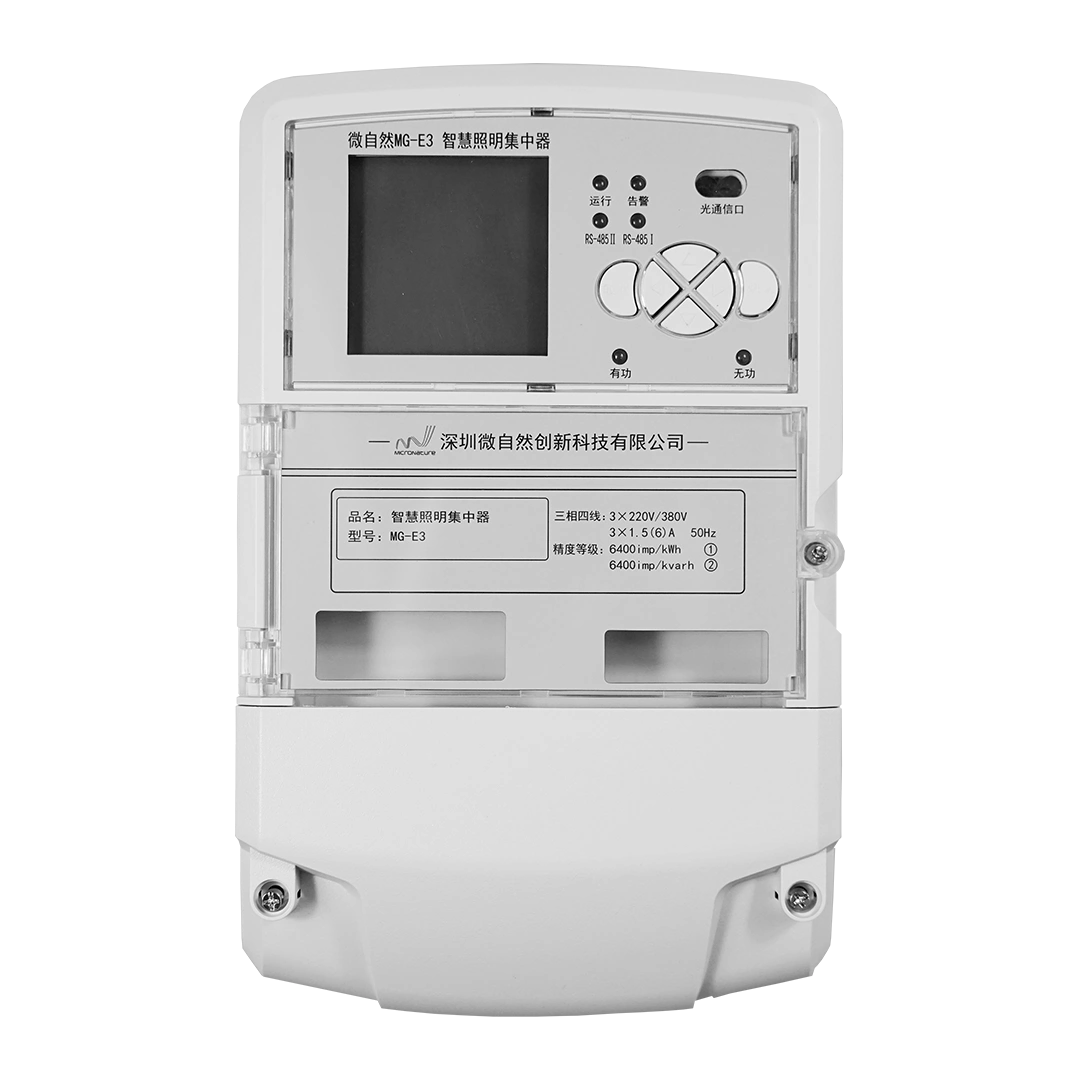
- PLC concentrator (central communication gateway)
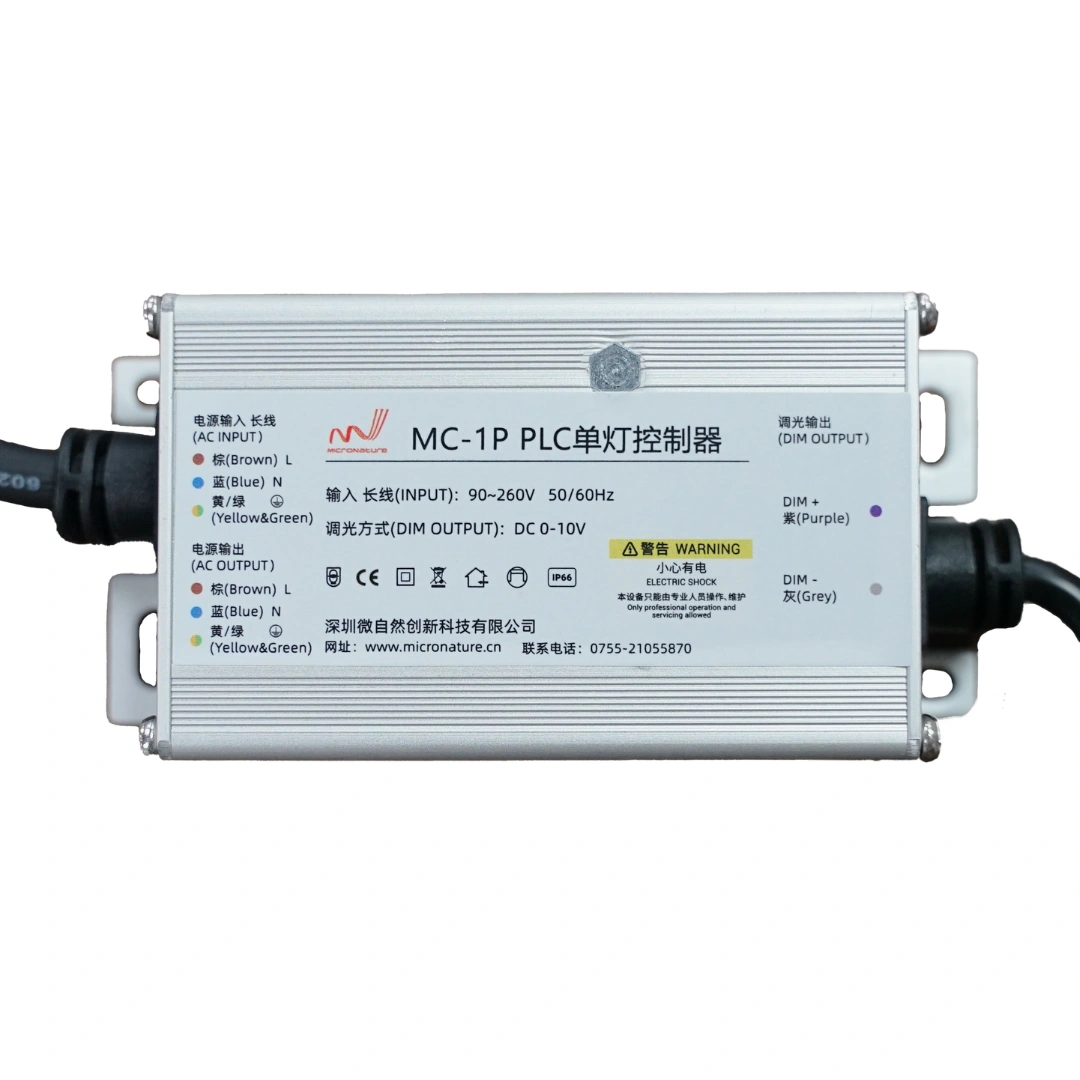
- PLC single light controller (per-fixture intelligence)
- PWM dimmable LED driver (precision brightness control)
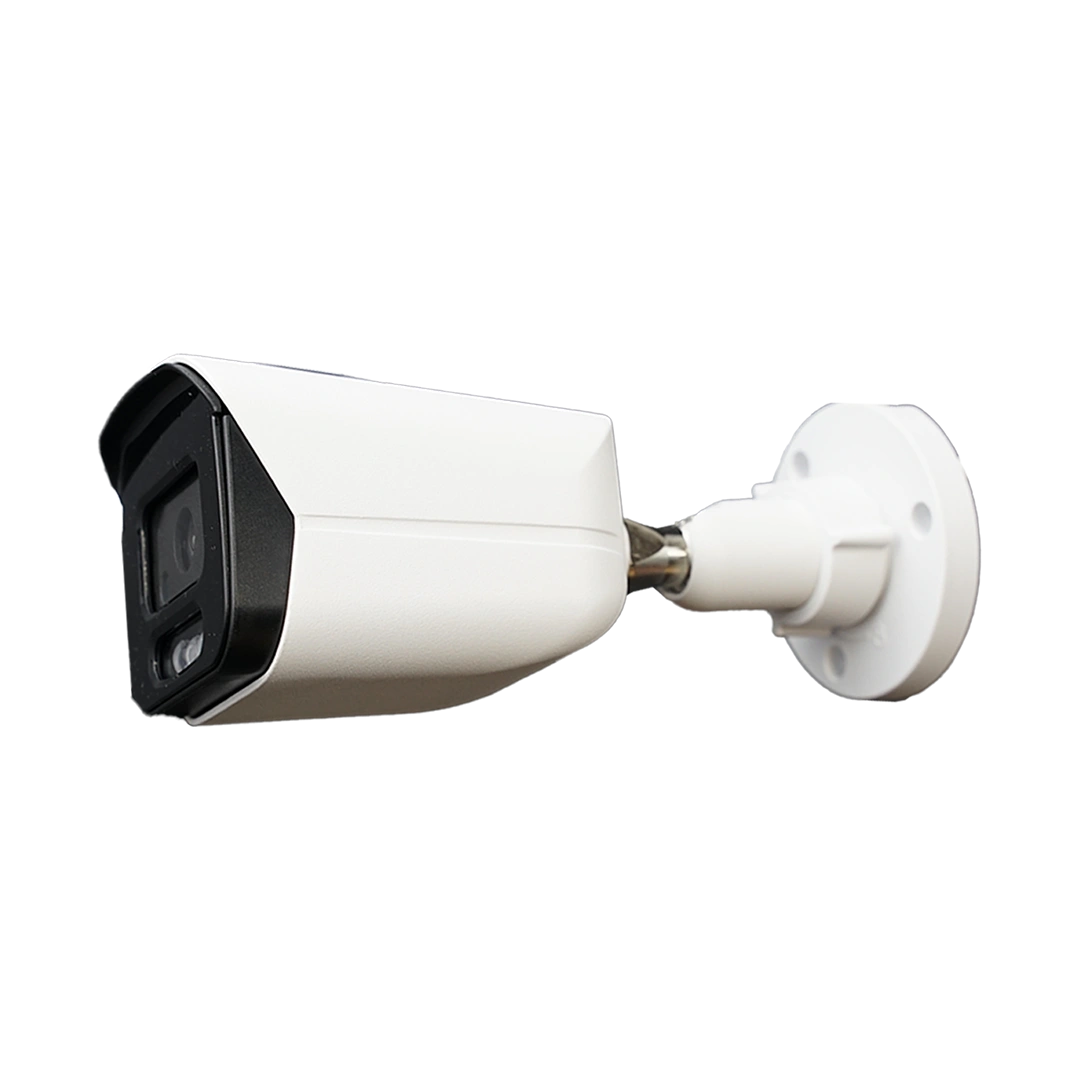
- AI vision sensor (environmental perception & analytics)
Key Functional Advantages
1. AI-Driven Adaptive Lighting
AI vision sensors continuously analyze:
- Vehicle speed and flow
- Lane occupancy
- Incident detection
- Environmental conditions
Lighting levels automatically adjust via PWM drivers to ensure:
- Optimal visibility
- Energy efficiency
- Reduced glare risk
2. Accurate Vehicle Plate Recognition
The AI vision module can accurately identify:
- Vehicle license plates
- Vehicle classification
- Traffic density patterns
This enables integration with:
- Tolling systems
- Traffic enforcement
- Smart highway analytics
3. Human & Object Recognition for Safety
The system can reliably detect:
- Pedestrians in restricted zones
- Emergency responders
- Maintenance personnel
Unlike traditional motion sensors, the AI vision sensor:
- Is not affected by irrelevant moving objects
- Maintains stable detection accuracy
- Supports customized recognition algorithms
Smart Dairy Farm Lighting with AI Vision Integration
Modern dairy farms are evolving into data-driven livestock environments where lighting impacts:
- Milk production
- Animal health
- Operational efficiency
- Labor cost
PLC + AI lighting infrastructure enables intelligent farm management without deploying new communication cabling.
Intelligent Livestock Monitoring
AI vision sensors provide:
- Individual cow identification
- Behavioral analysis
- Movement tracking
- Welfare monitoring
Lighting conditions are automatically optimized based on:
- Circadian rhythm simulation
- Activity level detection
- Feeding schedule integration
Environmental Optimization
The system enables:
- Dynamic lighting intensity control
- Zone-based livestock management
- Energy consumption optimization
- Automated anomaly alerts
Because PLC uses existing power lines, farms benefit from:
- Rapid deployment
- Lower installation cost
- Higher system reliability
- Reduced maintenance complexity
PLC Architecture Advantage Across Both Applications
Unified System Components
| Component | Function |
|---|---|
| PLC Concentrator | Central system communication and data aggregation |
| PLC Single Light Controller | Fixture-level intelligence and control |
| PWM LED Driver | Smooth dimming and energy optimization |
| AI Vision Sensor | Real-time environment perception and analytics |
Core System Benefits
- No additional communication wiring required
- High reliability in harsh environments
- Scalable for large-area deployments
- Real-time cloud integration capability
- Supports customized AI recognition models
AI Vision Sensor — The Key Intelligence Layer
The AI vision sensor acts as the perception engine of the smart lighting system.
Advanced Recognition Capabilities
- Vehicle plate identification
- Human face recognition
- Object classification
- Livestock monitoring
- Customized industrial detection tasks
Stable Detection Performance
Unlike traditional motion detection technologies, AI vision:
- Filters irrelevant movement
- Maintains high accuracy in dynamic environments
- Supports edge computing processing
- Enables predictive operational insights
This makes it ideal for:
- High-speed infrastructure safety systems
- Precision agriculture automation
- Smart industrial lighting environments
Key Benefits of This PLC Lighting Project
Suitable for complex environments
Centralized lighting management
Improved energy efficiency
Enhanced system reliability
Reduced maintenance workload
Scalable lighting infrastructure
Value Delivered to the Client
This project demonstrates how PLC lighting systems can provide reliable operation across both infrastructure and agricultural environments. By enabling centralized monitoring and automated control, the solution significantly improves operational efficiency and long-term sustainability.
Project Performance Results
- Energy savings: 30–50%
- Maintenance reduction: 40%
- Fault detection time: Real-time
- System reliability: 24/7 operation
Energy-efficient LED and smart lighting systems can significantly reduce operating costs and improve productivity across agricultural facilities.
Future Outlook: Lighting as an Intelligent Infrastructure Platform
By combining PLC communication with AI vision sensing, lighting networks evolve into:
- Distributed sensing systems
- Operational intelligence platforms
- Safety-critical infrastructure layers
This convergence supports:
- Smart city development
- Intelligent transport systems
- Digital agriculture transformation
- Industrial automation strategies
Lighting is no longer just illumination — it is becoming a core digital infrastructure asset.