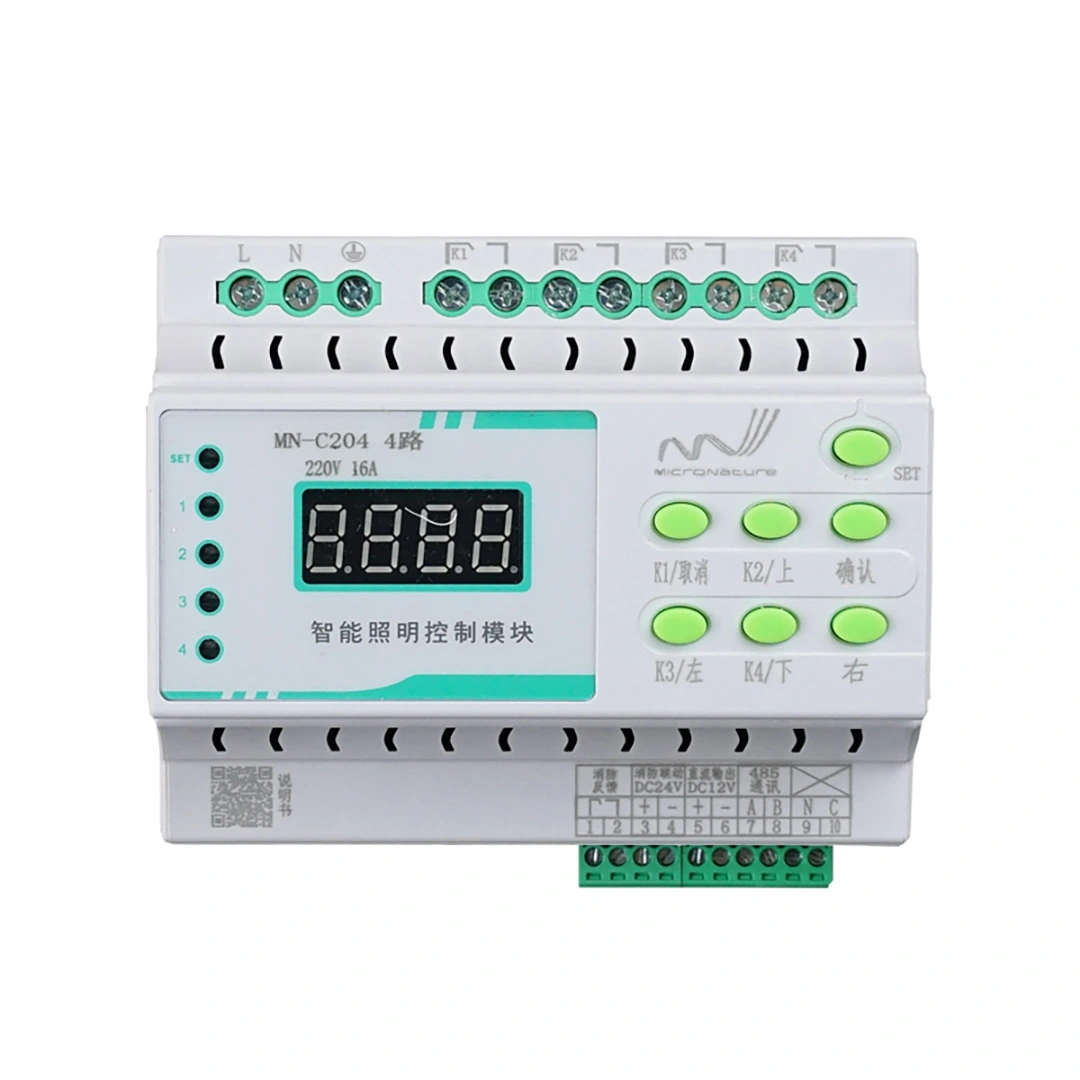
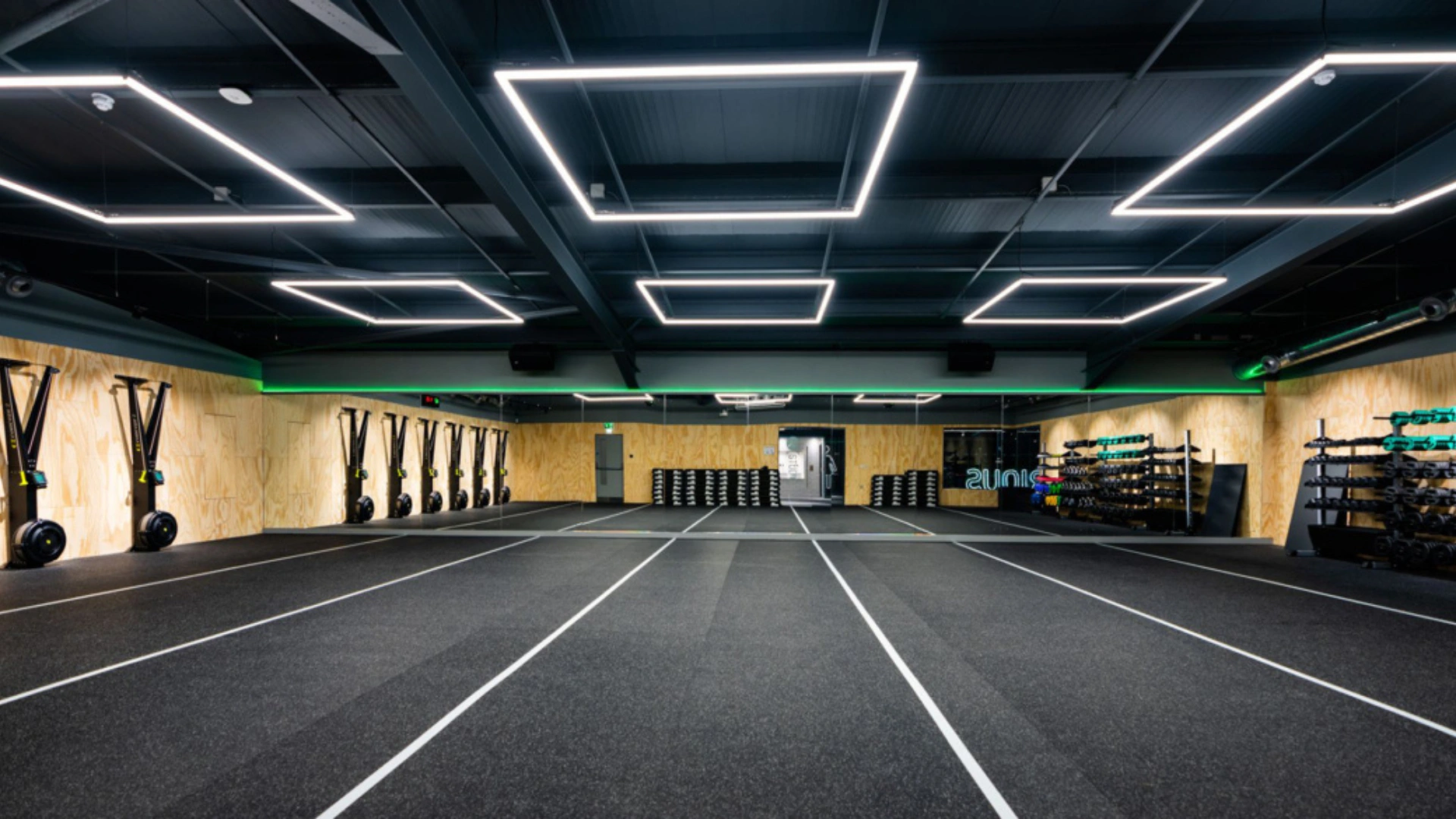
A PLC gym lighting solution enables intelligent lighting control for fitness centers, sports halls, and indoor training facilities. By using Power Line Communication (PLC) technology, lighting systems can be centrally managed without additional communication wiring.
This solution improves lighting quality, enhances athlete safety, and reduces operational costs through automated dimming, scheduling, and real-time monitoring. It is ideal for modern gyms, fitness studios, and multi-purpose sports facilities.
Challenges in Traditional Gym Lighting Systems
Gym and fitness facilities face several lighting challenges:
- High energy consumption from long operating hours
- Uneven lighting causing shadows
- Glare affecting athlete visibility
- Difficult maintenance management
- Limited lighting flexibility for different activities
Proper gym lighting must provide uniform brightness and reduce glare to ensure user comfort and performance.
System Components
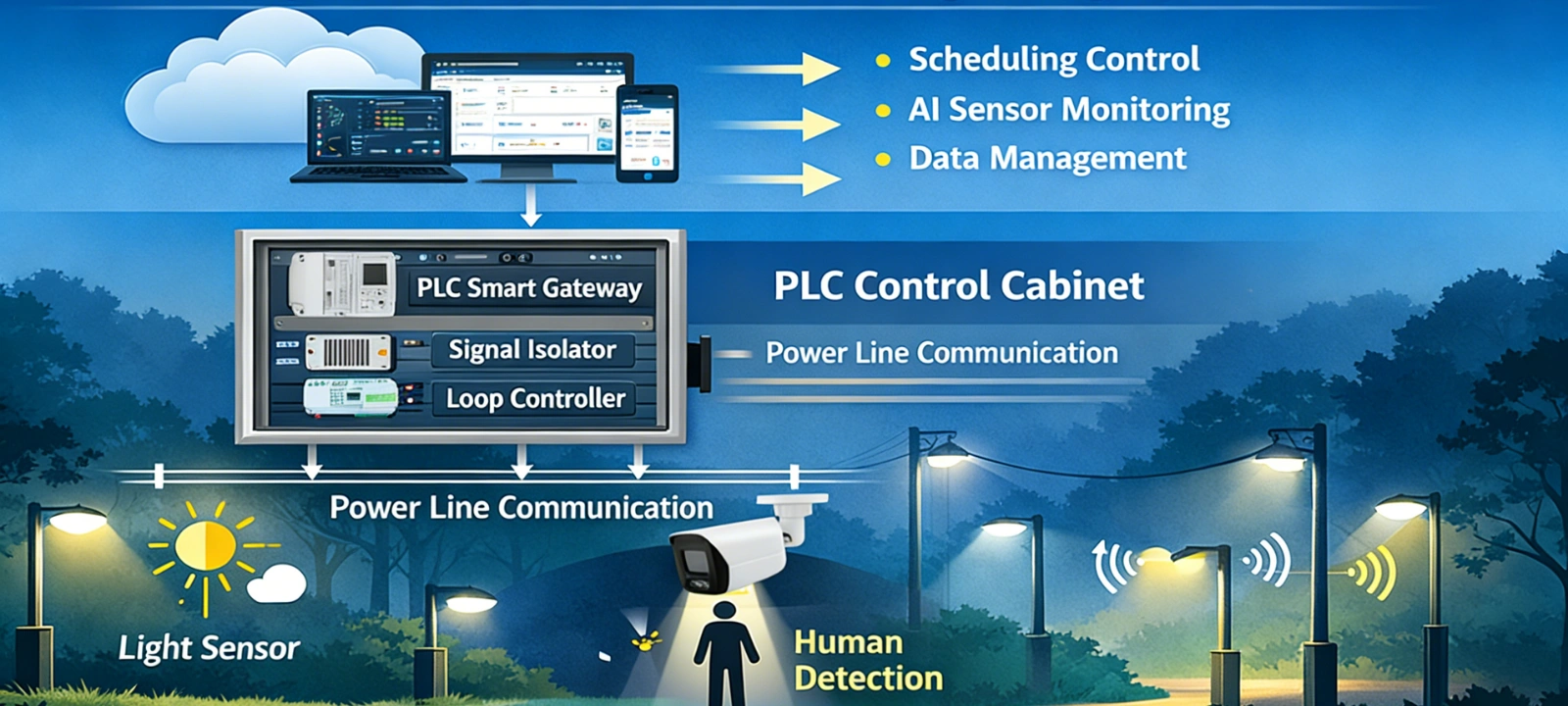
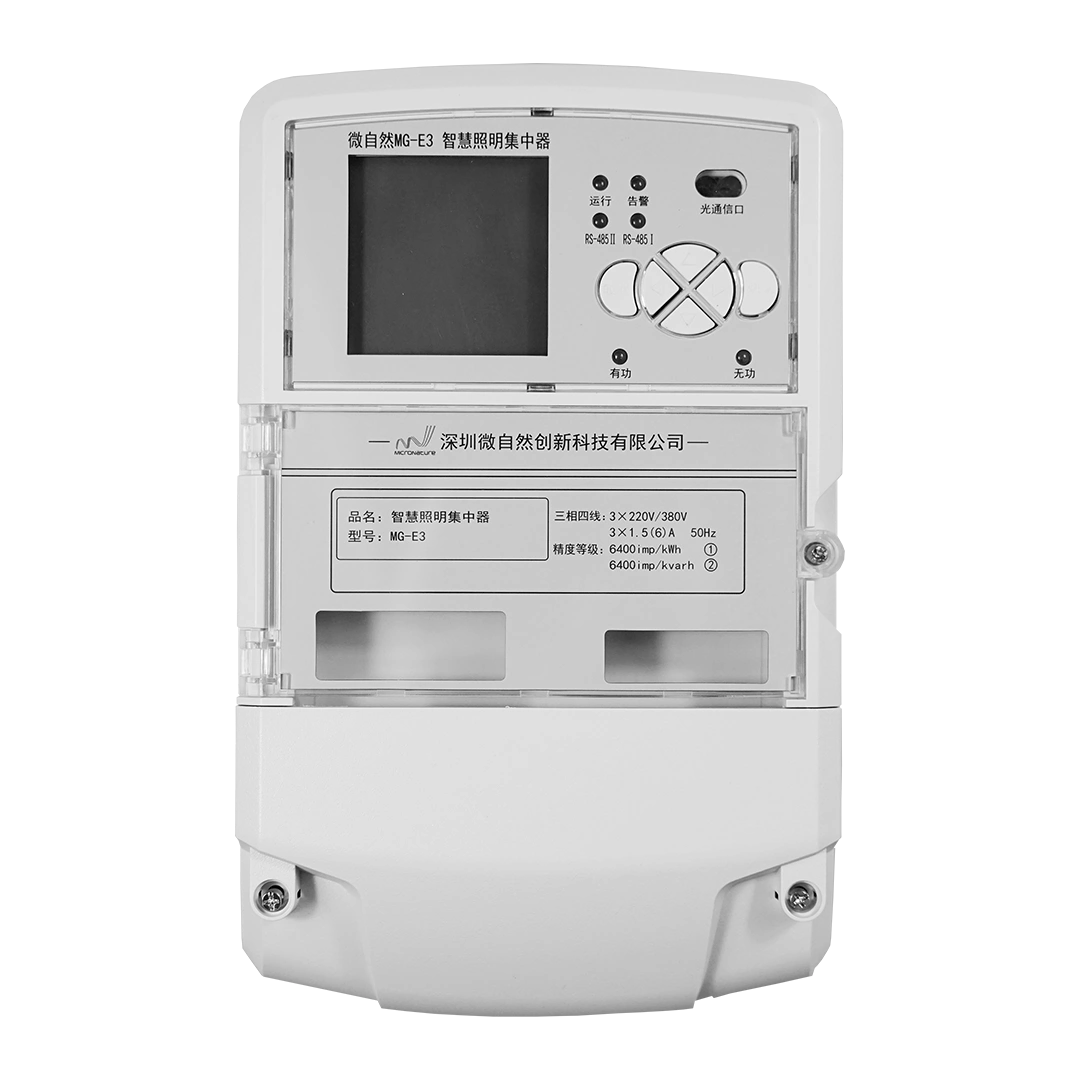
- PLC Concentrator / Gateway — injects and receives PLC signals on the building power lines; connects to Cloud/App via Ethernet (or cellular) for remote control and analytics.
- PLC Loop Controller(s) — interface that segments the distribution into power-line loops; provides loop-level circuit switching, grouping, and data aggregation.
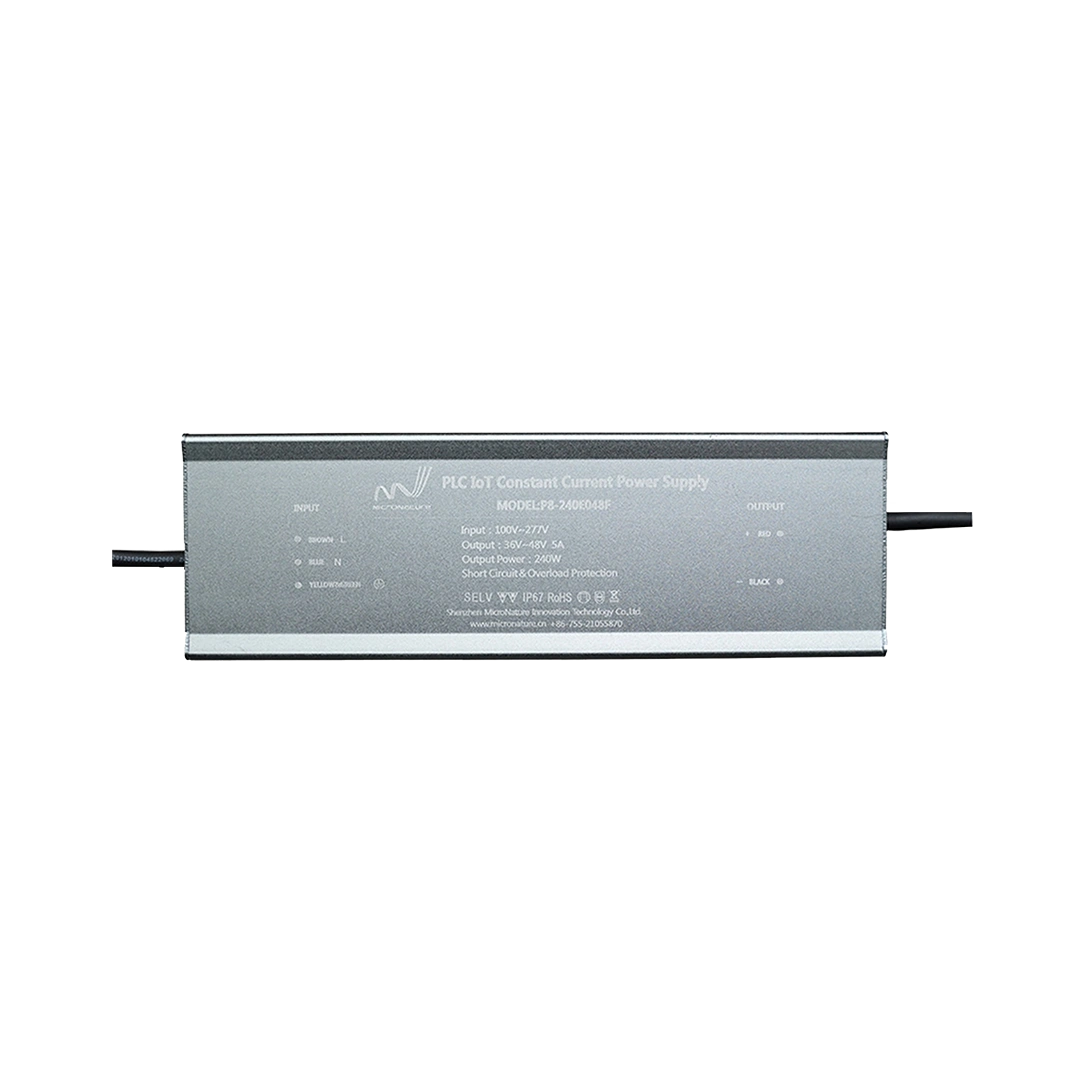
- PLC Light Dimmer Switch (per fixture or per group) — addressable dimming node on the powerline for each LED fixture or luminaire group.
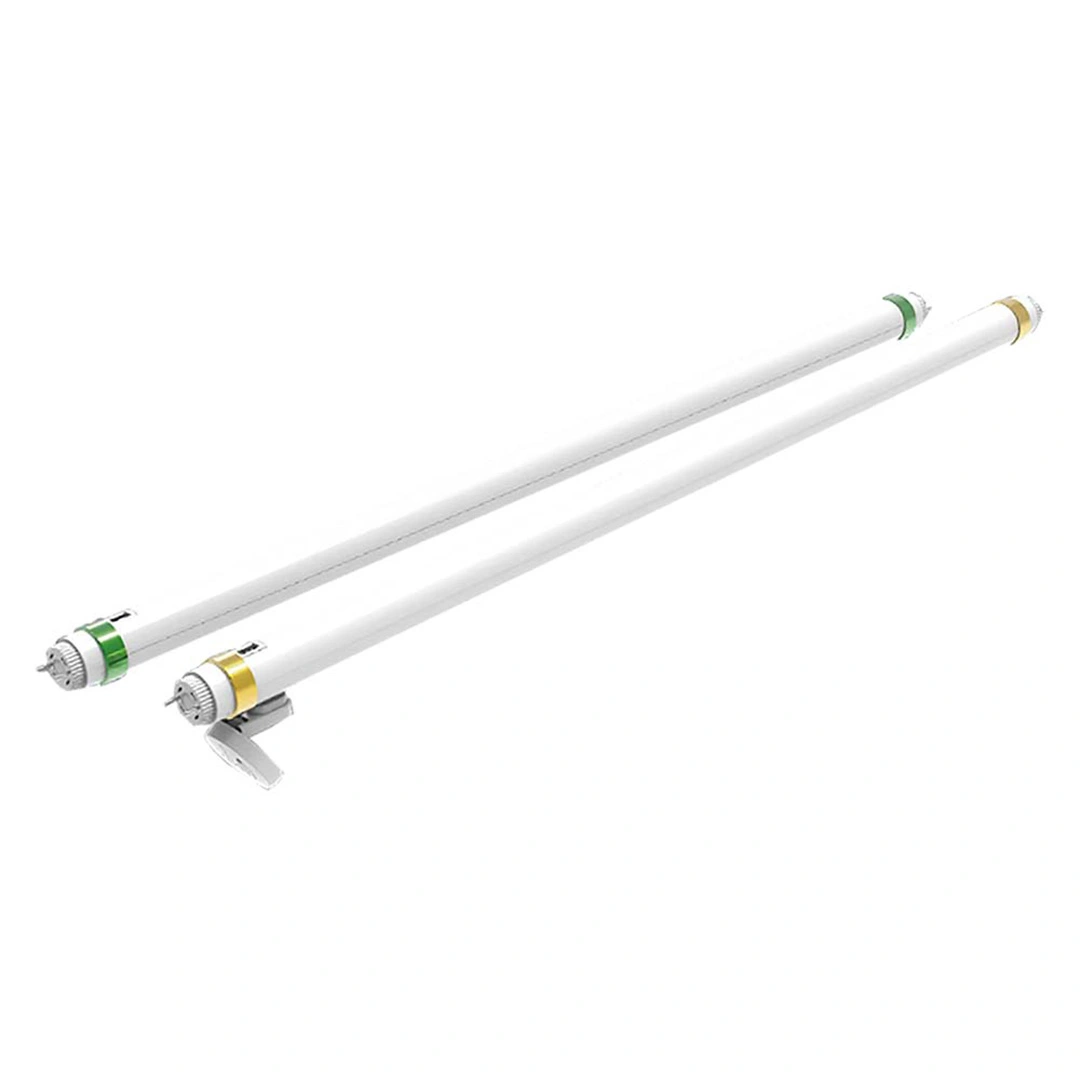
- LED Fixtures — energy-efficient luminaires compatible with PLC dimmer nodes.
- Microwave Occupancy/Presence Sensors — mounted on ceiling or fixtures; perform local on/off/dim behavior and report events to PLC nodes.
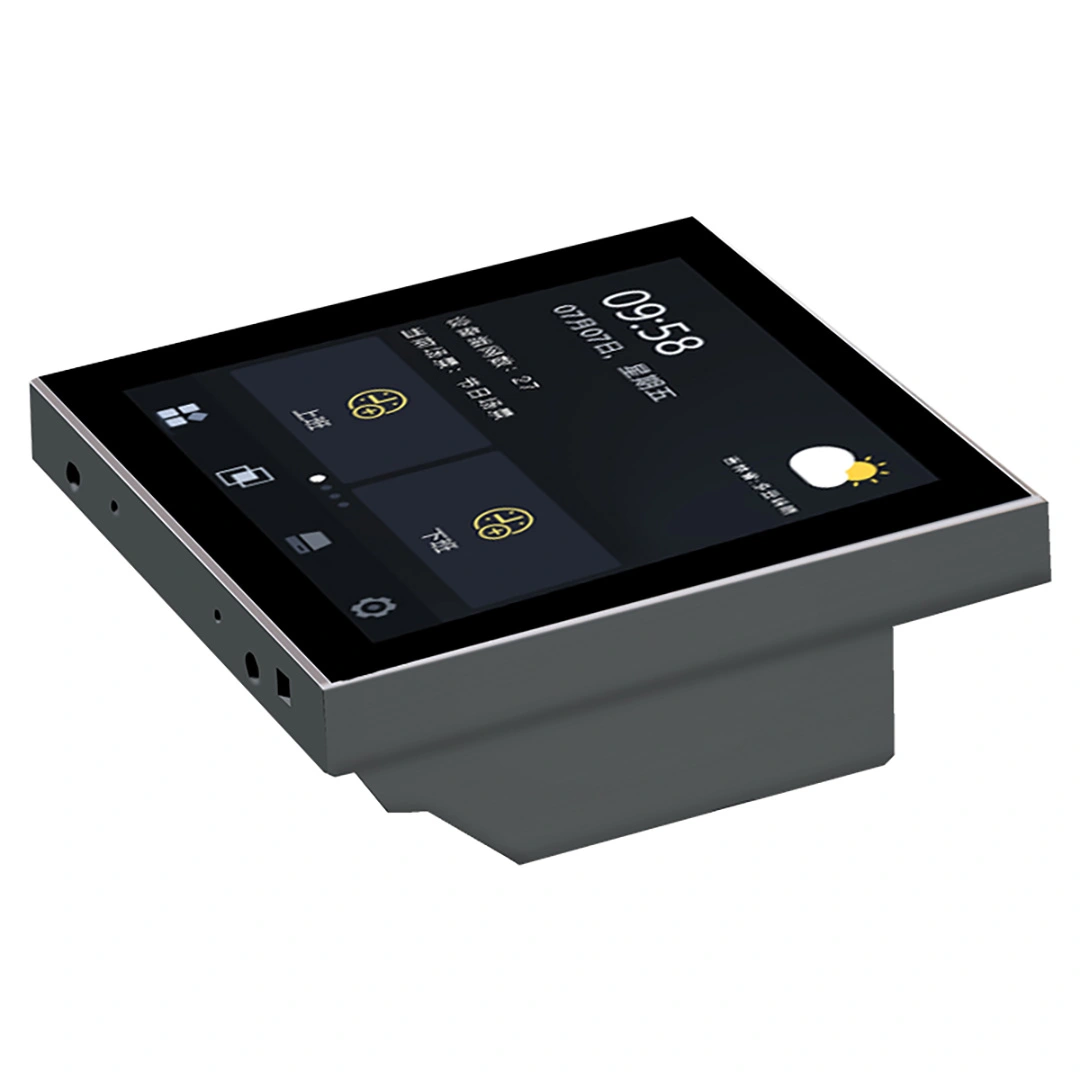
- Cloud Platform & Mobile App — scheduling, remote override, analytics, alarms, firmware updates, tenant/role management.
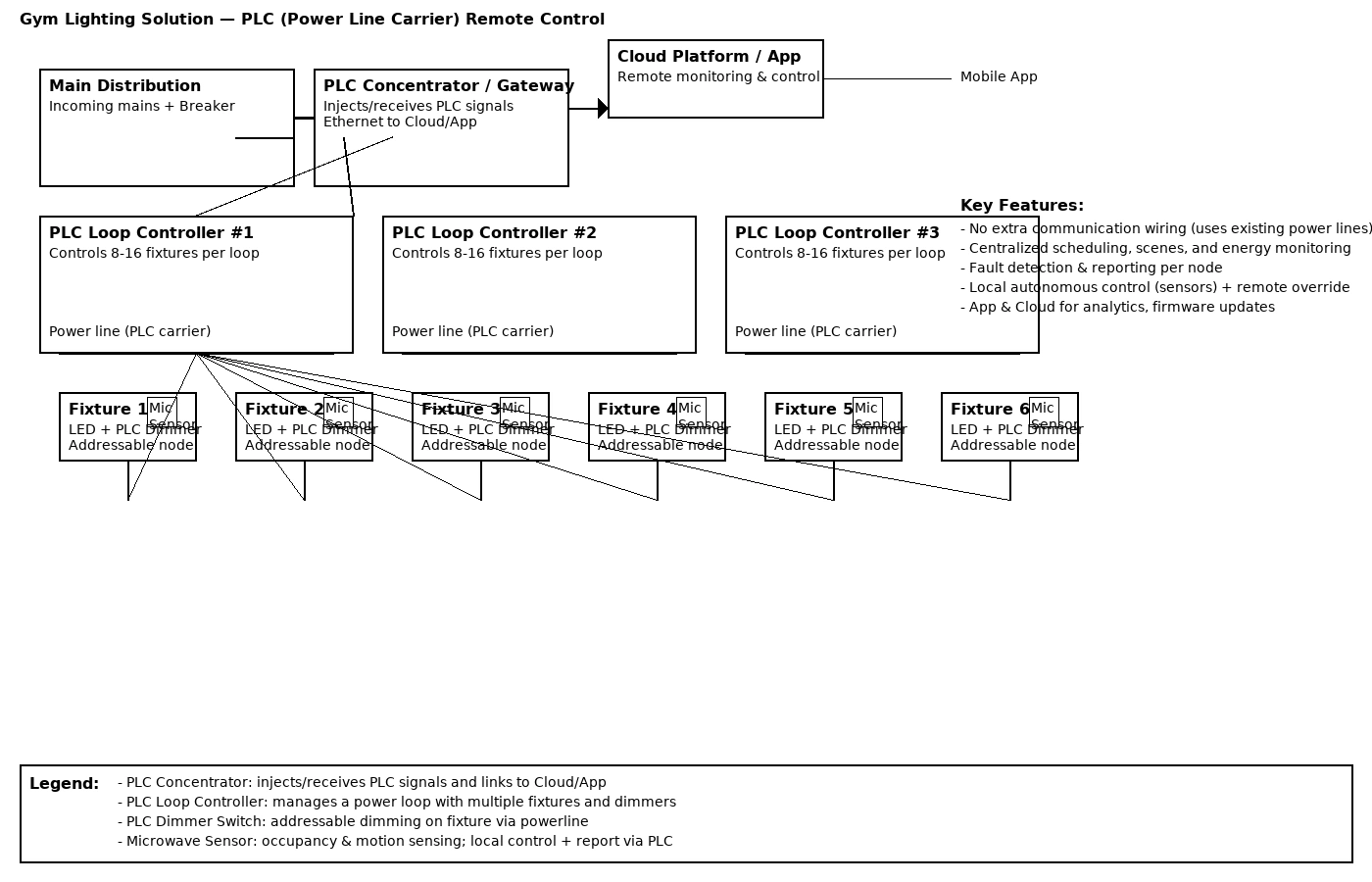
PLC Gym Lighting System Architecture
PLC Concentrator (Gateway)
- Installed in electrical cabinet
- Manages communication
- Connects to cloud platform
Smart LED Gym Lights
- High-efficiency fixtures
- Supports dimming control
- Provides uniform illumination
PLC Communication Network
- Uses existing power cables
- No additional communication wiring
- Reliable indoor communication
Central Management Software
- Remote control
- Scheduling
- Energy monitoring
- Alarm notification
PLC lighting systems transmit control signals through existing power lines, reducing installation complexity and infrastructure costs.
Key Features of PLC Gym Lighting Solution
Smart Dimming Control
Adjust brightness levels based on activity type or schedule.
Uniform Lighting Distribution
Ensures consistent brightness across training areas.
Energy Saving Operation
Automatically reduce lighting levels during low usage periods.
Real-Time Monitoring
Detect faults and monitor system performance.
Flexible Scene Control
Different lighting scenes for:
- Training
- Competitions
- Cleaning
- Maintenance
Benefits of PLC Gym Lighting
- Reduce electricity consumption
- Improve athlete safety
- Enhance visual comfort
- Lower maintenance costs
- Extend lighting lifespan
- Improve operational efficiency
Lighting designed for sports environments improves performance and reduces eye strain when brightness and color temperature are properly managed.
Typical Applications of PLC Gym Lighting
- Fitness centers
- Commercial gyms
- Sports halls
- Basketball courts
- Indoor stadiums
- Yoga studios
- Training facilities
- School sports halls
Different areas within gyms require tailored lighting conditions depending on the activity and environment.
Smart Lighting Scenes for Gym Facilities
Training Mode
Standard brightness for daily workouts.
Competition Mode
Maximum brightness for matches or events.
Energy Saving Mode
Reduced brightness during low activity periods.
Cleaning Mode
Full brightness for maintenance.
PLC Gym Lighting vs Traditional Lighting
| Feature | PLC Lighting | Traditional Lighting |
|---|---|---|
| Remote Control | Yes | No |
| Energy Monitoring | Yes | No |
| Scene Control | Yes | No |
| Maintenance | Predictive | Manual |
| Efficiency | High | Medium |
Integration with Sensors
PLC gym lighting can integrate:
- Motion sensors
- Occupancy sensors
- Daylight sensors
This allows automatic adjustment of brightness based on real-time usage.