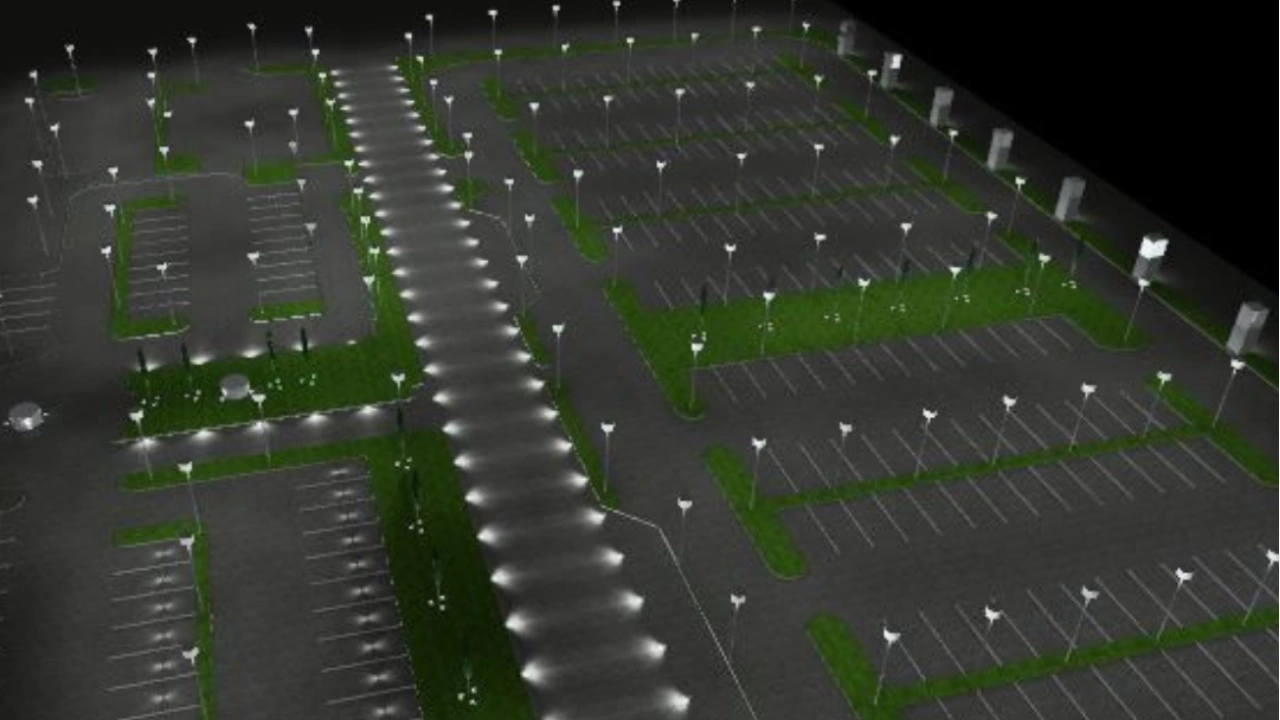
We implemented a fully centralized PLC (Power Line Communication) lighting management system for a large multi-level vehicle parking facility. The solution uses existing power wiring to transmit data, enabling intelligent lighting control without installing additional communication cables. This greatly reduces renovation costs, speeds up deployment, and ensures stable performance in environments where wireless signals are unreliable.
This project showcases how PLC transforms traditional parking garages into safer, more energy-efficient, and fully automated smart facilities.
Project Background
The client required a lighting solution that could:
- Cover multiple underground levels with long cable distances
- Reduce installation time and avoid rewiring
- Enable automatic dimming, occupancy-based lighting, and zone management
- Support thousands of T8 luminaires with real-time monitoring
- Provide simple, centralized control with long-term reliability
PLC technology was selected because it provides robust, long-distance communication over power lines even in noisy electrical environments like parking structures.
1. System Overview — PLC-Based Centralized Parking Garage Lighting
The solution uses a three-phase PLC communication architecture to connect:
- PLC Concentrators at power distribution points
- Loop Controllers for each parking level
- Isolator controllers for circuit protection
- PLC-enabled T8 tube lights
- Ambient light sensors and optional occupancy sensors
All devices communicate over the existing mains wiring, enabling full two-way control and feedback without extra communication infrastructure.
2. Hardware Architecture & Main Components
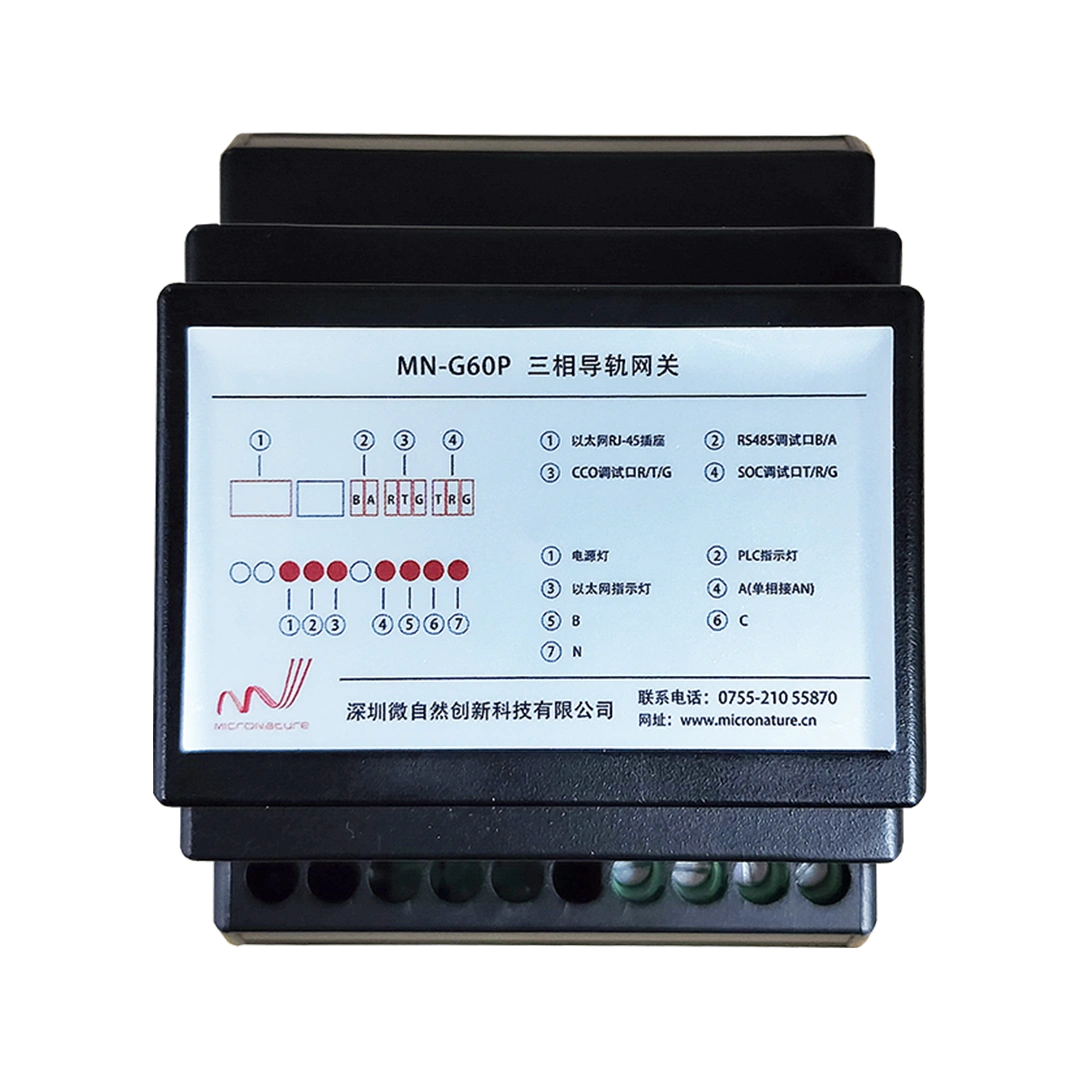
2.1 PLC Three-Phase Concentrator
- Installed in each electrical distribution kiosk
- Injects PLC communication signals across all three phases
- Performs noise filtering and signal balancing
- Bridges devices to the control center via Ethernet/VPN
- Aggregates thousands of real-time device messages
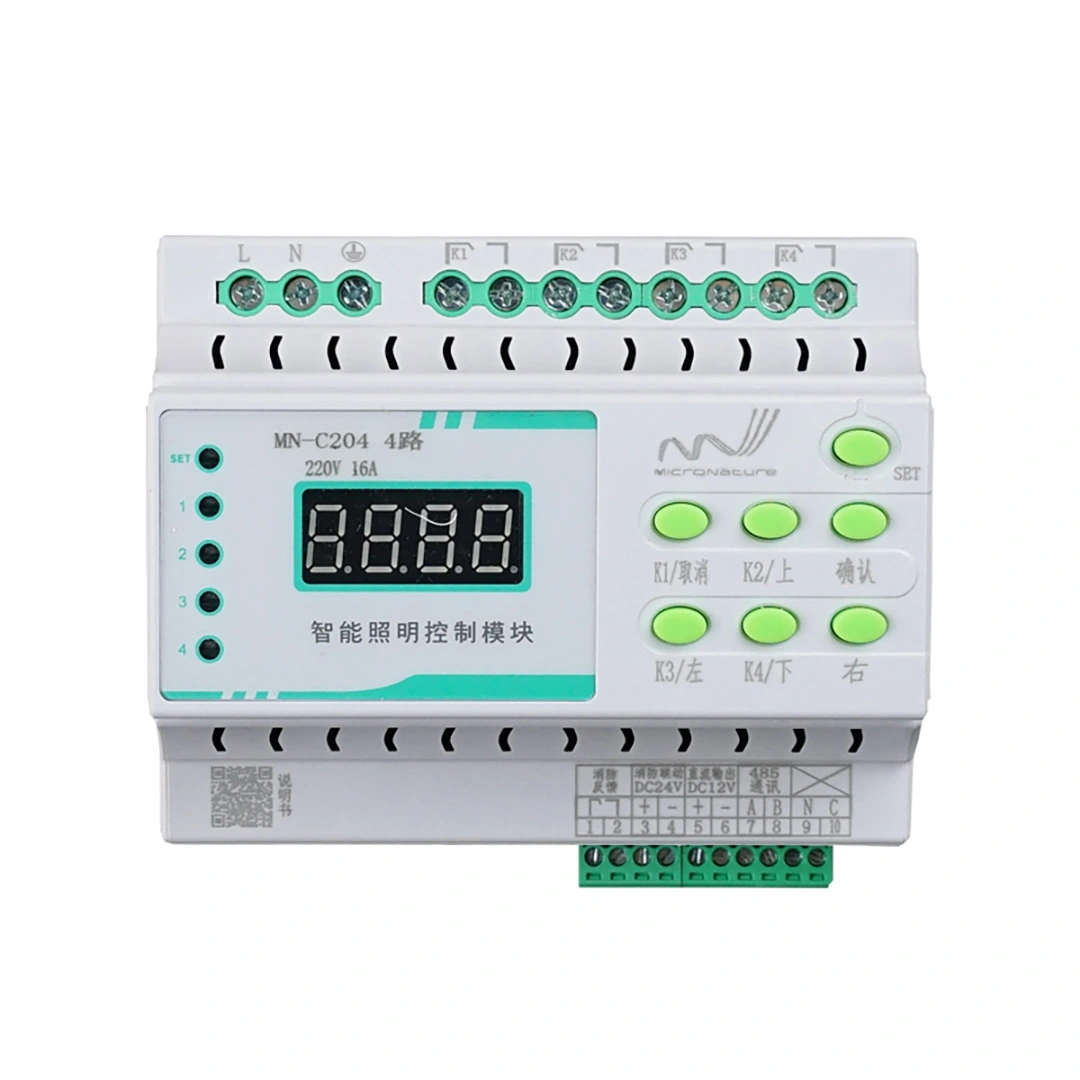
2.2 Loop Controller (Per Level / Zone)
- Manages a ring/loop of luminaires
- Ensures fast local response for occupancy events
- Provides redundancy in case of PLC degradation
- Executes cached scenes automatically when offline
2.3 Isolator Controller
- Segments and protects electrical circuits
- Locates faults, isolates them, and prevents cascade failure
- Ensures continuous lighting for unaffected zones
- Reports detailed status to gateway
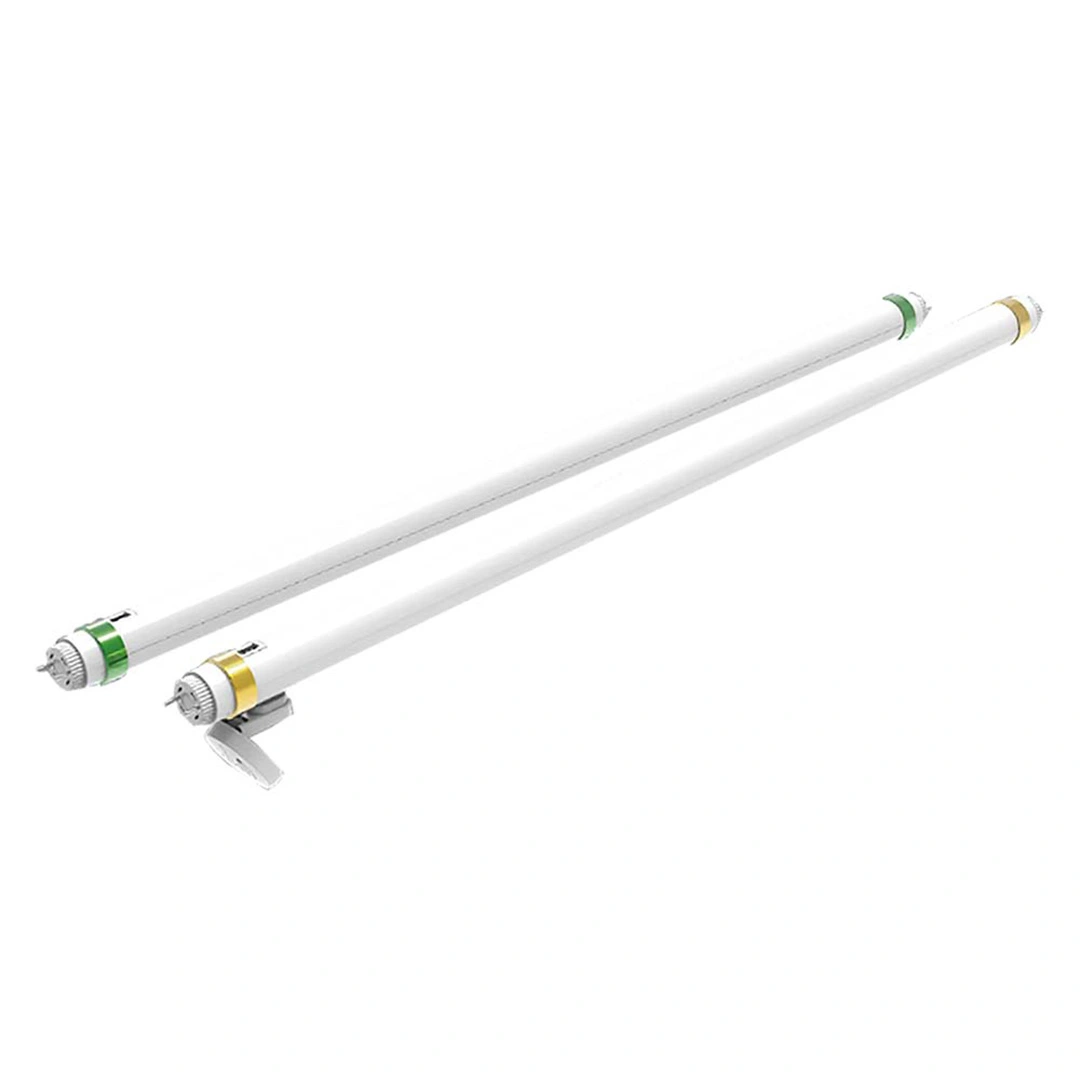
2.4 PLC T8 Tube Lights
- Built-in PLC modules for dimming (1%–100%)
- Report on/off status, power consumption, and running hours
- Uniform illumination ensures safe vehicle and pedestrian movement
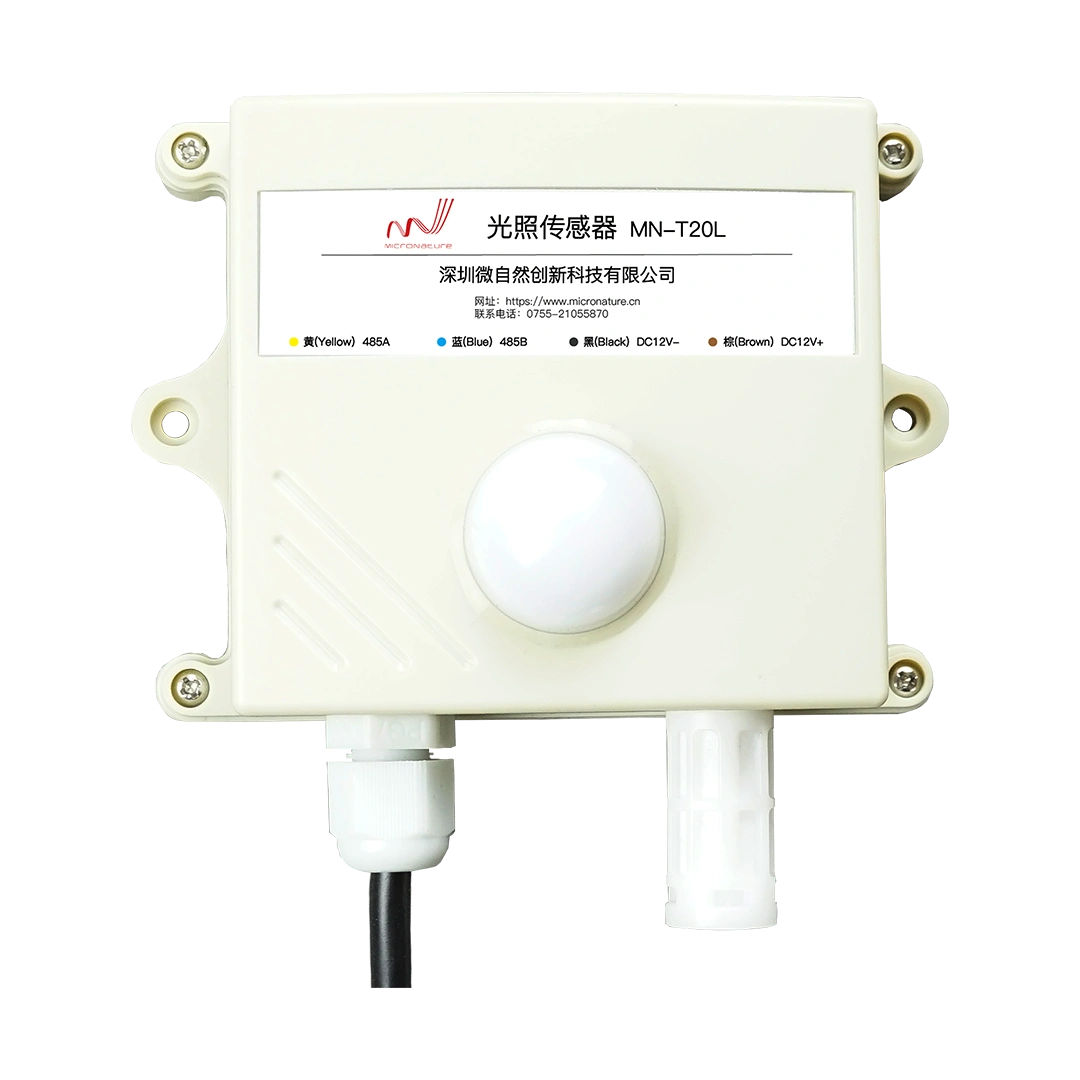
2.5 Sensors & Accessories
Light Sensors:
Used at entrances or semi-open parking areas for daylight harvesting.
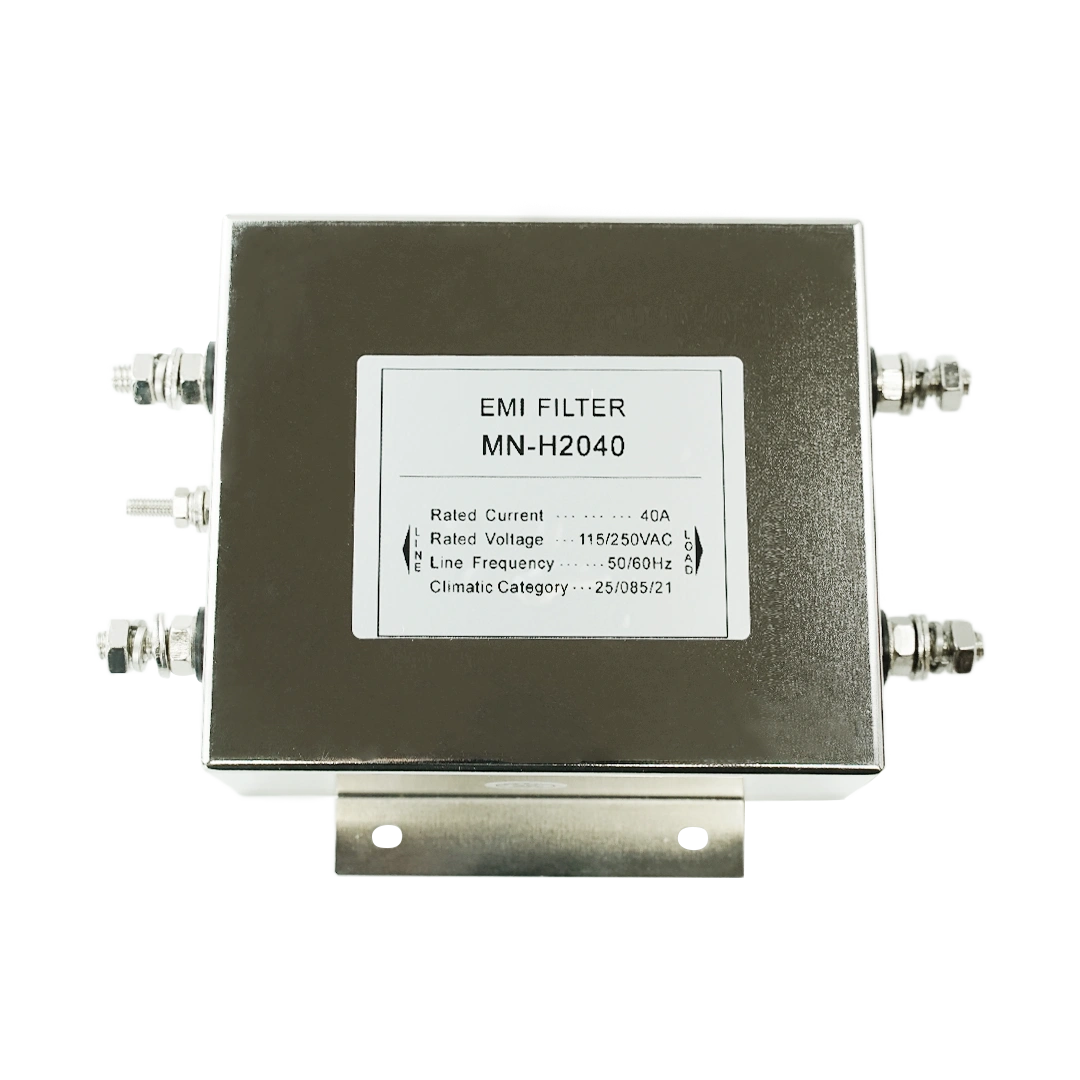
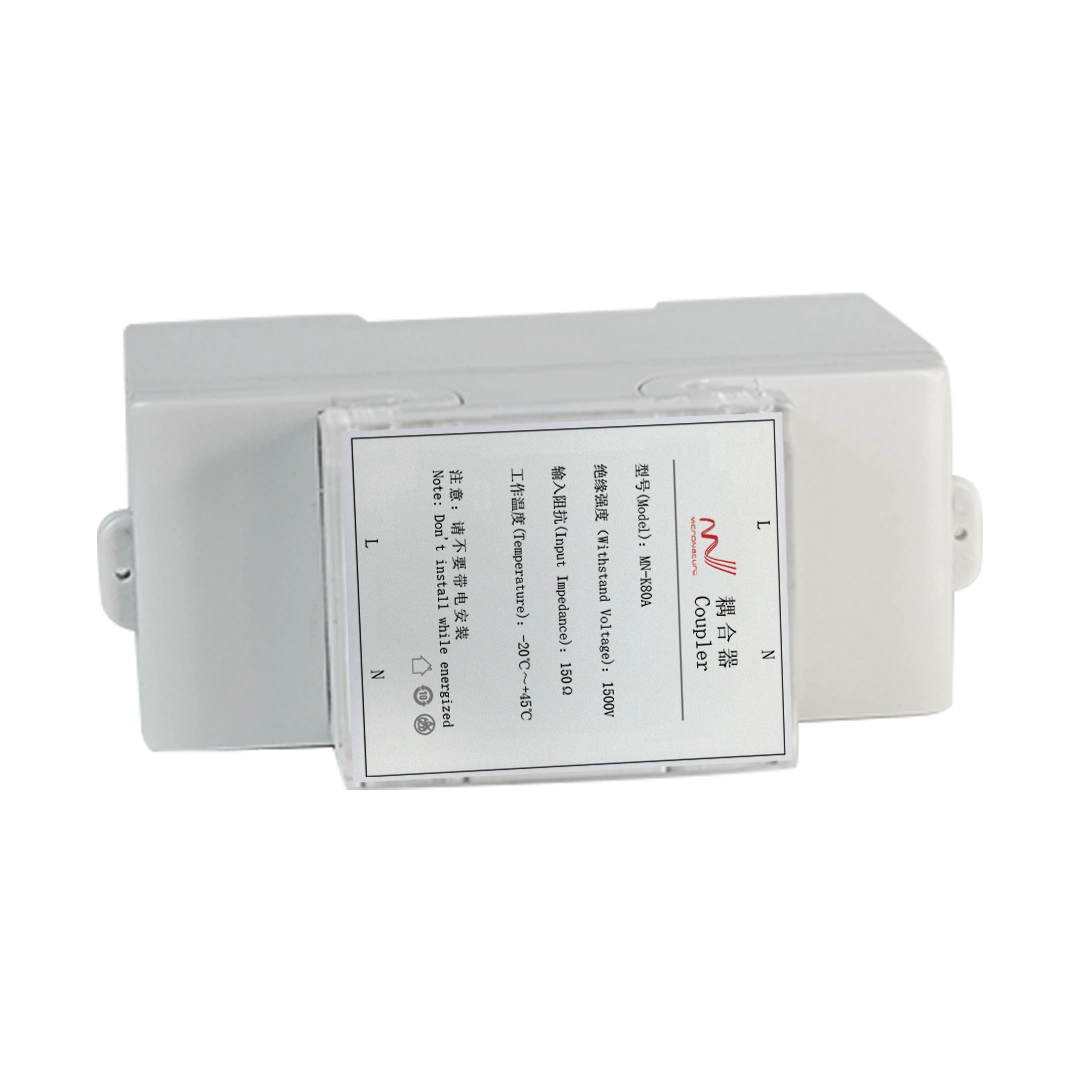
Surge Protectors & PLC Filters:
Stabilize communication by removing noise and protecting PLC hardware.
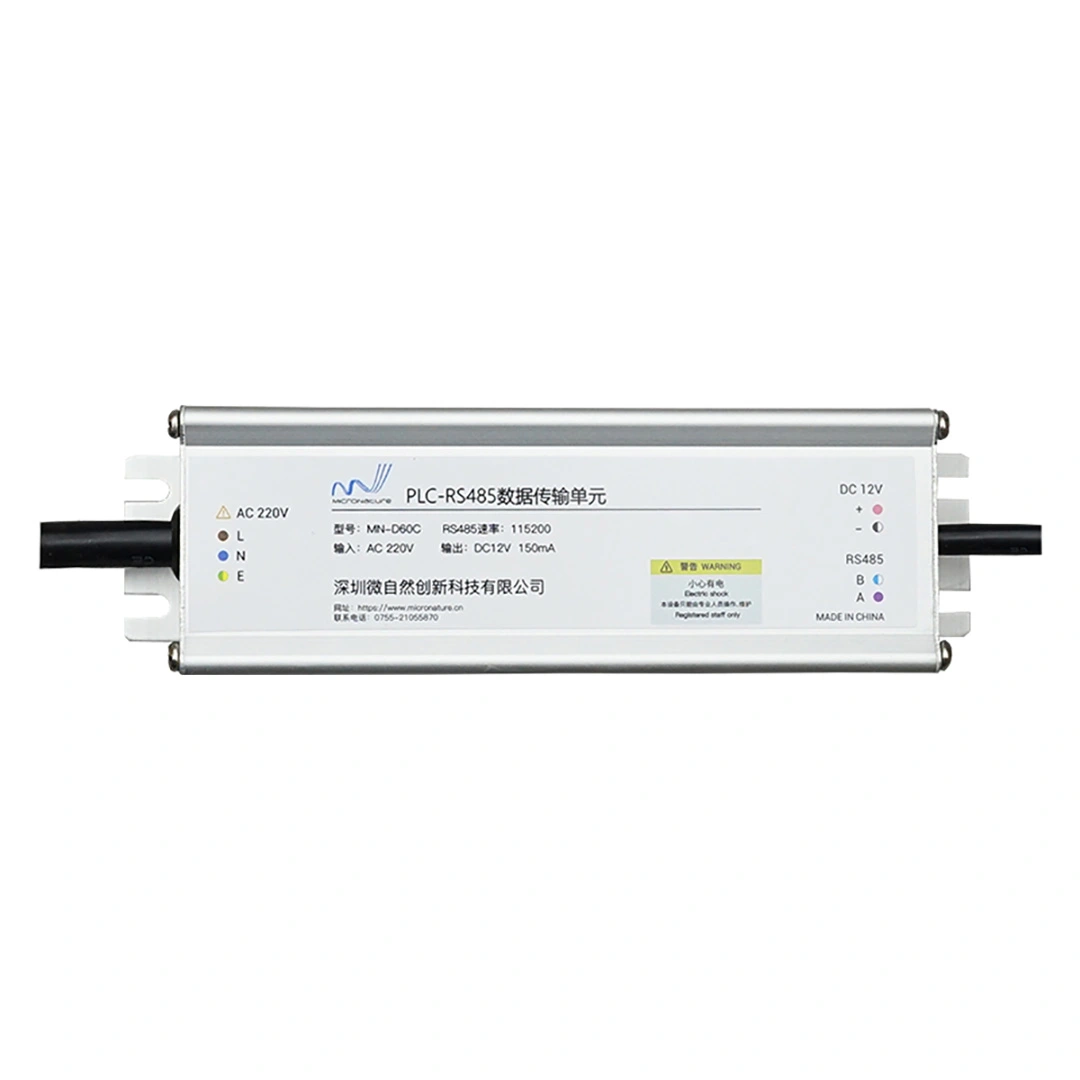
Data Transfer Units (Optional):
Improve reach in extremely large or distant garage sections.
3. Smart Lighting Functions via Central Control
3.1 Zone, Group & Floor Management
- Logical groupings: by level, row, or emergency route
- Custom naming: “B2 – Row C – Sector 4”
3.2 Remote Switching & Dimming
- 1–100% continuous dimming
- Smooth fade transitions
- Automated scenes (Night Mode, Visitor Peak Mode, Weekend Mode)
3.3 Scheduling & Timers
- Time-based brightness schedules
- Holiday and special-event settings
- Peak/off-peak adaptive lighting
3.4 Occupancy-Based Lighting
- Lights remain at low standby level (10–30%)
- When a vehicle or person is detected:
instant increase to 100% in that sector - Energy savings + improved safety
3.5 Daylight Harvesting
- Light sensors detect ambient lux levels
- Automatically dim fixtures near entrances or open walls
3.6 Fault Monitoring & Maintenance
- Real-time lamp status, temperature, and current
- Auto-locate failed lamps with ID + floor map
- Alarm notifications with code and timestamp
3.7 Energy Analytics
- Daily, weekly, and monthly consumption reports
- Identify low-usage levels and dimming optimization
- Auto-generated ROI savings reports
3.8 Local Autonomy
If communication is lost:
- Loop controllers continue using cached safety scenes
- Minimum lux is always guaranteed for safety compliance
4. Communication & Operational Workflow
Normal Command Flow
- Operator triggers scene via Concentrator (Ethernet)
- Concentrator broadcasts signal across three phases
- Loop controllers parse and forward to lights
- Lights dim/switch and send “ACK” confirmation
Occupancy Event
- Motion detected in a bay
- Loop controller instantly uplifts surrounding luminaires
- Gateway receives event logs for analytics
Daylight Harvesting
- Lux sensor reports high ambient light
- Gateway reduces output to maintain target lux
- Saves significant energy during daytime
Fault Scenario
- Lamp or driver fails
- Isolator controller isolates circuit
- Gateway alerts maintenance with exact location and device ID
PLC Degradation
- System auto-adjusts modulation for stability
- Loop controllers ensure minimum lighting at all times
5. Project Results & Benefits
✔ Zero Additional Communication Cabling
Uses existing power lines → ideal for large or old parking garages.
✔ Up to 65% Energy Savings
Through dimming, occupancy logic, and daylight harvesting.
✔ Real-Time Monitoring & Fast Maintenance
Fault localization reduces downtime and labor.
✔ Higher Safety & Visibility
Instant illumination when vehicles or pedestrians appear.
✔ Scalable for Thousands of Lights
Three-phase PLC architecture ensures long-distance, high-reliability communication.
✔ Cloud-Ready & Future-Proof
Easy expansion, firmware updates, and remote management.