Introduction
Smart lighting is no longer just about energy savings — it’s about intelligence, safety, and real-time decision-making.
By combining PLC (Power Line Communication) with AI vision technology, infrastructure lighting systems can now:
- Detect vehicles and pedestrians
- Adapt lighting in real time
- Improve safety in critical environments
- Generate actionable data
This guide explains how PLC + AI vision lighting systems work, why they matter, and where they deliver the highest value.
What Is a PLC + AI Vision Lighting System?
A PLC + AI vision lighting system integrates:
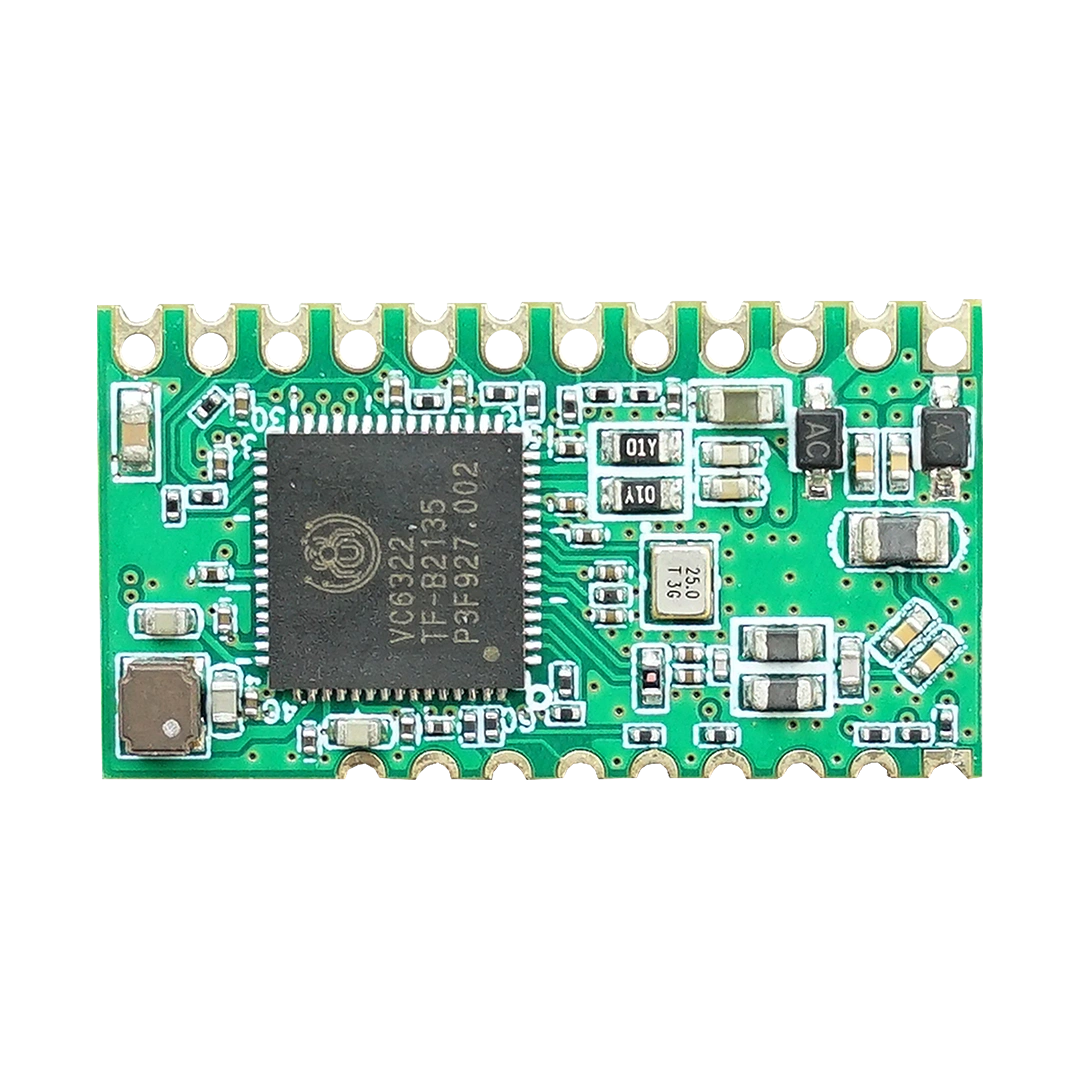
- Power line-based communication (PLC)
- AI-powered vision sensors (cameras + edge computing)
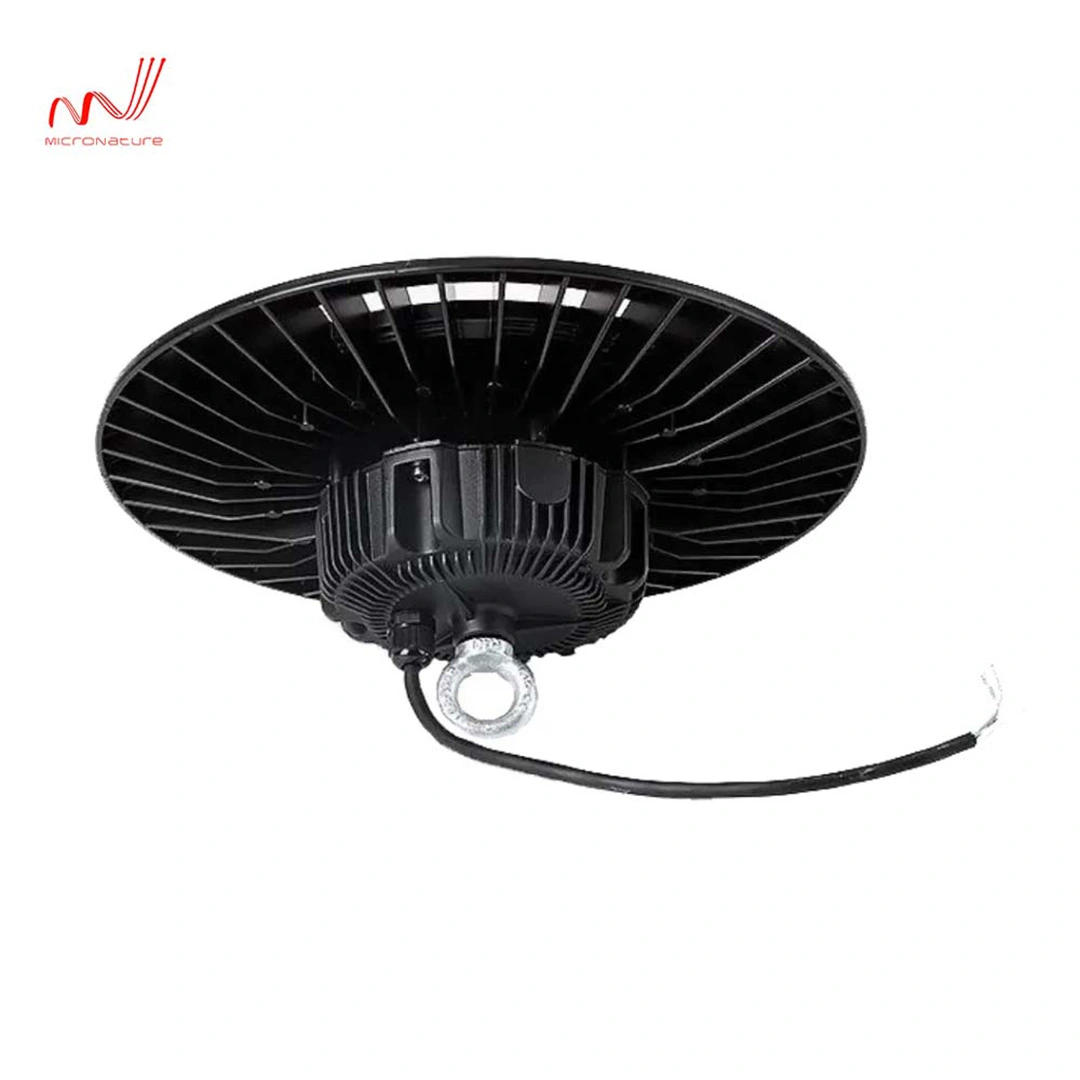
- Smart lighting controllers
👉 In simple terms:
It transforms lighting infrastructure into an intelligent sensing and control network
How the System Works
1. AI Vision Sensor (Core Intelligence)
Installed on or near lighting fixtures, AI vision sensors can:
- Detect vehicles, pedestrians, and objects
- Recognize license plates (LPR)
- Analyze traffic flow
- Identify anomalies (accidents, stopped vehicles)
2. Edge AI Processing
Instead of sending raw video to the cloud:
- Data is processed locally
- Only meaningful insights are transmitted
👉 Benefits:
- Lower latency
- Reduced bandwidth
- Faster response
3. PLC Communication Network
All devices communicate via power lines:
- No wireless dependency
- Stable in tunnels and industrial zones
- Real-time command delivery
4. Smart Lighting Controller
Each lighting node:
- Receives commands via PLC
- Adjusts brightness dynamically
- Reports status and faults
5. Central Management System (CMS)
- Monitors entire network
- Stores analytics
- Enables remote control
👉 Data Flow:
AI Sensor → Edge Processing → PLC Network → Lighting Adjustment → CMS Dashboard
Why PLC + AI Vision Matters
🚦 1. Real-Time Safety Enhancement
Lighting adapts instantly based on:
- Vehicle speed
- Traffic density
- Pedestrian presence
👉 Critical for:
- Highways
- Tunnels
- Urban intersections
💡 2. Adaptive Energy Optimization
Instead of static lighting:
- Lights dim when no activity
- Brighten when motion is detected
👉 Typical savings:
30–60% energy reduction
📡 3. Reliable Communication in Harsh Environments
Unlike wireless systems:
- No RF interference
- Works underground and in metal-heavy environments
🤖 4. Data-Driven Infrastructure
System generates:
- Traffic analytics
- Usage patterns
- Incident detection
👉 Lighting becomes a data platform, not just illumination
🔧 5. Reduced Maintenance Costs
- Automatic fault detection
- Predictive maintenance
- Remote diagnostics
Key Applications
🚇 Tunnel Lighting Systems
- Detect entering/exiting vehicles
- Adjust brightness zones dynamically
- Improve driver visibility and safety
👉 PLC ensures stable communication underground
🛣️ Smart Highways
- Adaptive lighting based on traffic flow
- Accident detection
- Emergency response triggers
🏭 Industrial Facilities
- Monitor movement in restricted areas
- Improve worker safety
- Optimize lighting usage
🏙️ Smart City Infrastructure
- Integrates with traffic systems
- Supports surveillance and analytics
- Enables centralized control
⚖️ PLC + AI Vision vs Traditional Smart Lighting
| Feature | Traditional Smart Lighting | PLC + AI Vision |
|---|---|---|
| Control | Scheduled / manual | Real-time adaptive |
| Data | Limited | Rich analytics |
| Safety | Passive | Active detection |
| Communication | Wireless dependent | Power line (stable) |
| Intelligence | Low | High (AI-driven) |
👉 Conclusion:
Traditional systems react slowly, while PLC + AI systems think and respond instantly
Real-World Use Case (Simplified)
Scenario: Highway Lighting System
Without AI:
- Lights operate on schedule
- No awareness of traffic
With PLC + AI Vision:
- Detects approaching vehicles
- Increases brightness ahead
- Reduces lighting behind
- Detects stopped vehicles or accidents
👉 Result:
- Higher safety
- Lower energy consumption
- Faster incident response
Challenges (And How to Solve Them)
⚠️ Initial System Complexity
Solution:
- Use modular architecture
- Deploy in phases
⚠️ Higher Upfront Cost
Reality:
- Offset by long-term energy and maintenance savings
⚠️ Data Processing Requirements
Solution:
- Use edge AI (reduces cloud dependency)
Future Trends
AI + Lighting + Infrastructure Convergence
Lighting systems will become:
- Multi-sensor platforms
- Integrated with smart cities
- Connected to traffic, security, and energy systems
Hybrid Communication Systems
- PLC + 5G
- PLC + NB-IoT
Autonomous Infrastructure
- Self-adjusting lighting
- Predictive safety systems
- Fully automated control