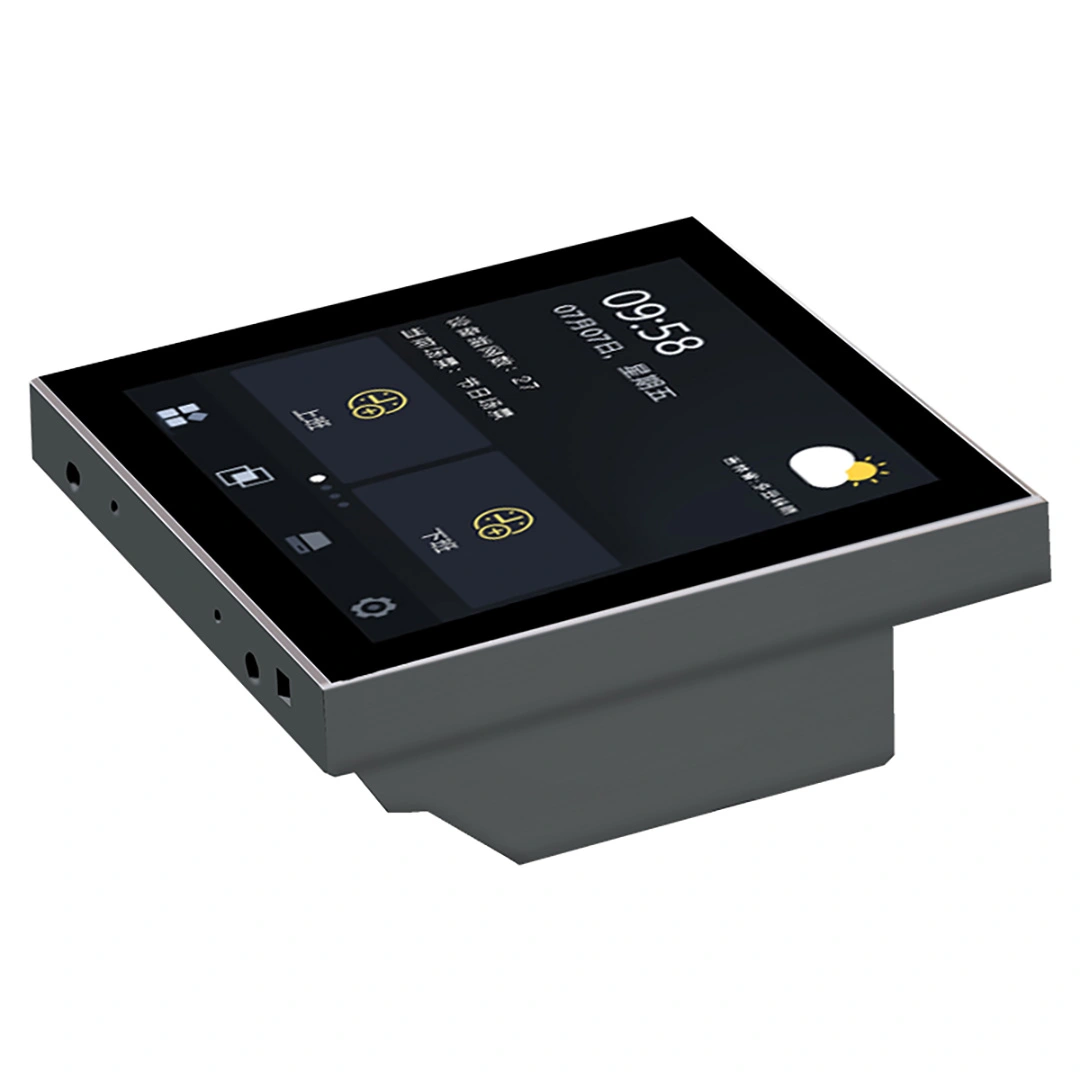
Detailed Technical Specifications
For professionals like EPC contractors and system integrators, having access to detailed technical specifications is crucial for project planning and execution. Our PLC warehouse lighting solutions are designed with this in mind, offering comprehensive data on each core component. Let’s delve into the specifics:
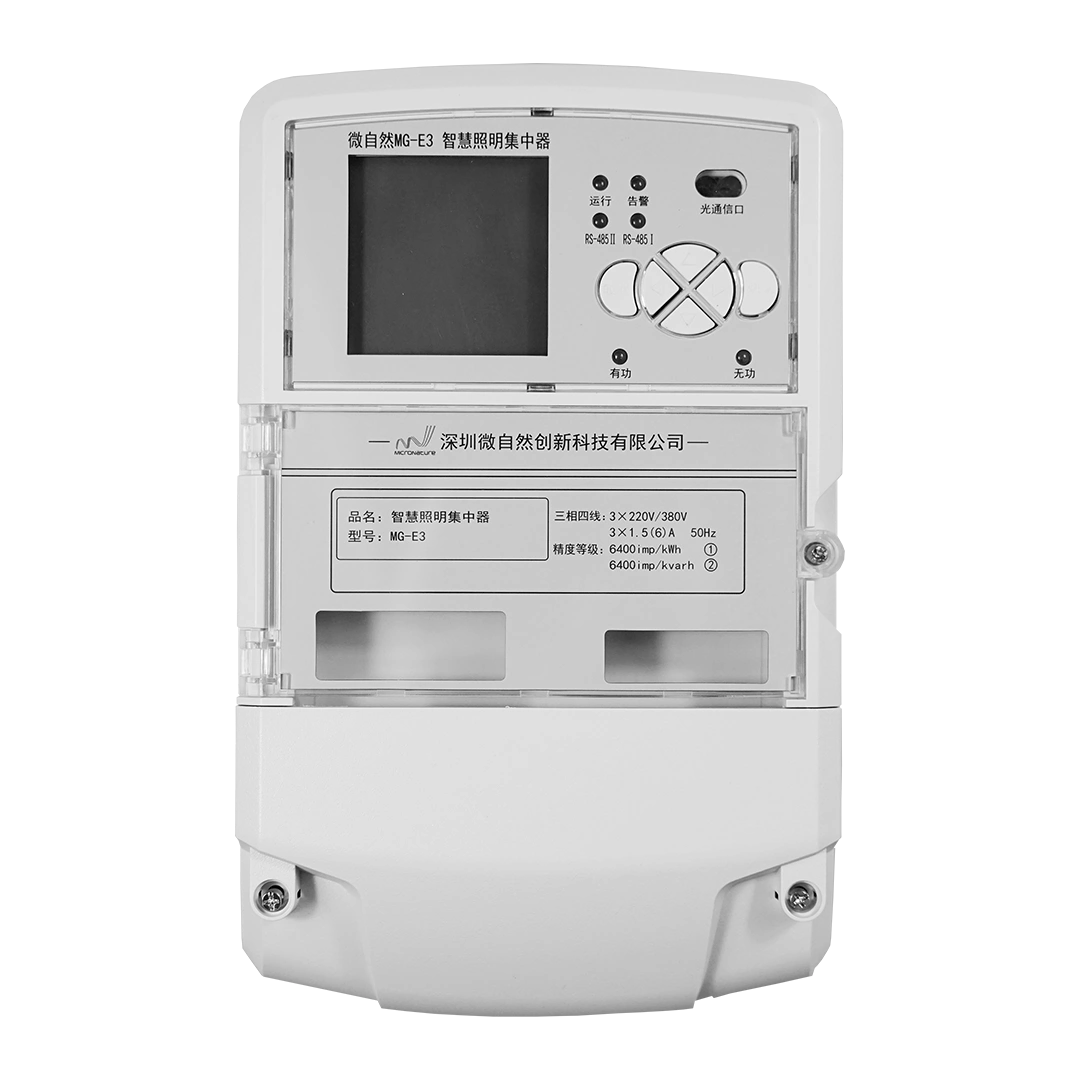
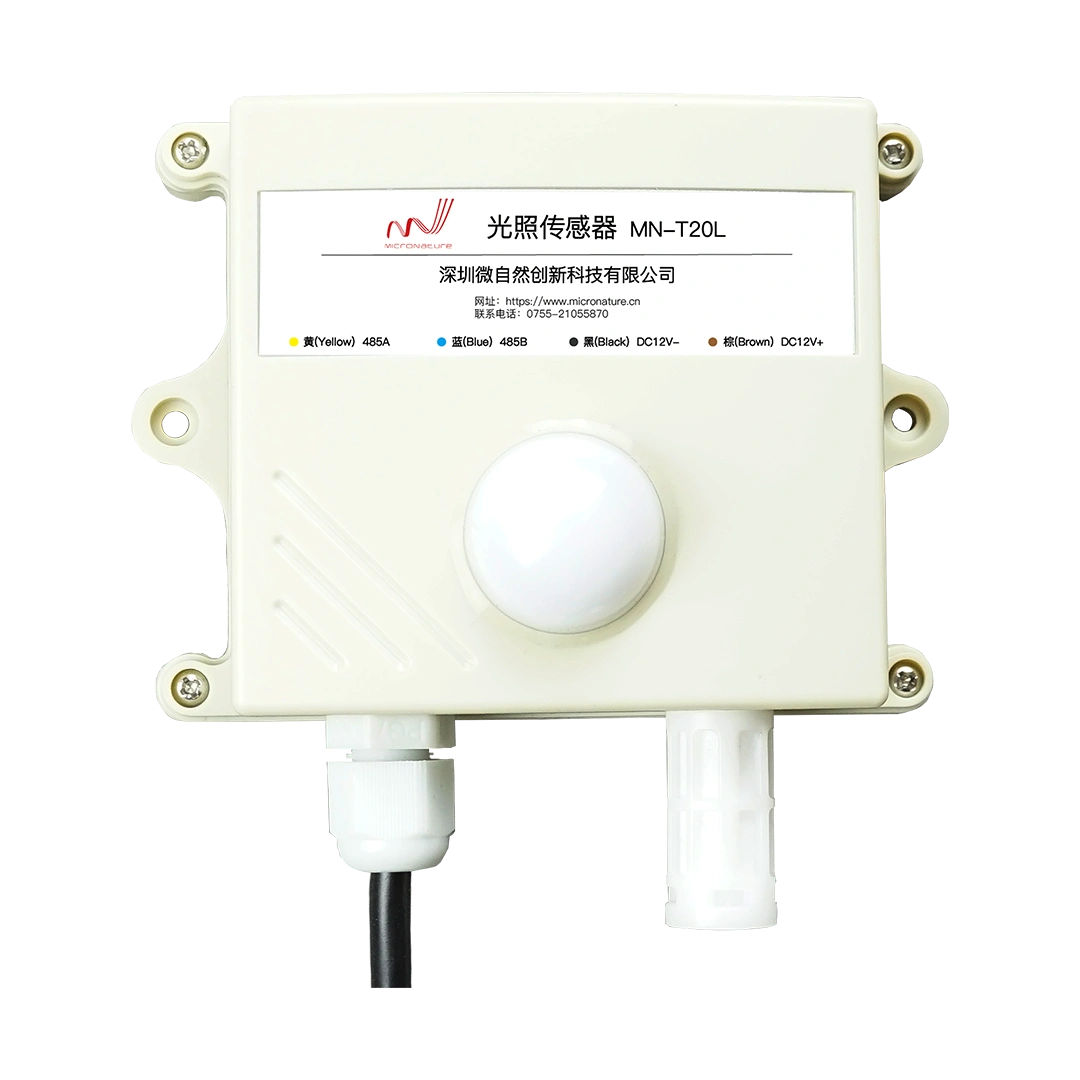
PLC Data Concentrator: The heart of the system, the PLC Data Concentrator, aggregates data from various lighting nodes and facilitates communication across the network. Key specifications include its processing power (measured in MHz), memory capacity (RAM and Flash), supported communication protocols (e.g., Modbus, Ethernet), and the number of lighting nodes it can manage simultaneously. Understanding these parameters helps in determining the scalability of the system for different warehouse sizes. High-resolution images and schematic diagrams illustrate the physical layout and connection points, ensuring ease of integration.
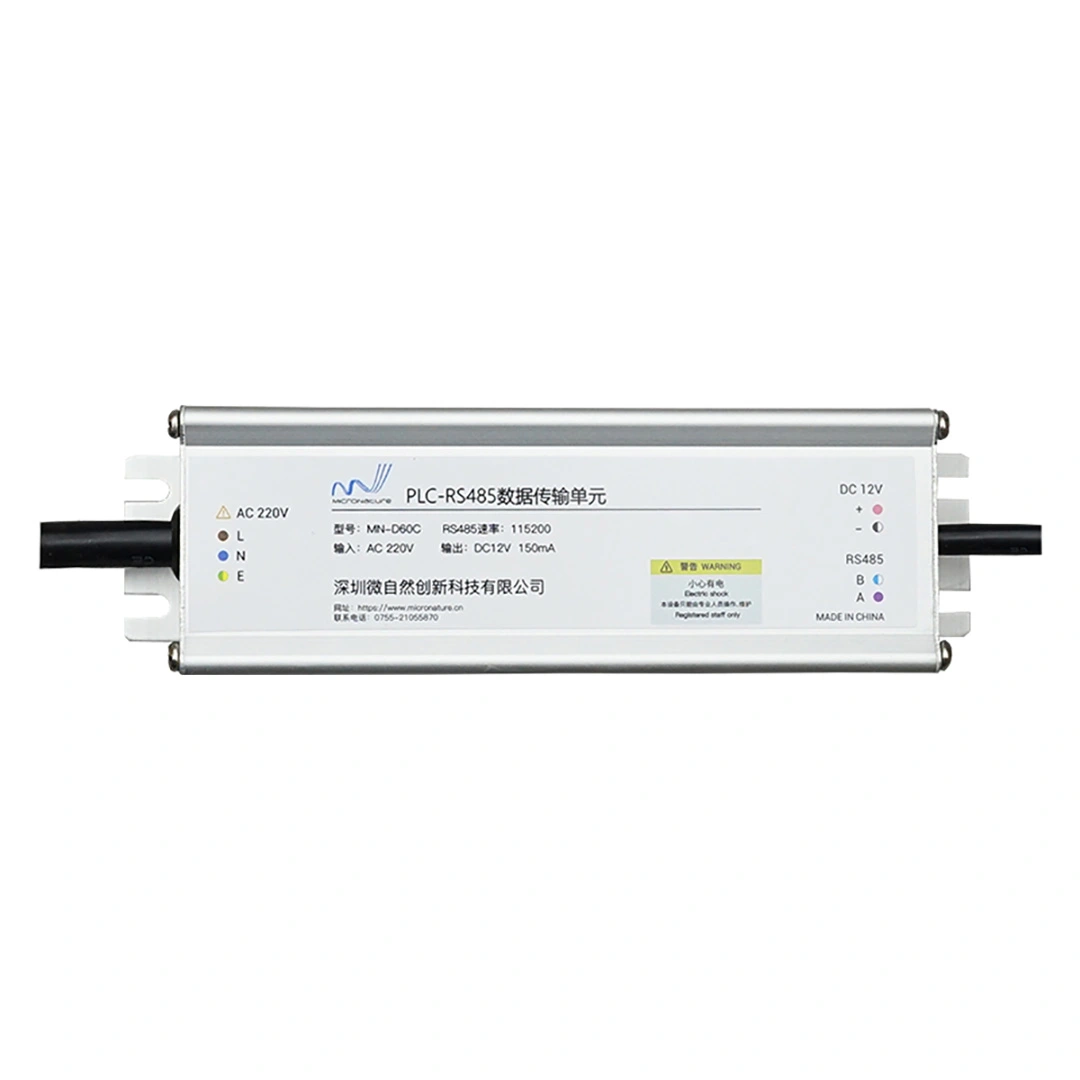
Data Transfer Units: These units are responsible for transmitting data between the concentrator and individual light fixtures. Technical specifications include the wireless communication range (in meters), data transmission rate (in Mbps), power consumption, and operating frequency. Detailed diagrams show how these units connect to the lighting fixtures and the concentrator, providing a clear understanding of the network topology. For instance, knowing the IP rating (e.g., IP65) ensures the unit's suitability for harsh warehouse environments.
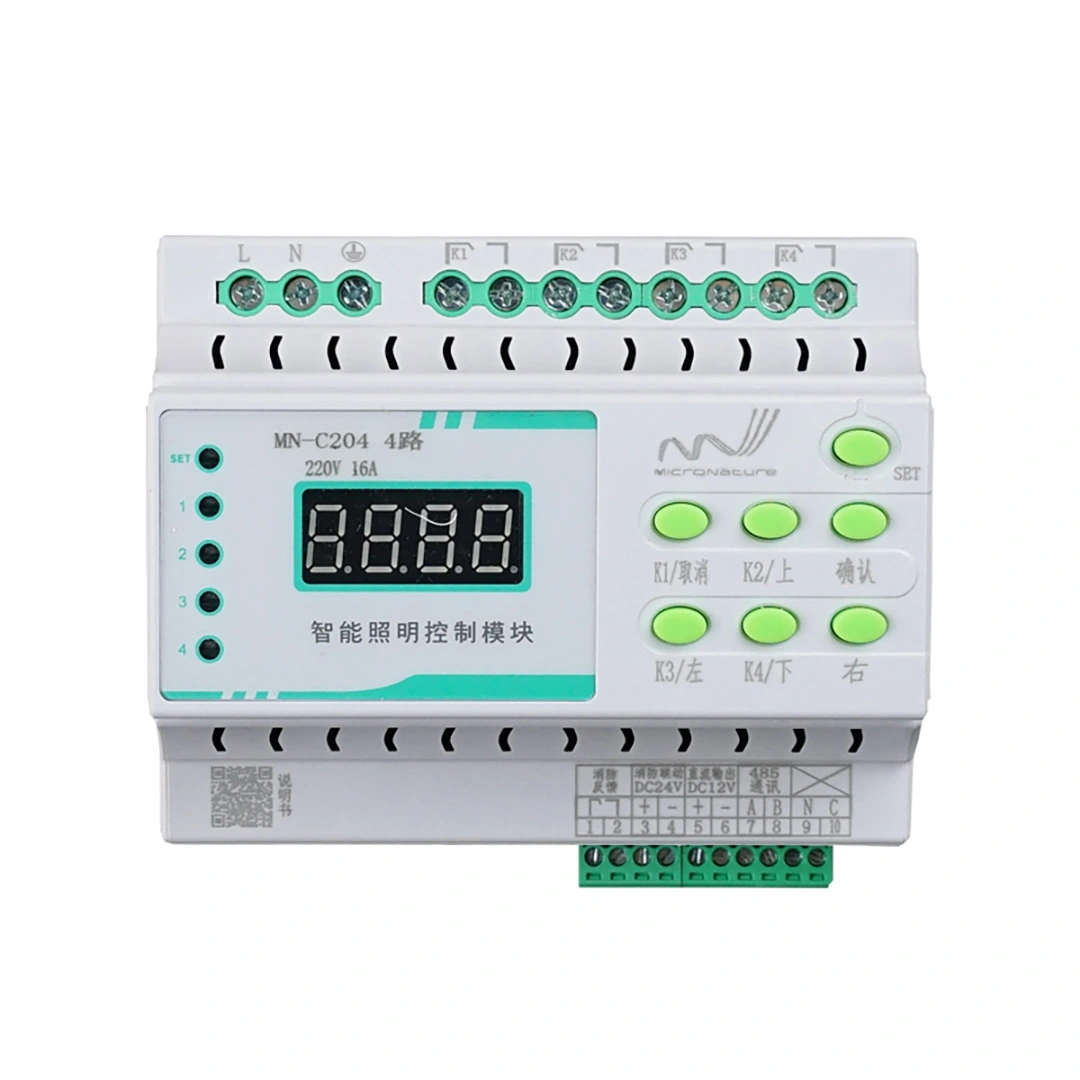
Loop Controllers: Loop controllers manage individual lighting circuits or zones, providing granular control over lighting levels. Specifications to consider include the number of channels supported, dimming range (e.g., 0-10V), input voltage, and power handling capacity. Schematics illustrate how these controllers integrate into the lighting circuit, allowing for precise adjustments and energy savings. Understanding the controller's compatibility with different dimming protocols is essential for seamless operation.
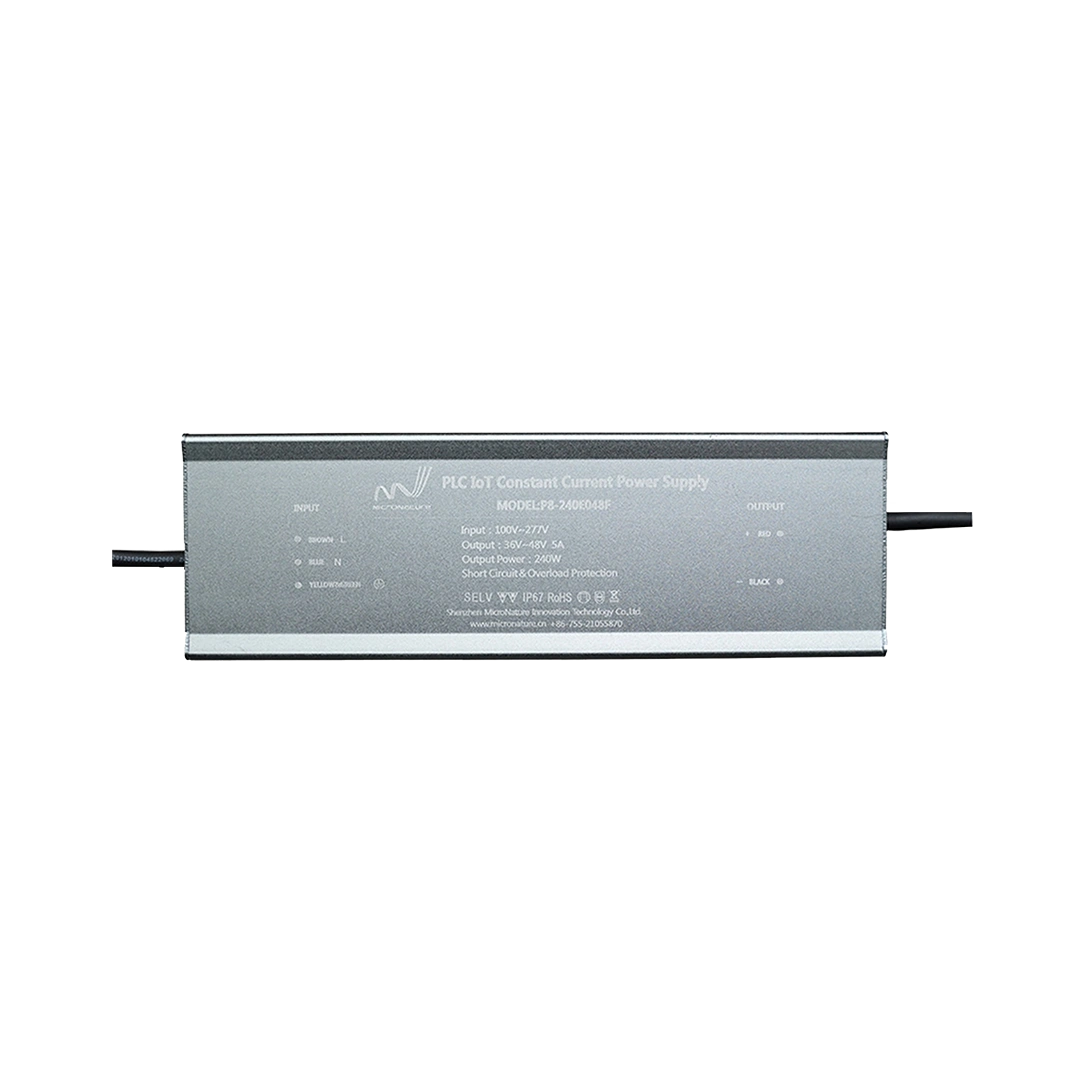
LED Drivers: The performance of LED drivers directly impacts the efficiency and lifespan of the LED fixtures. Key specifications include the output voltage and current, power factor, total harmonic distortion (THD), and efficiency rating. High-resolution images and datasheets provide a detailed view of the driver's components and performance characteristics. A high power factor and low THD are indicative of a high-quality driver that minimizes energy waste and ensures stable operation.
High-Resolution Product Images and Schematics: Each component is accompanied by high-resolution images that allow for a detailed visual inspection. Schematic diagrams illustrate the internal workings and connection points, providing a clear understanding of the system's architecture. These visuals are invaluable for troubleshooting and maintenance.
By providing these detailed technical specifications, we empower EPC contractors and system integrators to make informed decisions, optimize their designs, and ensure the successful implementation of our PLC warehouse lighting solutions. This level of transparency and detail minimizes guesswork and facilitates efficient project execution.
Case Studies and Real-World Examples
Understanding how PLC lighting solutions perform in real-world warehouse environments is crucial for potential adopters. Case studies provide concrete evidence of the benefits and demonstrate the effectiveness of our technology. Here are a few examples:
Case Study 1: Large Distribution Center in Chicago
Challenge: A 500,000 sq ft distribution center was struggling with high energy costs and inconsistent lighting levels, leading to safety concerns and reduced productivity.
Solution: Implemented a PLC-controlled LED lighting system with motion sensors and daylight harvesting. The system was designed to automatically adjust lighting levels based on occupancy and ambient light, ensuring optimal illumination while minimizing energy consumption.
Results: Energy consumption was reduced by 65%, resulting in annual cost savings of $150,000. Improved lighting levels enhanced worker safety and productivity, leading to a 15% increase in order fulfillment rates. The payback period for the investment was less than 2 years.
Case Study 2: Food Storage Warehouse in Rotterdam
Challenge: A food storage warehouse required precise temperature and humidity control, and the existing lighting system was contributing to excessive heat generation, increasing cooling costs.
Solution: Replaced the existing lighting with a PLC-controlled LED system that generates minimal heat. The system was integrated with the warehouse management system (WMS) to provide automated lighting control based on storage requirements and operational schedules.
Results: Cooling costs were reduced by 20%, and overall energy consumption decreased by 55%. The PLC system also provided real-time monitoring of lighting performance, allowing for proactive maintenance and preventing downtime. The improved lighting quality enhanced visibility and reduced the risk of accidents.
Case Study 3: Automotive Parts Warehouse in Detroit
Challenge: An automotive parts warehouse needed to improve its lighting system to meet OSHA safety standards and reduce its carbon footprint.
Solution: Installed a PLC-controlled LED lighting system with adaptive lighting profiles tailored to different areas of the warehouse, such as loading docks, storage aisles, and packing stations. The system included emergency lighting and remote monitoring capabilities.
Results: The warehouse achieved a 70% reduction in energy consumption and a significant decrease in carbon emissions. The improved lighting met OSHA standards, ensuring a safer working environment. The remote monitoring feature allowed for quick identification and resolution of any lighting issues, minimizing disruption to operations.
These case studies highlight the tangible benefits of PLC lighting solutions in diverse warehouse environments. The detailed descriptions of each case, including the challenges, solutions, and results, provide valuable insights for decision-makers considering similar upgrades.
Customer Testimonials
Hearing directly from satisfied customers can significantly influence the decision-making process. Real testimonials provide credibility and demonstrate the positive impact of our PLC warehouse lighting solutions. Here are a few examples:
John D., Operations Manager, Chicago Distribution Center: "Since implementing the PLC lighting system, our energy bills have plummeted. The smart controls allow us to optimize lighting levels based on occupancy and daylight, resulting in substantial cost savings. The improved lighting has also enhanced worker safety and productivity. I highly recommend this solution to any warehouse looking to improve efficiency and reduce energy consumption."
Maria S., Facility Manager, Rotterdam Food Storage Warehouse: "The PLC-controlled LED lighting system has been a game-changer for our facility. The reduced heat generation has significantly lowered our cooling costs, and the improved lighting quality has made a noticeable difference in the working environment. The system is easy to manage and provides real-time monitoring of lighting performance, allowing us to proactively address any issues. We are extremely satisfied with the results."
Robert L., Safety Director, Detroit Automotive Parts Warehouse: "Safety is our top priority, and the PLC lighting system has helped us meet and exceed OSHA standards. The adaptive lighting profiles ensure optimal illumination in all areas of the warehouse, reducing the risk of accidents. The remote monitoring feature allows us to quickly identify and resolve any lighting issues, minimizing disruption to operations. This system has not only improved safety but also reduced our energy consumption and carbon footprint."
Additional Testimonials:
- Sarah K., Logistics Coordinator: "The installation was seamless, and the system is incredibly user-friendly. The energy savings are impressive, and the improved lighting has created a more pleasant and productive work environment."
- David M., Warehouse Supervisor: "The ability to control lighting levels remotely has been a huge benefit. We can easily adjust the lighting based on the task at hand, ensuring optimal visibility and reducing eye strain. The system has also helped us reduce our maintenance costs."
These testimonials highlight the key benefits of our PLC warehouse lighting solutions, including energy savings, improved safety, enhanced productivity, and ease of use. By sharing these real-world experiences, we provide potential customers with valuable insights and build trust in our products.
Installation Guide and Video Tutorials
A smooth and efficient installation process is essential for maximizing the benefits of a PLC lighting system. We provide comprehensive installation guides and video tutorials to ensure that installers can quickly and effectively set up the system. Here's what you can expect:
Step-by-Step Installation Guide: Our detailed installation guide provides clear, step-by-step instructions for each component of the PLC lighting system. The guide includes:
- Wiring Diagrams: Detailed wiring diagrams illustrate how to connect the PLC Data Concentrator, Data Transfer Units, Loop Controllers, and LED drivers.
- Mounting Instructions: Clear instructions on how to properly mount each component, ensuring secure and reliable operation.
- Configuration Steps: Step-by-step instructions on how to configure the system settings, including network parameters, lighting profiles, and sensor configurations.
- Troubleshooting Tips: Common troubleshooting tips and solutions to help installers quickly resolve any issues that may arise.
Video Tutorials: Our video tutorials provide a visual guide to the installation process, making it even easier to understand and follow. The videos cover:
- Overview of the System: An introduction to the PLC lighting system and its components.
- Installation Procedures: Step-by-step demonstrations of the installation process, including wiring, mounting, and configuration.
- Configuration Walkthrough: A detailed walkthrough of the system configuration process, showing how to set up network parameters, lighting profiles, and sensor configurations.
- Troubleshooting Tips: Practical tips on how to troubleshoot common issues and resolve them quickly.
Example Video Tutorial Topics:
- "How to Install a PLC Data Concentrator"
- "Connecting Data Transfer Units to LED Fixtures"
- "Configuring Loop Controllers for Optimal Lighting"
- "Troubleshooting Common Installation Issues"
By providing these comprehensive installation guides and video tutorials, we empower installers to quickly and effectively set up our PLC lighting systems, minimizing downtime and maximizing the benefits of the technology.
Comparison with Other Lighting Technologies
Understanding the differences between PLC lighting technology and other options like Wi-Fi, Zigbee, and DALI is crucial for making an informed decision. Here’s a comparison:
PLC Lighting vs. Wi-Fi Control:
- Reliability: PLC (Power Line Communication) uses existing electrical wiring, providing a more reliable communication channel compared to Wi-Fi, which can be susceptible to interference and dropouts.
- Scalability: PLC systems are highly scalable, making them suitable for large warehouses with numerous lighting fixtures. Wi-Fi networks may struggle to support a large number of connected devices.
- Security: PLC offers enhanced security due to its isolated communication channel, reducing the risk of cyberattacks compared to Wi-Fi.
- Cost: PLC systems may have a higher initial cost due to the specialized hardware required, but the long-term reliability and performance benefits can outweigh the cost difference.
PLC Lighting vs. Zigbee:
- Range: Zigbee is a low-power wireless communication protocol with a limited range. PLC can transmit data over longer distances using existing power lines, making it more suitable for large warehouses.
- Interference: Zigbee networks can be susceptible to interference from other wireless devices. PLC is less prone to interference due to its use of power lines for communication.
- Complexity: Zigbee networks can be more complex to set up and maintain compared to PLC systems, which leverage existing electrical infrastructure.
- Cost: Zigbee systems may have a lower initial cost, but the limited range and potential for interference can make them less reliable in large warehouse environments.
PLC Lighting vs. DALI:
- Infrastructure: DALI (Digital Addressable Lighting Interface) requires dedicated wiring for communication, while PLC uses existing power lines, reducing the need for additional wiring.
- Flexibility: DALI offers a high degree of flexibility in terms of lighting control and customization. PLC provides a balance of flexibility and ease of installation.
- Cost: DALI systems can be more expensive to install due to the need for dedicated wiring. PLC offers a more cost-effective solution for warehouses with existing electrical infrastructure.
- Complexity: DALI systems can be more complex to configure and maintain compared to PLC systems, which offer a simpler and more streamlined approach to lighting control.
Table: Comparison of Lighting Technologies
| Technology |
Reliability |
Scalability |
Security |
Cost |
Infrastructure |
| PLC |
High |
High |
High |
Moderate |
Existing Power Lines |
| Wi-Fi |
Low |
Moderate |
Low |
Low |
Wireless |
| Zigbee |
Moderate |
Moderate |
Moderate |
Low |
Wireless |
| DALI |
High |
High |
High |
High |
Dedicated Wiring |
By understanding these comparisons, you can choose the lighting technology that best suits your warehouse needs, considering factors such as reliability, scalability, security, cost, and infrastructure requirements.
Sustainability and Environmental Impact
PLC lighting technology offers significant contributions to sustainability and environmental protection. By reducing energy consumption and carbon emissions, these systems help warehouses minimize their environmental footprint. Here’s how:
Energy Efficiency: PLC-controlled LED lighting systems are highly energy-efficient, consuming up to 70% less energy compared to traditional lighting technologies. The smart controls allow for precise adjustments of lighting levels based on occupancy and daylight, further reducing energy waste.
Reduced Carbon Emissions: By reducing energy consumption, PLC lighting systems also reduce carbon emissions. This helps warehouses comply with environmental regulations and contribute to global efforts to combat climate change.
Extended Lifespan: LED lighting fixtures have a much longer lifespan compared to traditional lighting technologies, reducing the need for frequent replacements. This minimizes waste and reduces the environmental impact associated with manufacturing and disposal.
Minimized Heat Generation: LED lighting generates minimal heat compared to traditional lighting, reducing the need for cooling and further reducing energy consumption. This is particularly beneficial for warehouses that require precise temperature control, such as food storage facilities.
Third-Party Certifications: Our PLC lighting systems are certified by leading environmental organizations, such as Energy Star and LEED. These certifications provide assurance that our products meet stringent environmental standards and contribute to sustainable building practices.
Environmental Impact Assessment Reports: We provide detailed environmental impact assessment reports that quantify the environmental benefits of our PLC lighting solutions. These reports include data on energy savings, carbon emission reductions, and waste minimization.
Example Environmental Benefits:
- Energy Savings: Up to 70% reduction in energy consumption compared to traditional lighting.
- Carbon Emission Reduction: Significant decrease in carbon emissions, contributing to climate change mitigation.
- Waste Minimization: Extended lifespan of LED fixtures reduces the need for frequent replacements and minimizes waste.
- Reduced Cooling Costs: Minimal heat generation reduces the need for cooling and lowers energy consumption.
By adopting PLC lighting technology, warehouses can significantly reduce their environmental impact and contribute to a more sustainable future. The combination of energy efficiency, reduced carbon emissions, extended lifespan, and minimized heat generation makes PLC lighting a responsible and environmentally friendly choice.
FAQs Section
To provide quick and easy answers to common questions, we've compiled a comprehensive FAQs section covering various aspects of our PLC warehouse lighting solutions:
General Questions:
- What is PLC lighting technology?
PLC (Power Line Communication) lighting technology uses existing electrical wiring to transmit data and control lighting fixtures. This eliminates the need for additional wiring and provides a reliable communication channel.
- What are the benefits of PLC lighting for warehouses?
PLC lighting offers numerous benefits, including energy savings, improved safety, enhanced productivity, reduced carbon emissions, and ease of installation.
- How does PLC lighting compare to other lighting technologies?
PLC lighting offers advantages over Wi-Fi, Zigbee, and DALI in terms of reliability, scalability, security, and infrastructure requirements. (See the "Comparison with Other Lighting Technologies" section for more details.)
Installation Questions:
- How easy is it to install a PLC lighting system?
PLC lighting systems are designed for easy installation, leveraging existing electrical infrastructure. We provide detailed installation guides and video tutorials to ensure a smooth and efficient process.
- Do I need special training to install PLC lighting?
While no special training is required, it's recommended that installers have a basic understanding of electrical wiring and lighting systems. Our installation guides and videos provide all the necessary information.
- What tools are required for installation?
The tools required for installation include standard electrical tools such as wire strippers, screwdrivers, and voltage testers.
Maintenance Questions:
- How much maintenance is required for PLC lighting systems?
PLC lighting systems require minimal maintenance due to the long lifespan of LED fixtures and the robust design of the system components.
- What happens if a lighting fixture fails?
If a lighting fixture fails, it can be easily replaced without disrupting the entire system. The PLC system will automatically detect the failure and alert the maintenance team.
- How do I troubleshoot common issues with PLC lighting?
Our troubleshooting guide provides solutions to common issues, such as communication failures and lighting inconsistencies. Our technical support team is also available to assist with any questions or concerns.
Technical Questions:
- What is the communication range of the PLC system?
The communication range of the PLC system depends on the specific components and the electrical wiring in the warehouse. In general, the system can cover a large warehouse area without any issues.
- What protocols does the PLC system support?
Our PLC systems support various communication protocols, including Modbus, Ethernet, and BACnet, allowing for seamless integration with other building management systems.
- Can I control the lighting system remotely?
Yes, our PLC lighting systems can be controlled remotely via a web-based interface or a mobile app, allowing for convenient management of lighting levels and schedules.
This FAQs section provides valuable information to potential customers, addressing their concerns and helping them make informed decisions about adopting our PLC warehouse lighting solutions.