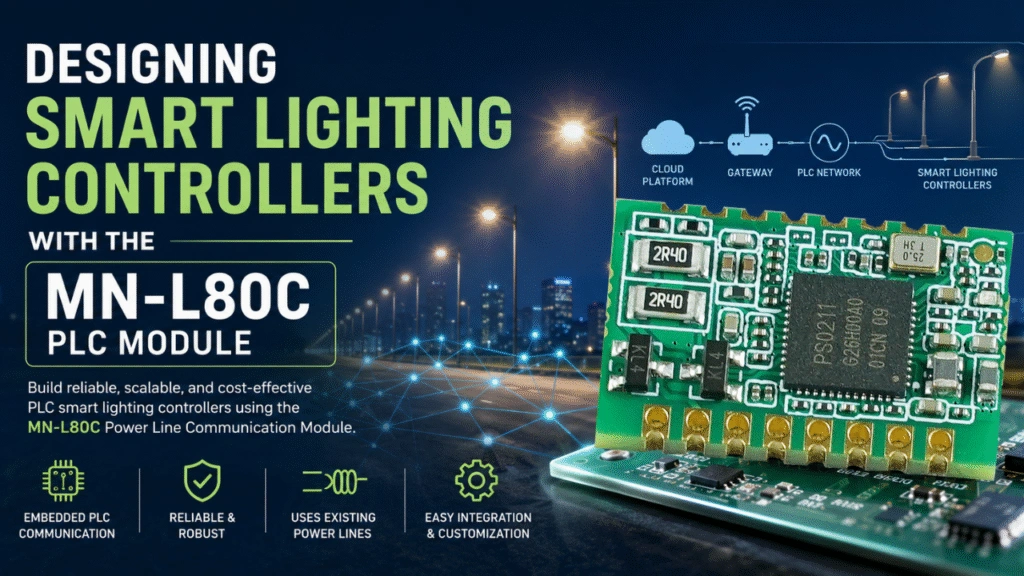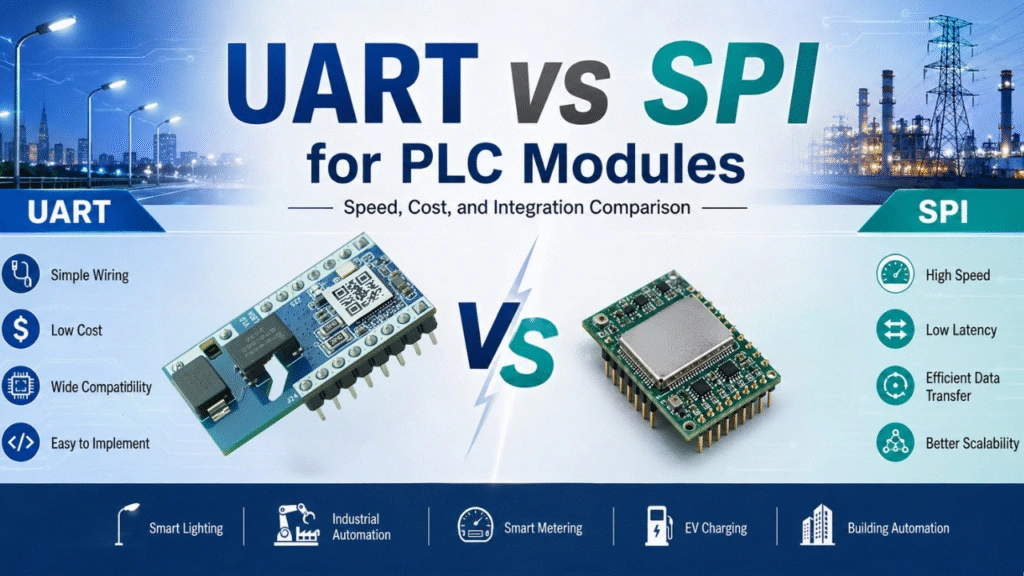
How does PLC lighting work? PLC (Power Line Communication) lighting systems transmit control signals through existing power lines, allowing centralized monitoring, remote dimming, and intelligent automation without additional communication cables. Learn more about power line communication standards from IEEE.
What Is PLC Lighting?
PLC lighting, or Power Line Communication lighting, is a technology that transmits data signals over existing electrical power lines. In other words, the same cables that deliver electricity to the lamps also carry control commands — enabling communication between the PLC gateway, dimmer drivers, controllers, sensors, and lighting devices.
This innovation eliminates the need for additional communication wiring transmitters, offering a simpler, more efficient, and cost-effective way to build smart lighting systems.
PLC Lighting System Architecture
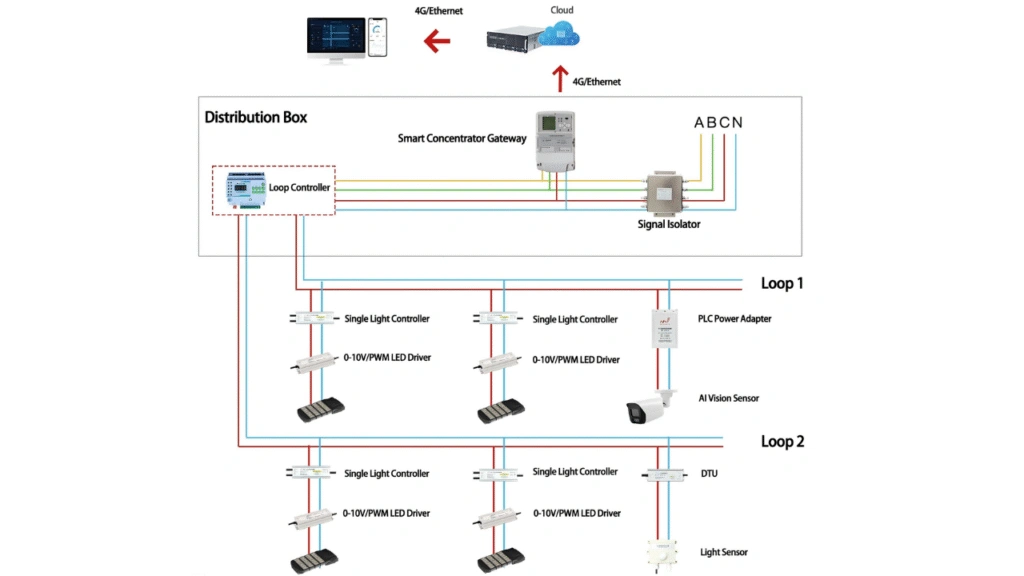
A typical PLC lighting system includes:
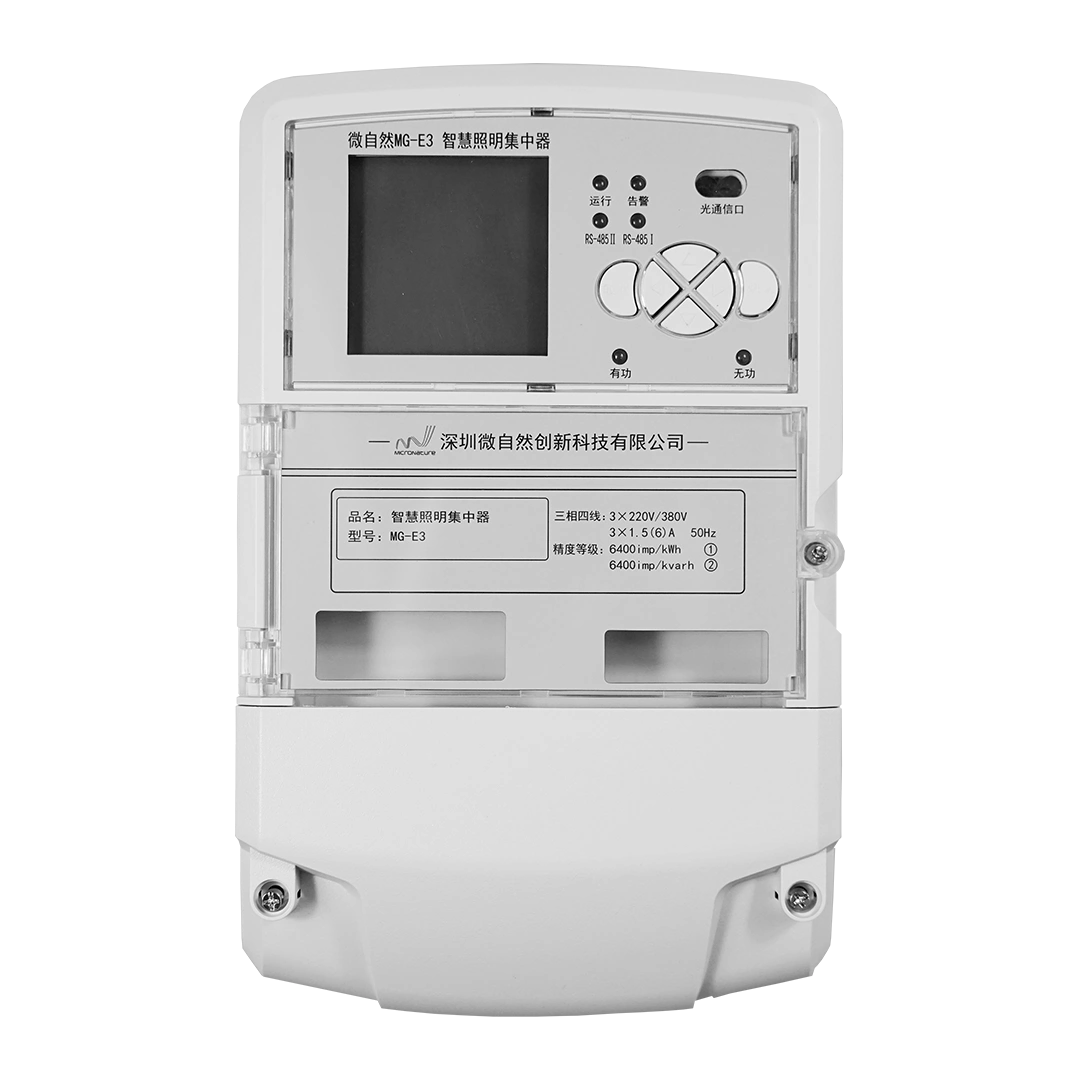
- PLC Gateway (Data Concentrator)
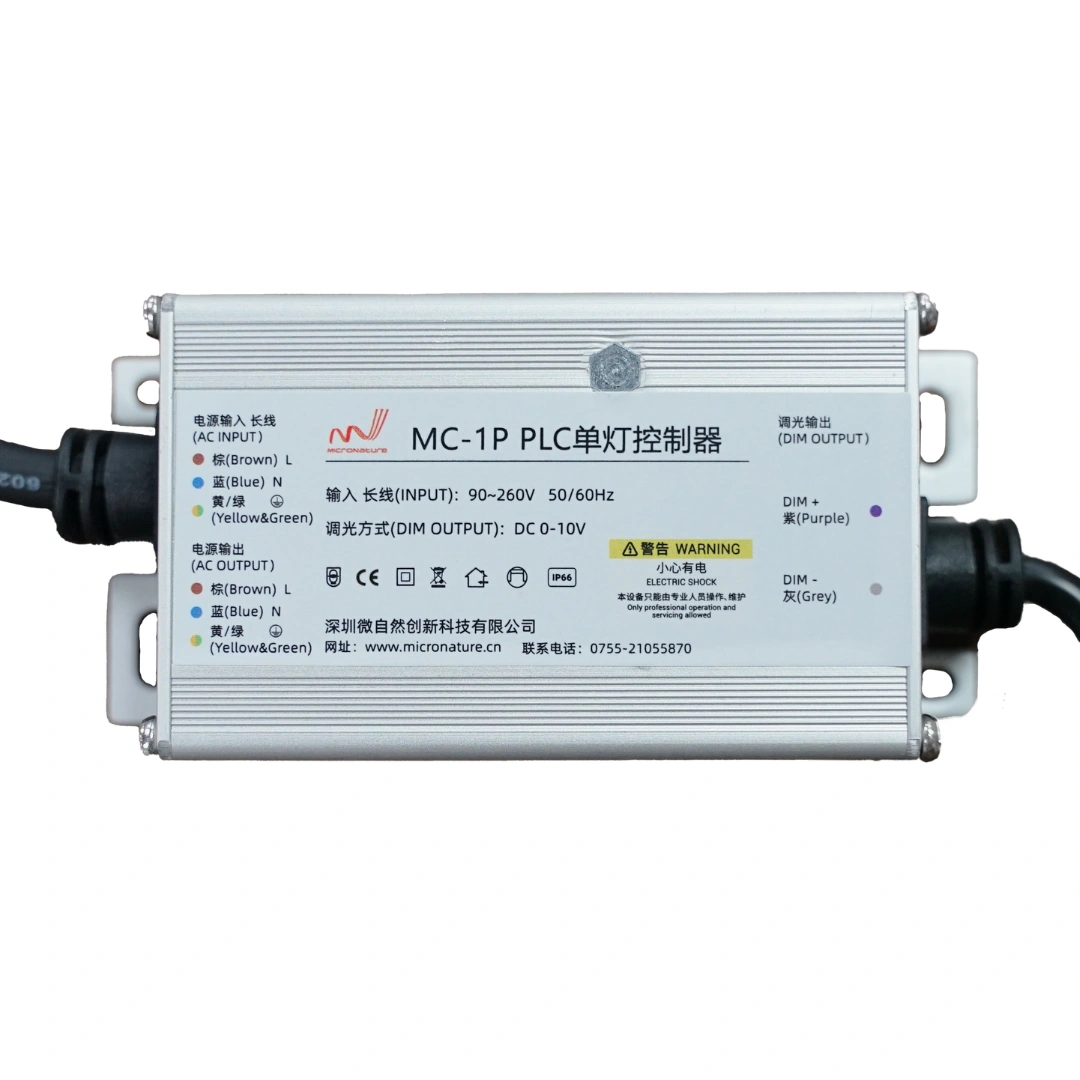
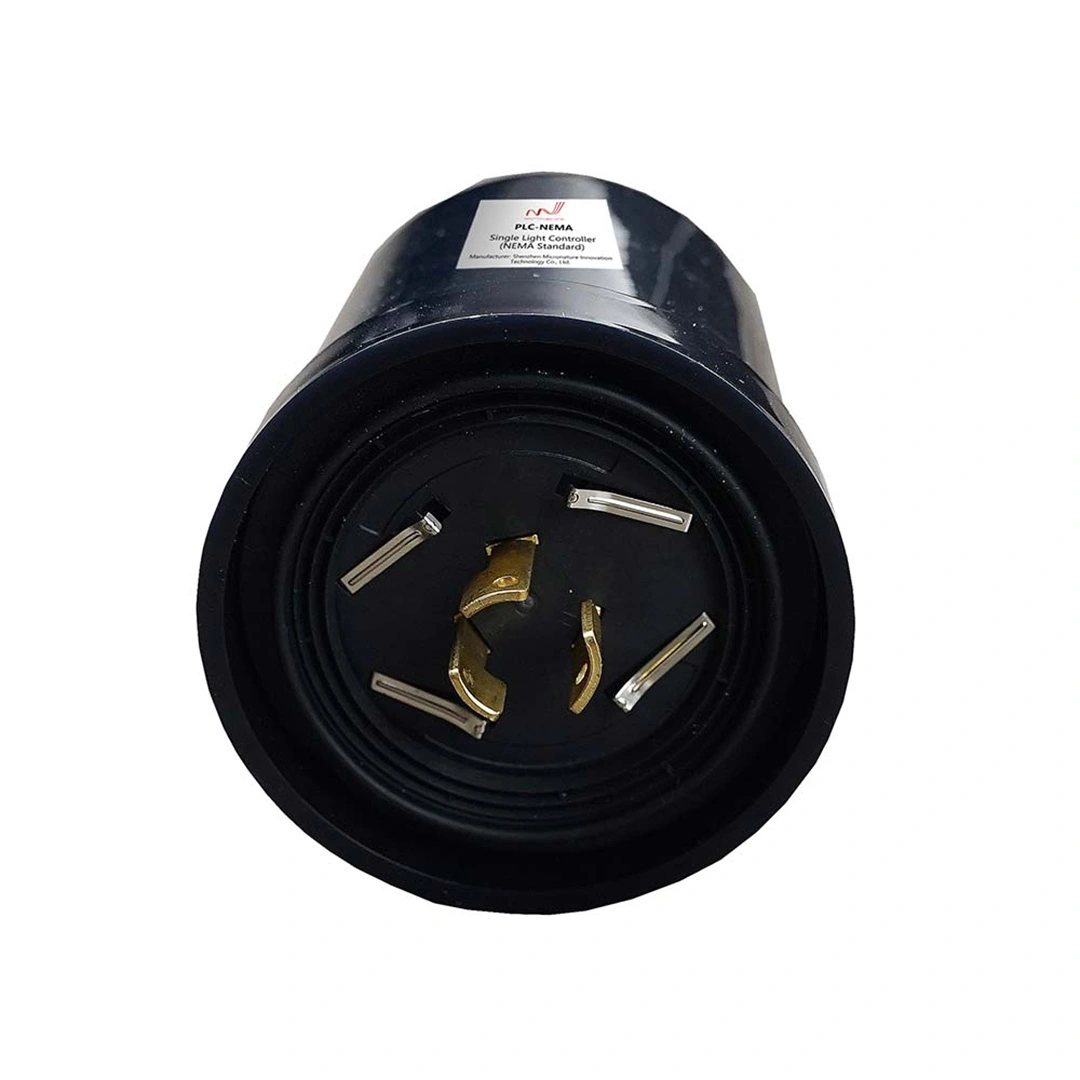
- PLC Single Light Controller
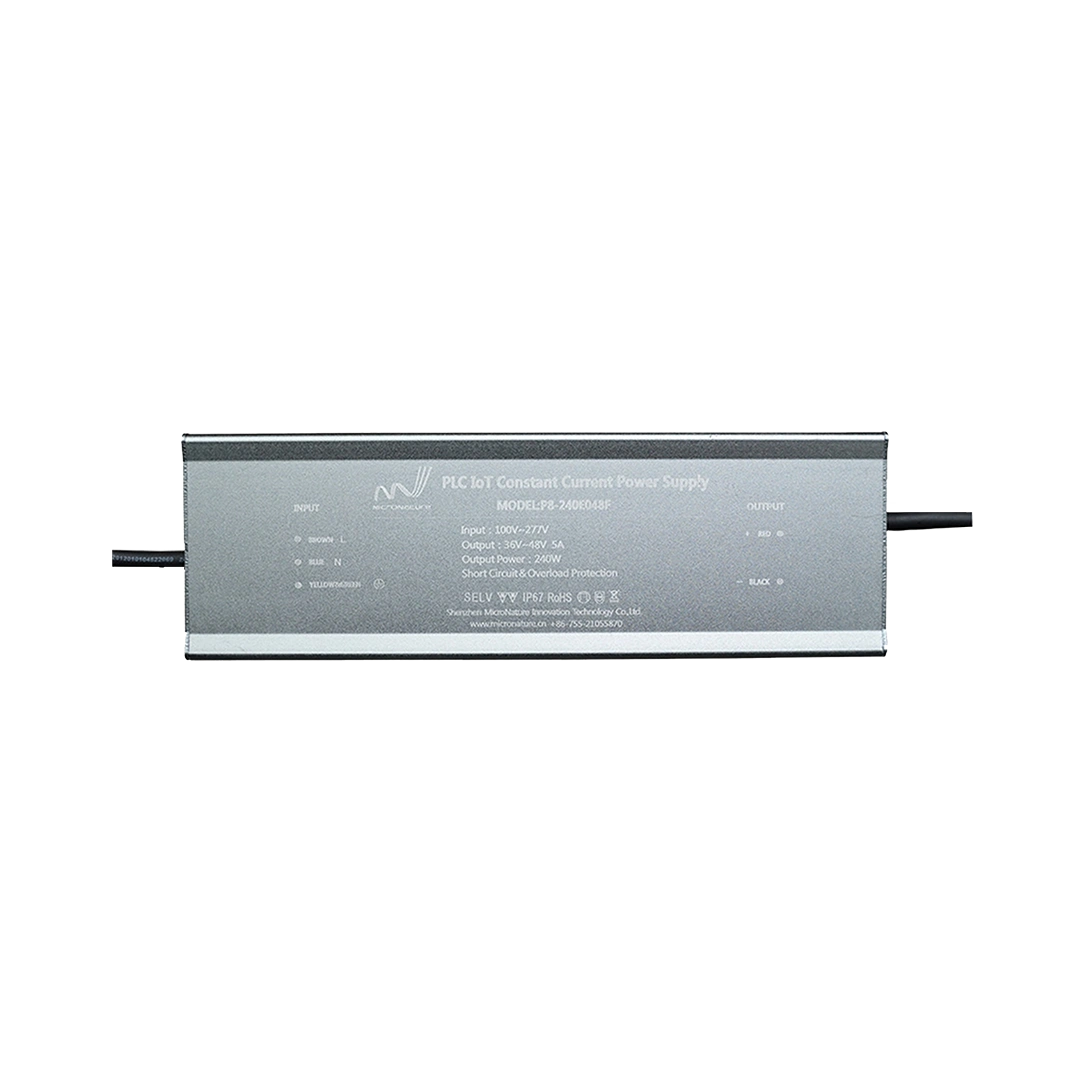
- LED Driver or Lighting Fixture
- Sensors (optional)
- Cloud Management Platform
These components work together to create a reliable and scalable smart lighting network using existing electrical wiring.
How PLC Lighting Works
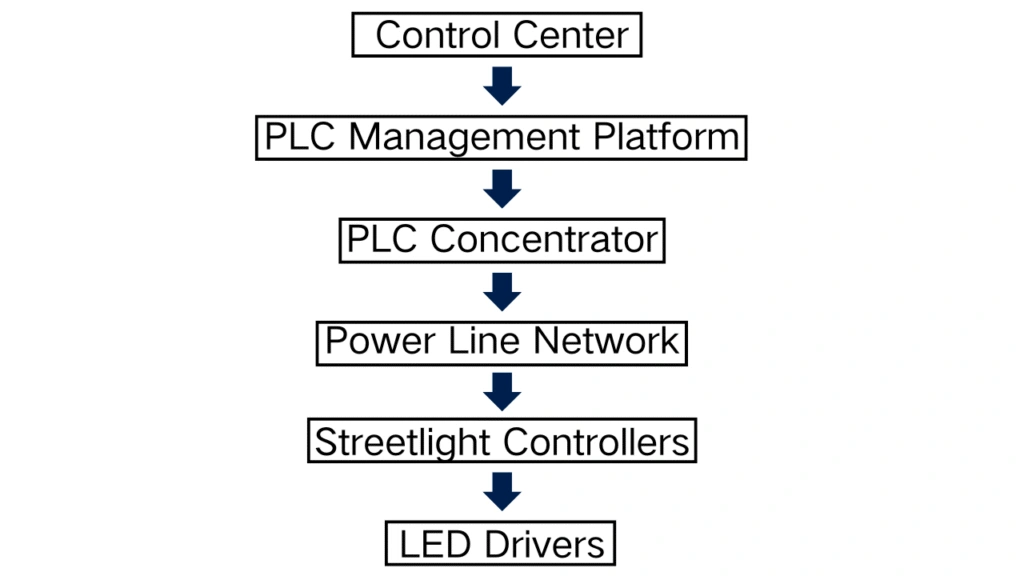
A PLC smart lighting system works by sending digital control signals through power lines. The PLC gateway converts commands into high-frequency signals, which travel along electrical cables to each lighting controller. The receiving controller then executes commands such as switching, dimming, or status reporting.
The working process of PLC lighting is straightforward yet powerful:
1. Signal Transmission:
The PLC gateway sends digital control signals through the power line network.
2. Signal Reception:
Each lighting device with a built-in PLC module receives and interprets the signal.
3. Smart Control:
The devices then respond to commands such as turning ON/OFF, dimming, scheduling, or grouping.
Because PLC technology uses the existing electrical infrastructure, it avoids common wireless issues like weak signal coverage, interference, or complex pairing processes.
PLC Lighting vs Traditional Lighting Control
| Feature | PLC Lighting | RS485 | Wireless Control |
|---|---|---|---|
| Communication Medium | Power Lines | Signal Cable | Radio Signal |
| Installation Cost | Low | High | Medium |
| Reliability | High | High | Medium |
| Maintenance | Low | Medium | Medium |
| Scalability | Excellent | Limited | Good |
Key Advantages of PLC Lighting:
-
Stable and Reliable Communication
PLC lighting provides consistent performance even in harsh industrial or outdoor environments, ensuring real-time data transmission and precise control. -
Remote Control and Monitoring
Users can remotely manage and monitor all lamps via cloud, mobile APP, or mini program — anytime, anywhere. -
Smart Dimming and Scheduling
The system supports brightness adjustment (1%–100%) and automatic schedules, optimizing energy efficiency and comfort. -
Works Even When Network Is Down
Even if the internet connection is temporarily lost, PLC lighting continues to operate according to its preset schedule and control logic — guaranteeing uninterrupted operation. -
Easy Installation and Cost Savings
Since PLC uses existing power lines, there’s no need for new cabling. This greatly reduces installation costs and makes it perfect for large-scale projects or retrofits.
Applications of PLC Lighting Systems
PLC lighting is widely applied across multiple fields, including:
- Smart Street Lighting and Urban Infrastructure
- Industrial and Warehouse Lighting Systems
- Commercial Buildings and Offices
- Smart Home and Residential Lighting
- Parking Lots and Outdoor Lighting Networks

At Shenzhen MicroNature Innovation Technology, our PLC product line includes PLC gateways, PLC dimmer drivers, PLC controllers, PLC modules, NEMA controllers, and smart sensors, all designed to integrate seamlessly into one unified lighting control platform.
Why Choose Shenzhen MicroNature Innovation Technology?
As a leading PLC technology manufacturer in China, Shenzhen MicroNature Innovation Technology Co., Ltd. is dedicated to delivering high-quality, stable, and intelligent PLC lighting solutions. Our mission is to help our partners and clients build smarter, greener, and more reliable lighting systems that perform flawlessly in any environment.
Conclusion
PLC lighting technology represents the future of smart lighting control — combining the dependability of wired communication with the flexibility of intelligent management. By using existing power lines for signal transmission, PLC lighting offers unmatched reliability, cost efficiency, and ease of deployment.
With Shenzhen MicroNature Innovation Technology’s advanced PLC solutions, your lighting system can achieve remote control, real-time monitoring, smart dimming, and continuous operation — all through the power line.