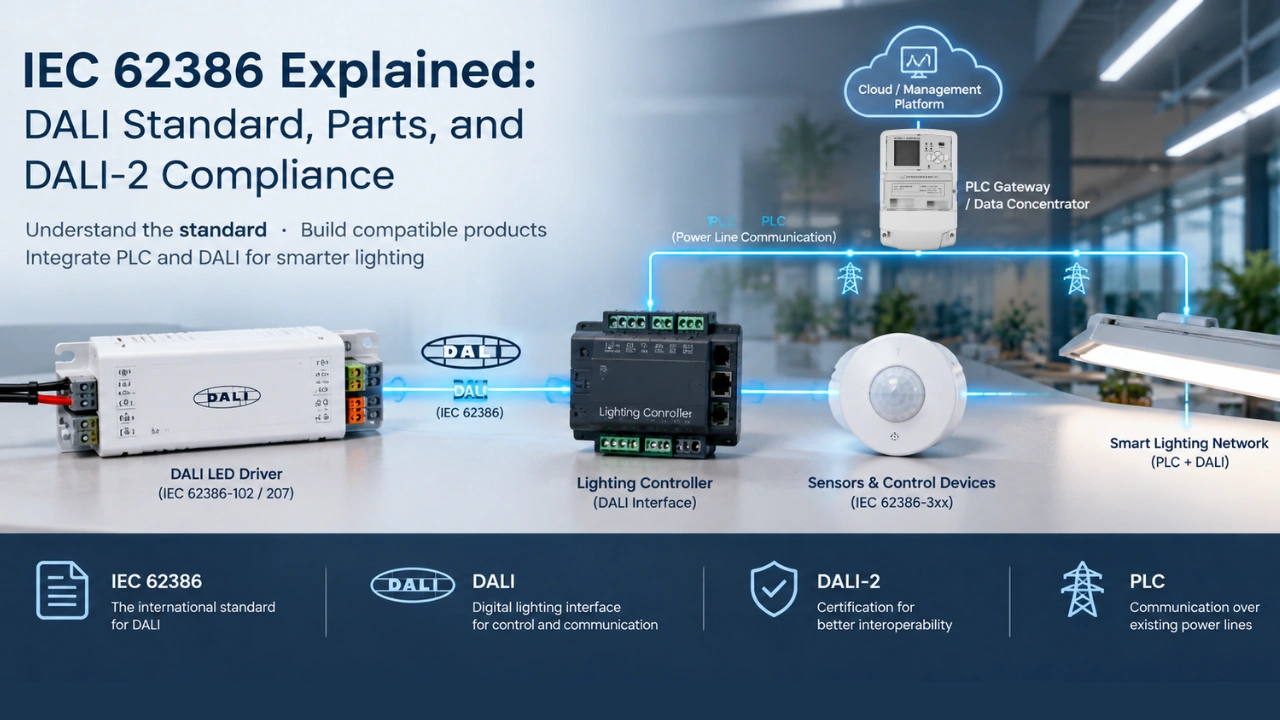
IEC 62386 is the international standard series that defines the Digital Addressable Lighting Interface (DALI), a digital communication interface used in lighting control systems. It specifies requirements for communication between compatible lighting-system components, including LED drivers, application controllers, sensors and other control devices.
For lighting manufacturers, OEM engineers and smart lighting system integrators, understanding IEC 62386 helps with product development, device compatibility, system integration and certification planning.
However, IEC 62386, DALI and DALI-2 are not interchangeable terms. IEC 62386 defines technical requirements, DALI is the lighting interface technology, and DALI-2 is a certification program designed to improve interoperability through more comprehensive testing and independent verification.
This guide explains the structure of IEC 62386, its important parts, the relationship between IEC 62386 and DALI-2, and how DALI technology can work alongside Power Line Communication (PLC) in smart lighting systems.
1. What Is IEC 62386?
IEC 62386 is a multi-part international standard published by the International Electrotechnical Commission (IEC). It specifies the DALI digital lighting interface and the requirements applicable to different components and functions within a DALI system.
DALI enables compatible lighting devices to exchange digital commands and information. Depending on the equipment and supported functions, a DALI system can support light switching, dimming, status reporting, configuration and other lighting-control operations.
Unlike conventional analog dimming, which commonly uses a 0–10 V or 1–10 V control signal, DALI uses digital communication to provide addressing and command-based control.
Typical applications include:
- Commercial building lighting
- Office and industrial lighting
- Smart luminaires and LED drivers
- Occupancy and daylight-responsive lighting
- Emergency lighting systems
- Lighting automation and building management systems
IEC 62386 divides its requirements into separate parts so that system components, control gear, control devices and particular device functions can be specified and tested more systematically.
For product developers, the relevant part depends on the type of equipment being designed and the functions it supports.
2. IEC 62386 vs DALI vs DALI-2
Although these terms are closely related, they describe different aspects of lighting control.
| Term | Meaning | Primary purpose |
|---|---|---|
| IEC 62386 | International standard series | Defines technical requirements for DALI communication and devices |
| DALI | Digital Addressable Lighting Interface | Provides a digital interface for lighting control |
| DALI-2 | Certification program operated by the DALI Alliance | Verifies compliance with applicable requirements and supports interoperability |
| PLC | Power Line Communication | Transmits data over existing electrical power conductors using supported PLC technology |
IEC 62386 is not a separate communication protocol competing with DALI. It is the standard series that specifies DALI.
DALI-2 is based on relevant parts of IEC 62386 and additional DALI Alliance specifications. Certification involves testing against applicable test specifications and verification by the DALI Alliance. Not every published IEC 62386 part or requirement is automatically included in the DALI-2 certification program.
PLC has a different role. It carries communication over electrical power lines, whereas DALI provides a lighting-control interface between compatible devices. A system may use PLC for network communication and DALI for local lighting control when the required interfaces and system architecture support that arrangement.
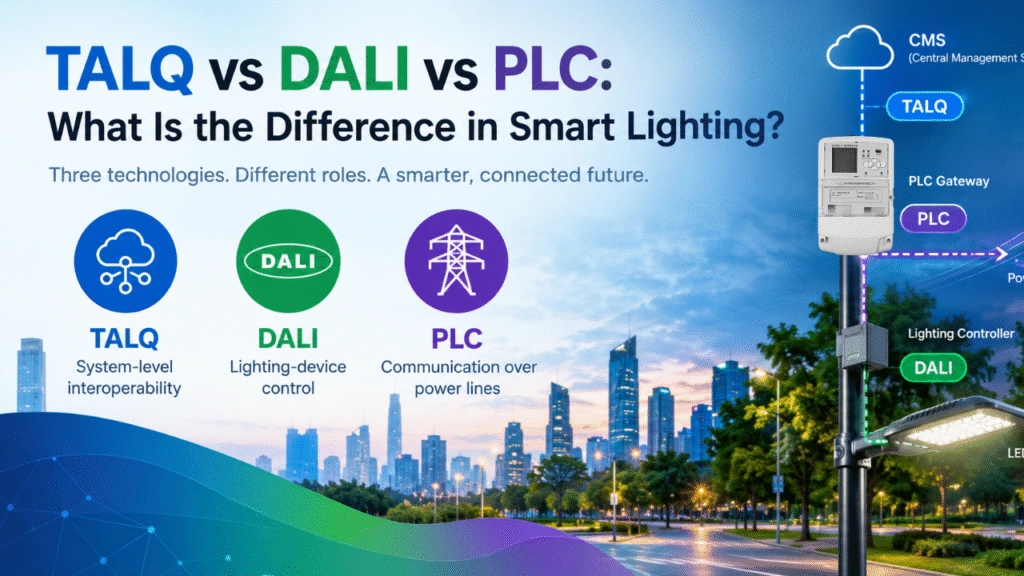
For a broader comparison, see MicroNature’s article on TALQ vs DALI vs PLC.
3. How Is IEC 62386 Structured?
IEC 62386 contains general requirements and more specific requirements for different device types and functions.
The following overview introduces several important parts. It is not a complete list of the standard, and the applicable edition, amendments and certification status should always be checked against current official documentation.
IEC 62386-101: General Requirements — System Components
Part 101 covers general system-level requirements applicable to DALI system components.
It provides the foundation for understanding how compatible components participate in a DALI system. For OEM developers, this part is relevant when evaluating system behavior and the requirements that apply across different types of devices.
IEC 62386-102: General Requirements — Control Gear
Part 102 addresses general requirements for DALI control gear, including equipment such as compatible lighting drivers.
It is important for manufacturers developing or selecting LED drivers because it establishes common requirements before the relevant device-specific functions are considered.
IEC 62386-103: General Requirements — Control Devices
Part 103 addresses DALI control devices, such as application controllers and input devices.
Control devices can receive information, evaluate conditions and issue commands to other devices. In an automated lighting system, these functions help connect sensor inputs, user controls and lighting-control logic.
IEC 62386-2xx: Particular Requirements for Control Gear
The 2xx series addresses specific functions or types of control gear.
Examples include:
- IEC 62386-202: Requirements for self-contained emergency lighting control gear.
- IEC 62386-207: Particular requirements for control gear used with LED modules.
- IEC 62386-209: Colour-control-related requirements.
These parts are relevant when the application requires more than basic lighting control. The exact requirements depend on the product type, supported functionality and applicable edition.
IEC 62386-3xx: Particular Requirements for Control Devices
The 3xx series addresses specific control-device and input-device functions.
Examples include:
- IEC 62386-301: Push-button devices.
- IEC 62386-302: Absolute input devices.
- IEC 62386-303: Occupancy sensors.
- IEC 62386-304: Light sensors.
These requirements are particularly relevant to sensor-driven lighting applications. For example, an occupancy sensor may provide input that allows a compatible lighting controller to adjust lighting according to detected presence.
The examples above are intended as an introduction. Manufacturers should consult the current IEC publications and the DALI Alliance’s certification-status information before deciding which parts apply to a product.
4. What Is the Difference Between DALI-1 and DALI-2?
DALI-2 developed from revisions to the DALI standard that expanded and clarified system requirements, introduced standardized requirements for control devices and strengthened interoperability testing.
An important difference is the treatment of control devices. DALI-2 includes standardized requirements for devices such as application controllers and input devices, which were not covered in the same way by the original DALI version-1 framework.
DALI-2 also uses a certification process involving defined test specifications and independent verification by the DALI Alliance.
For equipment manufacturers, this distinction matters because functional compatibility alone does not necessarily establish DALI-2 certification.
When selecting or developing a product, check:
- Which version and edition of the applicable IEC 62386 parts are relevant.
- Whether the product type and implemented functions are covered by current DALI-2 test specifications.
- Whether the product has completed the applicable certification process.
- Whether the exact product appears in the official DALI Alliance product database.
- Whether the certification scope matches the intended application and product configuration.
Do not claim that a product is DALI-2 certified solely because it supports DALI commands or has been tested for basic communication.
5. Does IEC 62386 Apply to Every DALI Product?
No. Different devices have different requirements.
A DALI LED driver, an application controller, an occupancy sensor and an emergency lighting device do not necessarily implement the same parts of IEC 62386.
The applicable requirements depend on the product category, functions implemented and certification objective.
For example, a manufacturer developing a DALI LED driver may need to evaluate the relevant system and control-gear requirements alongside the particular requirements for its supported LED-control functions.
A manufacturer developing an occupancy sensor or application controller must evaluate the applicable control-device requirements instead.
A practical compliance workflow is:
- Identify the device category and intended functions.
- Determine which IEC 62386 parts and editions apply.
- Review the current DALI Alliance certification requirements.
- Design and test the product against the applicable requirements.
- Complete the relevant certification process if DALI-2 certification is required.
- Keep technical documentation and product claims consistent with the actual test results and certification status.
Because the standard and certification program evolve, the latest official documentation should be consulted before a product enters formal compliance testing.
6. How Does IEC 62386 Relate to PLC Smart Lighting?
IEC 62386 and PLC address different layers of a smart lighting architecture.
DALI provides a standardized digital lighting interface. PLC enables data communication over supported electrical power lines, potentially reducing the need for separate communication wiring in suitable applications.
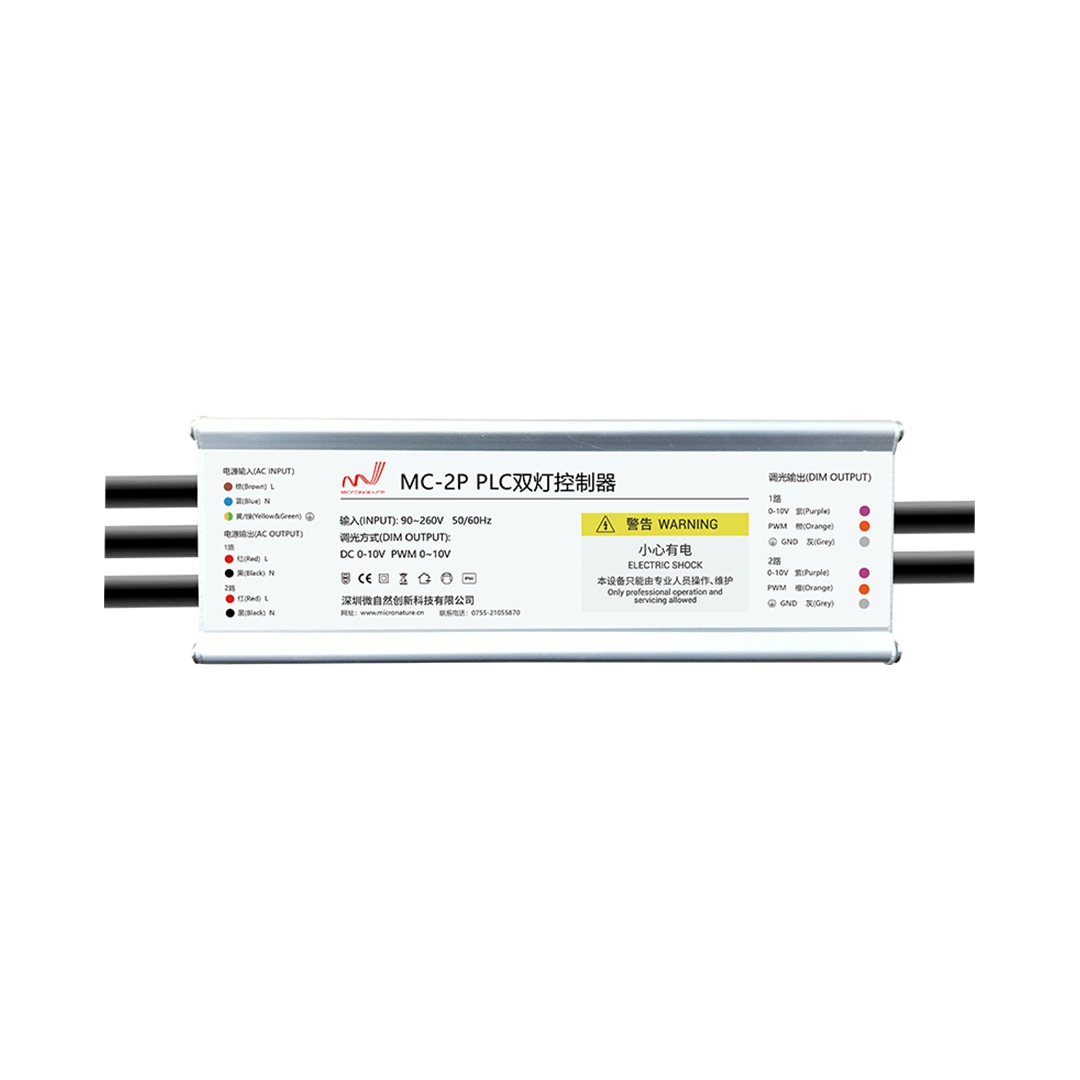
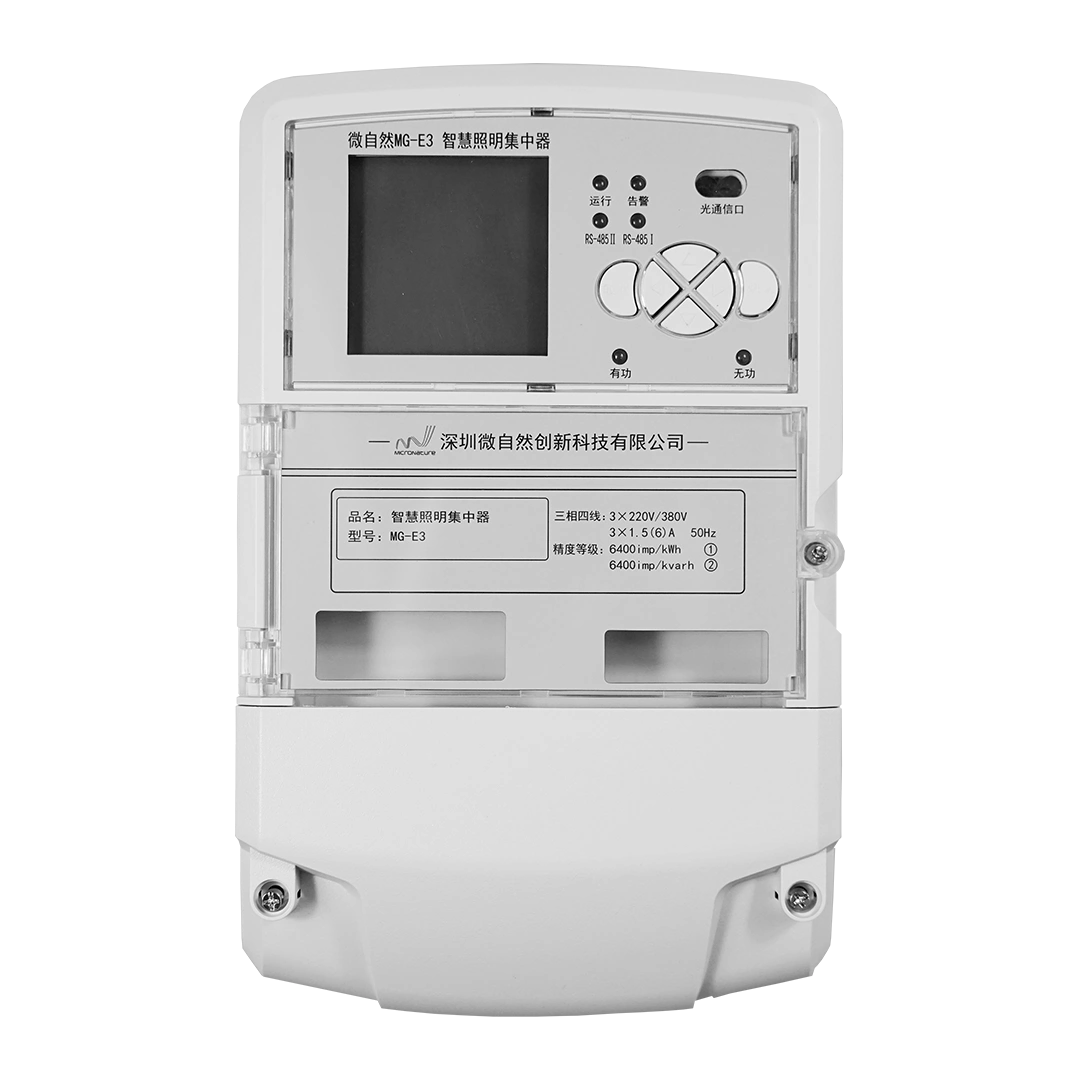
In an integrated system, PLC can provide communication between lighting endpoints and a gateway or concentrator, while DALI can provide local control of compatible LED drivers or other DALI devices.
A simplified architecture may look like this:
Cloud platform or management software
↓
PLC gateway or data concentrator
↓
PLC communication network over electrical power lines
↓
PLC-enabled lighting controller
↓
DALI interface and compatible DALI LED driver
In this architecture, the PLC controller must include or connect to a suitable DALI interface and implement the required control logic. The PLC communication module alone should not be assumed to provide DALI functionality.
The exact arrangement depends on the electrical design, controller interfaces, firmware and the supported functions of the connected devices.
Potential benefits of PLC and DALI integration
For appropriate projects, the combination can offer several advantages:
- Flexible network architecture: PLC can carry supervisory communication over existing power conductors, while DALI handles local lighting control.
- Reduced additional communication wiring: Where the PLC installation is suitable, dedicated communication cabling between networked endpoints may be unnecessary.
- Device-level control: Compatible DALI equipment can provide standardized local lighting functions.
- Centralized management: A properly designed gateway and software platform can coordinate remote monitoring and control.
These benefits depend on the specific installation. Power-line noise, electrical topology, coupling design, isolation, bus power requirements and interoperability must all be evaluated during development.
For more practical details, see How to Integrate PLC and DALI in a Smart Lighting System and PLC vs DALI Wiring: Installation, Topology, and Communication Differences.
7. What Should OEM Engineers Check Before Integrating DALI?
When integrating a DALI interface into a PLC-based controller, LED driver or smart lighting product, engineers should review the following areas.
7.1 Hardware interface
Confirm that the controller includes the required DALI physical interface and electrical circuitry. A UART, SPI or other host interface on a PLC module is not, by itself, a DALI bus interface.
7.2 Electrical design and isolation
Review the DALI bus interface, bus power arrangements, isolation requirements, protection components and applicable electrical safety requirements. These depend on the product design and the relevant specifications.
7.3 Firmware and command handling
Confirm that the controller firmware supports the intended DALI commands, addressing behavior, configuration procedures and device functions.
7.4 Device interoperability
Test the complete system with the intended LED drivers, sensors and control devices. Basic communication is not sufficient to establish interoperability across all supported functions.
7.5 Certification and documentation
Identify the applicable IEC 62386 parts and the current DALI-2 certification requirements. Maintain records of test results, firmware versions, supported functions and product configurations.
7.6 Network and application testing
For PLC-enabled systems, also test communication reliability under representative power-line conditions, including expected electrical noise and installation topology. Verify that local DALI control and remote PLC management work together as intended.
MicroNature develops PLC communication modules and smart lighting control solutions for embedded integration. For OEM projects, the appropriate approach is to define the system architecture and required interfaces first, then validate the hardware and firmware against the actual application requirements.
8. IEC 62386 Compliance Checklist for Lighting Manufacturers
Before releasing a DALI-enabled lighting product, use the following checklist as an initial engineering review.
| Review area | Questions to answer |
|---|---|
| Product classification | Is the device control gear, a control device, a sensor or another component? |
| Applicable standards | Which IEC 62386 parts, editions and amendments apply? |
| Functions | Which dimming, switching, sensing, reporting or other functions are implemented? |
| Hardware | Does the product implement the required DALI physical interface and electrical design? |
| Firmware | Are the required commands, configuration and device behaviors supported? |
| Interoperability | Has the product been tested with intended system components? |
| Certification | Are applicable DALI-2 test procedures available, and is certification required? |
| Documentation | Do the technical specifications and marketing claims match verified capabilities? |
This checklist is a starting point, not a substitute for the full standard or a formal conformity assessment.