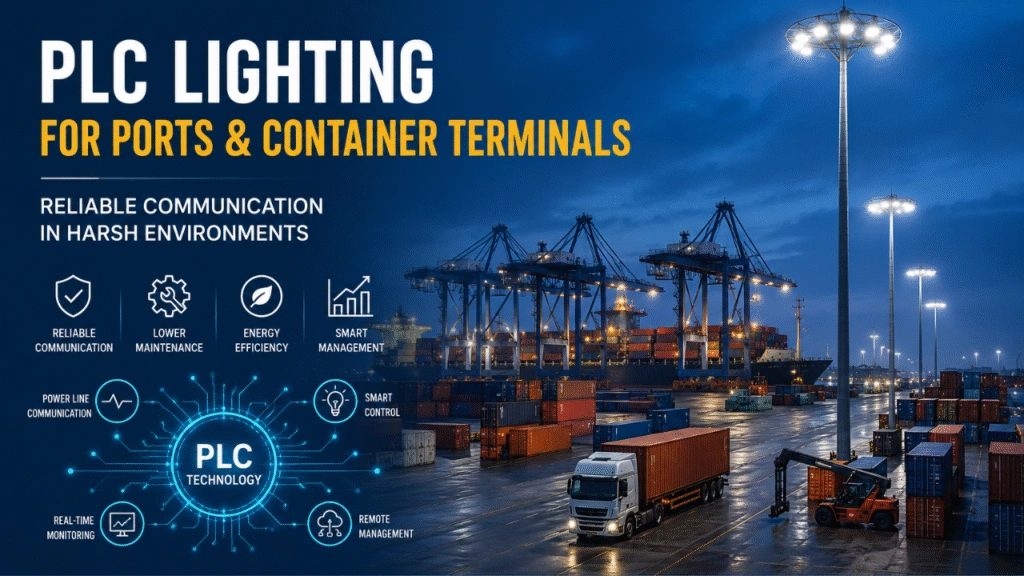
PLC Lighting for Ports is becoming an essential solution for modern container terminals and maritime infrastructure operating in harsh industrial environments. From high mast yard lighting and quay cranes to logistics roads and container storage areas, ports require reliable smart lighting communication systems that can withstand salt corrosion, humidity, vibration, electromagnetic interference, and long communication distances. For more information, can see International Maritime Organization (IMO).
Traditional lighting control systems often struggle in these environments due to expensive cabling requirements, unstable wireless communication, and high maintenance costs. This is where PLC (Power Line Communication) lighting systems provide a major advantage.
By using existing power lines to transmit both electricity and control data, PLC smart lighting delivers stable communication, simplified deployment, and intelligent control for modern maritime infrastructure.
For ports and container terminals seeking safer operations, lower energy consumption, and scalable smart infrastructure, PLC lighting has become a highly practical solution.
Why Ports & Container Terminals Need Smarter Lighting Systems
Ports are among the most demanding outdoor industrial environments. Operations continue day and night, requiring consistent illumination across large open areas.
Typical lighting zones include:
- Container yards
- Quay cranes
- Ship loading zones
- Truck lanes
- Rail logistics corridors
- Maintenance workshops
- Security perimeter areas
- Inspection zones
Lighting failures in these areas can directly affect:
- Worker safety
- Crane operation visibility
- Cargo handling efficiency
- Security monitoring
- Vehicle navigation
- Emergency response capability
Port lighting systems must also withstand:
- Salt spray corrosion
- High humidity
- Strong coastal winds
- Heavy vibration from cranes and machinery
- Electrical noise from industrial equipment
- Long-distance outdoor installations
Because of these challenges, many wireless lighting systems experience instability or communication loss in maritime environments.
What Is PLC Lighting?
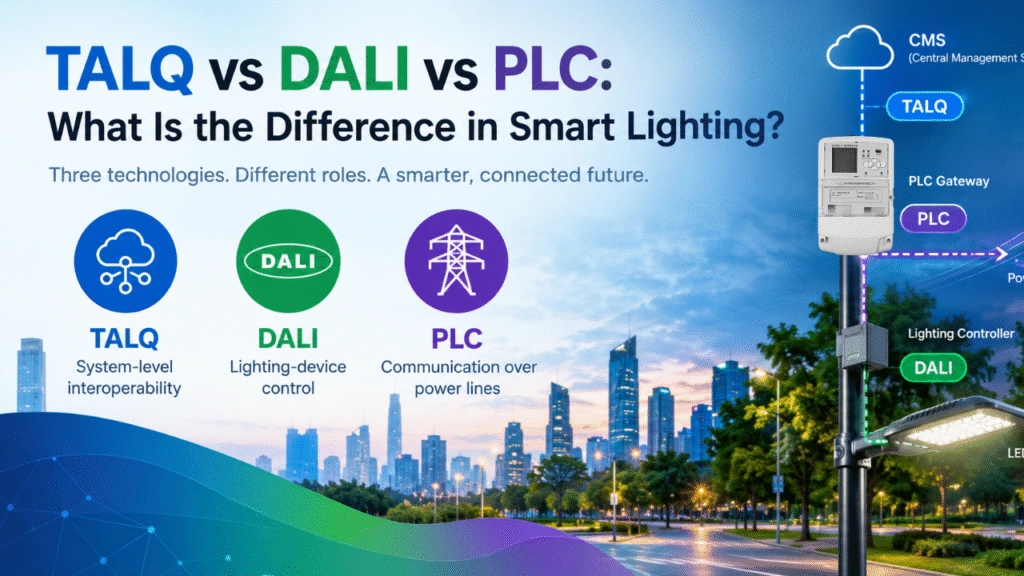
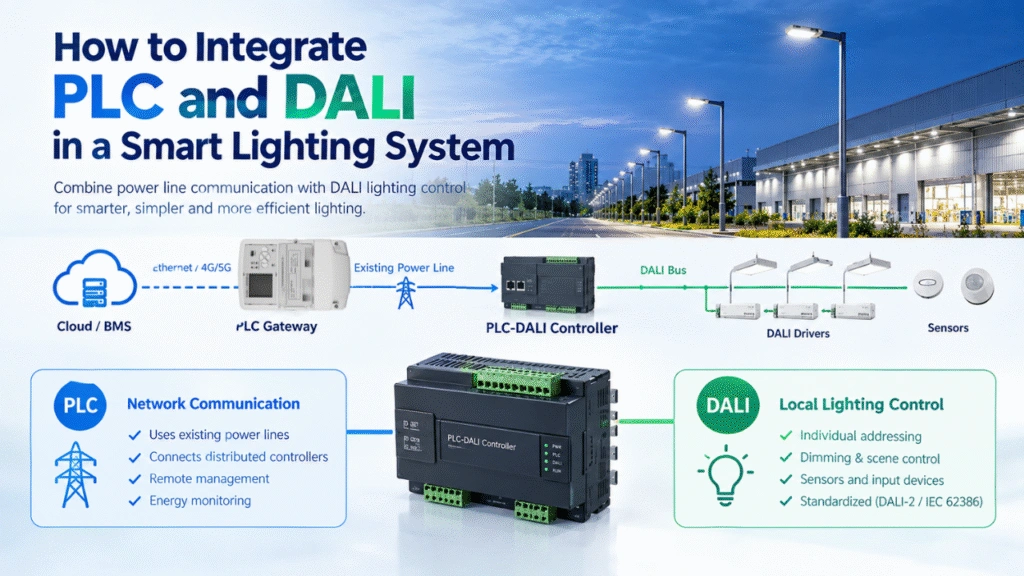
PLC (Power Line Communication) technology allows control signals and data to travel directly through existing electrical power cables.
Instead of installing separate communication wiring such as Ethernet, fiber, or RS485 networks, PLC lighting systems use the same AC power lines already connected to the luminaires.
This architecture creates several advantages for ports and terminals:
- No additional communication cables
- Reduced installation complexity
- Easier retrofit deployment
- Stable communication over long distances
- Better resistance to industrial interference
- Lower infrastructure cost
- Simplified maintenance
For large container terminals covering kilometers of outdoor area, this becomes a major operational and financial advantage.
Why PLC Communication Performs Better in Harsh Port Environments
1. Reliable Communication Without Wireless Interference
Ports contain large cranes, steel structures, vessels, heavy motors, and industrial electrical systems that can interfere with wireless communication.
Wireless networks may suffer from:
- Signal blockage
- Reflection from steel containers
- Long-distance instability
- Electromagnetic interference
- Weather-related degradation
PLC systems avoid many of these issues because communication occurs directly through electrical wiring rather than radio signals.
This makes PLC especially suitable for:
- Container yards
- Shipyards
- Port logistics corridors
- Crane lighting systems
- Dock infrastructure
Industrial PLC systems are specifically designed to operate in noisy electrical environments.
2. Long-Distance Communication Across Large Facilities
Ports and terminals often cover extremely large outdoor areas.
Running separate communication cables across these areas can create:
- High trenching costs
- Complex installation work
- Long project downtime
- Increased maintenance difficulty
PLC technology supports long-distance communication directly through existing power infrastructure.
With proper network segmentation, repeaters, filters, and loop topology, PLC systems can maintain stable communication across large terminals and distributed lighting zones.
3. Strong Resistance to Salt, Humidity, and Vibration
Coastal environments are highly corrosive.
Lighting systems in ports must withstand:
- Saltwater exposure
- Moisture ingress
- Wind loading
- Mechanical vibration
- Temperature variation
Marine-grade LED luminaires combined with industrial PLC controllers can deliver reliable long-term operation even in severe maritime conditions. Common design features include:
- IP66/IP67 protection
- Corrosion-resistant coatings
- Stainless steel hardware
- High surge protection
- Vibration-resistant construction
These features significantly reduce maintenance frequency in difficult-to-access high mast installations.
PLC Lighting vs Wireless Lighting for Ports
Choosing the right communication technology is critical for port and container terminal lighting systems. While wireless smart lighting solutions are widely used in urban environments, ports present unique industrial challenges that often make PLC communication a more reliable option.
The table below compares PLC lighting and wireless lighting technologies for harsh maritime environments.
| Feature | PLC Lighting | Wireless Lighting |
|---|---|---|
| Communication Medium | Existing power lines | Radio frequency signals |
| Installation Cost | Lower for retrofit projects | May require gateways and repeaters |
| Signal Stability | Highly stable in industrial areas | Can be affected by interference |
| Steel Structure Interference | Minimal impact | Significant signal reflection/blockage |
| Long-Distance Coverage | Strong over existing electrical infrastructure | May require multiple wireless nodes |
| Maintenance Complexity | Lower infrastructure maintenance | Additional wireless network management |
| Reliability in Harsh Weather | High | Can be affected by environmental conditions |
| Scalability | Excellent for large infrastructure | Depends on wireless network density |
| Electromagnetic Interference Resistance | Strong | More vulnerable in industrial environments |
| Best Application | Ports, shipyards, tunnels, industrial facilities | Smart cities, campuses, office areas |
In container terminals and maritime logistics facilities, large steel containers, cranes, industrial motors, and coastal weather conditions can create significant challenges for wireless communication systems.
PLC lighting avoids many of these issues because communication signals travel directly through existing electrical power lines instead of relying on radio transmission.
This makes PLC lighting particularly suitable for:
- Container yards
- Ship loading zones
- High mast lighting systems
- Crane lighting infrastructure
- Industrial dock facilities
- Shipyards and logistics terminals
For retrofit port projects, PLC technology also reduces installation complexity because existing power infrastructure can be reused without deploying extensive communication cabling or wireless relay networks.
As ports continue adopting smart infrastructure technologies, many operators choose PLC lighting for its stability, scalability, and lower long-term maintenance requirements in harsh industrial environments.
Key Components of a PLC Port Lighting System
A modern PLC lighting solution for ports and container terminals typically includes:
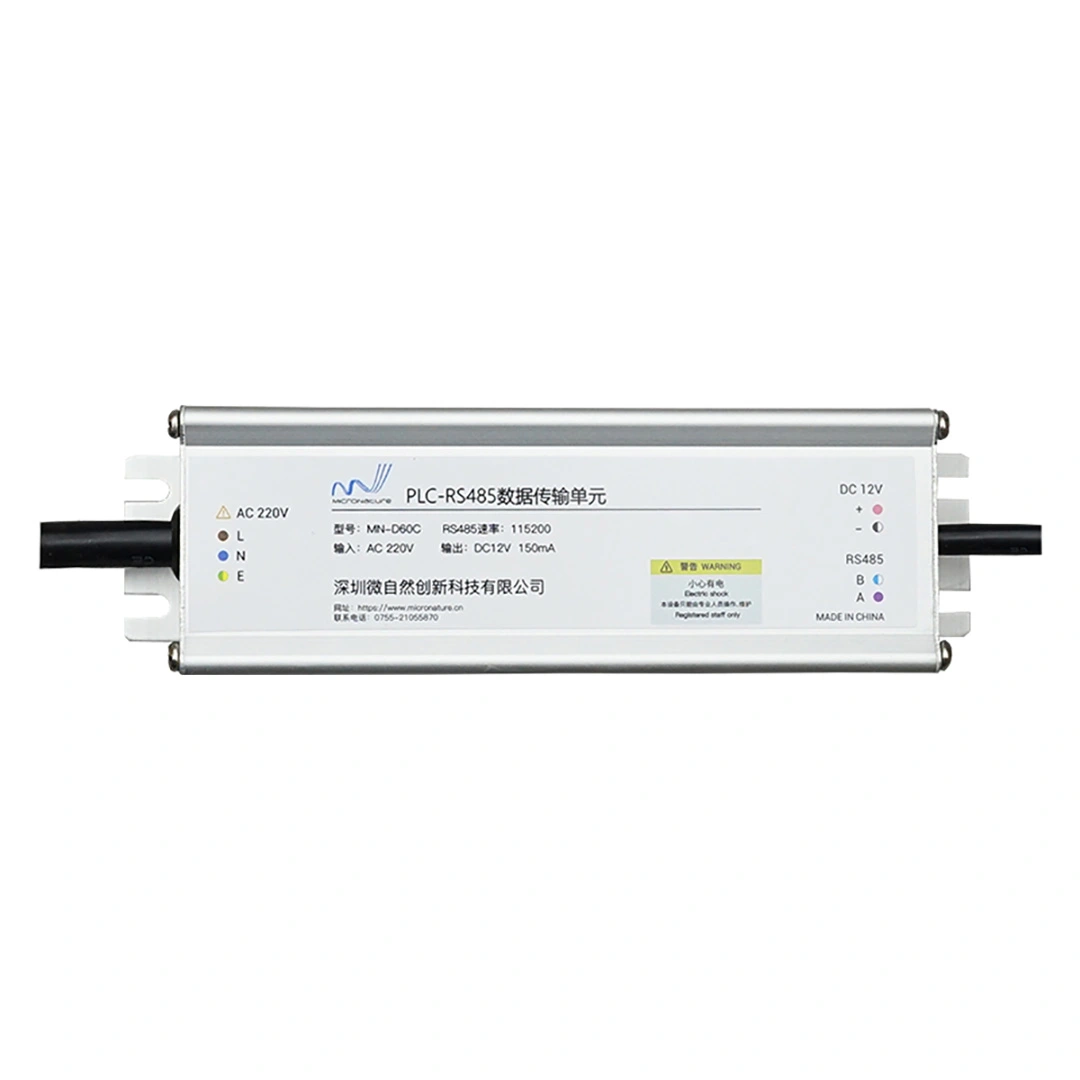
PLC Concentrator
Acts as the central communication gateway between the management platform and field devices.
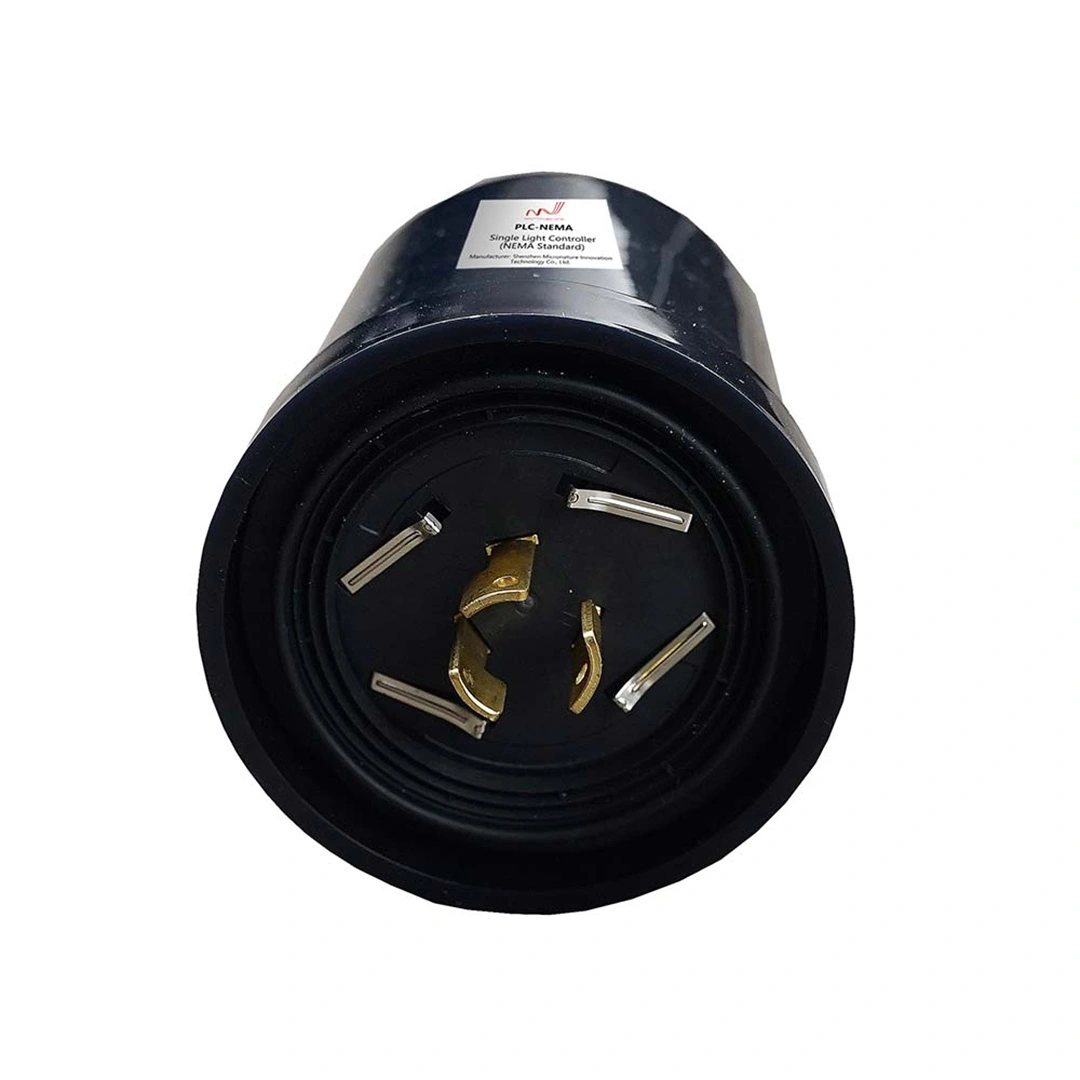
PLC Lighting Controllers
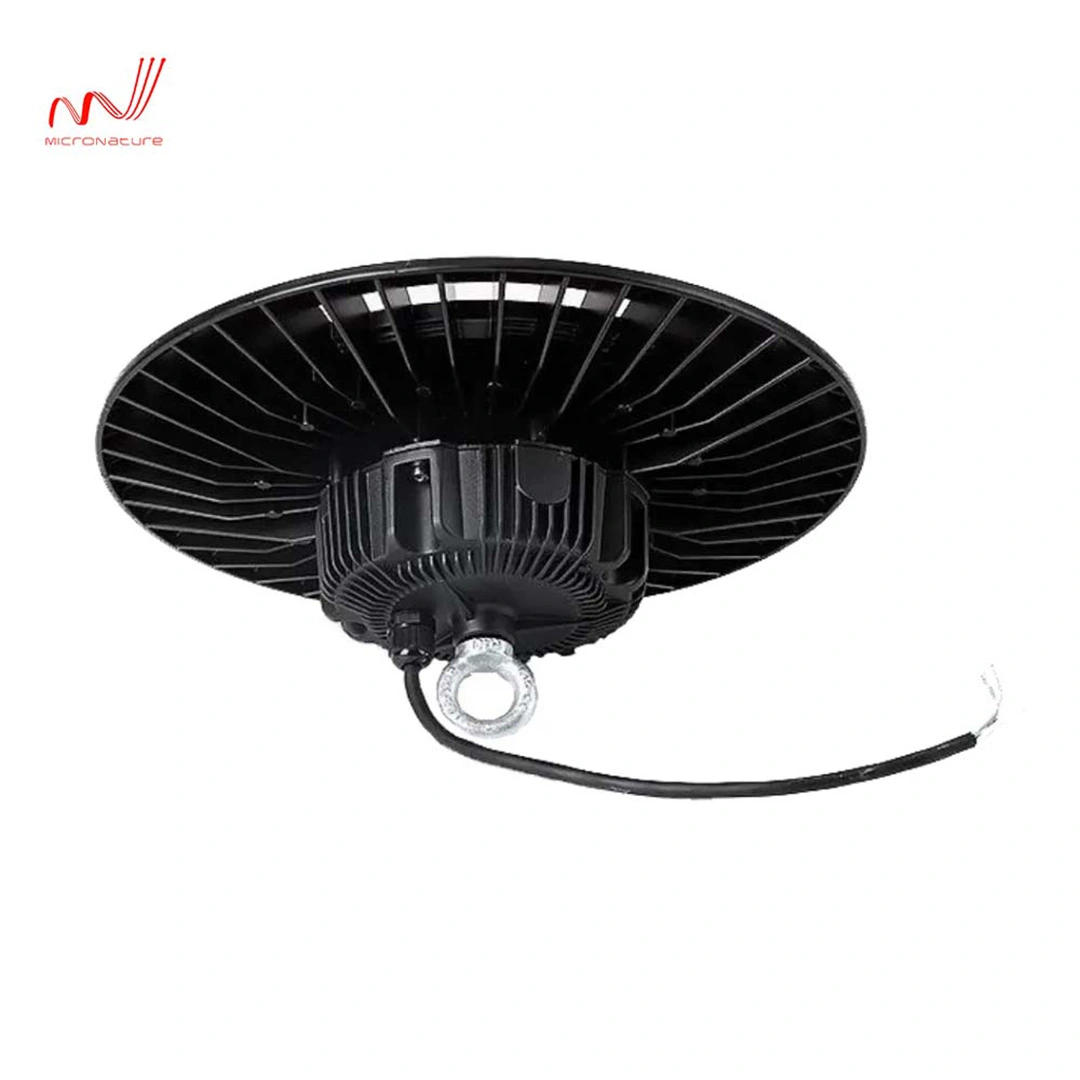
Installed within luminaires or control cabinets to receive commands and report status.
Smart LED Drivers
Enable dimming and adaptive brightness control.
High Mast LED Lighting
Provides wide-area illumination for yards, docks, and logistics zones.
Sensors & AI Vision Systems
Used for:
- Motion detection
- Vehicle tracking
- Crane activity monitoring
- Adaptive brightness adjustment
- Energy optimization
Central Management Platform
Allows operators to monitor:
- Lighting status
- Power consumption
- Fault alarms
- Energy analytics
- Scheduling
- Maintenance diagnostics
PLC systems can also integrate with:
- SCADA systems
- CCTV platforms
- Environmental sensors
- Smart city infrastructure
- Access control systems
Major Benefits of PLC Smart Lighting for Ports
1. Reduced Installation Cost
Using existing power lines eliminates large amounts of communication cabling.
This is particularly valuable for retrofit projects where installing new communication infrastructure is expensive and disruptive.
2. Lower Energy Consumption
Smart dimming and adaptive lighting strategies allow terminals to reduce energy usage during low-traffic periods.
Typical functions include:
- Scheduled dimming
- Zone-based control
- Motion-triggered lighting
- Adaptive brightness
- Emergency lighting scenes
Modern LED + PLC systems can significantly reduce energy consumption compared to traditional metal halide systems.
3. Improved Safety & Visibility
Uniform lighting and intelligent control improve visibility for:
- Crane operators
- Truck drivers
- Yard personnel
- Maintenance teams
- Security operations
Better lighting consistency reduces dark spots and glare, helping improve operational safety across terminals.
4. Predictive Maintenance & Fault Detection
PLC systems provide real-time diagnostics for:
- Lamp failures
- Communication interruptions
- Power abnormalities
- Driver faults
- Signal quality
Maintenance teams can identify issues remotely instead of performing manual inspections across massive terminal areas.
This reduces downtime and maintenance labor costs.
5. Scalable Smart Infrastructure
As ports continue digitizing operations, lighting infrastructure becomes part of a broader smart port ecosystem.
PLC lighting systems can support future integration with:
- AI-based monitoring
- Autonomous vehicle systems
- Smart logistics platforms
- Energy management systems
- Environmental monitoring
This makes PLC lighting a strong foundation for long-term smart port development.
Typical Applications in Ports & Container Terminals
PLC lighting systems are suitable for:
Container Yards
High mast adaptive lighting for container storage and logistics movement.
Quay & Dock Areas
Reliable lighting control for vessel loading and unloading operations.
Crane Lighting
Stable communication in high-vibration industrial environments.
Truck Corridors & Roads
Intelligent roadway illumination and scheduling.
Shipyards & Maintenance Zones
Long-distance lighting control across large industrial facilities.
Security Perimeter Lighting
Centralized monitoring and fault reporting for critical security areas.
Typical Smart Port PLC Lighting Deployment Scenarios
Modern ports and container terminals require lighting systems that can support continuous operations, improve energy efficiency, and maintain reliable communication across large industrial environments. PLC smart lighting systems can be deployed in multiple operational scenarios depending on infrastructure requirements and terminal layouts.
Below are some of the most common smart port PLC lighting deployment scenarios.
1. Container Yard High Mast Lighting
Container yards typically use high mast lighting towers to illuminate large storage and logistics areas.
In this deployment scenario, PLC lighting controllers are integrated directly into LED high mast luminaires, allowing centralized monitoring and adaptive dimming through existing power lines.
Typical functions include:
- Scheduled brightness adjustment
- Zone-based lighting control
- Real-time fault detection
- Energy consumption monitoring
- Remote lighting management
Because container yards contain large steel structures and moving equipment, PLC communication provides more stable operation than many wireless systems.
2. Quay Crane & Dock Lighting Systems
Quay cranes and dock operations require highly reliable lighting for safe cargo loading and unloading during nighttime operations.
PLC lighting systems can support:
- Crane platform lighting
- Dock edge illumination
- Ship loading area lighting
- Safety pathway lighting
Industrial PLC communication is highly suitable for crane environments where vibration, electromagnetic interference, and harsh weather conditions may affect traditional wireless networks.
Smart dimming can also reduce unnecessary energy consumption during idle operational periods.
3. Port Logistics Roadway Lighting
Large ports often contain extensive internal road systems for trucks, autonomous vehicles, and logistics transportation.
PLC roadway lighting systems allow operators to manage lighting across long-distance transportation corridors without installing separate communication cables.
Common smart functions include:
- Motion-based dimming
- Adaptive brightness control
- Traffic-responsive lighting
- Emergency lighting activation
- Centralized monitoring
This improves visibility and operational safety while reducing electricity costs.
4. Shipyard & Maintenance Facility Lighting
Shipyards and maintenance zones usually involve large industrial structures, workshops, dry docks, and repair stations.
PLC smart lighting helps simplify communication deployment across these complex facilities while supporting:
- Workshop lighting automation
- Equipment-area illumination
- Maintenance scheduling
- Fault reporting
- Predictive maintenance analytics
Because PLC uses existing electrical infrastructure, retrofit installation becomes faster and less disruptive to daily operations.
5. Security Perimeter & Fence Lighting
Port security is critical for protecting cargo, infrastructure, and restricted operational areas.
PLC lighting systems can support perimeter security applications by enabling:
- Continuous remote monitoring
- Automatic fault alarms
- Scheduled nighttime lighting
- Integration with CCTV systems
- Emergency response lighting scenes
Centralized control improves visibility while helping reduce manual inspection requirements for large perimeter zones.
6. Smart Energy Management Across Port Infrastructure
Some advanced ports integrate PLC lighting into broader smart infrastructure platforms.
In these deployments, lighting systems work together with:
- AI monitoring systems
- Environmental sensors
- Energy management platforms
- SCADA systems
- Smart logistics software
This creates a connected smart port ecosystem capable of improving operational efficiency, sustainability, and maintenance management.
Why Deployment Flexibility Matters in Modern Ports
Every port has different infrastructure layouts, operational requirements, and environmental challenges.
PLC lighting offers flexible deployment options because it can operate across existing electrical infrastructure without relying heavily on additional communication cabling or unstable wireless networks.
This flexibility makes PLC smart lighting highly suitable for:
- New smart port developments
- Existing terminal retrofits
- Industrial dock facilities
- Maritime logistics hubs
- Large-scale transportation infrastructure
As global ports continue moving toward automation and digital transformation, PLC lighting provides a reliable communication foundation for scalable smart infrastructure development.
Why PLC Lighting Is Ideal for Port Retrofit Projects
Many ports still rely on aging lighting systems with limited control capability.
Upgrading to smart lighting using traditional communication infrastructure often requires:
- Extensive trenching
- Fiber installation
- Communication rewiring
- Operational shutdowns
PLC technology minimizes disruption because it reuses existing electrical infrastructure.
This makes PLC one of the most practical smart lighting technologies for:
- Existing container terminals
- Shipyards
- Industrial docks
- Harbor logistics centers
Future Trends: AI + PLC Smart Port Lighting
The next generation of port lighting combines PLC communication with AI vision systems and intelligent automation.
AI-powered systems can:
- Detect traffic density
- Monitor crane operations
- Analyze weather conditions
- Adjust lighting dynamically
- Improve emergency response
PLC then provides the reliable communication backbone needed to execute these lighting adjustments instantly and consistently.
This combination creates:
- Higher operational efficiency
- Lower energy consumption
- Better maintenance management
- Enhanced port safety
- Scalable smart infrastructure